
Lab-Grown Diamond Shakeout: How the 2026 Price Collapse Reshapes Jewelry Retail Display Strategy
一、培育钻石价格断崖:从辉煌到洗牌的三年
2026年7月,全球培育钻石价格指数再次刷新历史低点。根据IDEX国际钻石交易所最新数据,一克拉培育裸钻的平均批发价格已跌破280美元,较2023年同期下跌超过65%。这一轮暴跌并非短期波动,而是行业结构性产能过剩与技术迭代双重作用下的必然结果。中国河南、印度苏拉特两大培育钻石生产基地的年产能合计已突破3000万克拉,远超全球消费需求增速。当实验室可以以工业级效率"种植"钻石时,这颗曾被自然垄断了数十亿年的碳晶体,终于迎来了它的人类定价时代。
In July 2026, the global lab-grown diamond price index hit another historic low. According to the latest data from IDEX, the average wholesale price of a one-carat lab-grown rough diamond has fallen below USD 280, a decline of more than 65% compared to the same period in 2023. This crash is not a short-term fluctuation but the inevitable result of structural overcapacity and technological iteration. The combined annual production capacity of China's Henan and India's Surat—two major lab-grown diamond manufacturing hubs—has exceeded 30 million carats, far outpacing global consumption growth. When a laboratory can "grow" diamonds with industrial-grade efficiency, this carbon crystal, monopolized by nature for billions of years, finally enters the era of human pricing.
二、零售终端的连锁反应:从"钻石自由"到价值重构
价格崩塌传导至零售端的速度远超行业预期。2026年第二季度,国内主要珠宝品牌纷纷将培育钻石饰品的价格区间下调至999-2999元,部分电商渠道甚至出现了99元包邮的培育钻戒。消费者第一次拥有了真正意义上的"钻石自由",但这份自由的代价是品牌溢价空间的急剧压缩。传统珠宝门店赖以生存的"钻石=永恒=高价"心智模型正在瓦解,当一颗一克拉培育钻戒的价格不到一条丝巾的十分之一时,门店必须重新思考橱窗里最昂贵位置应该展示什么。
The speed at which the price collapse has transmitted to the retail end has far exceeded industry expectations. In Q2 2026, major domestic jewelry brands slashed lab-grown diamond jewelry price ranges to RMB 999-2,999, with some e-commerce channels even offering lab-grown diamond rings at RMB 99 with free shipping. Consumers have, for the first time, achieved true "diamond freedom"—but the price of this freedom is a drastic compression of brand premium space. The traditional jewelry retail model, which relies on the mental framework of "diamond = eternity = high price," is collapsing. When a one-carat lab-grown diamond ring costs less than one-tenth of a silk scarf, stores must rethink what should occupy the most expensive spot in their display windows.
三、陈列策略转向:从单品崇拜到场景叙事
当培育钻石不再是门店的价格锚点,陈列设计的重心必须从"展示一颗宝石的价值"转向"讲述一种生活方式的价值"。2026年最前沿的珠宝门店正在实践三种陈列革新:第一,"混搭陈列"——将培育钻石与天然彩宝、珍珠、K金进行组合搭配,用材质碰撞淡化单一品类价格敏感度;第二,"场景化橱窗"——以婚礼、职场、日常通勤等生活场景为叙事主线,培育钻石饰品作为整体造型的一个组成部分而非唯一主角;第三,"技术体验区"——在柜台旁设置小型显示屏,实时播放培育钻石的生长过程和4C参数,将低价转化为"科技感"的差异化卖点。
When lab-grown diamonds are no longer the price anchor of a store, display design focus must shift from "showcasing the value of a single gemstone" to "telling the value of a lifestyle." The most cutting-edge jewelry stores in 2026 are practicing three display innovations: first, "mix-and-match display"—combining lab-grown diamonds with natural colored gemstones, pearls, and K-gold to dilute single-category price sensitivity through material contrast; second, "scenario-based window displays"—using life scenarios such as weddings, workplace, and daily commuting as narrative threads, with lab-grown diamond jewelry as one component of an overall look rather than the sole protagonist; third, "tech experience zones"—setting up small displays next to counters that show the diamond growth process and 4C parameters in real time, transforming low prices into a "tech appeal" differentiator.
四、包装与道具的升级机遇
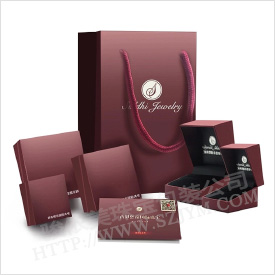
培育钻石价格下探带来的一个意外红利是:门店在包装和陈列道具上的预算空间得以释放。过去一颗天然一克拉钻戒的售价中,宝石成本占比高达60%-70%,留给包装和陈列的预算极其有限。如今培育钻石饰品毛利率虽受价格战挤压,但绝对成本的大幅下降使得门店有能力投入更高品质的珠宝包装、更精致的珠宝陈列架和更具设计感的珠宝摆台。定制化包装正在从"奢侈品专属"下沉为"大众标配",这为珠宝包装供应链企业带来了结构性增长机遇。一个值得关注的趋势是:2026年消费者对"开箱体验"的关注度首次超过了对"钻石大小"的关注度,这意味着包装本身正在成为珠宝产品价值感知的重要组成部分。
An unexpected dividend brought by the downward trend in lab-grown diamond prices is that stores' budgets for packaging and display props have been freed up. In the past, gemstone costs accounted for 60%-70% of a natural one-carat diamond ring's retail price, leaving extremely limited budget for packaging and display. Today, while lab-grown diamond jewelry profit margins are squeezed by price wars, the dramatic reduction in absolute costs enables stores to invest in higher-quality jewelry packaging, more refined jewelry display racks, and more design-forward display tables. Customized packaging is transitioning from a "luxury exclusive" to a "mass standard," creating structural growth opportunities for jewelry packaging supply chain companies. A notable trend: in 2026, consumer attention to the "unboxing experience" has surpassed attention to "diamond size" for the first time, meaning packaging itself is becoming an important component of jewelry product value perception.
五、未来展望:分化而非消亡
培育钻石行业的洗牌并不意味着品类消亡,而是走向分化。未来三年,市场将清晰分裂为两条赛道:一条是"工业级装饰品"赛道,价格持续下探至快消品区间,拼的是供应链效率和渠道覆盖;另一条是"可持续奢侈品"赛道,以可溯源证书、碳中和生产工艺、设计师原创IP为核心壁垒,瞄准愿意为价值观付费的新一代消费者。对于珠宝零售门店而言,关键不在于选择卖不卖培育钻石,而在于如何用陈列和包装策略将低价产品转化为高感知价值的消费体验。在这场重构中,门店的陈列设计能力、包装定制能力、场景叙事能力,将成为比宝石本身更核心的竞争壁垒。
The shakeout in the lab-grown diamond industry does not mean the category will disappear—it is heading toward分化, or rather, bifurcation. In the next three years, the market will clearly split into two tracks: one is the "industrial-grade decoration" track, where prices continue to fall into the fast-moving consumer goods range, competing on supply chain efficiency and channel coverage; the other is the "sustainable luxury" track, building competitive moats with traceable certificates, carbon-neutral production processes, and original designer IP, targeting a new generation of consumers willing to pay for values. For jewelry retail stores, the key is not whether to sell lab-grown diamonds, but how to use display and packaging strategies to transform low-priced products into high-perceived-value consumption experiences. In this restructuring, a store's display design capability, packaging customization capability, and scenario storytelling capability will become more critical competitive barriers than the gemstones themselves.
原创声明 / Original Statement:本文由盛艺祥原创撰写,如需转载请注明出处。This article is originally written by Shengyixiang. Please indicate the source when reprinting.
- 上一篇:没有啦
- 下一篇:Spiritual Adornment: How South 2026/7/18


