When the Gift Changes Hands送出去之后才算数
A large share of the jewelry sold each year never ends up on the wrist of the person who paid for it. That single fact makes jewelry packaging a fundamentally different design problem from packaging for almost anything else.
Q1: How much of the jewelry business is actually gifting, and why does that rewrite the brief for packaging?
NIQ surveyed 1,170 Chinese consumers aged 18 to 54 in January 2026 for its Jewelry Gifting Report. Two findings sit side by side: 95% plan to buy jewelry in the next twelve months, and 97% say they would like to receive jewelry as a gift. Among gifting motivations, celebrating an anniversary or holiday accounts for 75% and expressing affection for 43%. The core occasions are Valentine's Day at 39%, anniversaries at 36%, engagements and weddings at 33%, and birthdays at 33%. Spouses and partners make up 58% of recipients, average spend on natural diamond gifts runs around RMB 22,199, and 63% still prefer to buy in store.
Translated into packaging terms, the conclusion is short: a jewelry box has to survive two handovers, not one. The first is brand to customer, staged under controlled lighting with staff, music and a counter. The second is customer to recipient, and it happens in a restaurant, a car, a doorway or a hotel room, with no lighting design, no sales script and nobody from the brand present. At that moment, the packaging is the only representative the brand has in the room. Almost all packaging, however, is designed for the first handover.
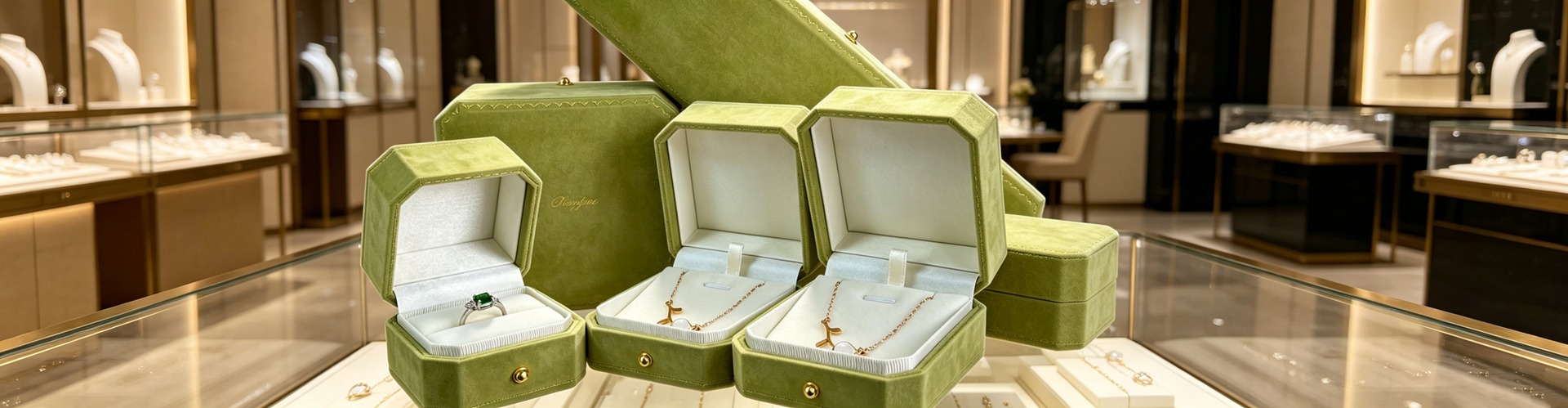
Q2: Does packaging genuinely change how a recipient values the gift itself? Is there evidence?
Yes, and the classic evidence is more than three decades old. Daniel Howard, a marketing professor at Southern Methodist University, published four experiments in the Journal of Consumer Psychology in 1992. In one, 45 students received the same item, half in the manufacturer's plastic bag and half wrapped in blue and white paper with a matching ribbon, then rated it on nine-point scales. The wrapped group scored the gift 7.14; the unwrapped group scored it 6.06. A second experiment with 60 participants added a third condition, plain brown paper with no ribbon or bow. Nicely wrapped came first, brown paper second, unwrapped last.
Howard's explanation is mood mediation: because wrapping has been paired with birthdays and celebrations throughout a person's life, the sight of it cues a happy mood, and that mood biases attitudes upward. He also found a detail that matters commercially. When participants believed the gift was meant for someone else, wrapping made no difference at all. Packaging does its work at the moment of receiving, not the moment of viewing. Domestic data points the same way. Shangpu Consulting surveyed 1,496 Chinese consumers for its 2025 jewelry market report: 42% named a branded custom gift box as their preferred format, items sold with such a box carried a 27% higher average order value, and their return rate was 4.3 percentage points lower. An Ipsos study likewise found 72% of consumers admit packaging design influences their purchase decisions.
Q3: What demands does gifting place on packaging that in-store display never considers?
At least five, all of them concrete. One, it must open with one hand. During a proposal, across a dinner table, or handed over in a car, the other hand is rarely free. Hinge damping should hold the lid open without springing back, and magnetic closure should be weak enough for a single thumb. A magnet that feels impressively strong on the counter is simply awkward in the moment that counts. Two, thickness. Inside jacket pockets and small clutches have hard limits, and a conventional ring box visibly bulges. Several brands now offer flat or two-part formats precisely because concealment is a functional requirement here. Three, zero price residue. Tags, barcodes, promotional stickers and invoice sleeves each drag the gift back into a transaction; the mature practice is to seal the invoice and warranty separately and leave no numbers on the box. Four, an opaque outer layer. A clear tote is fine in the store and a spoiler on the way to dinner; a non-transparent, foldable, reusable jewelry pouch solves transport and preserves the reveal. Five, it has to last. The recipient keeps the box as well as the piece, and it will sit on a dresser for years as the brand's only permanent display space inside someone else's home. Hinge and lining durability decide how long that space survives.
Q4: Why does restrained, high-end minimal jewelry packaging win in gifting situations?
The first three questions were about function. This one is about social relationships, and that is where minimalism holds an advantage unique to gifting.
First, expectation management. A 2019 study on the gap between giver and recipient perceptions produced a counterintuitive result: the neater and more elaborate the wrapping, the higher the recipient's expectation of what is inside, and the more likely the actual item disappoints. The same study found the effect strongest among close friends, and reversed for givers at greater social distance, where polished wrapping mattered more. A brand occupies exactly that second role: distant, but required to be trusted. So brand packaging must be refined without being loud. Refinement buys trust; excess manufactures disappointment. Jewelry is physically small, and a box that nests through several layers only to reveal a plain band creates a letdown the packaging invented by itself.
Second, social burden. The more ostentatious the wrapping, the more easily the recipient reads a price signal, and the obligation to reciprocate follows. Restraint keeps the gift in the register of thoughtfulness rather than of price tags. Third, cost structure. Minimal is never the cheap option. With no pattern to hide behind, every tolerance is exposed: a fold 0.2 mm off is visible instantly, and a batch colour shift means two different colours sitting side by side on the counter. The money belongs in board thickness, lining fit and hardware life, not in foil coverage. Brands that copy a minimalist rendering and still fail did not save on ornament; they saved on tolerance.
Q5: Should a store build a display dedicated to gifting, and how?
It is worth it, and it is a gap in most counters today. The reason is rhythm. Douyin Life Services reported that in the week before 520 in 2026, group-buy spending on jewelry rose 177% year on year, and on 15 May several jewelry livestreams passed ten million impressions, lifting sales more than eightfold. In the ten days before Qixi, jewelry group-buy revenue rose 255%, while JD reported overall gift sales jumping 162.8% against the preceding fortnight. Shenzhen's Shuibei jewelry livestream season grew from RMB 130 million in 2023 to 400 million in 2024 and over 800 million in 2025. Gifting is a business with clear peaks, and when a peak arrives the question "shall we gift-wrap it" should not be the customer's to ask first.
Three practical moves. First, let customers see the finished state at the counter. Most counters display only jewelry while packaging stays in a drawer; use one display riser to stage box, ribbon, card and pouch together so the customer is choosing the whole thing. Second, group by occasion rather than by product category: proposal, birthday, anniversary and thank-you gifts each get a zone with the matching format, because customers walk in saying "a birthday gift for my wife," not "show me necklaces." Third, make a handwritten card a standing service step. It costs almost nothing, it is the one element of the whole package that cannot be replicated, and it is the part the recipient is most likely to photograph.
Q6: On a limited budget, what order should the upgrades follow?
Work backwards along the order of exposure in the second handover. Step one, switch to an opaque, reusable pouch carrying one clean mark. It is the only thing the recipient sees before the box opens, it usually costs a few yuan per unit, and it delivers the largest visual change in the chain. Step two, remove every price signal from the box and seal the invoice separately. Zero cost, pure process. Step three, fix the opening mechanism: magnet tuned for one-handed use, hinge damped to hold the lid. This one demands physical samples and repeated testing, never a rendering. Step four, change the lining colour so it contrasts in brightness with the pieces you push most; white pearls on off-white velvet means hiding the goods you are trying to sell. Step five, and only then, foil, deboss and ribbon.
Over time, money spent on structure and process returns more than money spent on surface. It is the point that suppliers used to flexible small-batch sampling, Shenzhen Junyimei among them, keep making to clients: work out what happens at the moment it is handed over, then worry about how it photographs.
Handing the box to the customer is only the first half. The real test comes when it is handed over again.
This is original content. Copyright belongs to Shenzhen Junyimei.
Junyimei — present every jewel and timepiece at its best.
一年里卖出的珠宝,相当一部分最后并不戴在掏钱那个人手上。这决定了珠宝包装的设计前提和普通商品完全不同。
问一:珠宝生意里「买来送人」占多大比重?为什么它会改写包装的设计前提?
尼尔森爱科(NIQ)于 2026 年 1 月针对中国大陆 18-54 岁消费者开展的《2026 珠宝赠礼调研报告》,有效样本 1170 份。两组数字挨在一起看很说明问题:95% 的受访者计划未来 12 个月购买珠宝,97% 表示期待收到珠宝礼品。送礼动机以庆祝纪念日或节日(75%)、表达爱意(43%)为主;核心场景是情人节 39%、纪念日 36%、订婚结婚与生日各 33%,配偶伴侣占送礼对象的 58%。天然钻石类礼品均价约 22199 元,63% 的人仍优先到店选购。
翻译成包装语言,结论只有一句:珠宝包装要完成两次交付,而不是一次。第一次是品牌交给顾客,在有灯光、有店员的柜台完成,全程可控;第二次是顾客交给收礼人,发生在餐厅、车里、家门口——没有灯光设计,没有话术,没有品牌人员在场,包装是品牌唯一的在场代表。而绝大多数包装,是照着第一次交付设计的。
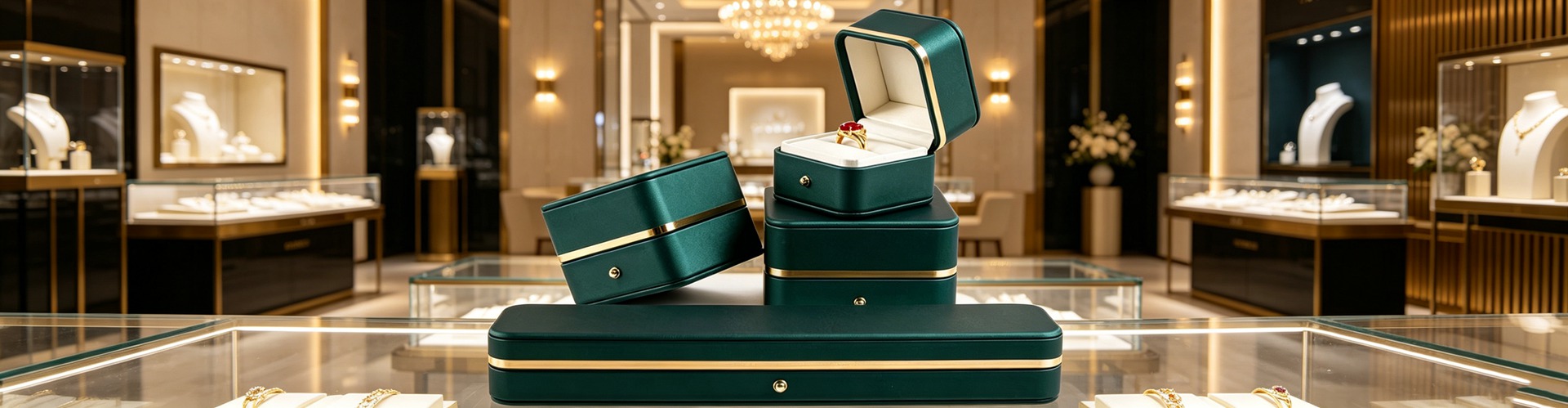
问二:包装真能改变收礼人对礼物本身的评价吗?有实证吗?
有,三十多年前就有经典实验。美国南卫理公会大学市场营销教授 Daniel Howard 1992 年发表于《消费者心理学杂志》的四组实验中,一组让 45 名学生收到同一件礼物,一半装在厂商塑料袋里,一半用蓝白包装纸配同色缎带包好,再以九分量表评价:包装组 7.14 分,未包装组 6.06 分。另一组 60 人的实验里,精心包装第一,只用牛皮纸的次之,不包装垫底。
Howard 的解释是情绪中介:包装反复与生日、节庆绑定,看见它便唤起愉悦,愉悦再正向偏移人对物品的态度。他还发现一个关键细节——当受试者知道礼物不是给自己的,包装与否便没有差别。包装的作用发生在「我收到」这一刻,不在「我看到」这一刻。国内数据方向一致:尚普咨询《2025 年中国珠宝饰品市场洞察报告》调研 1496 位消费者,42% 把品牌定制礼盒列为首选包装形态;带礼盒的单品客单价比裸链高 27%,退货率反低 4.3 个百分点。
问三:送礼场景会提出哪些门店陈列根本不会考虑的要求?
至少五条,条条具体。一是单手可开。求婚、餐桌、车内递出,另一只手往往并不空。铰链阻尼要能让盒盖停在开启位不回弹,磁吸力度要低到单手拇指顶得开——磁力过强在柜台上显高级,那一刻只剩狼狈。二是厚度。西装内袋与小手包都有厚度上限,常规戒指盒会明显鼓起;不少品牌改做扁平或分体款,正因「藏得住」是这个场景的刚需。三是价格痕迹清零。价签、条码、优惠贴纸残留任何一样,都会把礼物拉回交易语境;成熟做法是发票保单另封。四是外层遮蔽。透明手提袋在店里是好事,在送礼路上是剧透;一只不透光、可复用的首饰袋既解决运送,也保住了揭晓的悬念。五是可留存。收礼人带走的不只是珠宝,还有盒子——它会在梳妆台上放很多年,是品牌在别人家里唯一的长期展位,五金与内衬的寿命决定它能撑多久。
问四:为什么在送礼场合,高端简约的珠宝包装设计更容易被青睐?
前三问谈功能,这一问谈社交关系——那正是简约在礼赠场景独有的优势。
第一层是期望管理。2019 年一项针对送礼者与收礼者感知差异的研究给出过反直觉结论:包装越整齐华丽,收礼人对内容物的预期被抬得越高,拆开后一旦落差,满意度反而下降;该效应在亲密朋友间最明显,关系较远者则相反——包装精致更重要。品牌恰恰扮演后一种角色:关系较远、却需要被信任。所以品牌包装必须精致,但不能夸张:精致解决信任,夸张制造落差。层层套叠拆到最后只露出一枚素圈,落差是包装自己造的。
第二层是社交负担。包装越张扬,收礼人越容易读出价格暗示,随之是回礼压力。克制的外形让礼物停留在「心意」层面,而不是「价目表」层面。第三层是成本结构。简约从不是省钱方案——表面没有花纹遮丑,所有容错都交给结构本身:折边歪 0.2 毫米一眼看得出,批次色差摆在一起就是两个颜色。照着极简效果图下单却翻车的品牌,省掉的从来不是花纹,是公差。
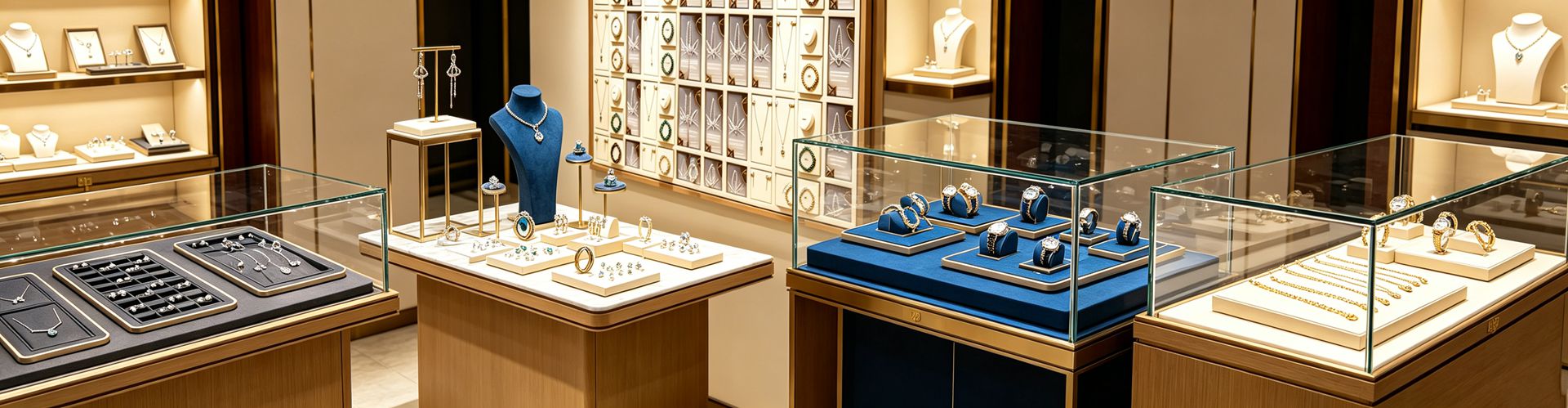
问五:门店要不要为「礼赠」单独做陈列?怎么摆才有用?
值得,这是多数柜台的空白区。理由在节奏:抖音生活服务 2026 年「520」数据显示,节前一周珠宝首饰团购消费同比暴涨 177%;七夕节前十天增幅达 255%,京东同期整体礼品销售较前两周激增 162.8%。礼赠是有明确波峰的生意,波峰来临时,「要不要包一下」不该由顾客先问出口。
做法有三条。其一,让顾客在柜台就看见「包好之后的样子」:多数柜台只陈列珠宝,包装躺在抽屉里;用一处珠宝摆台把盒子、缎带、贺卡与首饰袋做成终态陈列,顾客的决策对象才完整。其二,按场景分组而非按品类分组:求婚、生日、纪念日、伴手礼各占一区——顾客进门说的是「送太太生日」,不是「看一下项链」。其三,把手写贺卡做成固定服务动作:成本几乎为零,却是整套珠宝包装里唯一无法复制的部分,也是收礼人最可能拍下的一处。
问六:预算有限,改造顺序该怎么排?
按「第二次交付」的暴露顺序倒着排,性价比最高。第一步,换一只不透光、可复用、只印一枚干净标识的首饰袋——它是收礼人拆盒前唯一看见的东西,单只成本不过几元到十几元,视觉变化却是全链条最大的。第二步,把价格信息移出盒体,发票与保单另封,零成本,纯流程。第三步,改开合结构:磁力调到单手可开,铰链阻尼调到能停住盖子,必须打实物样反复试。第四步,内衬换色,与主推品类拉开明度差。第五步,才轮到烫金、压凹、缎带等表面工艺。
钱花在结构与流程上的长期回报,高于花在表面上。这也是做惯小批量柔性打样的珠宝盒定制供应商——例如深圳骏依美——常提醒客户的:先想清楚「送出去那一刻会发生什么」,再考虑「拍出来好不好看」。
品牌把盒子交到顾客手里只是上半场。真正的考试,是它被再次递出去的那一刻。
本文为原创内容,版权归深圳骏依美所有,转载请注明出处。
骏依美——让每一件珠宝与腕表,都被更好地呈现。