Three Seconds Decide Who Walks In橱窗三秒决定进店
In a jewelry store, the counter gets endlessly refined. What gets ignored sits on either side of it: the window a customer sees before entering, and the bag they carry out afterwards. Neither is present at the moment of sale, yet one decides whether that sale can happen at all, and the other decides whether it happens again.
Q1: How much time will a passerby actually give your window?
David Landart, director at France's Carlin Group, puts it bluntly: three seconds. Microsoft's 2015 study of more than 2,000 people placed the average human attention span at eight seconds, down from twelve in 2000. Spanish design scholar Joan Costa observed that people typically look at a shop window for eight to ten seconds. These figures do not contradict each other — eight seconds is the ceiling of willingness to look; three seconds is the window for deciding whether to walk in.
Retail vision research breaks that span into three stages. From 0 to 1 second, the display is either caught in peripheral vision or lost, through colour, motion and contrast — the same primal visual system humans use to detect danger. From 1 to 5 seconds comes pre-attentive processing, where the brain applies five triggers to decide whether to keep looking: faces, edges, red-green contrast, blue-yellow contrast, and intensity. Only from 5 to 8 seconds does post-attentive processing begin, when the shopper brings in personal intent, identity and cultural association. One more premise matters: roughly 95% of the purchase decision process happens subconsciously, leaving about 5% to deliberate reasoning. A window is not making an argument. It is competing for that first second of peripheral vision.
Q2: Is a beautiful window enough, and how often should it change?
There is a working rule in retail: once a window display has been up beyond roughly five weeks, it stops contributing to sales. Not because it has become ugly, but because the brain filters out repeated, familiar stimuli. A shopper who sees an unchanged window assumes the stock is unchanged too. What has to change is the narrative, not the position of the props.
The gap between static and dynamic content is measurable. Eye-tracking studies show animated displays capture roughly four times the attention of static posters, holding an average gaze of 8.6 seconds against 2.3 seconds. Retailers running digital windows with regularly refreshed content report footfall up about 24% and sales up around 29.5%, with message retention for animated content reaching 83%. A survey of 500 retail businesses across China, Europe and North America found that after installing high-transmittance display light boxes in windows and in-store, 83% reported a clear lift in store image, with average footfall up 18% and conversion up 15%.
One failure mode recurs constantly. A domestic television outputs only 250 to 350 cd/m². Placed in a sun-facing window it becomes a black rectangle by daylight. Commercial window screens are built to 800–3,500 cd/m² not as spec inflation, but because a shop window competes with the sun by definition.
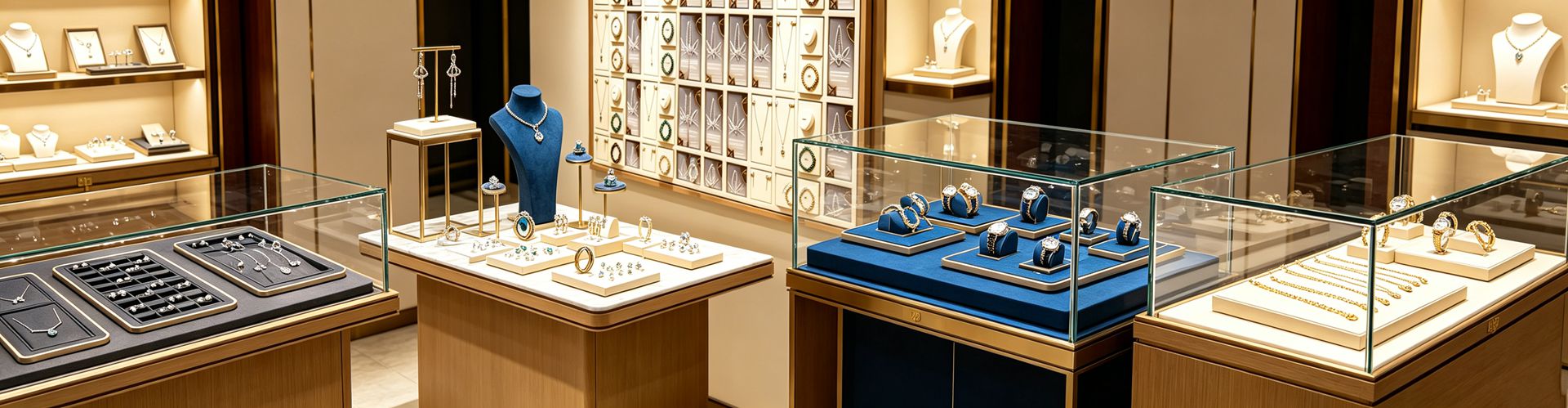
Q3: Footfall is up but sales are not. Where does it break?
When gold prices eased in March 2026, reporters visiting jewelry stores in Guangzhou heard the same line from sales staff: plenty of people looking, few people buying. A window solves entry rate. Closing requires a second round of persuasion inside. One high-end jewelry retail project rebuilt its store environment — custom cases, new lighting, a VIP experience zone, scenario-based windows — and saw average dwell time rise from 4 minutes to 11, fitting conversion climb from 28% to 67%, and monthly sales improve by roughly 38%. Consultants frame the shift plainly: the new store KPI is moving from display area to experience density, meaning how much interaction and memorability each square metre can produce. One brand split trading hours into six mood-based time blocks with lighting and music adjusted to each, and its pilot stores lifted monthly sales 26% while rent-to-sales ratio fell four percentage points.
This also explains what the leaders are doing. Chow Tai Fook posted 15.1% retail value growth in the quarter ended 30 June 2026, with mainland direct same-store sales up 19.6%. Over the same period it closed stores misaligned with brand positioning and opened high-productivity locations in high-traffic districts, taking mainland premium-image stores to twelve. Investment in jewelry display props and space is, functionally, paying for dwell time.
Q4: Why does restrained, minimal high-end packaging tend to win customers over?
Put it back into the three-second frame and it becomes obvious: minimalism is not about showing less, it is about lowering the cost of decoding. In the first five seconds the brain processes only edges, contrast and intensity. An overloaded layout triggers a skip. The same logic governs the counter — a case holding 15 to 20 organised pieces consistently outperforms one crammed with 50-plus, because the crowded case produces cognitive overload. Packaging is the same problem in another form. Negative space, a single focal point, disciplined typography and one clear brand mark let a customer conclude "this is something valuable" in a handful of seconds.
There is a second layer: values signalling. Statista's 2025 data shows 73% of consumers favour brands using sustainable packaging, and Bain's luxury research lists weight and volume reduction alongside sustainable solutions as a top supply-chain priority. Today an over-layered gift box reads easily as money spent on the box. Clean structure with restrained materials — while keeping every protective element intact — reads as money spent on the object. Minimalism looks expensive because it spares the customer both interpretation time and mental load.
Q5: What is a branded jewelry pouch actually worth?
The Advertising Specialty Institute estimates a branded bag generates roughly 5,700 brand impressions across its lifetime, working out to about 1,000 impressions per dollar spent; another dataset puts the average at 5,938. Consumers keep a promotional bag for around 11 months on average, producing some 3,300 impressions in that period, about 15.6 per day. Seventy-three percent of consumers own a custom reusable branded bag. Fifty percent say they are more likely to do business with a company that gave them one. Recipients of a high-quality bag show roughly 34% higher brand recall and 28% higher purchase intent. Unit cost typically runs between $0.59 and $3.00.
Put differently: the window works for three seconds as someone passes the door. The bag works for the better part of a year afterwards — on the subway, in office lobbies, in supermarket aisles, seen by strangers as evidence of what people like them choose. It is the only jewelry display prop in the store that walks out and advertises on its own. That only holds if it earns the right to be carried repeatedly. Handle load, laminate abrasion resistance, creases that do not whiten — a bag whose corners collapse in three days converts 5,700 impressions into 5,700 small deductions.

Q6: On a limited budget, which of the three comes first?
Diagnose where you are stuck. Heavy pedestrian traffic but few people pausing means the problem is the window: fix brightness, focal point and refresh cadence first, since that carries the highest return. Normal entry rate but short dwell and few try-ons means the problem is inside, and the money belongs in lighting, the layering of your jewelry display racks, and controlling in-case density — pushing dwell time from four minutes toward ten. Healthy closing rates but weak repeat business and word of mouth means the gap is packaging and bags, which govern the eleven months after departure.
The macro picture supports that order. In May 2026, retail sales across China's hundred key large retailers fell 3.8% year on year, yet gold, silver and jewelry rose 10.9% against the trend, with the cumulative January–May decline at 1.1%. Demand is still there; traffic is simply more expensive and decisions faster — one customer closed a RMB 90,000 purchase two minutes after walking in. When the judgement window compresses to seconds, the variables a store still controls are the efficiency of being seen and the duration of being remembered. A principle Shenzhen Junyimei works from with brand clients: the window buys you three seconds, the bag buys you three hundred days. Get both ends right, and the counter in between finally earns its keep.
This is original content. Copyright belongs to Shenzhen Junyimei.
Junyimei — present every jewel and timepiece at its best.
珠宝店里被反复打磨的是柜台,最容易被忽略的却是柜台两端——顾客进店前看到的橱窗,和离店后拎走的那只袋子。它们都不在成交现场,却一头决定成交能不能发生,一头决定它会不会再发生。
问一:顾客路过一家珠宝店,到底愿意给橱窗多少时间?
法国 Carlin Group 总监 David Landart 给过一个很不客气的数字:三秒。微软 2015 年那份两千人样本的研究把人类平均注意力跨度定在 8 秒,比 2000 年的 12 秒缩短了三分之一;西班牙设计学者 Joan Costa 在《为眼睛而设计》中的观察是,人看一个橱窗通常停在 8 到 10 秒。两组数字并不矛盾——8 秒是"愿意看"的上限,3 秒是"决定进不进去"的窗口。
零售视觉研究把这段时间拆成三段:0—1 秒是感官捕捉,靠颜色、动态和对比在余光里被发现,调用的是人类辨识危险那套原始视觉;1—5 秒是前注意加工,大脑用面孔、边缘、红绿对比、蓝黄对比、明暗强度这五个触发点决定要不要继续看;5—8 秒才进入后注意加工,顾客开始调用自己的身份与意图。还有个更关键的前提:购买决策约 95% 发生在潜意识层面,只有 5% 属于理性权衡。橱窗不是在讲道理,它是在抢那 0—1 秒的余光。
问二:橱窗做得好看就够了吗?多久该换一次?
行业里有条经验:同一套橱窗超过五周,对销售就基本没有增量了。不是它变丑了,而是大脑会自动过滤重复且熟悉的刺激——顾客看到没变化的橱窗,会默认"货也没换"。所以换的必须是叙事,不是把道具挪个位置。
差距很直观。眼动追踪研究显示,动态画面获得的注意力约为静态海报的 4 倍,行人平均注视 8.6 秒对 2.3 秒;采用定期更新内容的数字橱窗,客流平均提升 24%、销售额提升约 29.5%,信息留存率达 83%。一项覆盖中、欧、北美 500 家零售企业的调研也显示,在橱窗与店内使用高透光展示灯箱后,83% 认为门店形象明显改善,客流增长 18%、转化率提升 15%。
但有个高频翻车点:家用电视亮度只有 250—350 cd/m²,装进朝阳的橱窗,白天等于一块黑板;商用橱窗屏做到 800—3500 cd/m² 不是参数虚标,而是橱窗天生要和太阳竞争。
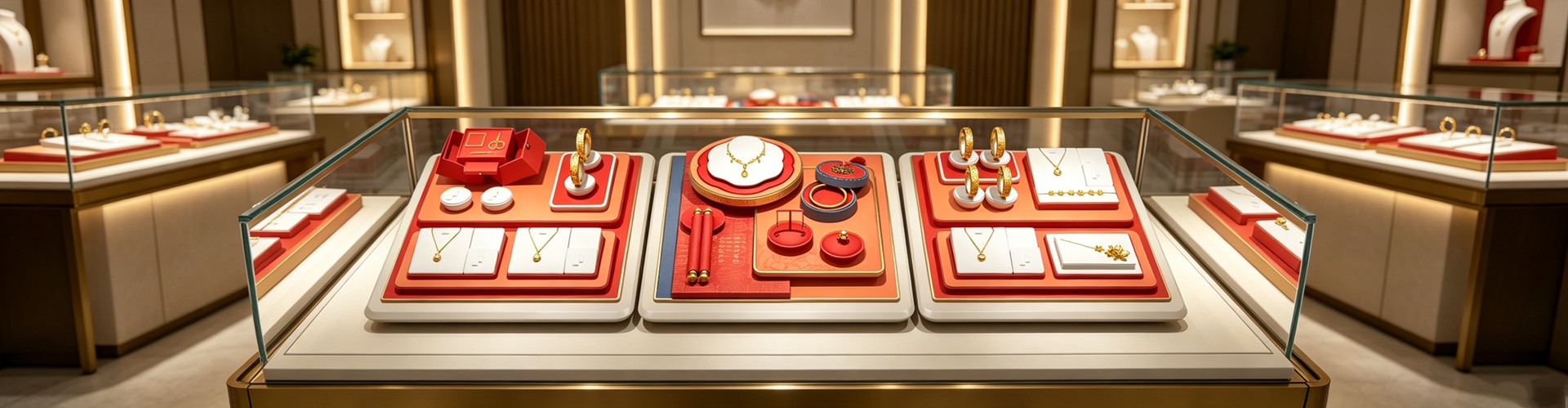
问三:客流上来了,成交却没跟上,问题出在哪?
2026 年 3 月金价回落时,记者走访广州多家金店,销售人员的原话是"看的人多、买的人少"。橱窗解决的是进店率,成交靠店内的第二轮说服。某高端珠宝零售项目系统升级展陈后(定制展柜、重做灯光、VIP 体验区、场景化橱窗),顾客平均停留从 4 分钟拉到 11 分钟,试戴转化率从 28% 升到 67%,月销约提升 38%。咨询机构的判断更直白:门店新 KPI 正从"陈列面积"转向"体验密度"。有品牌把营业时间切成六个情绪时段、动态调整灯光与音乐,试点三个月单店月销提升 26%,租金占比下降 4 个百分点。
这也解释了头部品牌的动作。周大福截至 2026 年 6 月 30 日的季度整体零售值同比增长 15.1%,内地直营同店增长 19.6%,同期它在关闭与定位不符的店铺、在高客流地段开高产能门店,内地高端形象门店增至 12 间。珠宝陈列道具与空间投入,本质上是在为"停留时长"付费。
问四:为什么高端简约的珠宝包装设计,反而更容易被顾客青睐?
放回三秒逻辑就很清楚:简约不是少放东西,是降低解码成本。大脑在前五秒只处理边缘、对比、强度这类基础信号,信息过载的版面会直接触发跳过;柜内陈列同理,15—20 件有组织的陈列,转化与客单稳定优于塞满 50 件以上的柜台,后者制造的是认知过载。包装是同一道题的另一种考法——留白、单一焦点、克制的字体和一处清晰的品牌记号,让顾客几秒内完成"这是个贵重东西"的判断。
另一层是价值观信号。Statista 2025 年数据显示,73% 的消费者更倾向选择使用环保包装的品牌;贝恩的奢侈品研究也把减重减容与可持续方案列为供应链首要优先级。过度堆叠的多层礼盒今天很容易被读成"钱花在盒子上",而结构干净、用料克制但保护结构一样不少的包装,传递的是"钱花在东西上"。简约之所以显贵,是因为它同时省掉了顾客的解读时间和心理负担。
问五:一只印着品牌的首饰袋,到底值多少钱?
广告特殊品协会(ASI)的测算是:一只品牌手袋在其生命周期内平均产生约 5,700 次品牌曝光,折算下来每投入 1 美元约带来 1,000 次曝光;另一组统计给出 5,938 次的均值。消费者平均会保留促销手袋约 11 个月,期间产生约 3,300 次曝光,日均约 15.6 次。73% 的消费者拥有品牌定制可重复使用袋;50% 的消费者表示更愿意与送过袋子的品牌做生意;收到高质量手袋的顾客,品牌回忆度高出约 34%,购买意向高出约 28%。而单只成本区间大致在 0.59—3.00 美元。
换句话说,橱窗只在顾客经过门口的三秒里工作,袋子却在接下来近一年持续工作——在地铁上、写字楼里、超市货架前,被陌生人当作"同类的选择"看见。这是全店唯一一件会自己走出去做广告的珠宝陈列道具。前提是它配得上被反复拎出门:提绳承重、覆膜耐磨、折痕不发白。一只三天就塌角的袋子,只会把 5,700 次曝光变成 5,700 次减分。
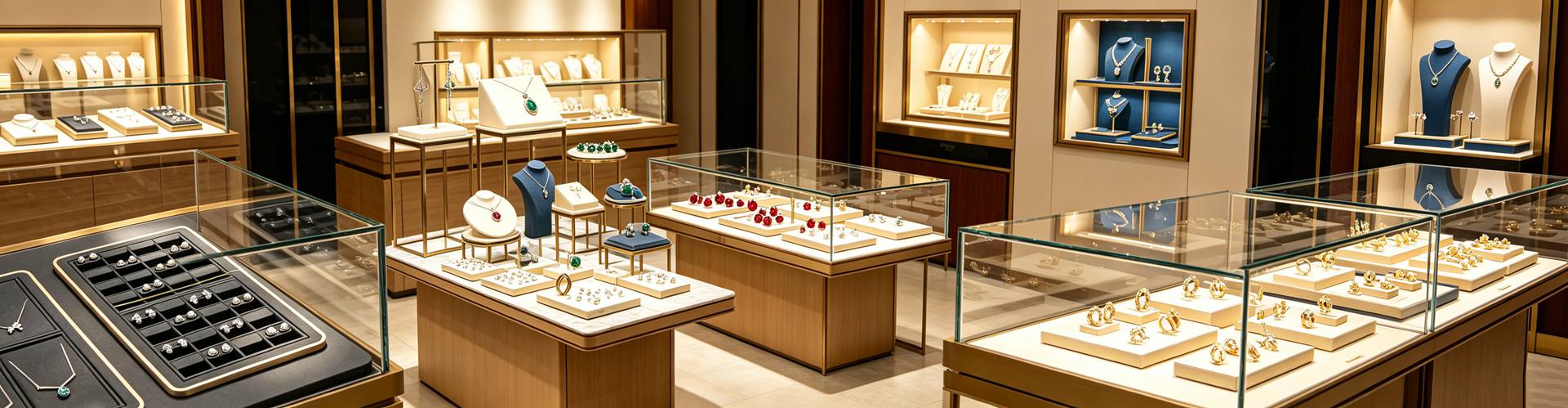
问六:预算有限,这三件事应该先做哪一件?
先看清卡在哪个环节。门口客流不少却很少有人停步,问题在橱窗,先解决亮度、焦点和更换频率,这是投入产出比最高的一项。进店率正常但停留短、试戴少,问题在店内,钱该花在灯光、珠宝展示架的层次和柜内密度控制上,把停留从 4 分钟往 10 分钟推。成交正常但复购和口碑起不来,就该补包装与袋子这一段,它管的是离店之后那 11 个月。
大盘也支持这个排序。2026 年 5 月全国百家重点大型零售企业零售额同比下降 3.8%,其中金银珠宝类却逆势增长 10.9%;1—5 月累计降幅 1.1%。需求还在,只是流量更贵、决策更快——有顾客到店两分钟就下了九万元的单。当判断窗口被压缩到以秒计,门店能控制的变量只剩"被看见的效率"和"被记住的时长"。深圳骏依美在服务品牌客户时的一个共识是:橱窗争取的是三秒,袋子争取的是三百天,两端都补齐,中间的柜台才不算白摆。
本文为原创内容,版权归深圳骏依美所有,转载请注明出处。
骏依美——让每一件珠宝与腕表,都被更好地呈现。