The Pearl Comeback: How to Tell Saltwater from Freshwater and Display Them Right珍珠回潮:海水珠淡水珠怎么分、怎么摆
Pearls are truly back. For years they felt like an older generation's accessory; today young women buy pearls as eagerly as K-gold. What customers ask most isn't "how much" but "is it saltwater or freshwater" and "will it dull over time". Fair questions — if the counter can't answer them, shoppers go compare prices online.
First, how to tell them apart. The quickest difference is luster and shape. Saltwater pearls — Akoya, for instance — have a mirror-like glow; as you rotate them, light visibly flows across the surface, often with pink, green and blue overtones. Freshwater pearls can be bright too, but their rounds are rarely as regular. For daily wear, 6-9mm is the sweet spot: small enough to feel modern, large enough to matter. One rule to memorize: judge luster first, shape second — luster is the soul of a pearl.
A warning about a real industry problem: bright freshwater pearls passed off as saltwater. Some sellers polish and brighten freshwater pearls, raise the price, and the glow dims within months; the complaint lands on the counter. Real saltwater luster comes from within, flowing as the pearl turns; polished freshwater looks white and flat on the surface. Teach staff that one sentence and it settles disputes.
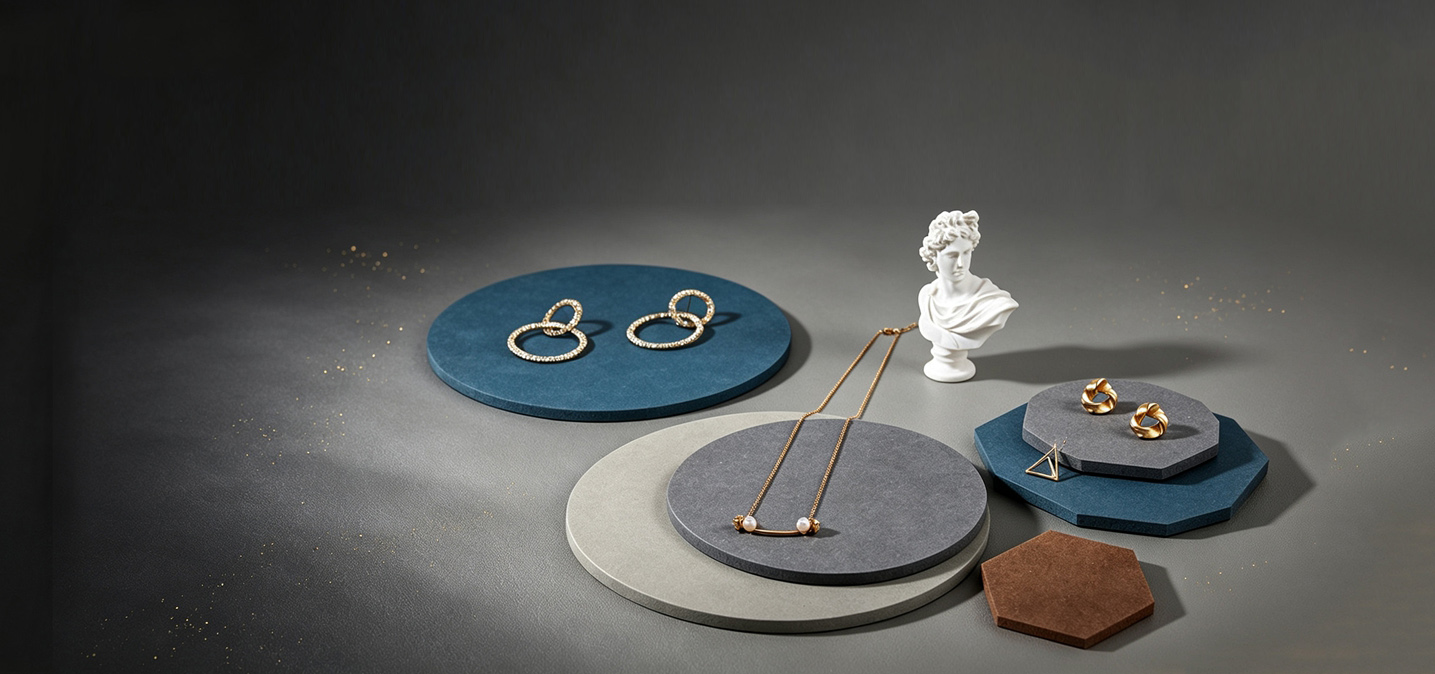 Display matters too. Pearls fear sweat, oil and stuffiness. Sweaty hands dull the surface — not an exaggeration: pearls have micro-pores; sweat and cosmetics seep in and the glow fades slowly. Three display rules: velvet-lined trays so pearls don't press on hard surfaces; no prolonged strong light on the showcase; separate slots so strands never rub each other. After a try-on, a quick soft-cloth wipe before storing saves endless after-sales.
In our pearl zone we use velvet compartment trays, one strand per slot, soft base, neutral white light that flatters the mirror sheen; soft cloths sit by the register so staff can wipe strands at checkout. Customers feel cared for, stones stay healthy — a win-win.
The pearl revival is real, but riding a trend takes counter professionalism. A store that explains saltwater vs freshwater and care routines honestly earns customers for life.
As for price, it's actually easy to explain. At the same bead size, better luster, rounder shape and fewer blemishes can multiply the price several times. At the counter, start with "where the luster comes from", then size and roundness — customers feel you're teaching them to pick, not pushing a sale, and trust is completely different. Be honest about tiers: around a thousand buys a decent freshwater strand; saltwater usually starts at several thousand. Don't inflate the grade to close the sale — when customers compare later, you lose more than one order.
Display matters too. Pearls fear sweat, oil and stuffiness. Sweaty hands dull the surface — not an exaggeration: pearls have micro-pores; sweat and cosmetics seep in and the glow fades slowly. Three display rules: velvet-lined trays so pearls don't press on hard surfaces; no prolonged strong light on the showcase; separate slots so strands never rub each other. After a try-on, a quick soft-cloth wipe before storing saves endless after-sales.
In our pearl zone we use velvet compartment trays, one strand per slot, soft base, neutral white light that flatters the mirror sheen; soft cloths sit by the register so staff can wipe strands at checkout. Customers feel cared for, stones stay healthy — a win-win.
The pearl revival is real, but riding a trend takes counter professionalism. A store that explains saltwater vs freshwater and care routines honestly earns customers for life.
As for price, it's actually easy to explain. At the same bead size, better luster, rounder shape and fewer blemishes can multiply the price several times. At the counter, start with "where the luster comes from", then size and roundness — customers feel you're teaching them to pick, not pushing a sale, and trust is completely different. Be honest about tiers: around a thousand buys a decent freshwater strand; saltwater usually starts at several thousand. Don't inflate the grade to close the sale — when customers compare later, you lose more than one order.
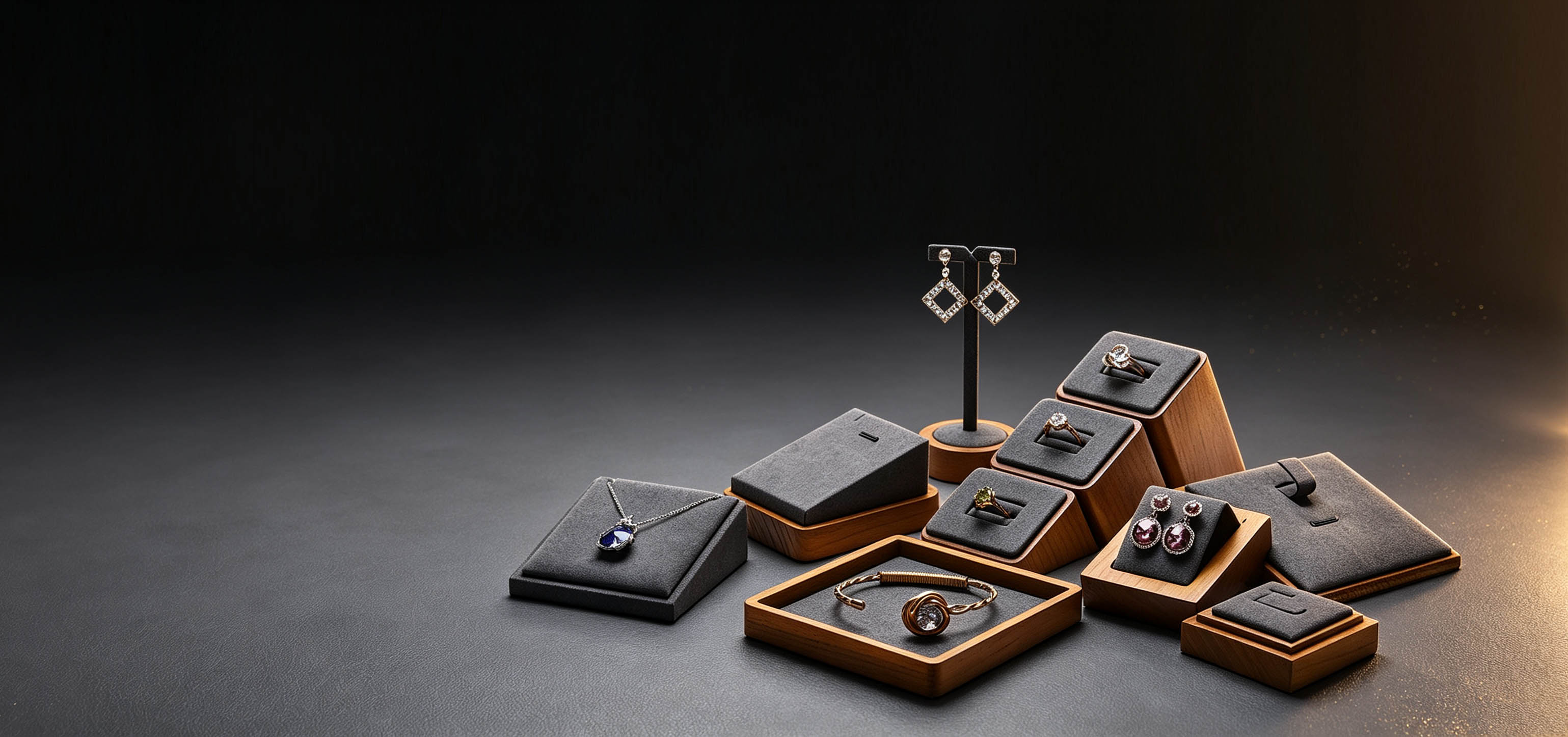 Care routines can follow the seasons: sweaty summers, keep one line ready — "take it off when you sweat, wipe it dry at home"; dry winters, remind customers to keep pearls away from radiators and humidifier mist. Pearls fear both dryness and dampness; explain that and you sound professional and grounded, and repeat customers follow.珍珠这两年是真的回来了。以前大家觉得珍珠是老一辈的配饰,现在倒过来,年轻姑娘买珍珠比买K金还积极。我们观察下来,客人问得最多的不是"这串多少钱",而是"这是海水珠还是淡水珠""戴久了会不会变暗"。问题很实在,柜台要是讲不清楚,客人转头就去线上比价了。
先讲怎么分。海水珠和淡水珠最直观的区别在光泽和珠形。海水珍珠(比如大家常听说的Akoya)镜面感强,转动时能看到清晰的光影流动,还会透出粉、青、绿三色伴彩;淡水珍珠里高品质的也亮,但珠形大多不如海水珠那么规整。日常佩戴最舒服的珠径在6到9毫米,这个区间既不会小得没存在感,也不会大得显老气。记住一句话:先看光泽再看珠形,光泽是珍珠的灵魂。
这里有个行业乱象必须提醒:强光淡水珠冒充海水珠。一些商家把淡水珠抛光加亮,标高价卖,客人拿回家戴几个月光泽就暗了,回头找麻烦的还是柜台。真海水珠的光泽是"从里透出来"的,转动有流动感;普通强光淡水珠的光浮在表面,发白发愣。这个区别教给店员,一句话就能堵住纠纷。
再讲怎么摆。珍珠最怕汗、油和闷。"汗手一摸,光泽减一半"这话不夸张——珍珠表面有微孔,汗液和化妆品渗进去,珠光会慢慢变哑。柜台展示注意三件事:一是托盘垫绒面,别让珠子直接压硬面;二是展示柜别长时间强光直射,卖场灯热,一晒一下午,珠层容易发干;三是分格收纳,串链避免互相摩擦刮花。客人试戴完顺手用软布擦一下再放回,这个小动作能替店里省下无数售后。
我们柜台珍珠区配的是绒面分格托盘,一格一串,串与串不接触,底下垫软布;灯光用中性白光,珍珠的镜面感最出彩;收银台边上备了几块软布,导购结账时顺手帮客人把珠子擦一遍,客人觉得贴心,珠子也保养住了,一举两得。
珍珠回潮是实实在在的趋势,但趋势要接得住,靠的是柜台的专业。能把海水珠淡水珠讲明白、把保养说清楚的店,客人从此买珍珠只认你一家。
再说价格,其实很好懂。同样的珠径,光泽越好、珠形越正、瑕疵越少,价差可以拉到几倍。柜台介绍时先讲"光泽从哪来",再讲大小和圆度,客人会觉得你在教她挑货,而不是急着卖货,信任感完全不同。价位上也要实事求是:一千多能买到不错的淡水珠链,海水珠链通常要上到几千,别为了让客人下单把档次拔高,客人回去一对比,丢的不止这一单。
养护上按季节来也讲得清:夏天汗多,柜台上备一句"出汗就摘、回家擦干";秋冬干燥,提醒客人别让珍珠靠近暖气片和加湿器直喷。珍珠怕干也怕潮,这个道理说给客人听,显得专业又实在,回头客自然多。
Care routines can follow the seasons: sweaty summers, keep one line ready — "take it off when you sweat, wipe it dry at home"; dry winters, remind customers to keep pearls away from radiators and humidifier mist. Pearls fear both dryness and dampness; explain that and you sound professional and grounded, and repeat customers follow.珍珠这两年是真的回来了。以前大家觉得珍珠是老一辈的配饰,现在倒过来,年轻姑娘买珍珠比买K金还积极。我们观察下来,客人问得最多的不是"这串多少钱",而是"这是海水珠还是淡水珠""戴久了会不会变暗"。问题很实在,柜台要是讲不清楚,客人转头就去线上比价了。
先讲怎么分。海水珠和淡水珠最直观的区别在光泽和珠形。海水珍珠(比如大家常听说的Akoya)镜面感强,转动时能看到清晰的光影流动,还会透出粉、青、绿三色伴彩;淡水珍珠里高品质的也亮,但珠形大多不如海水珠那么规整。日常佩戴最舒服的珠径在6到9毫米,这个区间既不会小得没存在感,也不会大得显老气。记住一句话:先看光泽再看珠形,光泽是珍珠的灵魂。
这里有个行业乱象必须提醒:强光淡水珠冒充海水珠。一些商家把淡水珠抛光加亮,标高价卖,客人拿回家戴几个月光泽就暗了,回头找麻烦的还是柜台。真海水珠的光泽是"从里透出来"的,转动有流动感;普通强光淡水珠的光浮在表面,发白发愣。这个区别教给店员,一句话就能堵住纠纷。
再讲怎么摆。珍珠最怕汗、油和闷。"汗手一摸,光泽减一半"这话不夸张——珍珠表面有微孔,汗液和化妆品渗进去,珠光会慢慢变哑。柜台展示注意三件事:一是托盘垫绒面,别让珠子直接压硬面;二是展示柜别长时间强光直射,卖场灯热,一晒一下午,珠层容易发干;三是分格收纳,串链避免互相摩擦刮花。客人试戴完顺手用软布擦一下再放回,这个小动作能替店里省下无数售后。
我们柜台珍珠区配的是绒面分格托盘,一格一串,串与串不接触,底下垫软布;灯光用中性白光,珍珠的镜面感最出彩;收银台边上备了几块软布,导购结账时顺手帮客人把珠子擦一遍,客人觉得贴心,珠子也保养住了,一举两得。
珍珠回潮是实实在在的趋势,但趋势要接得住,靠的是柜台的专业。能把海水珠淡水珠讲明白、把保养说清楚的店,客人从此买珍珠只认你一家。
再说价格,其实很好懂。同样的珠径,光泽越好、珠形越正、瑕疵越少,价差可以拉到几倍。柜台介绍时先讲"光泽从哪来",再讲大小和圆度,客人会觉得你在教她挑货,而不是急着卖货,信任感完全不同。价位上也要实事求是:一千多能买到不错的淡水珠链,海水珠链通常要上到几千,别为了让客人下单把档次拔高,客人回去一对比,丢的不止这一单。
养护上按季节来也讲得清:夏天汗多,柜台上备一句"出汗就摘、回家擦干";秋冬干燥,提醒客人别让珍珠靠近暖气片和加湿器直喷。珍珠怕干也怕潮,这个道理说给客人听,显得专业又实在,回头客自然多。
Display matters too. Pearls fear sweat, oil and stuffiness. Sweaty hands dull the surface — not an exaggeration: pearls have micro-pores; sweat and cosmetics seep in and the glow fades slowly. Three display rules: velvet-lined trays so pearls don't press on hard surfaces; no prolonged strong light on the showcase; separate slots so strands never rub each other. After a try-on, a quick soft-cloth wipe before storing saves endless after-sales.
In our pearl zone we use velvet compartment trays, one strand per slot, soft base, neutral white light that flatters the mirror sheen; soft cloths sit by the register so staff can wipe strands at checkout. Customers feel cared for, stones stay healthy — a win-win.
The pearl revival is real, but riding a trend takes counter professionalism. A store that explains saltwater vs freshwater and care routines honestly earns customers for life.
As for price, it's actually easy to explain. At the same bead size, better luster, rounder shape and fewer blemishes can multiply the price several times. At the counter, start with "where the luster comes from", then size and roundness — customers feel you're teaching them to pick, not pushing a sale, and trust is completely different. Be honest about tiers: around a thousand buys a decent freshwater strand; saltwater usually starts at several thousand. Don't inflate the grade to close the sale — when customers compare later, you lose more than one order.
Care routines can follow the seasons: sweaty summers, keep one line ready — "take it off when you sweat, wipe it dry at home"; dry winters, remind customers to keep pearls away from radiators and humidifier mist. Pearls fear both dryness and dampness; explain that and you sound professional and grounded, and repeat customers follow.珍珠这两年是真的回来了。以前大家觉得珍珠是老一辈的配饰,现在倒过来,年轻姑娘买珍珠比买K金还积极。我们观察下来,客人问得最多的不是"这串多少钱",而是"这是海水珠还是淡水珠""戴久了会不会变暗"。问题很实在,柜台要是讲不清楚,客人转头就去线上比价了。
先讲怎么分。海水珠和淡水珠最直观的区别在光泽和珠形。海水珍珠(比如大家常听说的Akoya)镜面感强,转动时能看到清晰的光影流动,还会透出粉、青、绿三色伴彩;淡水珍珠里高品质的也亮,但珠形大多不如海水珠那么规整。日常佩戴最舒服的珠径在6到9毫米,这个区间既不会小得没存在感,也不会大得显老气。记住一句话:先看光泽再看珠形,光泽是珍珠的灵魂。
这里有个行业乱象必须提醒:强光淡水珠冒充海水珠。一些商家把淡水珠抛光加亮,标高价卖,客人拿回家戴几个月光泽就暗了,回头找麻烦的还是柜台。真海水珠的光泽是"从里透出来"的,转动有流动感;普通强光淡水珠的光浮在表面,发白发愣。这个区别教给店员,一句话就能堵住纠纷。
再讲怎么摆。珍珠最怕汗、油和闷。"汗手一摸,光泽减一半"这话不夸张——珍珠表面有微孔,汗液和化妆品渗进去,珠光会慢慢变哑。柜台展示注意三件事:一是托盘垫绒面,别让珠子直接压硬面;二是展示柜别长时间强光直射,卖场灯热,一晒一下午,珠层容易发干;三是分格收纳,串链避免互相摩擦刮花。客人试戴完顺手用软布擦一下再放回,这个小动作能替店里省下无数售后。
我们柜台珍珠区配的是绒面分格托盘,一格一串,串与串不接触,底下垫软布;灯光用中性白光,珍珠的镜面感最出彩;收银台边上备了几块软布,导购结账时顺手帮客人把珠子擦一遍,客人觉得贴心,珠子也保养住了,一举两得。
珍珠回潮是实实在在的趋势,但趋势要接得住,靠的是柜台的专业。能把海水珠淡水珠讲明白、把保养说清楚的店,客人从此买珍珠只认你一家。
再说价格,其实很好懂。同样的珠径,光泽越好、珠形越正、瑕疵越少,价差可以拉到几倍。柜台介绍时先讲"光泽从哪来",再讲大小和圆度,客人会觉得你在教她挑货,而不是急着卖货,信任感完全不同。价位上也要实事求是:一千多能买到不错的淡水珠链,海水珠链通常要上到几千,别为了让客人下单把档次拔高,客人回去一对比,丢的不止这一单。
养护上按季节来也讲得清:夏天汗多,柜台上备一句"出汗就摘、回家擦干";秋冬干燥,提醒客人别让珍珠靠近暖气片和加湿器直喷。珍珠怕干也怕潮,这个道理说给客人听,显得专业又实在,回头客自然多。