Why a Cleaner Try-on Zone Makes Customers Stay Longer试戴区为什么越干净,客人越愿意留下来
The try-on zone is where the fastest sales happen in a store, and it is also the most neglected. In many shops, the mirror area is stacked with trays, lens cloths, and price tags — a customer wanting to try a necklace first has to clear away the clutter, and half the enthusiasm is gone by the time they do.
The first rule of a try-on zone is empty. The surface should hold only three things: a good mirror, a clean velvet pad, and a fixed spot for returning trays. The velvet pad should be big enough to support a whole forearm, so trying on bracelets or watch straps never touches glass or the countertop directly. The mirror should be angled so a customer can see the full look by simply lowering their head, without twisting around to find an angle.
The second rule is clean. Change and shake out the velvet pad daily — loose fibers, flakes, and oily sheen all cheapen the experience. Replace the pad when it turns pale; do not be stingy here. A worn-out pad makes your whole display feel stale.
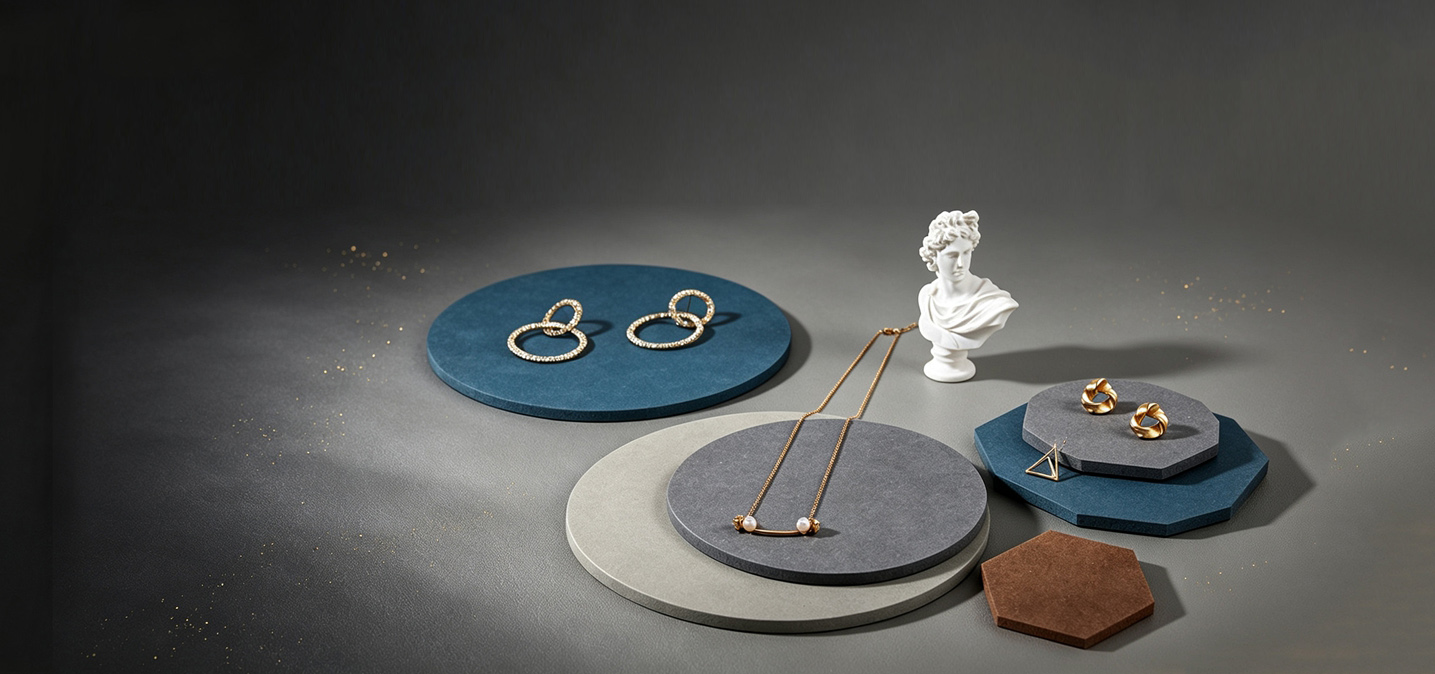 The third rule is within reach. The tray should sit where the customer can reach it, not where the staff finds it convenient. When a customer can return a piece to its spot on their own, the store feels orderly and easy to browse. If they have to hand everything back to staff, a few rounds of that and they start to feel awkward.
Lesson learned: for a while we used the try-on zone as a storage corner, piling restock boxes and the day's tally sheets beside it. Customers could not free up surface space, and some gave up mid-try. After we stripped it down to three items and the surface could be wiped clean in a minute, people lingered visibly longer and the try-on rate went up.
The try-on zone is the store's window of trust. A clean surface says more than any our-goods-are-trustworthy pitch. Pad, mirror, and tray — set up these three, and customers feel comfortable the moment they sit down; the purchase follows naturally.
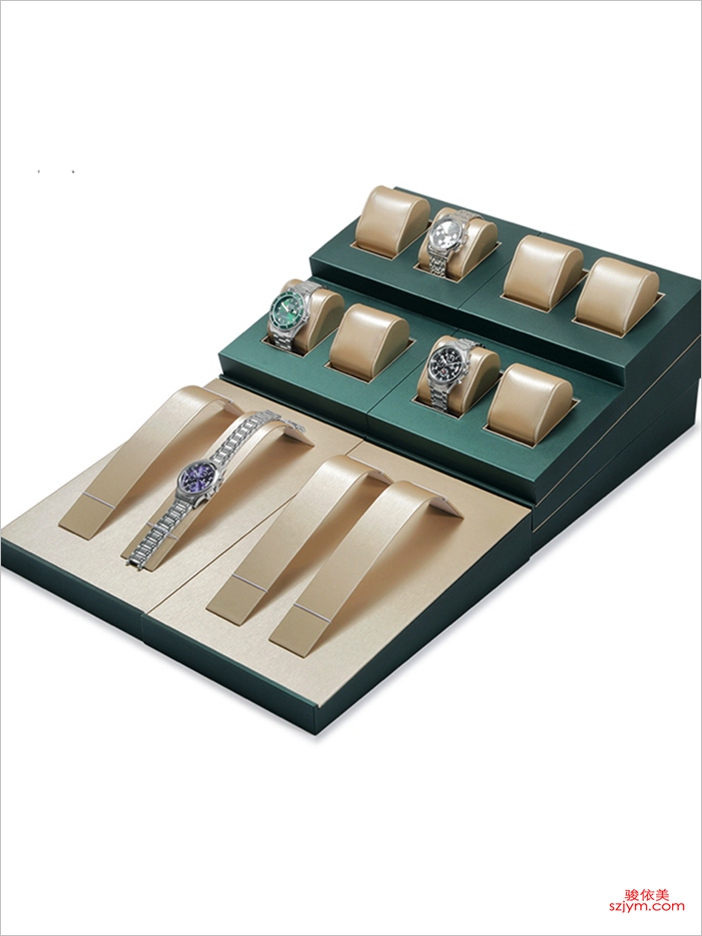
The SH46 fine-grid module can serve as a temporary small tray in the try-on zone, the TP41 multi-cell tray suits collecting small pieces during try-ons, and for the pad, go with a thick, high-density velvet — durable, easy to maintain, and soft to the touch.
The third rule is within reach. The tray should sit where the customer can reach it, not where the staff finds it convenient. When a customer can return a piece to its spot on their own, the store feels orderly and easy to browse. If they have to hand everything back to staff, a few rounds of that and they start to feel awkward.
Lesson learned: for a while we used the try-on zone as a storage corner, piling restock boxes and the day's tally sheets beside it. Customers could not free up surface space, and some gave up mid-try. After we stripped it down to three items and the surface could be wiped clean in a minute, people lingered visibly longer and the try-on rate went up.
The try-on zone is the store's window of trust. A clean surface says more than any our-goods-are-trustworthy pitch. Pad, mirror, and tray — set up these three, and customers feel comfortable the moment they sit down; the purchase follows naturally.
The SH46 fine-grid module can serve as a temporary small tray in the try-on zone, the TP41 multi-cell tray suits collecting small pieces during try-ons, and for the pad, go with a thick, high-density velvet — durable, easy to maintain, and soft to the touch.
 Treat the try-on zone as your storefront, and customers will naturally want to stay longer.试戴区是店里成交最快的地方,也是最容易被忽视的地方。很多店的试戴区,镜子前堆着托盘、眼镜布、价签,客人想试一条项链,先要把柜台上的杂物挪开——这一挪,兴致就去了大半。
试戴区的第一原则是「空」。台面上只留三样:一面好用的镜子、一块干净的绒垫、一个放回托盘的固定位。绒垫要大,够垫住整个前臂,试手镯、试表带都不会直接磕到玻璃或台面;镜子要立在正确的角度,让客人低头就能看到全貌,不用侧着身子找角度。
第二原则是「净」。绒垫天天换、天天拍,上面的碎毛、皮屑、油光都是试戴体验的减分项。绒垫发白了就换新的,别舍不得——一块发旧的绒垫,会让客人觉得你店里的货也不够新鲜。
第三个原则是「顺手」。托盘要放在客人顺手的地方,不是放在导购顺手的地方。客人试完一件,能自己放回原位,就会觉得这家店有秩序、好逛;如果每次都要导购伸手接,来回几个回合客人反而觉得别扭。
翻车经验:有阵子我们把试戴区当成了仓库,补货的盒子、当天的盘点单都堆在边上。客人来试戴,台面挪不出位置,有人试到一半就放弃了。后来只留三样东西,台面一分钟能擦干净,客人在试戴区停留的时间明显长了,连带试戴率都上去了。
试戴区是店里的「信任窗口」。一个干净的台面,胜过任何一句「我们家的货你放心」。绒垫、镜子、托盘,三样配齐,客人坐下就舒服,买单就是顺理成章的事。
SH46 细分格模块可以当试戴区的临时小托盘,TP41 多格托盘适合收纳试戴中的小件,绒垫则建议用厚绒高密款,耐脏、好打理、触感也软。
把试戴区当门面来打理,客人自然愿意多留一会儿。
Treat the try-on zone as your storefront, and customers will naturally want to stay longer.试戴区是店里成交最快的地方,也是最容易被忽视的地方。很多店的试戴区,镜子前堆着托盘、眼镜布、价签,客人想试一条项链,先要把柜台上的杂物挪开——这一挪,兴致就去了大半。
试戴区的第一原则是「空」。台面上只留三样:一面好用的镜子、一块干净的绒垫、一个放回托盘的固定位。绒垫要大,够垫住整个前臂,试手镯、试表带都不会直接磕到玻璃或台面;镜子要立在正确的角度,让客人低头就能看到全貌,不用侧着身子找角度。
第二原则是「净」。绒垫天天换、天天拍,上面的碎毛、皮屑、油光都是试戴体验的减分项。绒垫发白了就换新的,别舍不得——一块发旧的绒垫,会让客人觉得你店里的货也不够新鲜。
第三个原则是「顺手」。托盘要放在客人顺手的地方,不是放在导购顺手的地方。客人试完一件,能自己放回原位,就会觉得这家店有秩序、好逛;如果每次都要导购伸手接,来回几个回合客人反而觉得别扭。
翻车经验:有阵子我们把试戴区当成了仓库,补货的盒子、当天的盘点单都堆在边上。客人来试戴,台面挪不出位置,有人试到一半就放弃了。后来只留三样东西,台面一分钟能擦干净,客人在试戴区停留的时间明显长了,连带试戴率都上去了。
试戴区是店里的「信任窗口」。一个干净的台面,胜过任何一句「我们家的货你放心」。绒垫、镜子、托盘,三样配齐,客人坐下就舒服,买单就是顺理成章的事。
SH46 细分格模块可以当试戴区的临时小托盘,TP41 多格托盘适合收纳试戴中的小件,绒垫则建议用厚绒高密款,耐脏、好打理、触感也软。
把试戴区当门面来打理,客人自然愿意多留一会儿。
The third rule is within reach. The tray should sit where the customer can reach it, not where the staff finds it convenient. When a customer can return a piece to its spot on their own, the store feels orderly and easy to browse. If they have to hand everything back to staff, a few rounds of that and they start to feel awkward.
Lesson learned: for a while we used the try-on zone as a storage corner, piling restock boxes and the day's tally sheets beside it. Customers could not free up surface space, and some gave up mid-try. After we stripped it down to three items and the surface could be wiped clean in a minute, people lingered visibly longer and the try-on rate went up.
The try-on zone is the store's window of trust. A clean surface says more than any our-goods-are-trustworthy pitch. Pad, mirror, and tray — set up these three, and customers feel comfortable the moment they sit down; the purchase follows naturally.
The SH46 fine-grid module can serve as a temporary small tray in the try-on zone, the TP41 multi-cell tray suits collecting small pieces during try-ons, and for the pad, go with a thick, high-density velvet — durable, easy to maintain, and soft to the touch.
Treat the try-on zone as your storefront, and customers will naturally want to stay longer.试戴区是店里成交最快的地方,也是最容易被忽视的地方。很多店的试戴区,镜子前堆着托盘、眼镜布、价签,客人想试一条项链,先要把柜台上的杂物挪开——这一挪,兴致就去了大半。
试戴区的第一原则是「空」。台面上只留三样:一面好用的镜子、一块干净的绒垫、一个放回托盘的固定位。绒垫要大,够垫住整个前臂,试手镯、试表带都不会直接磕到玻璃或台面;镜子要立在正确的角度,让客人低头就能看到全貌,不用侧着身子找角度。
第二原则是「净」。绒垫天天换、天天拍,上面的碎毛、皮屑、油光都是试戴体验的减分项。绒垫发白了就换新的,别舍不得——一块发旧的绒垫,会让客人觉得你店里的货也不够新鲜。
第三个原则是「顺手」。托盘要放在客人顺手的地方,不是放在导购顺手的地方。客人试完一件,能自己放回原位,就会觉得这家店有秩序、好逛;如果每次都要导购伸手接,来回几个回合客人反而觉得别扭。
翻车经验:有阵子我们把试戴区当成了仓库,补货的盒子、当天的盘点单都堆在边上。客人来试戴,台面挪不出位置,有人试到一半就放弃了。后来只留三样东西,台面一分钟能擦干净,客人在试戴区停留的时间明显长了,连带试戴率都上去了。
试戴区是店里的「信任窗口」。一个干净的台面,胜过任何一句「我们家的货你放心」。绒垫、镜子、托盘,三样配齐,客人坐下就舒服,买单就是顺理成章的事。
SH46 细分格模块可以当试戴区的临时小托盘,TP41 多格托盘适合收纳试戴中的小件,绒垫则建议用厚绒高密款,耐脏、好打理、触感也软。
把试戴区当门面来打理,客人自然愿意多留一会儿。