The Arched Lid of a Green Leather Jewelry Box墨绿皮盒,拱形开合靠什么
Green paired with champagne gold is one of the most restful colour pairings on the counter these past two years. Take lbobo's green jewelry box SH6: a leather-grained outer skin, a champagne-gold rim pressed along the edge, a velvet lining inside, an arched lid, and a metal nameplate set into the front. It reads as restrained, but making it is fussy.
That leather grain on the outside isn't real leather; it's embossed PU. The depth of the emboss decides the feel — too shallow and it looks like plastic, too deep and it traps dust. In our check we run a fingernail across it; only grain that springs back passes. The green is picky too: lean blue and it looks cold, lean yellow and it looks tired. Most factories make a small sample and confirm it under daylight with the client rather than in a lightbox, because a lightbox lies.
The champagne-gold rim is applied, not born there. The strip is extruded aluminium or ABS with a champagne-gold plating or spray, then glued to the lid edge. The corners are where it goes wrong — straight edges are easy, but the four corners need a 45-degree mitre, and a misalignment leaves a black gap or a doubled, bulging seam. Good work routs a channel first and then inlays the strip so it sits flush with the skin and runs smooth under the thumb.
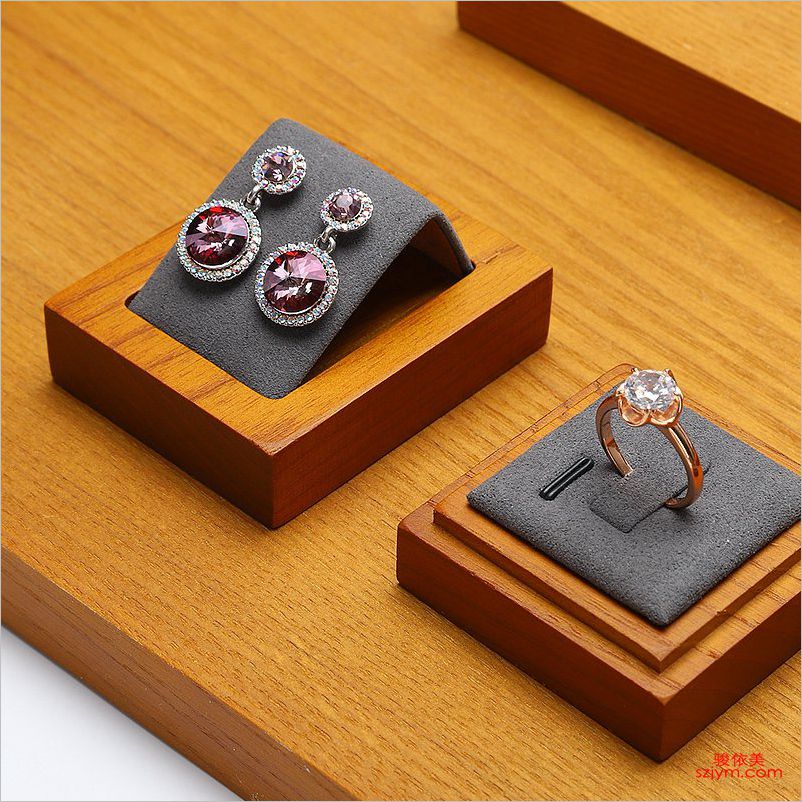 The arched lid is the backbone of the box. An arch wastes more material than a flat lid, the mould has to hold a curve, and the hinge has to bend with it. Most use a fine hinge or cloth tape; cloth tape is cheap but loosens over time, and the lid then tips forward when closed. We lean toward a fine metal hinge rated for tens of thousands of openings, at the cost of a higher price. Inside the lid edge runs a strip of foam or velvet that, once shut, presses the jewelry still and hides the seam tolerance.
The velvet lining is the first line of defence against scratches. There are two kinds: a whole sheet of velvet stretched over grey board, or EVA routed and then velvet-covered. SH6 uses the velvet lining, and the jewelry stays put through the friction of the pile rather than sliding around. But velvet varies — poor pile sheds, and white-glove hands come away dusty. Our test is a strip of clear tape pressed on the pile; if it lifts fibres, the batch goes back.
That small metal nameplate is either the finishing touch or the fatal flaw. Usually aluminium or zinc alloy, it's glued into a recess on the box face. Too much glue oozes from the seam; too little and it drops off after a few wears. And it has to sit straight — a tilt collapses the whole box's grade.
The lid tension has to be tuned. A hinge set too tight makes the customer fight the lid open; set too loose and the lid slides open on its own, leaving the jewelry exposed. We match hinge torque to box size — lighter on small boxes, heavier on large — so the opening has a damped feel without effort. The tolerance shows in the seam: about half a millimetre between lid and body is the stable point, more and dust gets in, less and it won't close.
The arched lid is the backbone of the box. An arch wastes more material than a flat lid, the mould has to hold a curve, and the hinge has to bend with it. Most use a fine hinge or cloth tape; cloth tape is cheap but loosens over time, and the lid then tips forward when closed. We lean toward a fine metal hinge rated for tens of thousands of openings, at the cost of a higher price. Inside the lid edge runs a strip of foam or velvet that, once shut, presses the jewelry still and hides the seam tolerance.
The velvet lining is the first line of defence against scratches. There are two kinds: a whole sheet of velvet stretched over grey board, or EVA routed and then velvet-covered. SH6 uses the velvet lining, and the jewelry stays put through the friction of the pile rather than sliding around. But velvet varies — poor pile sheds, and white-glove hands come away dusty. Our test is a strip of clear tape pressed on the pile; if it lifts fibres, the batch goes back.
That small metal nameplate is either the finishing touch or the fatal flaw. Usually aluminium or zinc alloy, it's glued into a recess on the box face. Too much glue oozes from the seam; too little and it drops off after a few wears. And it has to sit straight — a tilt collapses the whole box's grade.
The lid tension has to be tuned. A hinge set too tight makes the customer fight the lid open; set too loose and the lid slides open on its own, leaving the jewelry exposed. We match hinge torque to box size — lighter on small boxes, heavier on large — so the opening has a damped feel without effort. The tolerance shows in the seam: about half a millimetre between lid and body is the stable point, more and dust gets in, less and it won't close.
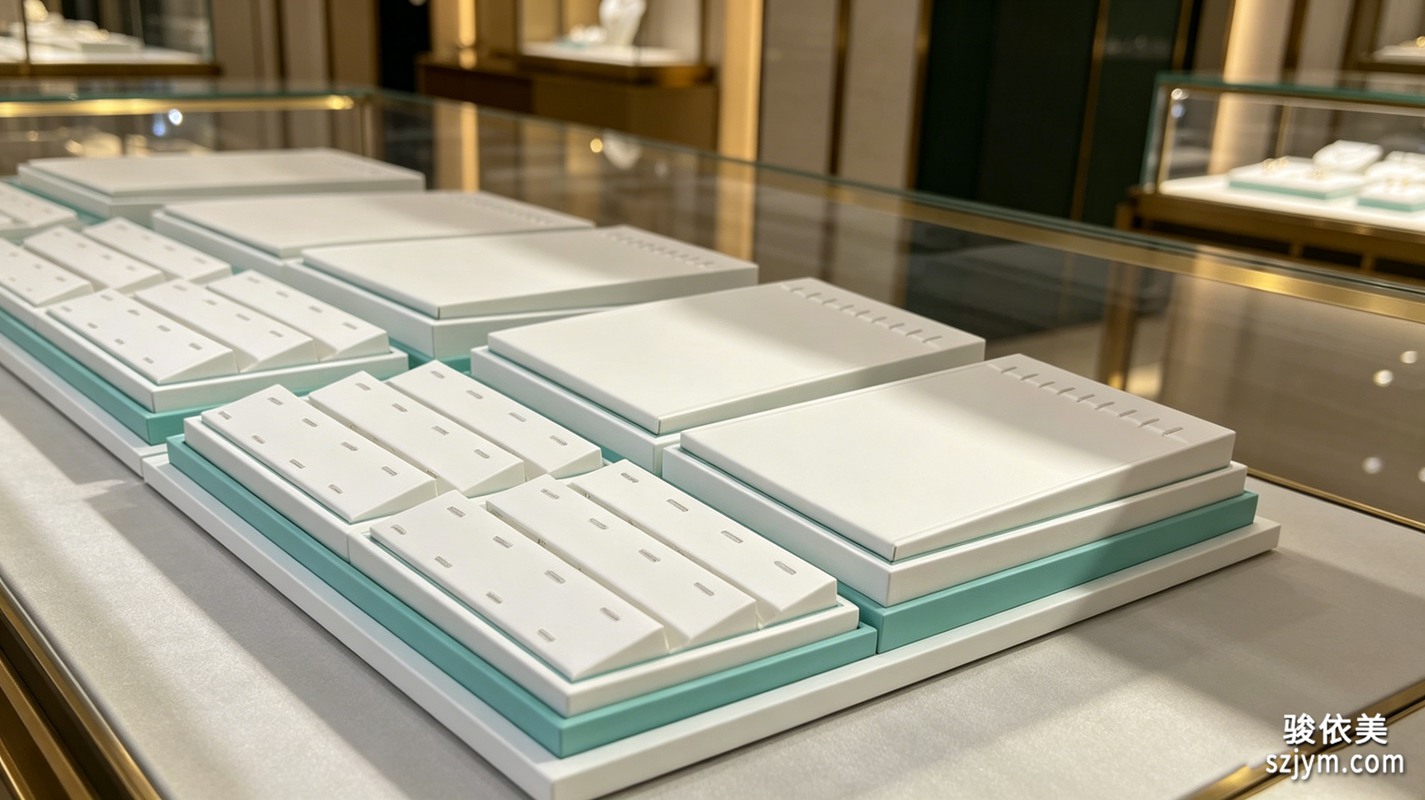 The inside still needs compartments. A box like SH6 with one empty cavity can't hold much, and rings, studs and pendants thrown together only scratch each other. We route slots into the grey board so each piece sits in its own cell and nothing touches once shut. The slot depth follows the jewelry height — too shallow and it won't hold, too deep and it's hard to retrieve. Most factories skip this step, shipping what looks like an empty box that proves miserable in use.
MOQs on boxes like this are usually low, five hundred for a small run, but small runs rarely match the edging and nameplate precision of full production. If you're ordering, ask for five prototypes first and look hard at the four gold corners, the tension of the arched lid, and the squareness of the plate. On the counter it gets opened and closed by customers every day; only what survives the touching is genuinely premium.墨绿配香槟金,是这两年柜台里很耐看的一对颜色。以lbobo这套墨绿首饰盒SH6为例,盒子外皮是皮革纹面料,边框压一道香槟金,里面铺绒布内衬,盖子做成拱形,正面嵌一块金属铭牌。看着克制,做起来有讲究。
外皮这道皮革纹,不是真皮,是PU压纹。压纹深浅决定手感,纹太浅像塑料,纹太深藏灰。我们验货时指甲划一下,纹路能回弹的才算合格。墨绿这个色也挑,调色时偏蓝就显冷,偏黄就显旧,多数工厂的做法是先打小样给客户在自然光下确认,别在灯箱里定,灯箱会骗人。
香槟金边框是包上去的。框条是铝合金或ABS挤出,表面做香槟金电镀或喷涂,再用胶贴合到盒盖边缘。这里最容易出问题的是转角——直边好贴,四个角要裁成45度对接,对不准就露黑缝,或者金边叠两层鼓出来。好货的角是先开槽再嵌,金边和皮面齐平,手摸过去是顺的。
拱形盖子是这套盒子的筋骨。拱形比平面盖费料,模具要做出弧度,合页也得跟着弯。用的多是细铰链或布基胶带,布基胶带便宜但用久了会松,盖子合上之后往前栽。我们偏向用细金属铰链,开合次数能到上万次,代价是成本高一截。盖子内沿一般加一圈海绵或绒条,作用是盖严之后压住首饰不晃,也能遮住合缝的公差。
绒布内衬是防刮的第一道关。内衬分两种,一种是整片绒布绷在灰板上,一种是EVA开槽再贴绒。SH6用的是绒布内衬,首饰放进去靠的是绒面的摩擦力,不会在盒里滑。但绒布也有好坏,差的绒掉毛,戴白手套拿首饰会沾一身。我们测的方法是拿透明胶带在绒面上粘一下,掉毛多的直接退。
金属铭牌这小块,嵌得好是点睛,嵌不好是败笔。铭牌多是铝片或锌合金,背面点胶压进盒面凹槽。胶太多会从缝里溢出来,胶太少戴几次就掉。位置也得正,斜一点整盒的档次就垮了。
盖子的松紧要调。铰链调太紧,开盖要使劲,顾客觉得磕碜;调太松,盖子自己滑开,盒里首饰露在外面。我们一般按盒子大小配不同扭力的铰链,小盒用轻一点的,大盒用重一点的,开盖那一下有阻尼感但不费劲,才舒服。松紧的公差也看合缝,盒盖和盒身之间留半毫米缝隙最稳,留多了进灰,留少了盖不严。
盒内还要分格。SH6这类盒,光一个空腔装不了几样,戒指、耳钉、吊坠混在一起就刮。我们在灰板上开出凹槽卡位,每件各占一格,合盖之后谁也不碰谁。卡位的深度按首饰高度走,太浅压不住,太深又不好取。这一步多数工厂偷懒不做到位,看着是空盒,用起来才知难受。
这类盒子起订量一般不高,小批五百也能做,但小批的包边和铭牌精度往往不如大货稳。真要下单,建议先要五个手板,重点看四个金边角、拱形盖的松紧、铭牌正不正。柜台里它要天天被顾客开开合合,经得起摸的,才是真高级。
本文为原创内容,版权归深圳骏依美所有。如需转载请注明出处。
The inside still needs compartments. A box like SH6 with one empty cavity can't hold much, and rings, studs and pendants thrown together only scratch each other. We route slots into the grey board so each piece sits in its own cell and nothing touches once shut. The slot depth follows the jewelry height — too shallow and it won't hold, too deep and it's hard to retrieve. Most factories skip this step, shipping what looks like an empty box that proves miserable in use.
MOQs on boxes like this are usually low, five hundred for a small run, but small runs rarely match the edging and nameplate precision of full production. If you're ordering, ask for five prototypes first and look hard at the four gold corners, the tension of the arched lid, and the squareness of the plate. On the counter it gets opened and closed by customers every day; only what survives the touching is genuinely premium.墨绿配香槟金,是这两年柜台里很耐看的一对颜色。以lbobo这套墨绿首饰盒SH6为例,盒子外皮是皮革纹面料,边框压一道香槟金,里面铺绒布内衬,盖子做成拱形,正面嵌一块金属铭牌。看着克制,做起来有讲究。
外皮这道皮革纹,不是真皮,是PU压纹。压纹深浅决定手感,纹太浅像塑料,纹太深藏灰。我们验货时指甲划一下,纹路能回弹的才算合格。墨绿这个色也挑,调色时偏蓝就显冷,偏黄就显旧,多数工厂的做法是先打小样给客户在自然光下确认,别在灯箱里定,灯箱会骗人。
香槟金边框是包上去的。框条是铝合金或ABS挤出,表面做香槟金电镀或喷涂,再用胶贴合到盒盖边缘。这里最容易出问题的是转角——直边好贴,四个角要裁成45度对接,对不准就露黑缝,或者金边叠两层鼓出来。好货的角是先开槽再嵌,金边和皮面齐平,手摸过去是顺的。
拱形盖子是这套盒子的筋骨。拱形比平面盖费料,模具要做出弧度,合页也得跟着弯。用的多是细铰链或布基胶带,布基胶带便宜但用久了会松,盖子合上之后往前栽。我们偏向用细金属铰链,开合次数能到上万次,代价是成本高一截。盖子内沿一般加一圈海绵或绒条,作用是盖严之后压住首饰不晃,也能遮住合缝的公差。
绒布内衬是防刮的第一道关。内衬分两种,一种是整片绒布绷在灰板上,一种是EVA开槽再贴绒。SH6用的是绒布内衬,首饰放进去靠的是绒面的摩擦力,不会在盒里滑。但绒布也有好坏,差的绒掉毛,戴白手套拿首饰会沾一身。我们测的方法是拿透明胶带在绒面上粘一下,掉毛多的直接退。
金属铭牌这小块,嵌得好是点睛,嵌不好是败笔。铭牌多是铝片或锌合金,背面点胶压进盒面凹槽。胶太多会从缝里溢出来,胶太少戴几次就掉。位置也得正,斜一点整盒的档次就垮了。
盖子的松紧要调。铰链调太紧,开盖要使劲,顾客觉得磕碜;调太松,盖子自己滑开,盒里首饰露在外面。我们一般按盒子大小配不同扭力的铰链,小盒用轻一点的,大盒用重一点的,开盖那一下有阻尼感但不费劲,才舒服。松紧的公差也看合缝,盒盖和盒身之间留半毫米缝隙最稳,留多了进灰,留少了盖不严。
盒内还要分格。SH6这类盒,光一个空腔装不了几样,戒指、耳钉、吊坠混在一起就刮。我们在灰板上开出凹槽卡位,每件各占一格,合盖之后谁也不碰谁。卡位的深度按首饰高度走,太浅压不住,太深又不好取。这一步多数工厂偷懒不做到位,看着是空盒,用起来才知难受。
这类盒子起订量一般不高,小批五百也能做,但小批的包边和铭牌精度往往不如大货稳。真要下单,建议先要五个手板,重点看四个金边角、拱形盖的松紧、铭牌正不正。柜台里它要天天被顾客开开合合,经得起摸的,才是真高级。
本文为原创内容,版权归深圳骏依美所有。如需转载请注明出处。
骏依美——一只好盒,经得起千次开合。
The arched lid is the backbone of the box. An arch wastes more material than a flat lid, the mould has to hold a curve, and the hinge has to bend with it. Most use a fine hinge or cloth tape; cloth tape is cheap but loosens over time, and the lid then tips forward when closed. We lean toward a fine metal hinge rated for tens of thousands of openings, at the cost of a higher price. Inside the lid edge runs a strip of foam or velvet that, once shut, presses the jewelry still and hides the seam tolerance.
The velvet lining is the first line of defence against scratches. There are two kinds: a whole sheet of velvet stretched over grey board, or EVA routed and then velvet-covered. SH6 uses the velvet lining, and the jewelry stays put through the friction of the pile rather than sliding around. But velvet varies — poor pile sheds, and white-glove hands come away dusty. Our test is a strip of clear tape pressed on the pile; if it lifts fibres, the batch goes back.
That small metal nameplate is either the finishing touch or the fatal flaw. Usually aluminium or zinc alloy, it's glued into a recess on the box face. Too much glue oozes from the seam; too little and it drops off after a few wears. And it has to sit straight — a tilt collapses the whole box's grade.
The lid tension has to be tuned. A hinge set too tight makes the customer fight the lid open; set too loose and the lid slides open on its own, leaving the jewelry exposed. We match hinge torque to box size — lighter on small boxes, heavier on large — so the opening has a damped feel without effort. The tolerance shows in the seam: about half a millimetre between lid and body is the stable point, more and dust gets in, less and it won't close.
The inside still needs compartments. A box like SH6 with one empty cavity can't hold much, and rings, studs and pendants thrown together only scratch each other. We route slots into the grey board so each piece sits in its own cell and nothing touches once shut. The slot depth follows the jewelry height — too shallow and it won't hold, too deep and it's hard to retrieve. Most factories skip this step, shipping what looks like an empty box that proves miserable in use.
MOQs on boxes like this are usually low, five hundred for a small run, but small runs rarely match the edging and nameplate precision of full production. If you're ordering, ask for five prototypes first and look hard at the four gold corners, the tension of the arched lid, and the squareness of the plate. On the counter it gets opened and closed by customers every day; only what survives the touching is genuinely premium.墨绿配香槟金,是这两年柜台里很耐看的一对颜色。以lbobo这套墨绿首饰盒SH6为例,盒子外皮是皮革纹面料,边框压一道香槟金,里面铺绒布内衬,盖子做成拱形,正面嵌一块金属铭牌。看着克制,做起来有讲究。
外皮这道皮革纹,不是真皮,是PU压纹。压纹深浅决定手感,纹太浅像塑料,纹太深藏灰。我们验货时指甲划一下,纹路能回弹的才算合格。墨绿这个色也挑,调色时偏蓝就显冷,偏黄就显旧,多数工厂的做法是先打小样给客户在自然光下确认,别在灯箱里定,灯箱会骗人。
香槟金边框是包上去的。框条是铝合金或ABS挤出,表面做香槟金电镀或喷涂,再用胶贴合到盒盖边缘。这里最容易出问题的是转角——直边好贴,四个角要裁成45度对接,对不准就露黑缝,或者金边叠两层鼓出来。好货的角是先开槽再嵌,金边和皮面齐平,手摸过去是顺的。
拱形盖子是这套盒子的筋骨。拱形比平面盖费料,模具要做出弧度,合页也得跟着弯。用的多是细铰链或布基胶带,布基胶带便宜但用久了会松,盖子合上之后往前栽。我们偏向用细金属铰链,开合次数能到上万次,代价是成本高一截。盖子内沿一般加一圈海绵或绒条,作用是盖严之后压住首饰不晃,也能遮住合缝的公差。
绒布内衬是防刮的第一道关。内衬分两种,一种是整片绒布绷在灰板上,一种是EVA开槽再贴绒。SH6用的是绒布内衬,首饰放进去靠的是绒面的摩擦力,不会在盒里滑。但绒布也有好坏,差的绒掉毛,戴白手套拿首饰会沾一身。我们测的方法是拿透明胶带在绒面上粘一下,掉毛多的直接退。
金属铭牌这小块,嵌得好是点睛,嵌不好是败笔。铭牌多是铝片或锌合金,背面点胶压进盒面凹槽。胶太多会从缝里溢出来,胶太少戴几次就掉。位置也得正,斜一点整盒的档次就垮了。
盖子的松紧要调。铰链调太紧,开盖要使劲,顾客觉得磕碜;调太松,盖子自己滑开,盒里首饰露在外面。我们一般按盒子大小配不同扭力的铰链,小盒用轻一点的,大盒用重一点的,开盖那一下有阻尼感但不费劲,才舒服。松紧的公差也看合缝,盒盖和盒身之间留半毫米缝隙最稳,留多了进灰,留少了盖不严。
盒内还要分格。SH6这类盒,光一个空腔装不了几样,戒指、耳钉、吊坠混在一起就刮。我们在灰板上开出凹槽卡位,每件各占一格,合盖之后谁也不碰谁。卡位的深度按首饰高度走,太浅压不住,太深又不好取。这一步多数工厂偷懒不做到位,看着是空盒,用起来才知难受。
这类盒子起订量一般不高,小批五百也能做,但小批的包边和铭牌精度往往不如大货稳。真要下单,建议先要五个手板,重点看四个金边角、拱形盖的松紧、铭牌正不正。柜台里它要天天被顾客开开合合,经得起摸的,才是真高级。
本文为原创内容,版权归深圳骏依美所有。如需转载请注明出处。骏依美——一只好盒,经得起千次开合。