One Box, One Code: Stopping The Fakes一盒一码辨真伪
On resale platforms, a "genuine-looking" piece of jewelry paired with a forged certificate can fool even experts—which is exactly why packaging-level authentication matters. When a jewel travels from factory to finger, then on to gifting or heirloom status, who vouches for its identity? Too often, the answer lives in the overlooked jewelry box.
Q1: Why should jewelry care about counterfeiting at all?
The numbers are sobering. The global counterfeit luxury market reached roughly $450 billion in 2025—about 10% of the entire luxury sector—and fine jewelry ranks among the top five most-counterfeited categories (Research Intelo). Entrupy's "State of the Fake 2025" screened $3.7B of goods, flagging 8.1% as unverifiable. Tellingly, within the luxury identification market, jewelry holds the largest share at 40.0% (watches 25.8%)—proof that jewelry is the single biggest authentication need. For shoppers, 85% worry about buying fakes online and 62% abandon a brand entirely after one fake encounter (U.S. Chamber of Commerce, 2023). For a jeweler, a fake doesn't just cost one sale; it erodes trust. That is why Shenzhen Junyimei treats "trustworthiness" as a baseline in jewelry packaging—a box is not merely a container but the first proof of authenticity.
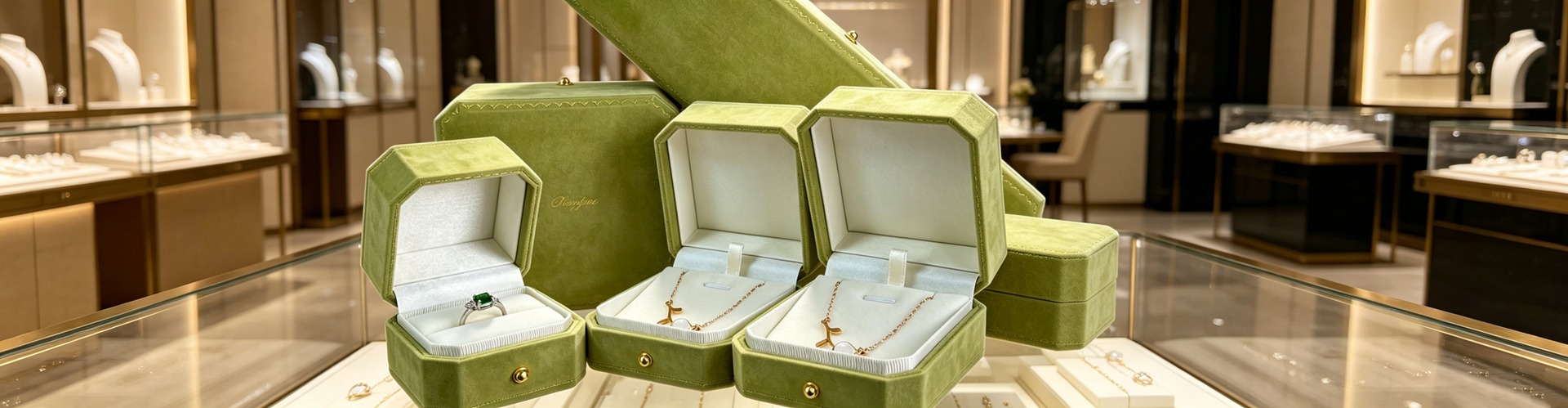
Q2: What does "one item, one code" actually do for the customer?
Three technologies lead. RFID (34.2% of the tech share) reads in bulk for logistics; NFC (28.6%) lets a phone tap verify with a forced one-to-one interaction; QR (14.8%) is the cheapest. For jewelry, NFC or a hidden QR is common: tap the box lining or lid with any smartphone—no app needed—and you land on an official page showing batch, material certificate, and ownership history. In jewelry box customization, Junyimei often embeds the chip inside the magnetic closure or an embossed seal, keeping the exterior minimal and premium. NFC tap rates for luxury goods run 40–65% (vs under 15% for mass-market), because buyers of pieces above $500 most want certainty.
Q3: Won't anti-counterfeit packaging look cheap or complicated?
Quite the opposite—it can elevate the unboxing. The principle that high-end, minimalist jewelry packaging design is more favored by customers holds here too: the verification entry point can be restrained—a color-inverted gold-foiled QR, a micro-embossed logo on the lining, a tamper-evident seal that destroys itself when opened. These double as both security and brand language. Data shows minimalist premium packaging lifts perceived value ~35% and repeat purchase +22%, and authentication adds "trust" directly into the unboxing ritual. Junyimei's jewelry packaging design philosophy: security should never shout; let the customer confirm authenticity within an elegant moment.
Q4: What real benefits does traceability bring the brand?
Three. ①Protect the brand: since 62% of consumers leave after a single fake experience, authentication stops the risk at the source. ②Feed the resale loop: the global pre-owned jewelry market hit ~$71.9B in 2025 and is growing fast; pieces with verifiable identity command resale premiums (recall pre-owned Tiffany with box +24%, Cartier +11%). One-code-per-item makes that "heritage" traceable. ③Own the data: every scan is a genuine first-party consumer touchpoint—far better than a platform black box. A jewelry box factory that builds this layer effectively hands clients a digital thread "from factory to heirloom."
Q5: How big is the anti-counterfeit packaging business itself?
Substantial and growing. The NFC-enabled packaging market reached $5.68B in 2025, with product authentication the largest function at 38% share (Fortune Business Insights). The broader luxury-identification "authentication" application was valued at $3.16B in 2025 and is projected at a 9.1% CAGR through 2033. Passive RFID inlay costs have fallen to about $0.08–$0.15 per unit, NFC $0.20–$0.40, QR cheapest of all—so the economics now favor even mid-size brands.
Q6: If I'm a small jeweler, where do I start with secure packaging?
Four steps. ①Pick tech: start small with dynamic QR (a few cents), upgrade to NFC (~$0.2–0.4/tag) as volume grows. ②Place it well: put the code inside the lid lining, the seal, or the tag—never on the front face that defines the box's aesthetics. ③Connect a backend: build a lightweight verification page that answers batch and certificate queries, so "scanning gets a response." ④Control the supply chain: partner only with jewelry box factories that can deliver and trace the anti-counterfeit scheme, so the security itself can't be cloned. Shenzhen Junyimei supports low-MOQ customization—from 30–50 units you can embed an authentication plan, giving even small houses an affordable certificate of authenticity.
This is original content. Copyright belongs to Shenzhen Junyimei.
Junyimei — present every jewel and timepiece at its best.
在二手奢侈品平台上,一瓶"看似真品"的珠宝如果配了仿冒证书,连专家都难辨真假——这正是包装级防伪要解决的问题。当一件首饰从出厂到佩戴、再到转赠或传家,它的"身份"该由谁来背书?答案,往往就藏在那个被忽略的首饰盒里。
Q1:珠宝为什么也要防"假"?现在造假到底有多严重?
数字比想象中刺眼。全球假冒奢侈品市场在 2025 年已达到约 4500 亿美元,约占整个奢侈品市场的 10%,其中 fine jewelry(精制珠宝)跻身"被仿最严重"的前五大品类(Research Intelo)。验真机构 Entrupy 的《State of the Fake 2025》全年验货规模 37 亿美元,其中 8.1% 被标记为无法确认真伪。
更关键的一个信号:在"奢侈品类鉴定市场"里,珠宝以 40% 的份额位居第一(腕表 25.8%),说明珠宝其实是防伪需求最大的品类。对顾客端,85% 的人担心网购到假货、62% 在经历一次假货体验后就彻底弃用该品牌(美国商会 2023)。对店主而言,假货不只是少卖一件,而是信任的崩塌。这也正是 深圳骏依美 在做 珠宝包装 时把"可信"当成基础项的原因——盒子不只是容器,更是真品的第一道背书。
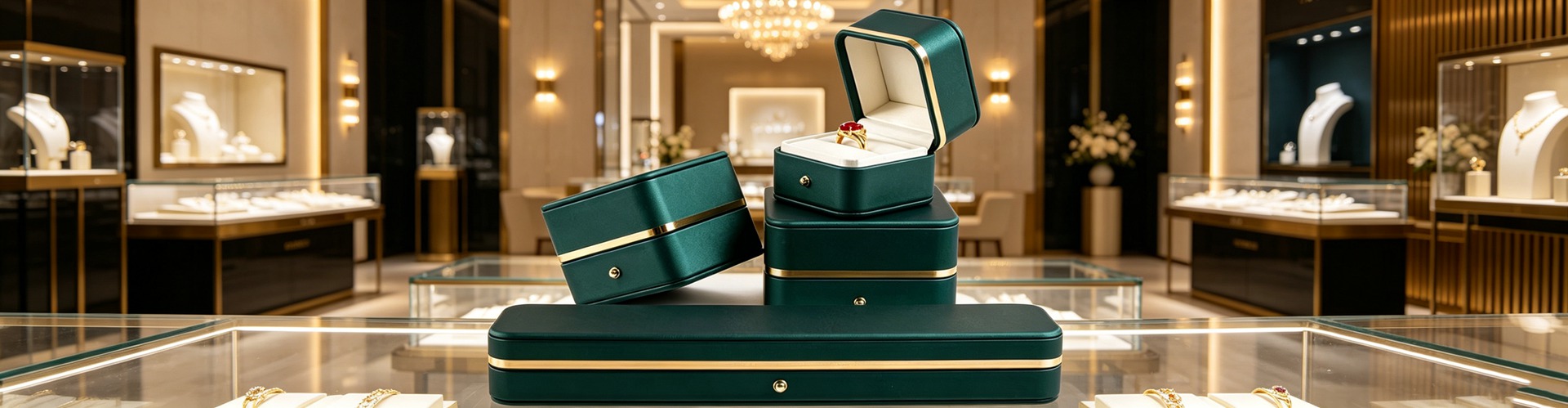
Q2:"一物一码"到底怎么运作?顾客扫码能查到什么?
主流是三类技术:RFID(占技术份额 34.2%,适合物流批量读取)、NFC(28.6%,手机一碰即验、强制一对一交互)、QR 二维码(14.8%,成本最低)。珠宝常用 NFC 或隐藏式二维码:手机靠近 首饰盒 内衬或盒盖,无需下载 App,即跳转到官方验证页,显示该件的生产批次、材质证书与流转记录。
在 珠宝盒定制 中,深圳骏依美 常把芯片藏进磁吸内衬或击凸封缄,外观仍是极简高级感。数据也支撑这种做法:NFC 用户点击率在奢侈品可达 40–65%(远高于大众品类的 15% 以下),因为买单价超 500 美元物件的人,最想确认真伪。
Q3:防伪包装会不会显得廉价、复杂、像地摊货?
不会,反而会加分。老板常提的那句话——"高端简约珠宝首饰品包装设计,更容易被顾客青睐"——在防伪上同样成立。验证入口可以做得极克制:颜色反转的烫金二维码、内衬上压印的微缩徽标、撕开即毁的封缄贴。它们既是防伪手段,也是品牌语言。
数据显示,高端简约包装可提升约 35% 的高端感知、带动 22% 的复购;而防伪验证进一步把"信任"写进了开箱动作里。珠宝包装设计 的主张应当是:让顾客在优雅里完成确真,而不是在花哨里产生怀疑。
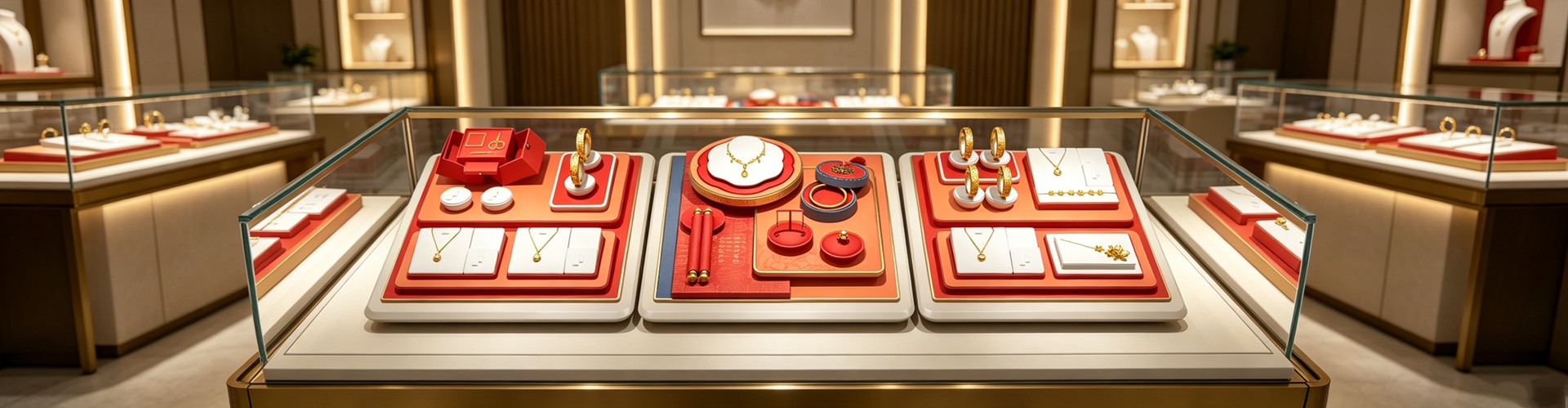
Q4:防伪溯源对品牌方有什么实打实的好处?
三点。①护品牌:62% 的消费者一次假货体验就弃用品牌,防伪把风险挡在源头。②接二手:全球二手珠宝 2025 年约 719 亿美元且高速增长,带可验证身份的珠宝在转售时溢价明显(参考带原盒 Tiffany +24%、Cartier +11% 的二手数据),一物一码让"传承"可被追溯。③做数据:每一次扫码都是一次真实的消费者触达,品牌拿到的是第一方互动数据,而非平台黑箱。
一个靠谱的 珠宝盒工厂 把这层做好,等于帮客户建起一条"从出厂到传承"的数字链路,价值远超一个盒子本身。
Q5:想做一套靠谱的防伪包装,小批量从哪起步?
四步。①选技术:小批量先用动态二维码(成本几分到一毛),量起来再上 NFC(约 0.2–0.4 美元/枚)。②定落点:把码放在盒盖内衬、封缄或吊牌,避免破坏 首饰盒 正面美学。③接后台:建一个能查批次与证书的轻量验证页,确保"扫了有回应"。④控供应链:只与能出具防伪方案、可溯源的 珠宝盒工厂 合作,避免防伪本身被复制。
深圳骏依美 支持小单定制,30–50 件起即可嵌入防伪方案,让中小珠宝商也用得起属于自己的"真品身份证"。当每一只盒子都能自证身份,品牌护城河就从货架上延伸到了顾客掌心。
本文为原创内容,版权归深圳骏依美所有,转载请注明出处。
骏依美——让每一件珠宝与腕表,都被更好地呈现。