Open or Enclosed: Choosing Between Open and Closed Watch Display敞着摆还是关着看:腕表开放与封闭陈列的取舍
One choice in watch display is easy to overlook: should this row of watches sit openly for customers to glance at freely, or stay behind glass to be admired from a distance? Neither approach is absolutely better, but used in the wrong place it can blur the details at best and discourage try-ons at worst, directly dragging down sales.
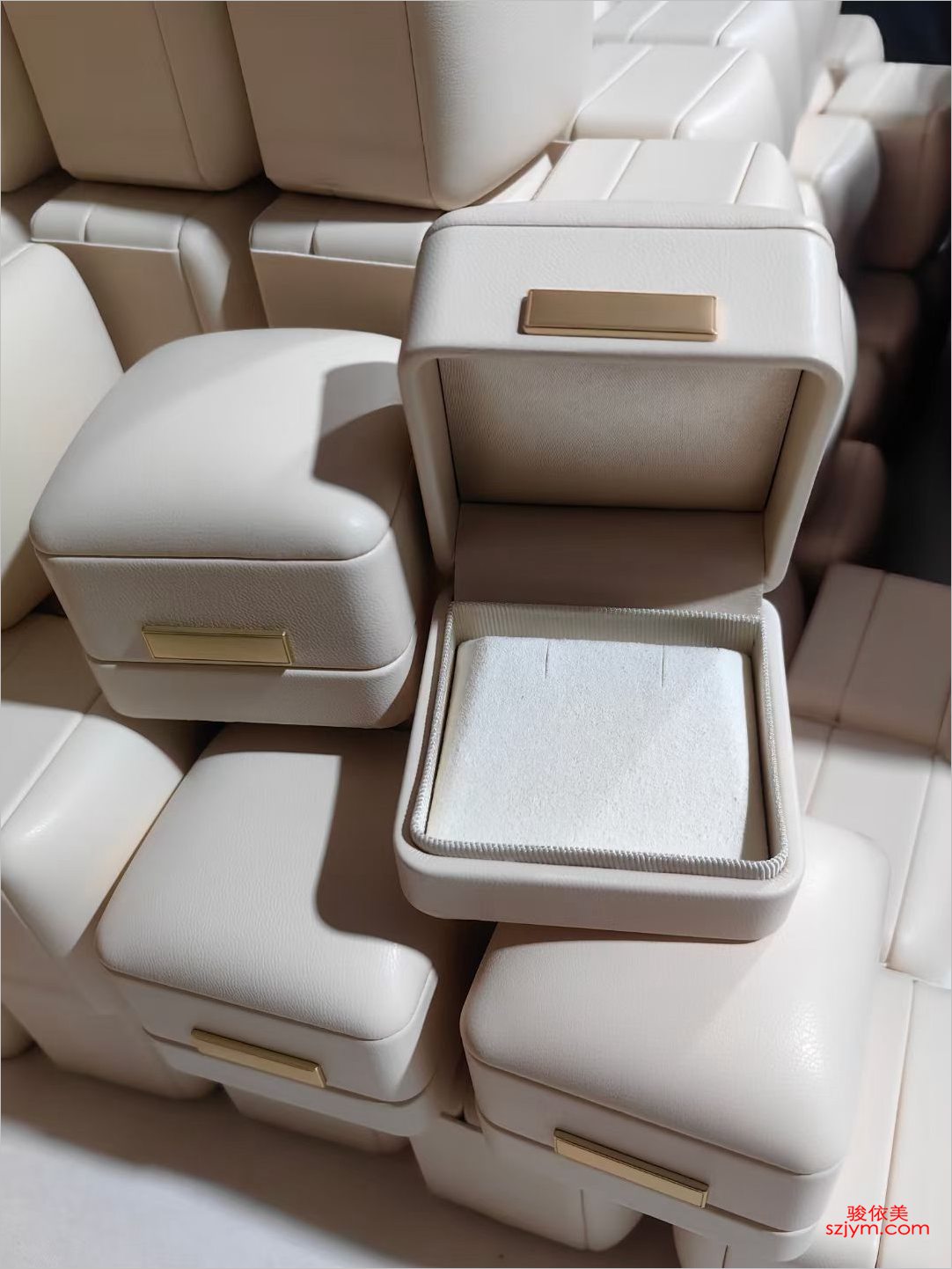 Open display wins on closeness. Stands sit bare on the surface, so customers see the dial texture and strap quality at a glance and can pick the watch up to try on, building trust and involvement naturally. It fits the front visual position for hero and best-selling models, putting the watches you most want to sell right in front of the customer. The trade-off is faster dust accumulation and more frequent handling, so daily maintenance has to keep pace.
Enclosed display wins on protection and security. A glass-door case keeps watches behind glass, preventing touch and loss, and suits high-value complications or limited editions. Its mood is cooler and more dignified, ideal at the end of the flow as a closing statement that tells the customer 'this piece deserves to be kept well.' The cost is a higher interaction threshold: staff must open the door and explain actively.
Open display wins on closeness. Stands sit bare on the surface, so customers see the dial texture and strap quality at a glance and can pick the watch up to try on, building trust and involvement naturally. It fits the front visual position for hero and best-selling models, putting the watches you most want to sell right in front of the customer. The trade-off is faster dust accumulation and more frequent handling, so daily maintenance has to keep pace.
Enclosed display wins on protection and security. A glass-door case keeps watches behind glass, preventing touch and loss, and suits high-value complications or limited editions. Its mood is cooler and more dignified, ideal at the end of the flow as a closing statement that tells the customer 'this piece deserves to be kept well.' The cost is a higher interaction threshold: staff must open the door and explain actively.
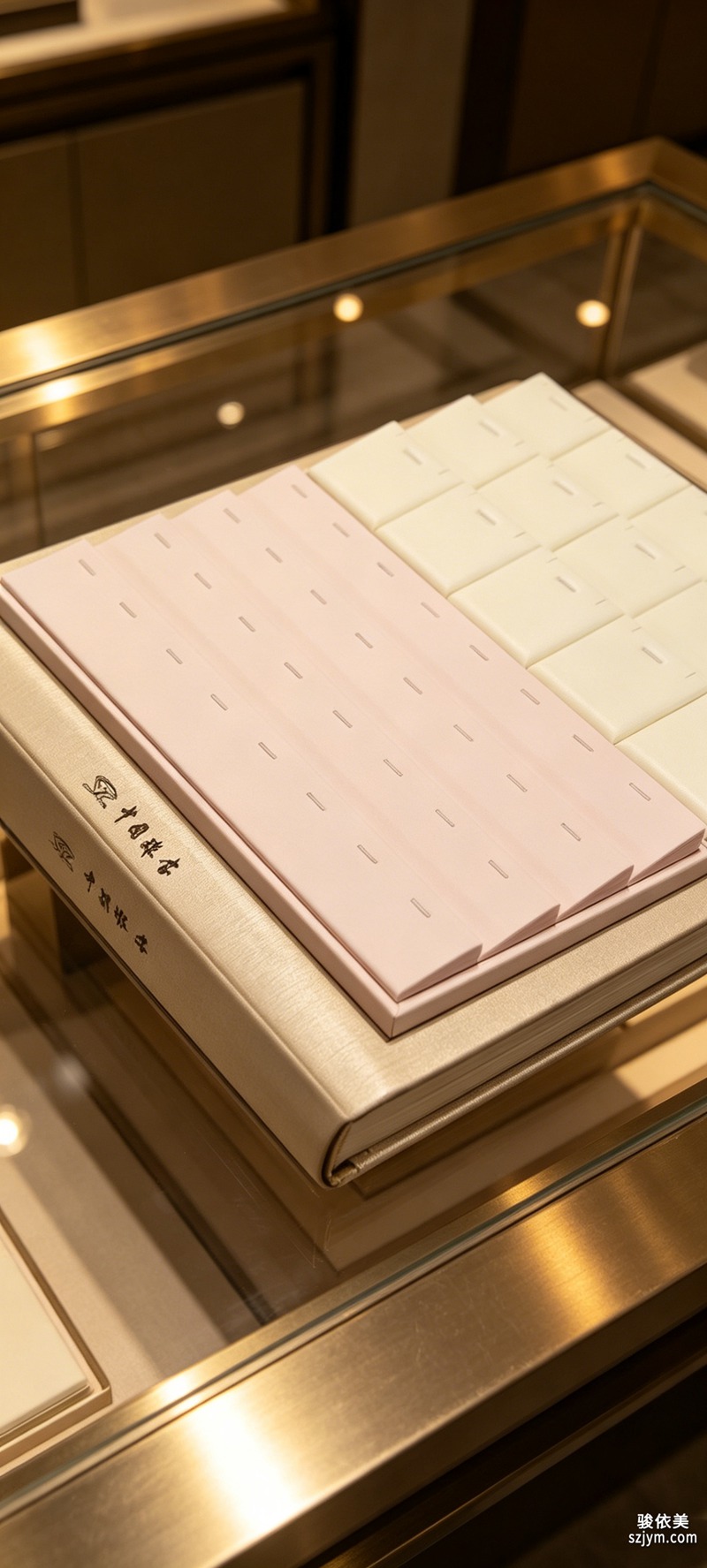 Smart stores mix both. The first row by the entrance uses open display to gather energy, while inner and tall cases use enclosed display to build value, creating rhythm between loose and tight. Within one collection, an open piece can be the 'experience entry' and an enclosed piece the 'value endorsement,' letting the customer fall for it first, then look up to it.
The judgment is simple: do you want the customer to 'handle' or to 'look up' first? To drive sales and experience, open more; to shape value and protect safety, enclose more. Once that is clear, the open-closed ratio of the cases becomes obvious, and there is no need to copy someone else's template.
Display has no single right answer, only what fits. Open and enclosed are not opposites but two tones in the same watch story; used in the right place, the watch speaks for itself.
This article is original content, copyright owned by LBOBO. Please credit the source if reprinted.
LBOBO focuses on watch display props and solutions with an international perspective.
LBOBO helps brands present watches with professional, global-standard staging.腕表陈列里有个常被忽略的选择:这一排表,到底是敞着摆给顾客随意看,还是关在玻璃柜里只可远观?两种做法没有绝对优劣,但用错了位置,轻则看不清细节,重则劝退试戴,直接拉低成交。
开放式陈列胜在亲近。表座直接裸露在台面上,顾客抬眼就能看清表盘纹理、表带质感,伸手即可拿起试戴,信任感和参与感天然更强。它适合用作主力款、爆款的第一视觉位,把最想卖的表先递到顾客眼前。但开放也意味着落灰更快、被触碰更频繁,日常维护的频次要跟上。尤其在客流高峰,开放式能让顾客自行停留、自行把玩,导购不必时刻守在旁边,人效反而更高。
封闭式陈列则胜在保护与安全。带门的表柜把腕表收在玻璃之后,防触碰、防丢失,也更适合摆放高价值的复杂功能款或限量款。它的气质偏冷静、偏尊贵,适合放在动线末端作为压轴,给顾客一种『这件值得被好好收藏』的心理暗示。代价是互动门槛变高,需要导购主动开门、主动讲解。对于客单价高、客群偏谨慎的门店,封闭式带来的安全感往往比自由度更重要。
聪明的门店往往两者混搭。临门第一排用开放式把人气聚起来,里侧与高柜用封闭式把价值感立起来,一松一紧之间形成节奏。同一个系列里,也可以用开放款做『体验入口』、封闭款做『价值背书』,让顾客先动心、再仰视。
判断标准其实很简单:你希望顾客先『上手』还是先『仰望』?想促成交、做体验,就多开放;想塑价值、护安全,就多封闭。把这个问题想明白,表柜的开合比例自然就清楚了,不必照搬别家的模板。
陈列没有标准答案,只有合不合适。开放与封闭不是对立,而是同一套腕表故事里的两种语气,用对了地方,腕表自己就会说话。
本文为原创内容,版权归 LBOBO 所有。如需转载请注明出处。
LBOBO 专注腕表陈列道具与展示方案,以国际视野助品牌陈列更显专业。
LBOBO delivers watch display props with a global eye for detail.
Smart stores mix both. The first row by the entrance uses open display to gather energy, while inner and tall cases use enclosed display to build value, creating rhythm between loose and tight. Within one collection, an open piece can be the 'experience entry' and an enclosed piece the 'value endorsement,' letting the customer fall for it first, then look up to it.
The judgment is simple: do you want the customer to 'handle' or to 'look up' first? To drive sales and experience, open more; to shape value and protect safety, enclose more. Once that is clear, the open-closed ratio of the cases becomes obvious, and there is no need to copy someone else's template.
Display has no single right answer, only what fits. Open and enclosed are not opposites but two tones in the same watch story; used in the right place, the watch speaks for itself.
This article is original content, copyright owned by LBOBO. Please credit the source if reprinted.
LBOBO focuses on watch display props and solutions with an international perspective.
LBOBO helps brands present watches with professional, global-standard staging.腕表陈列里有个常被忽略的选择:这一排表,到底是敞着摆给顾客随意看,还是关在玻璃柜里只可远观?两种做法没有绝对优劣,但用错了位置,轻则看不清细节,重则劝退试戴,直接拉低成交。
开放式陈列胜在亲近。表座直接裸露在台面上,顾客抬眼就能看清表盘纹理、表带质感,伸手即可拿起试戴,信任感和参与感天然更强。它适合用作主力款、爆款的第一视觉位,把最想卖的表先递到顾客眼前。但开放也意味着落灰更快、被触碰更频繁,日常维护的频次要跟上。尤其在客流高峰,开放式能让顾客自行停留、自行把玩,导购不必时刻守在旁边,人效反而更高。
封闭式陈列则胜在保护与安全。带门的表柜把腕表收在玻璃之后,防触碰、防丢失,也更适合摆放高价值的复杂功能款或限量款。它的气质偏冷静、偏尊贵,适合放在动线末端作为压轴,给顾客一种『这件值得被好好收藏』的心理暗示。代价是互动门槛变高,需要导购主动开门、主动讲解。对于客单价高、客群偏谨慎的门店,封闭式带来的安全感往往比自由度更重要。
聪明的门店往往两者混搭。临门第一排用开放式把人气聚起来,里侧与高柜用封闭式把价值感立起来,一松一紧之间形成节奏。同一个系列里,也可以用开放款做『体验入口』、封闭款做『价值背书』,让顾客先动心、再仰视。
判断标准其实很简单:你希望顾客先『上手』还是先『仰望』?想促成交、做体验,就多开放;想塑价值、护安全,就多封闭。把这个问题想明白,表柜的开合比例自然就清楚了,不必照搬别家的模板。
陈列没有标准答案,只有合不合适。开放与封闭不是对立,而是同一套腕表故事里的两种语气,用对了地方,腕表自己就会说话。
本文为原创内容,版权归 LBOBO 所有。如需转载请注明出处。
LBOBO 专注腕表陈列道具与展示方案,以国际视野助品牌陈列更显专业。
LBOBO delivers watch display props with a global eye for detail.
Open display wins on closeness. Stands sit bare on the surface, so customers see the dial texture and strap quality at a glance and can pick the watch up to try on, building trust and involvement naturally. It fits the front visual position for hero and best-selling models, putting the watches you most want to sell right in front of the customer. The trade-off is faster dust accumulation and more frequent handling, so daily maintenance has to keep pace.
Enclosed display wins on protection and security. A glass-door case keeps watches behind glass, preventing touch and loss, and suits high-value complications or limited editions. Its mood is cooler and more dignified, ideal at the end of the flow as a closing statement that tells the customer 'this piece deserves to be kept well.' The cost is a higher interaction threshold: staff must open the door and explain actively.
Smart stores mix both. The first row by the entrance uses open display to gather energy, while inner and tall cases use enclosed display to build value, creating rhythm between loose and tight. Within one collection, an open piece can be the 'experience entry' and an enclosed piece the 'value endorsement,' letting the customer fall for it first, then look up to it.
The judgment is simple: do you want the customer to 'handle' or to 'look up' first? To drive sales and experience, open more; to shape value and protect safety, enclose more. Once that is clear, the open-closed ratio of the cases becomes obvious, and there is no need to copy someone else's template.
Display has no single right answer, only what fits. Open and enclosed are not opposites but two tones in the same watch story; used in the right place, the watch speaks for itself.
This article is original content, copyright owned by LBOBO. Please credit the source if reprinted.
LBOBO focuses on watch display props and solutions with an international perspective.
LBOBO helps brands present watches with professional, global-standard staging.腕表陈列里有个常被忽略的选择:这一排表,到底是敞着摆给顾客随意看,还是关在玻璃柜里只可远观?两种做法没有绝对优劣,但用错了位置,轻则看不清细节,重则劝退试戴,直接拉低成交。
开放式陈列胜在亲近。表座直接裸露在台面上,顾客抬眼就能看清表盘纹理、表带质感,伸手即可拿起试戴,信任感和参与感天然更强。它适合用作主力款、爆款的第一视觉位,把最想卖的表先递到顾客眼前。但开放也意味着落灰更快、被触碰更频繁,日常维护的频次要跟上。尤其在客流高峰,开放式能让顾客自行停留、自行把玩,导购不必时刻守在旁边,人效反而更高。
封闭式陈列则胜在保护与安全。带门的表柜把腕表收在玻璃之后,防触碰、防丢失,也更适合摆放高价值的复杂功能款或限量款。它的气质偏冷静、偏尊贵,适合放在动线末端作为压轴,给顾客一种『这件值得被好好收藏』的心理暗示。代价是互动门槛变高,需要导购主动开门、主动讲解。对于客单价高、客群偏谨慎的门店,封闭式带来的安全感往往比自由度更重要。
聪明的门店往往两者混搭。临门第一排用开放式把人气聚起来,里侧与高柜用封闭式把价值感立起来,一松一紧之间形成节奏。同一个系列里,也可以用开放款做『体验入口』、封闭款做『价值背书』,让顾客先动心、再仰视。
判断标准其实很简单:你希望顾客先『上手』还是先『仰望』?想促成交、做体验,就多开放;想塑价值、护安全,就多封闭。把这个问题想明白,表柜的开合比例自然就清楚了,不必照搬别家的模板。
陈列没有标准答案,只有合不合适。开放与封闭不是对立,而是同一套腕表故事里的两种语气,用对了地方,腕表自己就会说话。
本文为原创内容,版权归 LBOBO 所有。如需转载请注明出处。
LBOBO 专注腕表陈列道具与展示方案,以国际视野助品牌陈列更显专业。
LBOBO delivers watch display props with a global eye for detail.