Jewelry Retail in the Digital Wave: How Smart Packaging Reshapes Consumer Experience数字化浪潮下的珠宝零售:智能包装如何重塑消费体验
1. Industry Context of Digital Transformation
In recent years, the global jewelry retail industry has been undergoing a profound digital transformation. From traditional in-store counter sales to integrated online-offline operations, jewelry brands are fundamentally changing their channel strategies, consumer outreach, and brand storytelling. In this evolution, jewelry packaging, as the final touchpoint of product delivery, is advancing from mere protection to intelligent, interactive functionality. Smart packaging, embedded with NFC chips, AR interactive labels, and traceability QR codes, transforms the jewelry box from a simple container into a digital gateway connecting brands with consumers. This transformation not only elevates the ritual of unboxing but also plays an increasingly critical role in brand loyalty building and anti-counterfeiting traceability. Industry research indicates that over 60% of young consumers prioritize brands offering digital interactive experiences when purchasing jewelry, and this proportion continues to grow.
2. Technical Architecture of Smart Packaging
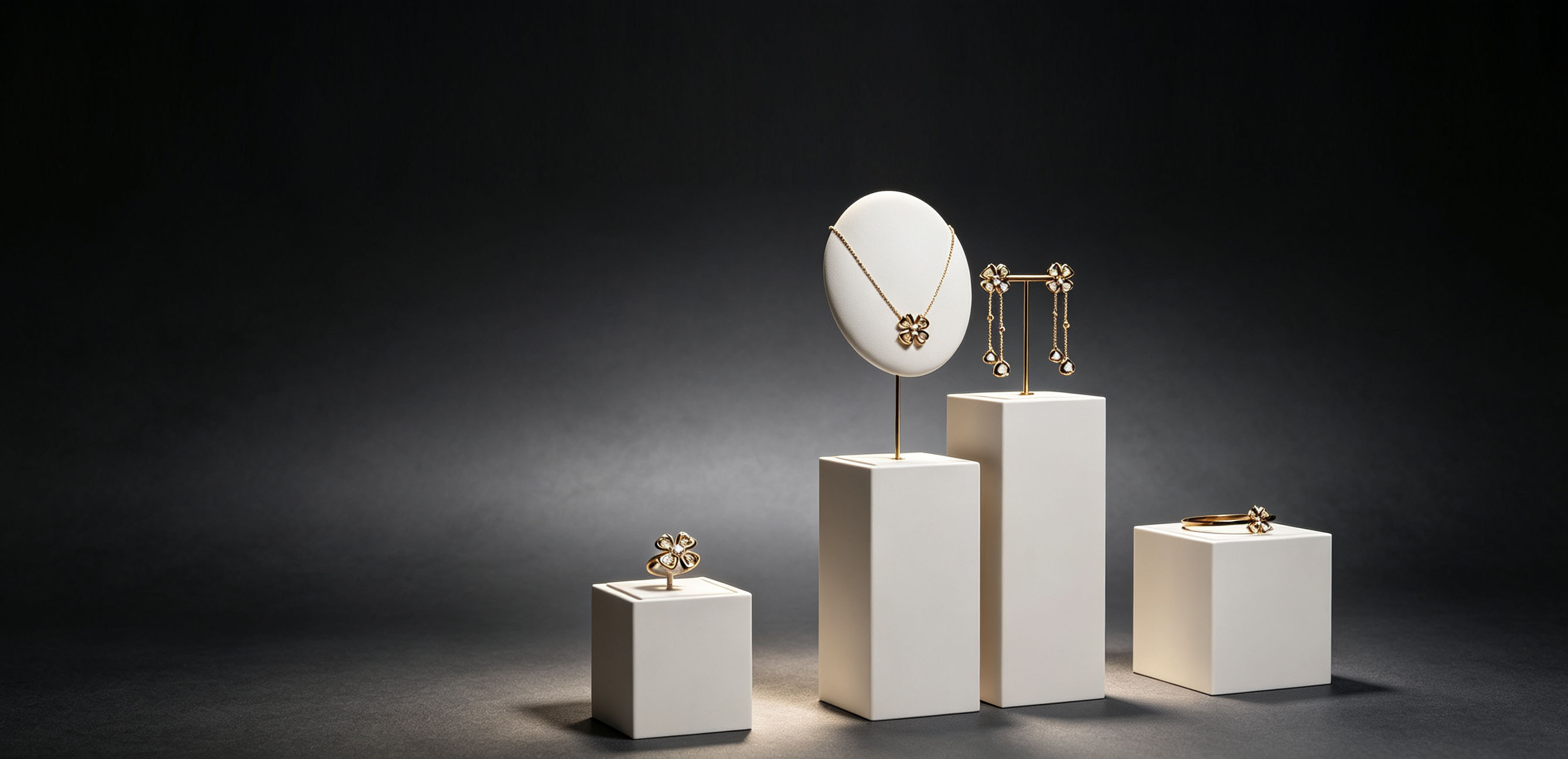
The core technology of smart jewelry packaging consists of three major modules. First is Near Field Communication (NFC) technology — consumers simply tap their phones against the surface of a jewelry box to access a brand's dedicated page, viewing product details, care guides, and after-sales channels. Second is Augmented Reality (AR) interaction — by scanning specific patterns on jewelry display props, consumers can view 3D rotating displays of jewelry and simulated wearing effects on their phone screens. Third is a blockchain traceability system, where the complete journey of each piece of jewelry — from rough stone mining, cutting and polishing, to final setting — is recorded on-chain, allowing consumers to verify authenticity and origin with a simple scan. The integration of these three technologies transforms traditional jewelry display stands and packaging boxes into miniature digital interaction terminals, providing consumers with information dimensions far beyond physical displays. Meanwhile, advances in materials science have made chip embedding more discreet and aesthetically pleasing, without compromising the tactile and visual quality of the packaging itself.
3. The Upgrade Path of Consumer Experience
Digital packaging builds a complete experience chain for consumers from purchase to after-sales. At the purchase decision stage, the AR try-on feature offered by smart packaging reduces hesitation in online jewelry shopping, allowing consumers to preview wearing effects before receiving the physical product. During the unboxing moment, brand story videos and craftsmanship documentaries triggered by NFC transform an otherwise mundane unpacking process into an immersive brand experience. In the after-sales phase, electronic warranty cards and smart care reminders are automatically activated through chips on the jewelry box, replacing traditional paper cards. This end-to-end digital design not only enhances consumers' perceived value but also effectively reduces brands' customer service communication costs. Data shows that after introducing smart packaging, jewelry brands see an average repurchase rate increase of 15% to 22%, with significant improvements in customer satisfaction scores. More importantly, the proportion of consumers proactively sharing unboxing experiences on social media has increased dramatically, generating natural word-of-mouth marketing for brands.
4. Digital Expression of Brand Value
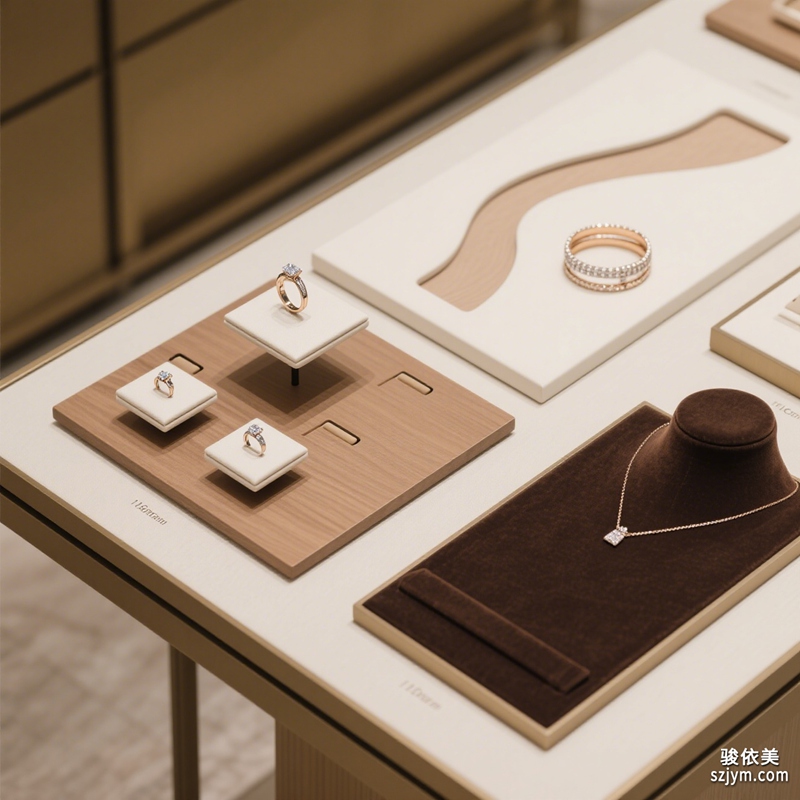
For jewelry brands, smart packaging is not merely a functional upgrade but a digital expression of brand value. Through interactive entry points on packaging, brands can communicate design philosophy, craftsmanship heritage, and social responsibility commitments to consumers. For example, NFC tags embedded in watch display props can link to videos of watchmakers at work, allowing consumers to visually experience the charm of precision watchmaking. Meanwhile, interaction data collected through smart packaging provides brands with valuable consumer behavior insights, including unboxing times, browsing paths, and content dwell times. This data feeds back into product design and marketing strategies, helping brands more accurately grasp consumer trends. In design and customization services, brands can even offer personalized packaging solutions and exclusive engraving services based on consumers' interaction preferences, further strengthening the emotional bond between brand and consumer. This closed loop — from product to packaging to digital experience — is redefining the brand value assessment model in the jewelry industry.
5. Future Trends and Outlook
Looking ahead, the intelligentization of jewelry packaging will accelerate further. Advances in flexible electronics will make interactive areas on packaging surfaces more versatile, potentially enabling the packaging box itself to serve as a flexible display. Breakthroughs in biodegradable materials will address the environmental concerns of smart packaging, allowing NFC chips and conductive inks to integrate seamlessly with degradable substrates. The introduction of artificial intelligence will make packaging interactions more personalized, dynamically adjusting displayed content based on consumers' historical behavior. Simultaneously, industry standardization is progressing, with several leading brands jointly launching smart packaging interface protocols aimed at achieving a unified cross-brand interactive experience. In this trend, jewelry packaging will no longer be a mere accessory to products but an indispensable component of a brand's digital ecosystem. For enterprises specializing in the design and production of jewelry boxes, jewelry display stands, and watch display props, seizing this transformation opportunity means gaining a first-mover advantage in future market competition. Smart packaging is not just a layering of technology but a redefinition of the consumer relationship — extending from a one-time purchase to a continuous brand dialogue and value co-creation.
This article is original content, copyrighted by Shenzhen Junyimei. Please indicate the source when reprinting.
Junyimei — Making every piece of jewelry and watch presented better. Specializing in jewelry boxes, jewelry display stands, watch display props. Shenzhen-owned factory, custom design supported. Inquiries welcome!
一、数字化转型的行业背景
近年来,全球珠宝零售行业正经历一场深刻的数字化转型。从传统的线下柜台销售到线上线下一体化运营,珠宝品牌在渠道布局、消费者触达和品牌叙事方式上都在发生根本性变化。在这一进程中,珠宝包装作为产品交付的最后一环,也正从单纯的保护功能向智能化、互动化方向演进。智能包装通过嵌入NFC芯片、AR交互标签和溯源二维码等技术,使首饰盒不再只是容器,而成为连接品牌与消费者的数字入口。这一变革不仅提升了开箱体验的仪式感,更在品牌忠诚度建设和防伪溯源方面发挥着越来越关键的作用。行业研究表明,超过六成的年轻消费者在购买珠宝时,会优先考虑能提供数字化交互体验的品牌,这一比例仍在持续增长。
二、智能包装的技术构成
智能珠宝包装的核心技术层包含三大模块。首先是近场通信(NFC)技术,消费者只需用手机轻触首饰盒表面,即可跳转至品牌专属页面,查看产品详情、保养指南和售后通道。其次是增强现实(AR)交互,通过扫描珠宝道具上的特定图案,消费者可以在手机屏幕上看到珠宝的3D旋转展示和佩戴效果模拟。第三是区块链溯源系统,每一件珠宝从原石开采、切割打磨到最终镶嵌的全流程信息被记录在链上,消费者扫码即可验证真伪和产地。这三项技术的融合,使得传统的珠宝陈列架和包装盒变成了一个微型的数字交互终端,为消费者提供了远超实体展示的信息维度。与此同时,材料科学的进步也使得芯片嵌入更加隐蔽和美观,不会影响包装本身的触感和视觉效果。
三、消费者体验的升级路径
数字化包装为消费者构建了一条从购买到售后的完整体验链路。在购买决策阶段,智能包装提供的AR试戴功能降低了线上购珠宝的犹豫感,消费者可以在收到实物前通过手机预览佩戴效果。在开箱环节,NFC触发的品牌故事视频和工艺纪录片将原本单调的拆包过程转化为一场沉浸式的品牌体验。在售后阶段,电子保修卡和智能保养提醒通过首饰盒上的芯片自动激活,取代了传统的纸质卡片。这种全链路的数字化设计不仅提升了消费者的感知价值,也有效降低了品牌的客服沟通成本。数据显示,引入智能包装后,珠宝品牌的复购率平均提升15%至22%,客户满意度评分也有显著改善。更重要的是,消费者在社交媒体上主动分享开箱体验的比例大幅增加,为品牌带来了天然的口碑传播效应。
四、品牌价值的数字化表达
对于珠宝品牌而言,智能包装不仅是功能升级,更是品牌价值的数字化表达。通过包装上的交互入口,品牌可以向消费者传递设计理念、工艺传承和社会责任承诺。例如,手表陈列道具中嵌入的NFC标签可以链接到制表师的手工视频,让消费者直观感受精密制表工艺的魅力。同时,智能包装收集的交互数据为品牌提供了宝贵的消费者行为洞察,包括开箱时间、浏览路径和内容停留时长等。这些数据反哺到产品设计和营销策略中,帮助品牌更精准地把握消费趋势。在设计与定制服务中,品牌甚至可以根据消费者的交互偏好,提供个性化的包装方案和专属的刻字服务,进一步强化品牌与消费者之间的情感纽带。这种从产品到包装再到数字体验的闭环,正在重新定义珠宝行业的品牌价值评估模型。
五、未来趋势与展望
展望未来,珠宝包装的智能化进程将进一步加速。柔性电子技术的进步将使包装表面的交互区域更加灵活,甚至可以实现包装盒本身的柔性显示效果。生物降解材料的突破将解决智能包装的环保问题,使NFC芯片和导电油墨能够与可降解基材完美融合。人工智能的引入将使包装交互更加个性化,根据消费者的历史行为动态调整展示内容。与此同时,行业标准化进程也在推进,多家头部品牌已联合发起智能包装接口协议,旨在实现跨品牌的统一交互体验。在这个趋势下,珠宝包装将不再是产品的附属品,而是品牌数字化生态中不可或缺的组成部分。对于专注于珠宝盒、首饰盒和手表陈列道具设计与生产的企业而言,把握这一转型机遇,意味着在未来的市场竞争中占据先发优势。智能包装不仅是技术的叠加,更是对消费者关系的重新定义——从一次性的购买行为,延展为持续的品牌对话和价值共创。
本文为原创内容,版权归深圳骏依美所有,转载请注明出处。
骏依美——让每一件珠宝与腕表,都被更好地呈现。专注珠宝盒、首饰盒、珠宝陈列架、手表陈列道具等包装产品的设计与生产,深圳自有工厂,支持来图定制打样,欢迎咨询合作!