The Strap Is a Hero Too: Displaying Watch Accessories as a Set表带也是主角:腕表配件的配套陈列法
Most watch sellers pour the light and the gaze onto the dial, while the strap gets tossed aside. Yet for anyone who knows watches, the strap is often the half that decides whether they pay. A metal bracelet, a leather band, a nylon strap—their feel and craft are plain to see, and deserve to be staged as carefully as the head.
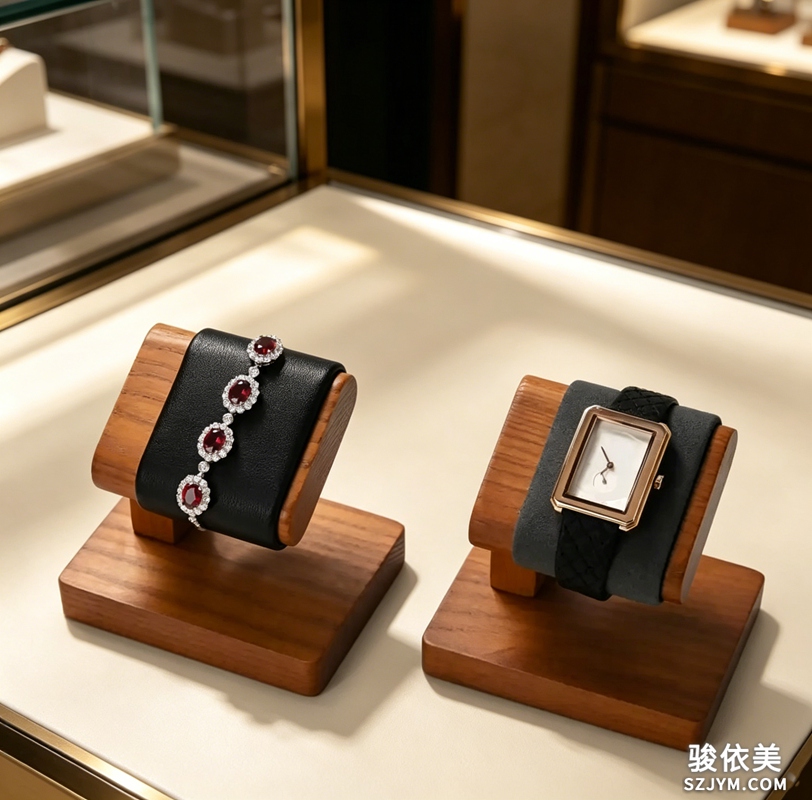
The heart of set display is putting strap and head on the same sightline. The practical move is a slim rail beside the watch stand, hanging the same-series straps in a row—equal length, clasps facing out. The customer compares colour and grain at a glance, without digging through drawers. Done this way, the chance of an add-on sale grows on its own.
 Separate by material. Metal bracelets fear knocks, leather fears sun, rubber fears oil; mixed together they look messy and get damaged. Zone them: lay metal on a thin bar, curl leather slightly to show the pore texture, and spread rubber flat to show its sport. Once zoned, each material's selling point speaks for itself.
Straps can tell a story of pairing. Place a dial and strap of the same colour family side by side, or use a clash on purpose to make a memory point—both are cheap and good-looking. Keep two or three "head plus strap" demo combos so the customer sees the whole character after a swap, not just a bare watch.
Separate by material. Metal bracelets fear knocks, leather fears sun, rubber fears oil; mixed together they look messy and get damaged. Zone them: lay metal on a thin bar, curl leather slightly to show the pore texture, and spread rubber flat to show its sport. Once zoned, each material's selling point speaks for itself.
Straps can tell a story of pairing. Place a dial and strap of the same colour family side by side, or use a clash on purpose to make a memory point—both are cheap and good-looking. Keep two or three "head plus strap" demo combos so the customer sees the whole character after a swap, not just a bare watch.
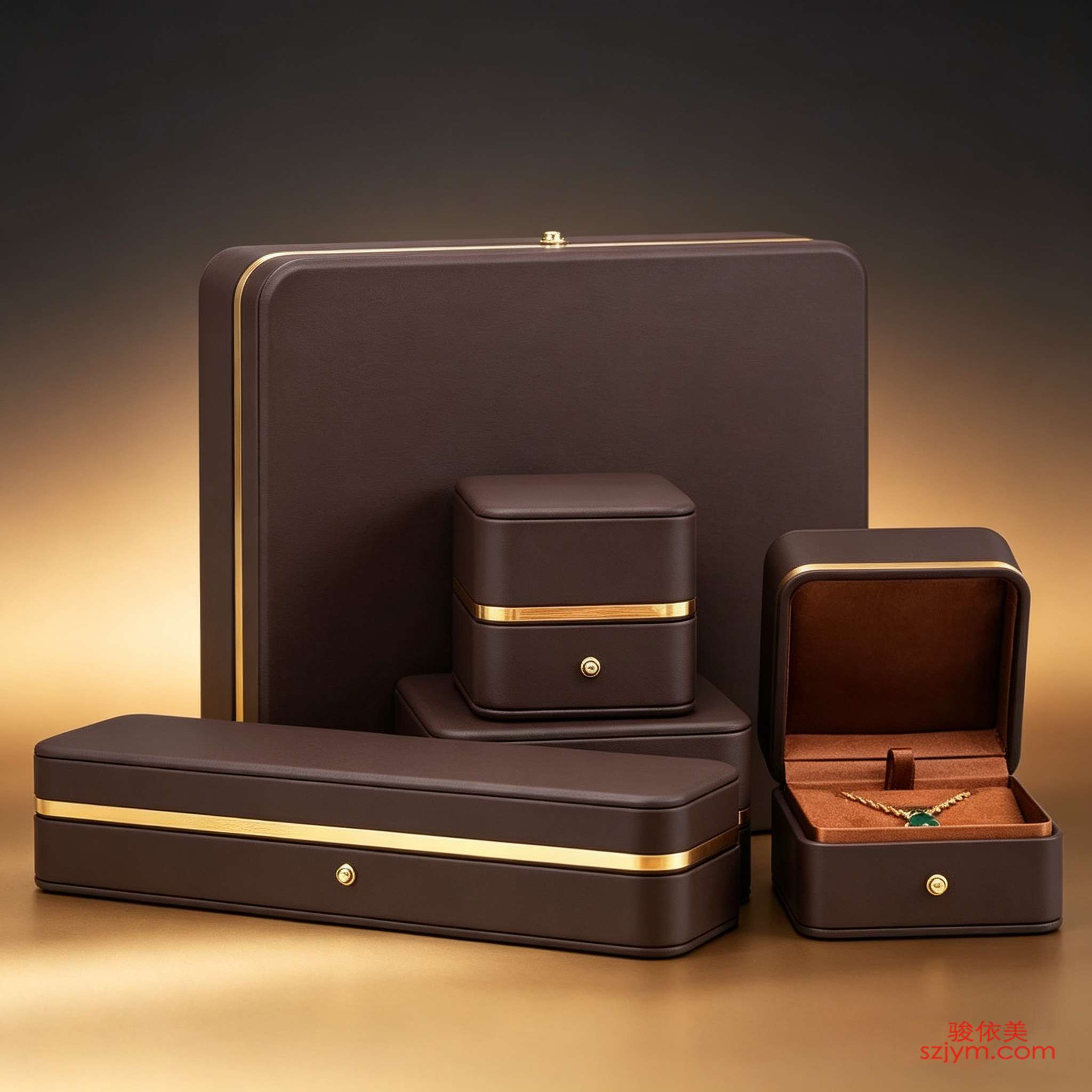
 Accessories are not only straps. The box, tools, spare spring bars and warranty card can sit together on a small tray—professional to see, and quicker at handover. Give them the same display language as the straps: same backdrop, same spacing. The whole group then looks designed, not piled.
Good accessory display turns a watch counter from "selling one watch" into "selling a way to wear it." The customer leaves with a whole mood they can change daily, not a lonely head. That gap often hides in the few inches of the strap.
本文为原创内容,版权归骏依美所有。如需转载请注明出处。
Accessories are not only straps. The box, tools, spare spring bars and warranty card can sit together on a small tray—professional to see, and quicker at handover. Give them the same display language as the straps: same backdrop, same spacing. The whole group then looks designed, not piled.
Good accessory display turns a watch counter from "selling one watch" into "selling a way to wear it." The customer leaves with a whole mood they can change daily, not a lonely head. That gap often hides in the few inches of the strap.
本文为原创内容,版权归骏依美所有。如需转载请注明出处。
lbobo 专注腕表陈列系统与展示道具,让每一只腕表在国际展台从容亮相。 lbobo builds watch display systems and props that let every timepiece shine on the global stage.卖腕表的人大多把灯光和目光都交给表盘,表带却常常被随手搭在角落。可对手表懂行的人,表带往往是决定掏不掏钱的那一半。一条金属链、一根皮表带、一张尼龙带,质感与工艺一目了然,值得和表头一样被认真陈列。 配套陈列的核心,是让表带和表头处在同一视线上。最实用的做法是在表座旁设置一条窄展示条,把同系列的表带并排挂出,长度一致、卡扣朝外。顾客一眼就能比对颜色与纹路,不用反复从抽屉里翻。这样一组下来,连带销售的机会自然变多。
材质要分开放。金属带怕磕、皮表带怕晒、橡胶带怕油污,混在一处既显乱也伤货。建议按材质分区:金属链用细杆平铺,皮表带微微打卷露出毛孔纹理,橡胶带则直接展开示其运动感。分区之后,每种材质的卖点自己会说话。
挂出的表带尽量统一长度与卡扣朝向,视觉才整齐。长短不一、正反交错,看着就像没整理过。可以用带凹槽的展示条把每根表带固定在同一基准线上,顾客比对时不被杂乱干扰,也更愿意多停留几秒。
表带还可以讲搭配。把同色系的表盘与表带并置,或故意用撞色制造记忆点,都是低成本的好看。门店不妨准备两三套"表头加表带"的示范组合,让顾客看见换带后的整体气质,而不是只盯着裸表。
换季时表带也该跟着换。夏天多推透气尼龙与橡胶,冬天主推皮与金属,陈列跟着库存节奏走,顾客进店总能看到当季的样子。把过季表带收进抽屉而非堆在台面,台面始终留给出得去的货,转化反而更高。
配件不只有表带。表盒、工具、备用生耳、保修卡这些小物,也能用一个小托盘集中呈现,既显专业,也减少交付时的翻找。把它们和表带归到同一套陈列语言里——同样的底色、同样的间距——整组看上去就像经过设计,而不是随手堆着。
做好配件陈列,腕表柜台就从"卖一只表"变成"卖一种戴法"。顾客带走的不是一个孤零零的表头,而是一整套可以天天换的心情。这中间的差距,往往就藏在表带那一方寸之间。
本文为原创内容,版权归骏依美所有。如需转载请注明出处。
lbobo 专注腕表陈列系统与展示道具,让每一只腕表在国际展台从容亮相。 lbobo builds watch display systems and props that let every timepiece shine on the global stage.
Separate by material. Metal bracelets fear knocks, leather fears sun, rubber fears oil; mixed together they look messy and get damaged. Zone them: lay metal on a thin bar, curl leather slightly to show the pore texture, and spread rubber flat to show its sport. Once zoned, each material's selling point speaks for itself.
Straps can tell a story of pairing. Place a dial and strap of the same colour family side by side, or use a clash on purpose to make a memory point—both are cheap and good-looking. Keep two or three "head plus strap" demo combos so the customer sees the whole character after a swap, not just a bare watch.
Accessories are not only straps. The box, tools, spare spring bars and warranty card can sit together on a small tray—professional to see, and quicker at handover. Give them the same display language as the straps: same backdrop, same spacing. The whole group then looks designed, not piled.
Good accessory display turns a watch counter from "selling one watch" into "selling a way to wear it." The customer leaves with a whole mood they can change daily, not a lonely head. That gap often hides in the few inches of the strap.
本文为原创内容,版权归骏依美所有。如需转载请注明出处。lbobo 专注腕表陈列系统与展示道具,让每一只腕表在国际展台从容亮相。 lbobo builds watch display systems and props that let every timepiece shine on the global stage.卖腕表的人大多把灯光和目光都交给表盘,表带却常常被随手搭在角落。可对手表懂行的人,表带往往是决定掏不掏钱的那一半。一条金属链、一根皮表带、一张尼龙带,质感与工艺一目了然,值得和表头一样被认真陈列。 配套陈列的核心,是让表带和表头处在同一视线上。最实用的做法是在表座旁设置一条窄展示条,把同系列的表带并排挂出,长度一致、卡扣朝外。顾客一眼就能比对颜色与纹路,不用反复从抽屉里翻。这样一组下来,连带销售的机会自然变多。
材质要分开放。金属带怕磕、皮表带怕晒、橡胶带怕油污,混在一处既显乱也伤货。建议按材质分区:金属链用细杆平铺,皮表带微微打卷露出毛孔纹理,橡胶带则直接展开示其运动感。分区之后,每种材质的卖点自己会说话。
挂出的表带尽量统一长度与卡扣朝向,视觉才整齐。长短不一、正反交错,看着就像没整理过。可以用带凹槽的展示条把每根表带固定在同一基准线上,顾客比对时不被杂乱干扰,也更愿意多停留几秒。
表带还可以讲搭配。把同色系的表盘与表带并置,或故意用撞色制造记忆点,都是低成本的好看。门店不妨准备两三套"表头加表带"的示范组合,让顾客看见换带后的整体气质,而不是只盯着裸表。
换季时表带也该跟着换。夏天多推透气尼龙与橡胶,冬天主推皮与金属,陈列跟着库存节奏走,顾客进店总能看到当季的样子。把过季表带收进抽屉而非堆在台面,台面始终留给出得去的货,转化反而更高。
配件不只有表带。表盒、工具、备用生耳、保修卡这些小物,也能用一个小托盘集中呈现,既显专业,也减少交付时的翻找。把它们和表带归到同一套陈列语言里——同样的底色、同样的间距——整组看上去就像经过设计,而不是随手堆着。
做好配件陈列,腕表柜台就从"卖一只表"变成"卖一种戴法"。顾客带走的不是一个孤零零的表头,而是一整套可以天天换的心情。这中间的差距,往往就藏在表带那一方寸之间。
本文为原创内容,版权归骏依美所有。如需转载请注明出处。lbobo 专注腕表陈列系统与展示道具,让每一只腕表在国际展台从容亮相。 lbobo builds watch display systems and props that let every timepiece shine on the global stage.