The Evolution of Jewelry Display Aesthetics: From Traditional Counters to Immersive Experience Design珠宝陈列美学的演进:从传统柜台到沉浸式体验设计
The Historical Context and Contemporary Transformation of Jewelry Display
From the glass display cabinets of nineteenth-century European royal jewel chambers to the standardized counters of twentieth-century department stores, jewelry display has undergone a long and profound evolution. Early jewelry exhibitions prioritized security, with display methods being relatively monotonous. Merchants focused more on anti-theft and storage functions rather than the artistry of visual presentation. Entering the twenty-first century, as consumer aesthetic awareness awakened and brand competition intensified, jewelry display gradually transformed from purely functional exhibition into an important vehicle for brand storytelling and emotional communication.
The design philosophy of contemporary jewelry retail spaces has undergone a fundamental shift. Designers no longer treat jewelry display props as auxiliary accessories but as core components of the overall spatial aesthetics. From material selection to lighting configuration, from spatial circulation to showcase proportions, every detail undergoes meticulous consideration. Modern consumers entering a jewelry boutique expect not merely the product itself but an immersive sensory experience. This transformation has prompted jewelry brands to re-examine their display strategies, integrating product packaging and display environments into a unified design that builds a complete brand visual system.
Core Principles of Immersive Display Design
The essence of immersive jewelry display design lies in the organic fusion of "narrative" and "layering." An outstanding display scheme must first establish a clear thematic narrative—each piece of jewelry carries unique design inspiration and cultural background. As a display carrier, the jewelry display stand should guide viewers along a visual journey following the brand's preset storyline.
Regarding visual hierarchy, display design should follow the principle of "clear priorities and dynamic arrangement." Core exhibits should occupy visual focal positions, complemented by carefully designed jewelry display stands that create multi-level presentation. The foreground area can feature the current season's highlighted styles, the midground showcases classic collections, and the background is used for narrative presentation of heritage series. This three-tier structure not only creates depth perception but also naturally guides the viewer's gaze, extending dwell time.
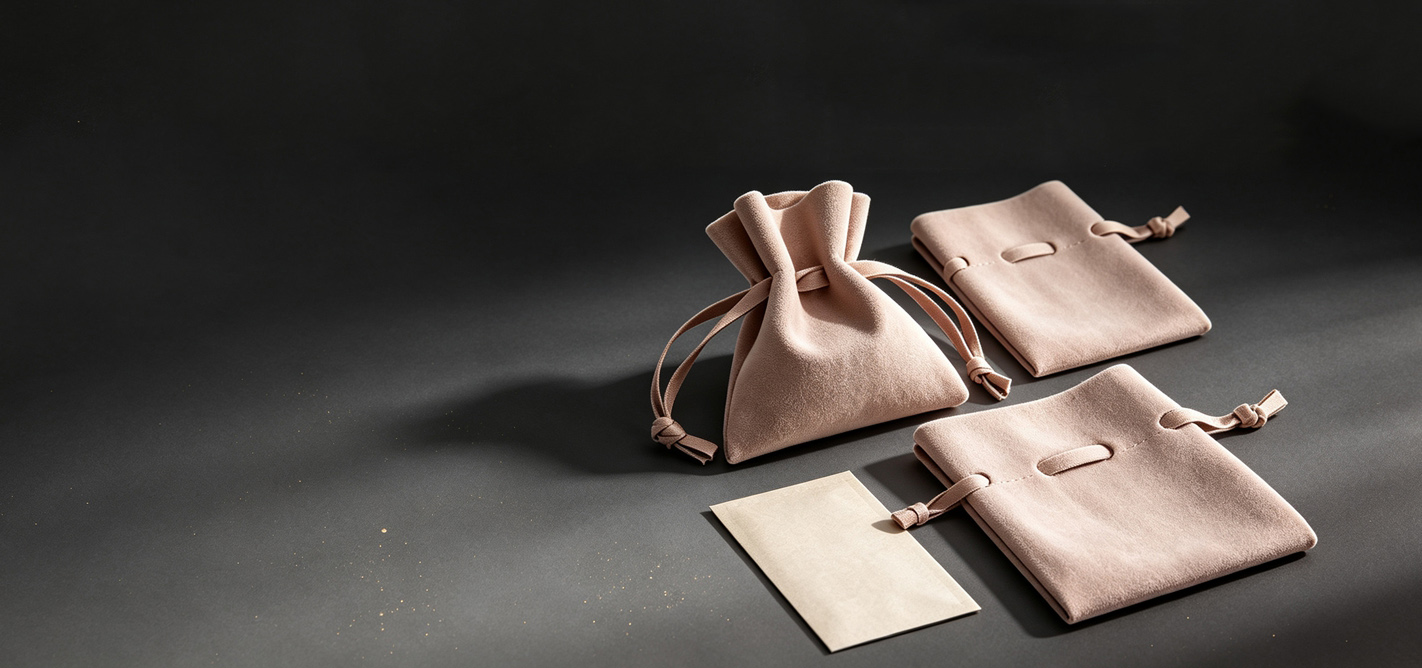
Color coordination is equally critical. Warm-toned lighting suits gold and colored gemstones, highlighting the warm material qualities; cool tones better complement diamond and platinum collections, emphasizing their cool purity. Designers need to flexibly adjust according to product characteristics, allowing each exhibit to radiate its best brilliance in the most suitable light environment.
The Artistic Expression of Lighting and Materials in Jewelry Display
Lighting is the soul of jewelry display. In the design of professional jewelry display platforms, the illumination system is by no means simple brightness stacking but precise "light and shadow sculpture" for each exhibit. Overhead spotlights provide main illumination, side light sources outline the facets of gemstones, and bottom backlighting gives transparent gems a translucent floating sensation. The refined control of this three-layer lighting system can make a diamond ring present dramatically different fire effects at various angles.
Material selection carries equal weight. The classic texture of velvet lining suits high-jewelry collections, conveying warmth and luxury; the modern style of acrylic and metal combinations better fits fashion silver jewelry brands, highlighting avant-garde sharpness. Natural marble bases add stable visual anchoring to fine jewelry, while dark wooden trays create a sense of historical weight for antique jewelry. The language of materials must echo or dialogue with the character of the jewelry itself, rather than conflict with it.
In the design of watch display props, rotating bases and adjustable-angle cushions allow each timepiece to present itself at its optimal posture. Such functional props not only ensure display effectiveness but also enhance the interactive experience between viewers and products.
The Synergistic Effect of Packaging and Display
There exists a close synergistic relationship between jewelry packaging and retail display. A meticulously designed jewelry box is not merely a protective shell for the product but an extension of brand aesthetics after the consumer leaves the store. When a customer opens the jewelry box, the multi-sensory experience of sight, touch, and scent deeply embeds brand memory into the consumer's mind.
From the retail terminal perspective, display and packaging should form a unified visual language system. The color palette, material textures of display props in the showcase maintaining consistency with the design elements of the brand's jewelry boxes can reinforce brand recognition. For instance, the brand's signature blue velvet appearing both on the display base in the counter and as the lining material of the jewelry box—this consistency allows consumers to evoke memories of the terminal experience through packaging even after the purchase is complete.
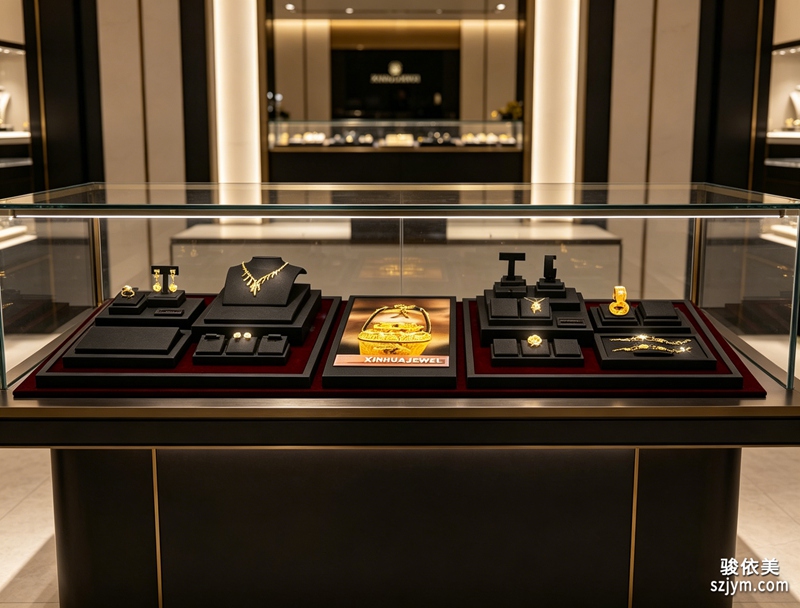
For wholesale channels, jewelry box wholesale is not merely a supply chain link but a key aspect of standardized brand output. A unified specification and quality packaging system ensures that products maintain consistent brand tone across different retail terminals. Professional packaging suppliers can provide one-stop solutions from structural design to surface craftsmanship according to brand requirements, helping brands find the optimal balance between cost control and quality pursuit.
Future Trends: The Intersection of Digitalization and Personalization
Looking ahead to the future of jewelry retail, digital technology and personalized customization are profoundly reshaping the display and packaging sectors. Augmented reality technology makes virtual try-ons possible, allowing consumers to preview jewelry effects through smart mirrors without actual wearing. Digital signage can dynamically adjust display content based on real-time data, prioritizing seasonal highlights or well-stocked products.
The personalization trend also extends into the packaging domain. An increasing number of brands are offering design and customization services, allowing consumers to participate in the exterior design of jewelry boxes—from materials and colors to personalized engraving, creating unique exclusive packaging. This deep engagement not only strengthens the emotional bond between consumers and brands but also creates differentiation competitive advantages for brands.
The concept of sustainable development is also driving industry transformation. The application of eco-friendly materials, the promotion of recyclable packaging design, and the modular design of display props to extend service life—these initiatives both respond to consumers' growing environmental awareness and reflect brands' social responsibility. The future of jewelry display and packaging will find a more harmonious intersection among aesthetic pursuit, technological innovation, and sustainable development.
This article is original content, copyrighted by Shenzhen Junyimei. Please indicate the source when reprinting.
Junyimei — Making every piece of jewelry and watch presented better. Specializing in jewelry boxes, jewelry display stands, watch display props. Shenzhen-owned factory, custom design supported. Inquiries welcome!
珠宝陈列的历史脉络与当代变革
从十九世纪欧洲宫廷珠宝室的玻璃展柜,到二十世纪百货公司的标准化柜台,珠宝陈列经历了漫长而深刻的演变。早期珠宝展示以安全防护为核心诉求,陈列方式较为单一,商家更注重防盗与收纳功能,而非视觉呈现的艺术性。进入二十一世纪后,消费者审美意识觉醒,品牌竞争日益激烈,珠宝陈列逐渐从纯粹的功能性展示转变为品牌叙事与情感传递的重要载体。
当代珠宝零售空间的设计理念已发生根本性转变。设计师不再将珠宝道具视为附属配件,而是将其纳入整体空间美学的核心构成。从材质选择到灯光配置,从空间动线到展柜比例,每一个细节都经过精密考量。现代消费者走进珠宝店铺,期望获得的不仅是商品本身,更是一段沉浸式的感官体验。这种转变促使珠宝品牌重新审视陈列策略,将产品包装与展示环境进行一体化设计,构建完整的品牌视觉体系。
沉浸式陈列设计的核心原则
沉浸式珠宝陈列设计的核心在于"故事性"与"层次感"的有机融合。优秀的陈列方案首先需要建立清晰的主题叙事——每件珠宝背后都承载着独特的设计灵感与文化背景,陈列架作为展示载体,应当引导观众沿着品牌预设的故事线展开视觉旅程。
视觉层次方面,陈列设计需遵循"主次分明、错落有致"的原则。核心展品应占据视觉焦点位置,辅以精心设计的珠宝陈列架构建高低错落的展示层次。前景区域可摆放当季主推款式,中景设置经典系列,远景则用于品牌传承系列的叙事性呈现。三层结构不仅营造出纵深感,更让观众目光自然流转,延长停留时间。
色彩搭配同样关键。暖色调灯光适合黄金与彩色宝石,能突显材质的温润质感;冷色调则更契合钻石与白金系列,强调其冷峻与纯净。设计师需根据产品特性灵活调配,让每一件展品在最适合的光环境中绽放光彩。
灯光与材质在珠宝陈列中的艺术表达
灯光是珠宝陈列的灵魂。专业珠宝摆台的设计中,照明系统绝非简单的亮度叠加,而是对每件展品进行精准的"光影雕塑"。顶部射灯提供主照明,侧光源勾勒宝石切面轮廓,底部背光则赋予透明宝石通透的悬浮感。三层灯光体系的精细调控,能让一枚钻石戒指在不同角度呈现截然不同的火彩效果。
材质选择同样举足轻重。丝绒内衬的经典质感适合高级珠宝系列,传递温润与华贵;亚克力与金属组合的现代风格更契合时尚银饰品牌,凸显先锋与锐利。天然大理石底座为高珠增添沉稳的视觉锚点,而深色木质托盘则为古董珠宝营造历史厚重感。材质的语言与珠宝本身的气质必须形成呼应或对话,而非相互冲突。
在手表陈列道具的设计中,旋转展示底座与可调节角度的表枕让每枚腕表都能以最佳姿态呈现在观众面前。这类功能性道具既保障了展示效果,也提升了观众与产品之间的互动体验。
包装与陈列的协同效应
珠宝包装与终端陈列之间存在紧密的协同关系。一款精心设计的首饰盒不仅是产品的保护壳,更是品牌美学在消费者离店后的延续。当顾客打开首饰盒的瞬间,视觉、触觉与嗅觉的多重感官体验将品牌记忆深深植入消费者心智。
从零售终端的角度看,陈列与包装应构成统一的视觉语言系统。展柜中珠宝道具的色彩基调、材质纹理与品牌首饰盒的设计元素保持一致,能强化品牌识别度。例如,品牌标志性的蓝色丝绒既出现在柜台陈列底座上,也作为首饰盒的内衬材质,这种一致性设计让消费者在购买行为完成后仍能通过包装唤起终端体验的记忆。
对于批发渠道而言,珠宝盒批发不仅是供应链环节,更是品牌标准化输出的关键。统一规格、统一品质的包装体系确保了产品在不同终端呈现时维持一致的品牌调性。专业的包装供应商能够根据品牌需求提供从结构设计到表面工艺的一站式解决方案,帮助品牌在成本控制与品质追求之间找到最佳平衡点。
未来趋势:数字化与个性化的交汇
展望珠宝零售的未来,数字化技术与个性化定制正在深度重塑陈列与包装领域。增强现实技术让虚拟试戴成为可能,消费者无需实际佩戴即可通过智能镜面预览珠宝效果。数字标牌可根据实时数据动态调整展示内容,将当季主推款式或库存充裕的产品优先呈现。
个性化趋势同样延伸至包装领域。越来越多的品牌开始提供设计与定制服务,允许消费者参与首饰盒的外观设计,从材质、色彩到个性化铭刻,打造独一无二的专属包装。这种深度参与不仅增强了消费者与品牌之间的情感纽带,也为品牌创造了差异化竞争优势。
可持续发展的理念也在驱动行业变革。环保材料的应用、可循环包装设计的推广,以及陈列道具的模块化设计以延长使用寿命,这些举措既回应了消费者日益增长的环保意识,也体现了品牌的社会责任担当。未来的珠宝陈列与包装,将在美学追求、技术创新与可持续发展之间找到更加和谐的交汇点。
本文为原创内容,版权归深圳骏依美所有,转载请注明出处。
骏依美——让每一件珠宝与腕表,都被更好地呈现。专注珠宝盒、首饰盒、珠宝陈列架、手表陈列道具等包装产品的设计与生产,深圳自有工厂,支持来图定制打样,欢迎咨询合作!