How to Package Small Jewelry to Look Expensive小件怎么包出高级感
A single stud, a plain band, a thin chain — small pieces with small footprints, yet they are the easiest to undermine with cheap-feeling packaging. How do you make tiny jewelry look expensive? Here are the questions jewelers and buyers actually ask.
Q1: Why are small pieces especially vulnerable to bad packaging?
Small items have no volume to carry the presentation — the package is the first thing the customer meets. Packaging manufacturer Dahlinger ran a now-classic test: a ring costing just €16 was shown to three groups inside three grades of box. In a budget plastic box it was valued at €75; in a hinged box, €225; in a luxury box, a whopping €400. Same ring, perceived value multiplied fivefold by packaging alone.
The mechanism is the 'halo effect': a Harvard Business School study found consumers automatically equate premium packaging with superior craftsmanship, raising willingness to pay by up to 30%. For small pieces, which carry little visual information of their own, packaging carries a disproportionately large share of that trust. This is why jewelry packaging is never a sidekick in the sales chain — it is the first knock on the door.
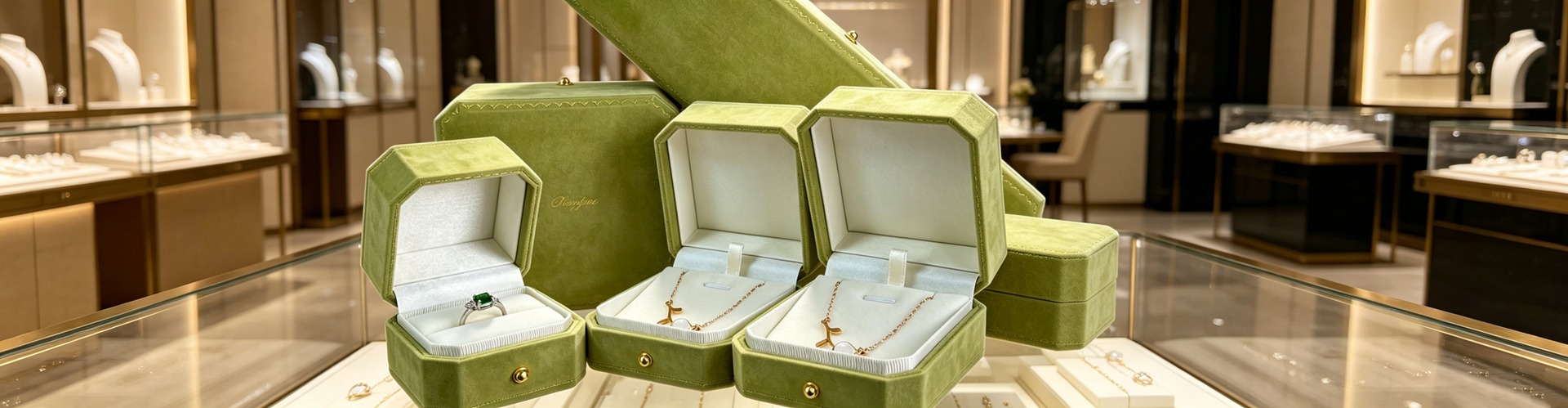
Q2: What structural details matter for studs, rings and chains?
It comes down to 'secure placement.' Studs hate movement and scratching — a good jewelry box gives each earring its own velvet slot or pin hole so the pair stays symmetrical. Rings need shape retention: the ring insert must hug the band so it cannot be crushed in transit. Thin chains want tangle-free clasps and a flat layout.
These micro-structures decide whether the customer meets the piece 'resting calmly' or 'tangled in a mess.' In custom jewelry packaging, makers often tool a dedicated insert per SKU so every small piece has its own home. A jewelry box is not more impressive when bigger; it is impressive when it wraps the piece snugly and locks it still.
Q3: How do material and touch signal quality without looking cheap?
For small pieces, feel does the talking. Research from Oxford's experimental psychology department found heftier packaging (a rigid board box with a magnetic closure) lifts perceived value by about 22%; the soft 'click' of a magnetic lid says more than any slogan. On materials, a velvet insert plus a recycled-paper outer box plus a reusable jewelry pouch is the safe trio.
The pouch is both protection and a brand touchpoint — kept and reused, it carries the brand into daily life. Nielsen data backs this: 73% of consumers perceive jewelry in refined packaging as higher quality. The craft of jewelry pouch making lives in exactly these touchable details: fabric grain, drawstring, embossing — each one says a quiet word for the brand.
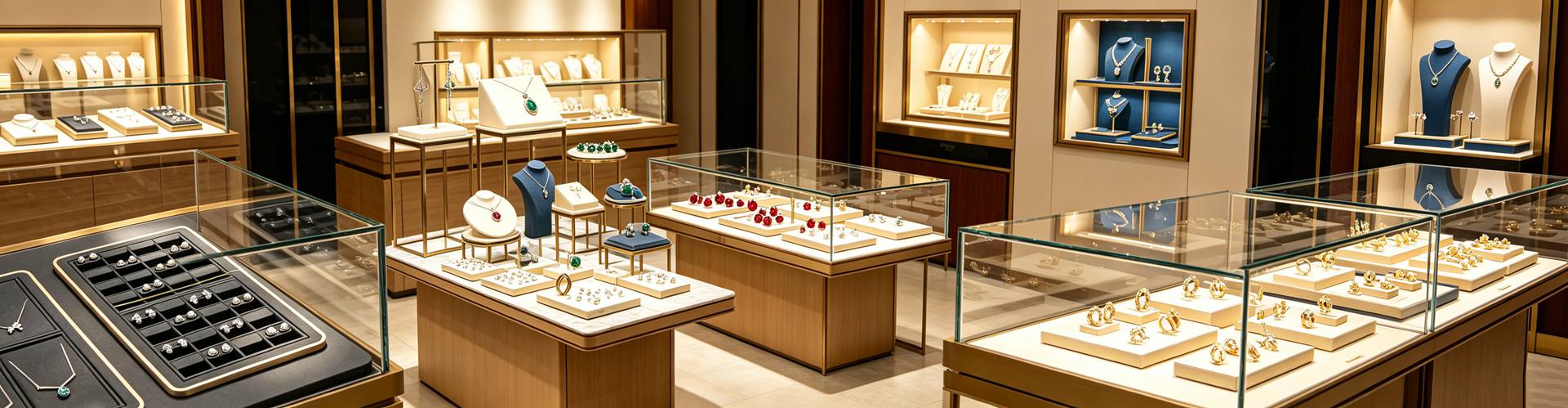
Q4: Should small pieces have branding, or is that overkill?
Branding is not stuffing. DTC jewelry brands show that a 'signature material plus a brand card plus a reusable pouch' tells the story without over-boxing. A common mistake is dropping a tiny stud into a box three sizes too big — the emptiness reads as cheap. Good jewelry packaging design is tailoring: the box should be one notch larger than the piece; negative space is restraint, not waste.
Mejuri cut plastic use by 90% with minimal reusable pouches and won over younger buyers — proof that small and sustainable can coexist. Jewelry box design follows the same rule: the right structure beats a scary size every time.
Q5: Once packaged, how does display carry the baton?
Small pieces get 'lost' on the counter fastest. Display props and showcases lift fine items to eye level and light them at 3000–4000K with CRI 90+ to bring out the sparkle. Retail studies suggest structured display can lift conversion 20–40%, and eye-level pieces get picked up 82% more often.
In short: packaging owns the 'moment of unboxing,' display owns 'being seen in-store' — together, even the tiniest piece can carry a premium ticket. When a jewelry box factory prototypes with the display logic in mind, the store usually avoids a lot of dead ends.
Junyimei — present every jewel and timepiece at its best.
一枚耳钉、一枚素圈戒指、一条细链——它们个头小、单价未必高,却最容易被「廉价感」拖垮。小件饰品怎么靠包装把高级感做出来?我们用几组真实问题来讲清楚。
Q1:小件饰品为什么特别怕包装拉胯?
小件没有大体积撑场面,包装就是它对顾客说的第一句话。专业珠宝包装商 Dahlinger 做过一个经典实验:把一枚成本仅 €16 的戒指,分别放进三种盒子里给三组消费者估值——塑料廉价盒里大家觉得值 €75,带铰链的普通盒值 €225,而放进奢华珠宝盒后,估值直接冲到 €400。同样一枚戒指,包装把感知价值放大了 5 倍。
这不是玄学,是「光环效应」:哈佛商学院的研究指出,消费者会把高级包装自动等同于产品做工更好,平均愿意多付最高 30%。对小件来说,因为本身视觉信息少,包装承担的信任背书比例反而更高。这也是为什么珠宝包装在零售链路里从不是配角,而是成交的第一块敲门砖。
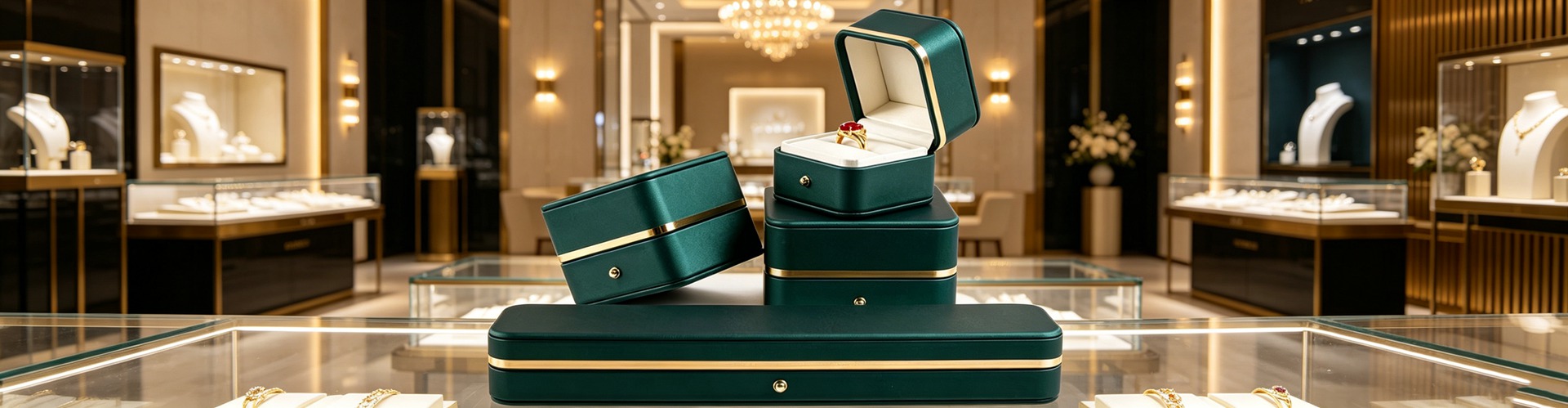
Q2:耳钉、戒指、细链,包装结构有什么讲究?
关键在「卡位」。耳钉最怕晃动刮花和左右颠倒,好的饰品包装盒会在内衬上做独立耳针插孔或植绒凹槽,让两只耳钉对称固定;戒指要保形,戒指盒的内圈托要贴合指圈,避免运输中挤压变形;细链、项链则要用防缠绕的固定扣,平铺不卷曲。
这些看似微小的结构,决定了顾客拆开时珠宝是「安稳躺着」还是「乱成一团」。深圳骏依美在珠宝盒定制时,常按单品尺寸开模做内托,正是为了让每一件小饰品都有专属的安放位置。首饰盒不是越大越气派,刚好裹住珠宝、又稳稳锁住,才是最见功力的设计。
Q3:材质和触感怎么选才不显廉价?
小件反而更靠「手感」说话。牛津大学实验心理学研究发现,有分量的包装(比如硬挺的灰板盒加磁吸盖)能把感知价值提升约 22%;开盖时那一声轻轻的「咔哒」,比任何标语都更有说服力。面料上,植绒内衬、再生纸外盒、可重复使用的首饰袋是稳妥组合。
首饰袋既是保护也是品牌触点,顾客留着反复用,就等于把品牌带进了日常生活。尼尔森的数据也印证——73% 的消费者认为装在精致包装里的珠宝「品质更好」。珠宝袋加工讲究的正是这种可触达的细腻:布纹、抽绳、压印,每一处都替品牌多说了一句话。
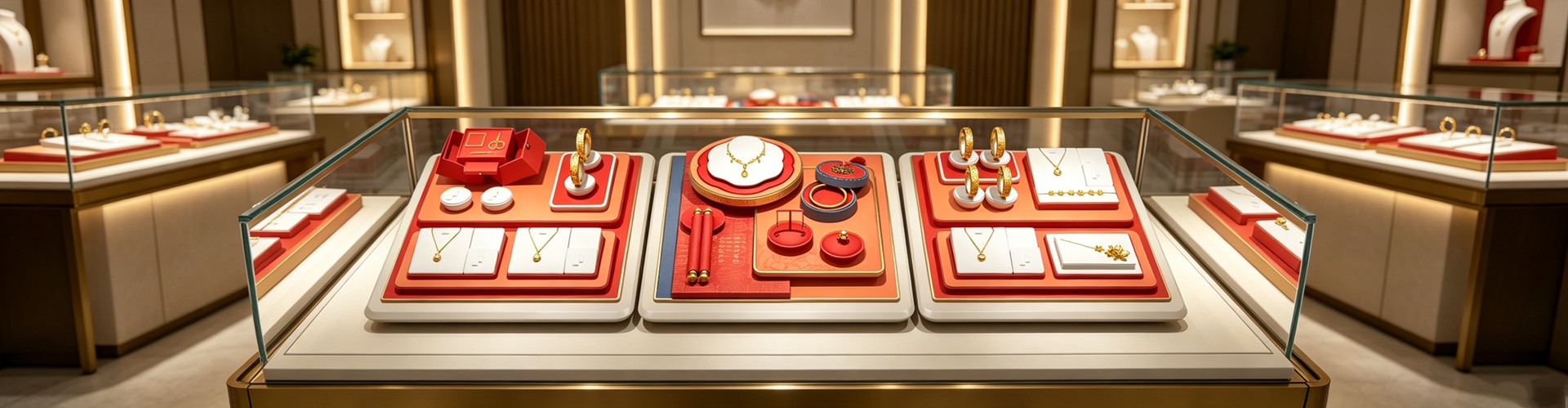
Q4:小件也要做品牌感吗?会不会用力过猛?
品牌感不等于堆料。DTC 珠宝品牌的实践表明,小批量用「记忆点材质 + 一张品牌卡 + 可复用首饰袋」就足够讲清故事,不必大盒套小盒。行业里一个常见误区,是把所有尺寸塞进同一种通用盒,结果大盒子里躺着一颗小耳钉,空旷感反而暴露廉价。
珠宝包装设计的精髓是「量体裁衣」:盒子比珠宝大一圈即可,留白是克制,不是浪费。Mejuri 这类品牌用极简可复用小袋把塑料使用降低了 90%,既环保又被年轻客群买单,就是范例。首饰盒设计也同理——结构对味,比尺寸唬人重要得多。
Q5:包装好了,陈列和展示怎么接力?
小件最容易被「埋」在柜台里。珠宝陈列道具和珠宝摆台的作用,就是把细碎的单品抬到平视高度、用 3000–4000K、显色指数 90+ 的灯光打出珠宝本身的火彩。有零售研究指出,结构化陈列能带来 20–40% 的成交提升,平视高度的单品被拿起的几率高出 82%。
换句话说,包装负责「到手那一刻的惊喜」,陈列负责「在店里被看见」——两者接力,小件也能撑起高客单。珠宝盒工厂在打样时若能把展示逻辑前置考虑,往往能让店铺少走很多弯路。
骏依美——让每一件珠宝与腕表,都被更好地呈现。