Why Ritual In Jewelry Gift Boxes Wins Hearts好礼盒自带仪式感
Take the same ring. Hand it over in a velvet-lined gift box tied with a ribbon, versus sliding it across the table in a plain poly bag — the light in the recipient's eyes is completely different. When jewelry is a gift, roughly half its value lives in the piece itself, and the other half lives in the moment it is unwrapped. Below are a few real questions about why gift packaging has moved from an afterthought to a deliberate strategy.
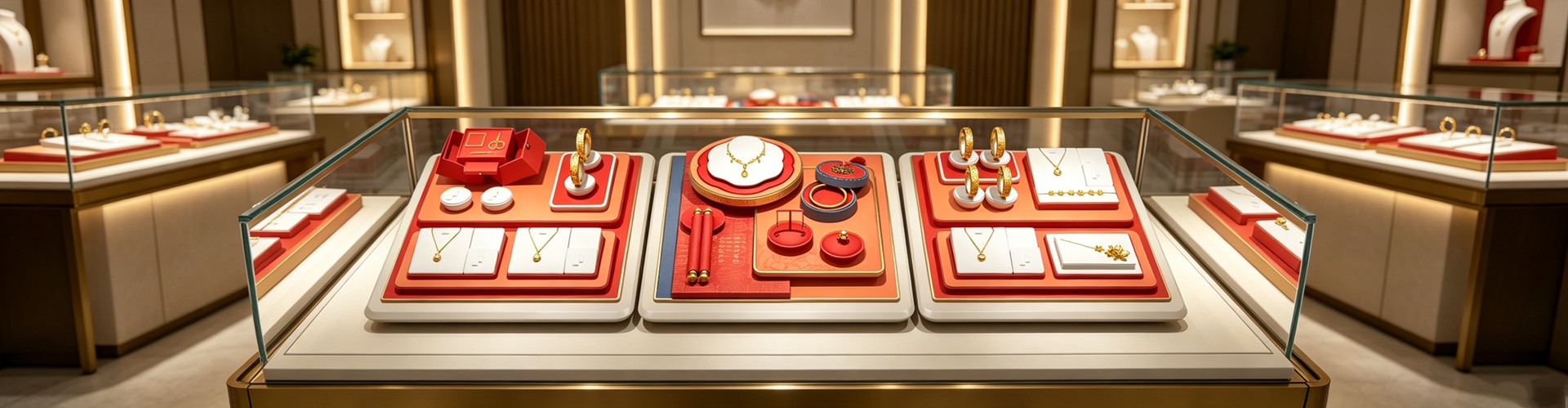
Q1: Why do recipients respond more to a "ritual" gift box?
Ritual is not mysticism; it is measurable consumer psychology. Industry research shows 72% of consumers' purchasing decisions are influenced by packaging design, and 45% believe gift-like packaging raises the perceived value of what is inside. Chinese e-commerce confirms the pattern at scale — a pink PU-leather jewelry case from Dalang, Dongguan sold more than 5,400 units on 1688 with a 65% repurchase rate, and the single most repeated buyer comment was that "the gift feels full of ritual." The iconic houses show the ceiling: Tiffany's blue box and Cartier's red case are kept and treasured long after the jewelry, turning a container into a status symbol. The pattern holds across price points: a fifteen-dollar pendant and a fifteen-thousand-dollar ring both rise in the receiver's estimation when the box signals care. For any jewelry box maker, the takeaway is plain — the box is the first impression of the gift itself, and first impressions are hard to redo. The lesson scales to the whole assortment: when every box in a collection speaks the same visual language, the brand becomes recognizable from the package alone, before the lid lifts. Anticipation is the cheapest emotion a brand can manufacture, and the box is the instrument that manufactures it. This is why the box, not the bow, does the quiet work of making a gift feel considered.
Q2: What tangible return does gift packaging give a brand?
The most direct return is repurchase. Data shows 52% of consumers are more likely to buy again when an order arrives in premium packaging, and one study found about a 28% revenue gap between jewelers who invest in the first-touch experience and those who do not. Better still, thoughtful packaging is a content engine that fires on every sale: the customer reaches for the ring and the phone at the same moment, and a well-built unboxing becomes authentic social proof — user-generated unboxing content pulls roughly 6x the engagement of brand-created posts, and surveys suggest about 40% of online shoppers will share a photo if the order arrives in branded packaging. Think of each shipment as a tiny content studio: a photogenic arrival is a free asset the brand never briefed or paid for, and it reaches an audience that already trusts the sender — the most valuable reach there is. And the 28% retention gap is not luck; it is the compound interest of a single moment done well, repeating across thousands of orders. A jewelry packaging program is therefore a retention channel, not a cost center. Packaging is also the only marketing material that lives in the client's home for years, an "invisible billboard" on the dresser. This is exactly why a jewelry box factory treats the box as advertising space, and why Shenzhen Junyimei designs packaging as a brand asset first. Every photogenic arrival is a small, free billboard carried straight into the recipient's social circle.
Q3: What actually happens in the brain at the unboxing moment?
A 2025 peer-reviewed study published in the Journal of Informatics Education and Research explains the mechanism: positive unboxing experiences activate brain regions linked to reward and pleasure, and crucially, dopamine is released not when the reward arrives but in anticipation of it. A well-built gift box uses layered reveal to pace that anticipation — outer mailer, tissue, inner box, pouch, then the piece — each layer a small reward priming the next. The soft snap of a magnetic closure, the tactile velvet insert, even a faint scent: these are multisensory cues that deepen memory and emotional connection. The same circuitry is why children remember the wrapping as much as the toy; adults are no different, which is also why a flat instant-open mailer feels disappointing even when the jewelry is identical — the brain was promised a sequence and got a single beat. Sequence is the product: remove the layers and you remove the emotion, no matter how fine the stone. So the care card and pull-ribbon inside a jewelry gift box are not decoration; they are a dopamine delivery system scheduled across the opening. A reusable jewelry pouch extends that touchpoint for months after the gift is given. The reward lands not at the reveal but in the climb toward it — so the job is to design the climb.
Q4: Which occasions make gift packaging a must?
Gifting is frequent and high-stakes, and the calendar is crowded. Shangpu Consulting's 2025 China colored-gem report finds 57% of colored-gem purchases are emotional, with "festival gifting" alone at 21%. In the US, Valentine's jewelry spending runs about $6.5B — the highest-value gift category of the day — and the Natural Diamond Council estimates the occasion drives roughly 7% of annual diamond demand, with one in four Americans buying jewelry for it. The Christmas season accounts for about 28% of annual US jewelry sales, and Mother's Day jewelry tops $6.8B, where 48% of shoppers prioritize "unique" and 42% prioritize "creating a special memory." Gifting has also widened well beyond couples: surveys show recipients now include friends (about 32%), coworkers (19%) and even pets (32%), while self-gifting — once a quiet minority — is now its own recognized peak, with shoppers buying "just because" to mark a personal win. Even the quiet "just because" purchase now earns its own unboxing ritual on social feeds, because the moment of giving to oneself deserves the same respect as giving to someone else. The practical lesson for a jewelry box maker is to map the calendar before the dieline: a Valentine's edition, a year-end edition, a Mother's Day edition, each tuned to the emotion of the day rather than one box used all year. Knowing the calendar lets a maker stock the right ritual box before the rush arrives, not during it.
Q5: Small budget — how do you still create ritual?
Ritual is not the same as spend. Low-cost, high-impact moves stack up: tissue in one consistent brand color, a handwritten thank-you card, a pull ribbon, and a magnetic lid whose snap signals quality. For fine and demi-fine pieces, a two-piece box with a separate lid (rather than a hinged clamshell) makes the reveal feel deliberate; line it with velvet or suede and the piece photographs beautifully too. For fashion jewelry under fifty dollars, a bold brand-colored kraft box sealed with a custom sticker delivers the same ritual at a fraction of the cost; tissue in the brand hue is the highest-impact, lowest-cost upgrade available. Add a reusable fabric or velvet jewelry pouch so the brand lives on as a walking billboard in the recipient's home. For businesses doing jewelry pouch manufacturing and jewelry box wholesale, setting eco materials — FSC-certified board, soy-based ink, compostable mailers — as the default rather than an upgrade lowers cost and earns points with modern buyers. The mistake is to read a small budget as permission to skip thought: a consistent color outperforms four random ones on recall, and a sincere note outperforms expensive embossing on trust — ritual is a decision, not a line item. Shenzhen Junyimei's rule is simple — decide what the gift should say for the giver first, then work backward to the package so nothing is wasted. What the recipient actually feels is thought, not spend — the budget behind the ritual is invisible to them.
Q6: How do I avoid the over-packaging backlash?
Ritual has limits. Surveys show close to 98% of consumers list "protective, right-sized packaging" as their top expectation for delivered goods, yet oversized void-fill and wasted material turn buyers off and can cost repurchases. The safe approach is to size the box to the piece: a formed insert that locks the jewelry in place, not a sea of shredded paper. Favor a reusable rigid box and pouch so the packaging earns a second life, and set eco materials as default so the gesture reads as caring rather than careless. Do not confuse eco with flimsy: a sturdy recycled board box feels both caring and luxurious, while flimsy non-recyclable plastic feels cheap under any logo. Right-sizing is respect made visible, and it also cuts shipping cost and damage risk, so the brand saves twice. When Shenzhen Junyimei prototypes a new box, the test is blunt: does this layer protect, does it create feeling, or is it just habit? Only the first two earn their place. Responsible packaging is a quiet promise from the brand that outlasts the unboxing itself.
This is original content. Copyright belongs to Shenzhen Junyimei.
Junyimei — present every jewel and timepiece at its best.
同样是那枚戒指,放进绒面礼盒、系上丝带递出去,和随手装在透明袋里塞过去,收礼人眼睛里的光完全不一样。珠宝作为礼物的价值,一半写在首饰上,另一半藏在"被打开"的那一刻。下面用几组真实问题,说说礼赠包装为什么越来越被重视。
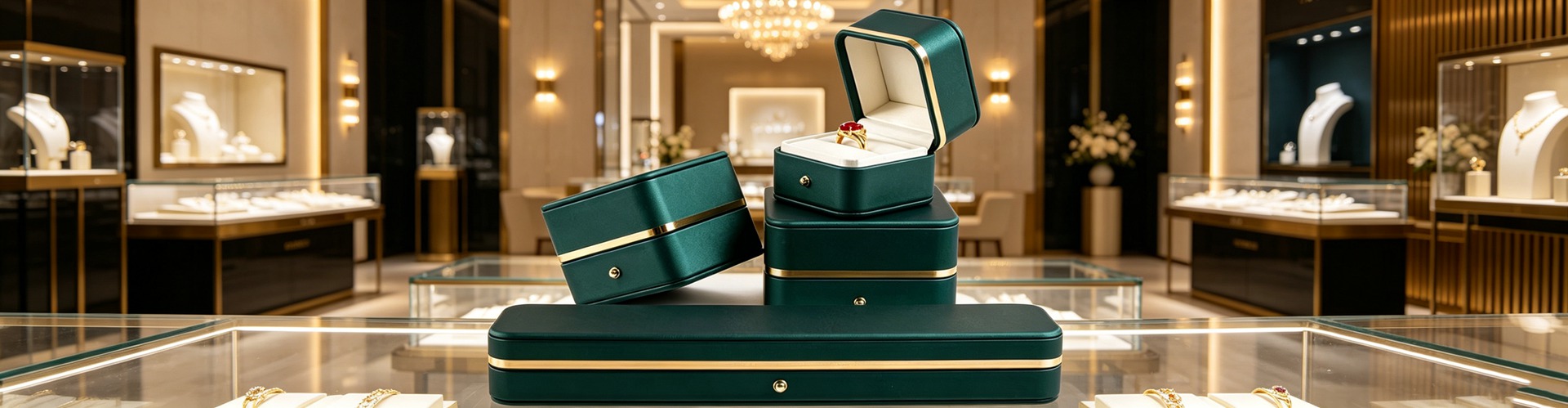
Q1:为什么"有仪式感"的礼盒,收礼人更买账?
仪式感不是玄学,是有数据支撑的消费心理。行业调研显示,72% 的消费者购买决定会受到包装设计影响,45% 的人认为"像礼物"的包装直接提升了商品感知价值。国内电商也验证了这一点:一款东莞大朗的粉色 PU 皮首饰盒,1688 上卖出 5400 多件、复购率高达 65%,买家留言里出现最多的就是"礼物很有仪式感""包装很精致"。当一件珠宝包装把"收到礼物"的期待感做足,它就已经从容器变成了情绪的载体,这也是为什么首饰盒与珠宝包装早已被写进产品故事,而不是事后补一笔。
Q2:礼赠包装对品牌有什么实打实的回报?
最直接的是复购。数据显示,52% 的消费者在收到高端包装的订单后更愿意再次购买;有研究指出,注重首次到手体验的珠宝商与忽视它的同行之间,存在约 28% 的营收差距。更妙的是,一套用心的珠宝包装相当于自带传播力——每笔订单都在替你生产内容:客户开箱拍照发到社交平台,等于一次真实背书,互动效果往往是品牌自产内容的 6 倍。算笔账:花十几元做好的开箱体验,带来的社媒口碑价值可能抵得过几百元的广告投放。包装还是唯一会"住"在客户家里的营销物料,当隐形广告牌长年提醒品牌。这也是为什么深圳骏依美这类珠宝盒工厂越来越强调"包装即广告位",把盒子当品牌资产来设计。
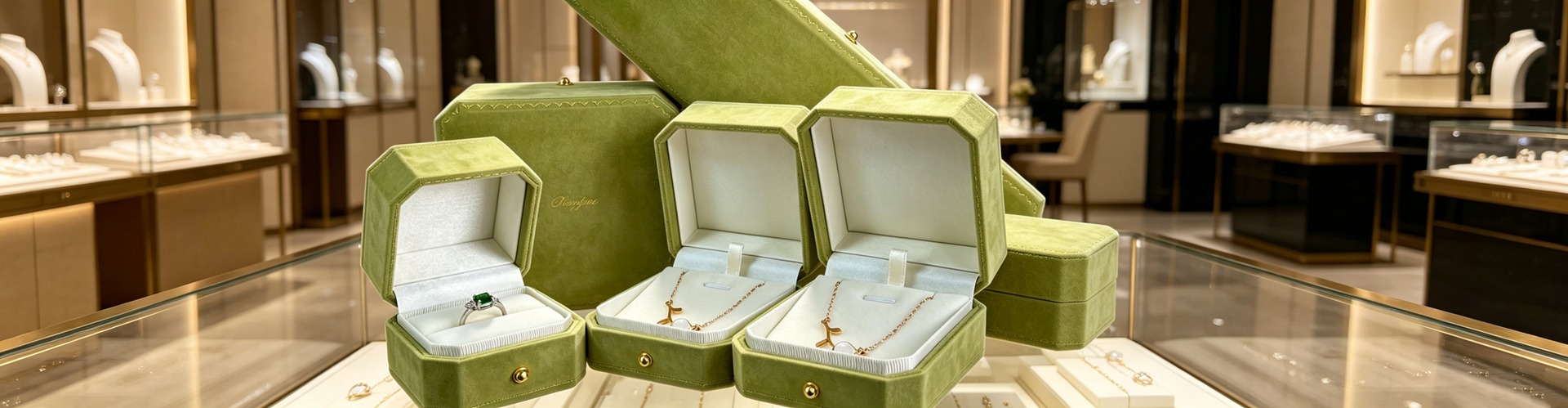
Q3:开箱那一刻,人的大脑到底发生了什么?
2025 年一篇同行评审研究给出了解释:正向的开箱体验会激活与奖赏、愉悦相关的脑区,而多巴胺其实在"期待获得"时就已经开始分泌,而非拿到手那一刻。好的礼盒用分层揭示来制造这种节奏——外箱、雪梨纸、内盒、首饰袋、再到首饰本身,每一层都是一个小奖励,不断为下一层铺垫情绪。那个"咔哒"的磁吸扣声响、丝绒内衬的触感、甚至一丝淡香,都在用多感官加深记忆。所以饰品包装盒里那张手写卡片、那条抽拉丝带,不是花哨,是在给大脑"递多巴胺"。一只可长期使用的首饰袋,更把这种触点在礼物送出手后延续数月。
Q4:哪些节点是礼赠包装的刚需高频场景?
送礼是高频刚需,且日历很满。尚普咨询《2025 中国彩宝市场洞察》显示,57% 的彩宝消费出于情感需求,其中"节日礼物"独占 21%。放大到全球:美国情人节珠宝消费约 65 亿美元、是当天价值最高的礼品类目,天然钻石协会估算情人节约占全年钻石需求 7%、每 4 个美国人就有 1 个会买珠宝送人;圣诞季占美国全年珠宝销售额约 28%;母亲节珠宝消费约 68 亿美元,48% 的消费者把"独特"、42% 把"留下特殊记忆"列为首要诉求。送礼对象也从伴侣扩展到朋友(约 32%)、同事(19%)甚至宠物(32%)。每一个节点,都是首饰盒设计该提前为"被送出去"做准备的机会——礼物能不能一眼心动,包装先替它说话。
Q5:小品牌预算有限,怎么把仪式感做出来?
仪式感不等于烧钱。低成本高回报的做法很多:统一品牌色的雪梨纸、一张手写体感谢卡、一根抽拉丝带、一个带磁吸的盒盖;再配一只可长期使用的帆布或绒面首饰袋,让品牌在收礼人家里"住"下来,变成行走的广告牌。对做珠宝袋加工与首饰盒批发的商家来说,把环保材质设为默认项(FSC 纸、大豆油墨、可降解邮袋)既能降成本又能加分。深圳骏依美的经验是:先想清楚"这件礼物要替收礼人说什么",再倒推包装,每一步都不浪费。
Q6:礼盒怎么避免"过度包装"翻车?
仪式感有度。调研显示,近 98% 的消费者把"防护到位"列为电商包装的首要期待,但过度填充、虚大空盒会引发反感,甚至劝退复购。稳妥做法是"量体裁盒":盒子刚好托住首饰,用定型内衬锁死位移,而不是塞满废纸。一件好的珠宝包装,应当是"打开时有惊喜、合上后还想留",而不是拆完一堆垃圾。深圳骏依美在打样时会先自问:这一层是为了保护、为了情绪,还是只是惯性?只留前两者。
本文为原创内容,版权归深圳骏依美所有,转载请注明出处。
骏依美——让每一件珠宝与腕表,都被更好地呈现。