Different Market, Different Setup: Regional Habits in Overseas Watch Display换个市场就得换个摆法:海外腕表陈列的地域差异
Anyone exporting watch display props has met this experience: a layout that performed beautifully in a domestic store is shipped unchanged to an overseas client, and the effect falls flat. The fault usually lies not in the props but in an assumption hidden inside the layout, namely a particular habit of looking. How a watch should be presented has never been a globally uniform answer. It shifts with local aesthetic tradition, store footprint and even climate.
Start with Europe. Independent watch shops in Western Europe are typically small, with shallow cabinets and limited shelf height, and customers stand close to study detail. Restraint wins here. Low stands in muted tones, one or two pieces per compartment, generous empty space. The less a prop competes, the better it is received, and matte leather or wood passes review more easily than glossy acrylic. Transplant the stacked risers and dense arrangement common in Asian malls and the local owner's first reaction is usually that it looks crowded.
North America follows different logic. Chains and department store counters dominate, so display must first be reproducible and easy to maintain, and only then expressive. Buyers therefore care about versatility: one stand model should accommodate case diameters from thirty eight to forty four millimetres, and staff should be able to reset a counter in minutes without training. Space for price cards and SKU labels must be designed in, not solved with a sticker later. For a North American buyer, a beautiful scheme that cannot be rolled out at scale is not a scheme at all.
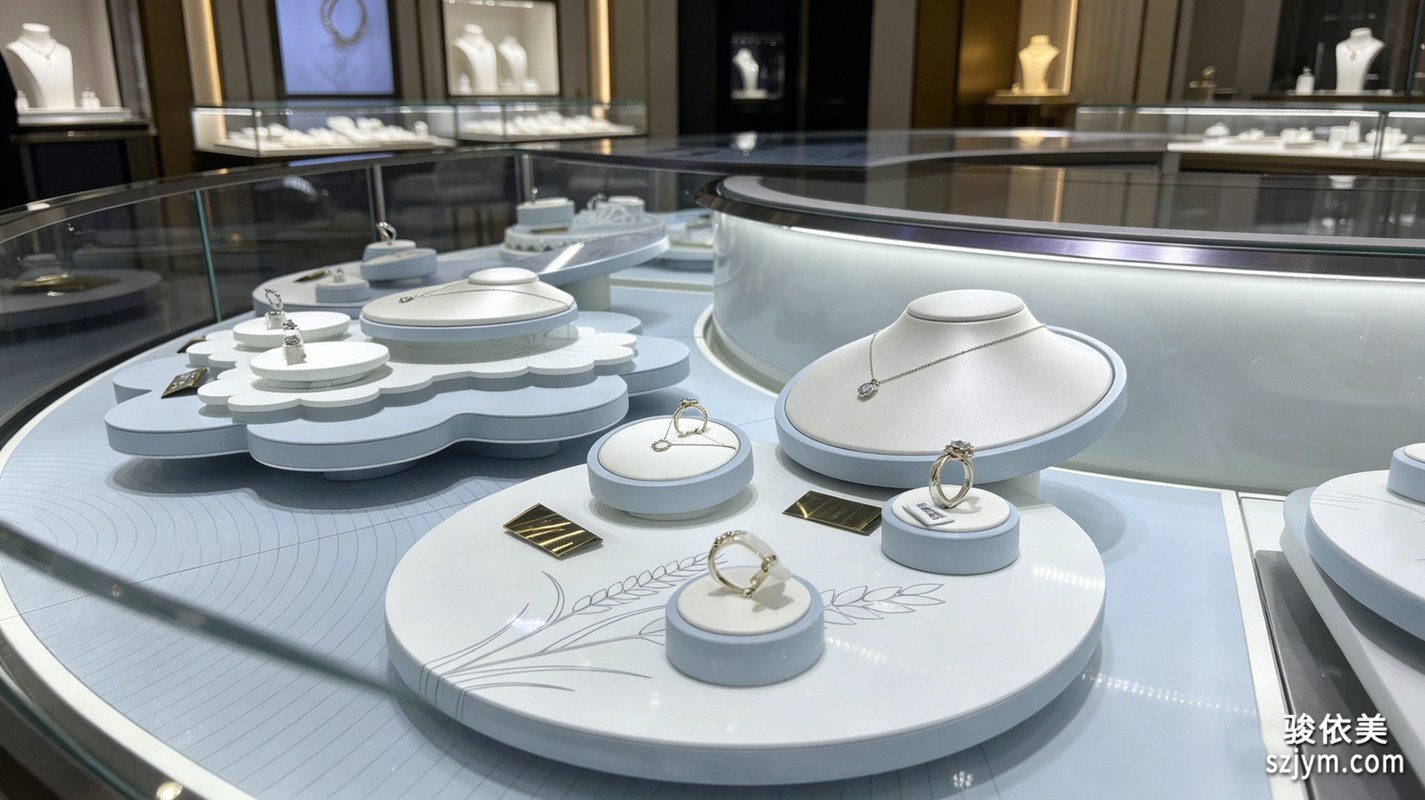
The Middle East openly prefers visual weight. Gold tones, mirror, velvet and symmetry do not read as excess there. They read as the expected signal of quality. Stands are asked to have presence, with deep navy, wine or forest velvet paired with gilded edges, and grouped displays follow strict symmetry with the hero model on the central axis. Heat matters too. Leather cushions crack under long alternation of air conditioning and sun, so weather resistance belongs in the material decision from the beginning.
Southeast Asia and East Asia run on other rhythms again. Rent structures in Southeast Asia keep counter areas tight, so more models must fit per square metre, which makes tiered and rotating stands popular and three or four watches per compartment normal. Japan and Korea prefer refinement: smaller props, pale wood, off white velvet, labels aligned to the millimetre, and an overall atmosphere so quiet that a prop one size too large looks intrusive.
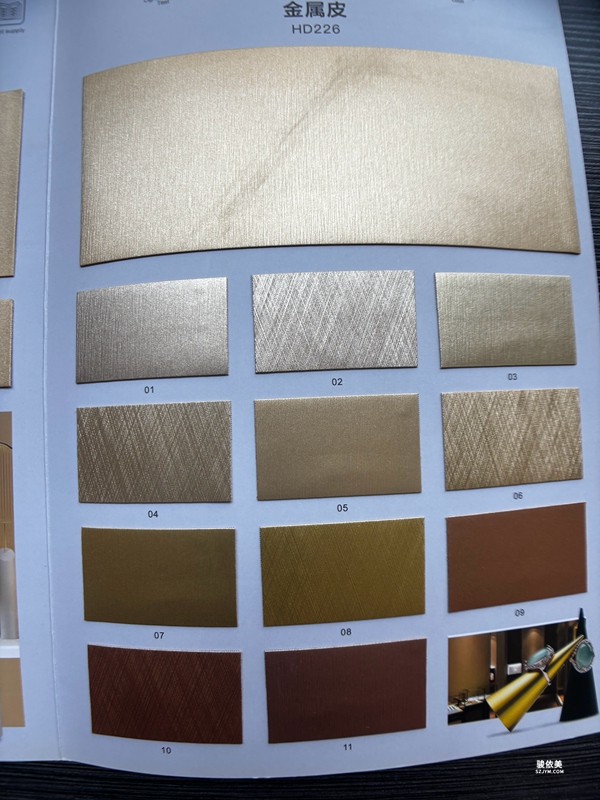
Three working principles turn these differences into practice. First, ask about destination country and store type during quotation and sampling, because independent boutiques and department counters diverge sharply. Second, keep replaceable cushion tops and edge finishes on the same stand body, so one tool serves several regional palettes instead of opening a mould per market. Third, ship illustrated setup and reset guides, since overseas staff may not read Chinese instructions and one clear diagram removes many rounds of correspondence.
Watch display is the art of arranging the order in which a customer looks, and customers in different markets simply look differently. Writing that difference into design parameters is more useful than insisting your own scheme is refined.
This article is original content, copyright JunyiMei. Please credit the source when reprinting.
lbobo designs watch and jewelry display props for global retail, tailoring stands, cushions and finishes to each market's taste and cabinet conditions so every timepiece sits exactly right.
lbobo 专注腕表与珠宝陈列道具定制,按不同市场的审美与柜体条件出方案,让每一只表在当地都摆得恰到好处。
做外贸腕表生意的人,多半有过这样的经验:一套在国内门店反响很好的陈列方案,原封不动搬到海外客户的柜台上,效果却平淡得让人意外。问题通常不在道具本身,而在这套方案默认了一种观看习惯。腕表怎么摆才好看,从来不是一道全球统一的题,它跟着当地的审美传统、店铺空间、甚至气候一起变。
先说欧洲市场。西欧的独立表店普遍店面不大,柜体浅、层高有限,顾客习惯站得很近端详细节。这里的海外腕表陈列偏好是收着做:底座低矮、颜色沉,一格只放一到两只表,留白给足。道具越是不抢戏越受欢迎,木质与哑光皮革比亮面亚克力更容易通过审核。若把国内商场常见的高台叠加、密集排布搬过去,当地店主的第一反应往往是"太满了"。
北美的逻辑不太一样。连锁店与百货专柜占比高,陈列首要服务的是可复制与可维护,其次才是气质。所以他们更在意腕表展示座定制时的通用性:同一款表座要能兼容三十八到四十四毫米的多种表径,换季改陈时店员几分钟就能调完,不需要培训。标价牌与货号标签的位置必须留出来,且不能靠贴纸临时解决。对北美买家而言,一套无法批量落地的漂亮方案等于没有方案。
中东市场则明确偏爱视觉重量。金色调、镜面、绒面、对称构图,在当地不但不显浮夸,反而是品质应有的样子。中东珠宝陈列偏好通常要求表座本身有存在感,托面用深宝蓝、酒红或墨绿绒配金边,成组陈列讲究严格对称,中轴线上放主推款。同时要考虑高温环境:皮质表枕在长期空调与日照交替下容易开裂,选材时要把耐候性提前算进去。
东南亚与日韩又是另一种节奏。东南亚的店铺租金结构决定了柜台面积紧张,单位面积要出更多款式,所以阶梯式与旋转式表座受欢迎,一格摆三到四只是常态。日韩偏细,喜欢小尺寸道具、浅色木与米白绒,标签排布整齐到毫米,腕表柜台陈列的整体气氛偏安静克制,任何一件道具做大一号都会显得突兀。
把这些差异变成可执行的做法,其实有三条通用原则。第一,报价与打样阶段就问清落地国家和店铺类型,独立店与百货专柜的需求差得很远;第二,同一款表座预留可替换的托面与包边选项,用同一套模具适配不同市场的色彩偏好,比每个市场单开模具划算得多;第三,把安装说明与改陈示意做成图示随货发出,海外店员未必读得懂中文说明,一张示意图能省掉大量往返沟通。
腕表陈列的本质是替顾客安排一段看的顺序,而不同市场的顾客,看的习惯本来就不同。承认这种差异,并把它写进道具的设计参数里,比反复强调自己的方案有多高级更有用。摸清一个市场怎么看表,你的表座才真正在那里站住了。
本文为原创内容,版权归骏依美所有。如需转载请注明出处。
lbobo 专注腕表与珠宝陈列道具定制,按不同市场的审美与柜体条件出方案,让每一只表在当地都摆得恰到好处。
lbobo designs watch and jewelry display props for global retail, tailoring stands, cushions and finishes to each market's taste and cabinet conditions so every timepiece sits exactly right.