The Path to Sustainable Development in the Jewelry Industry: Eco-Friendly Materials and Green Craftsmanship Leading Future Trends珠宝首饰行业的可持续发展之路:环保材质与绿色工艺引领未来新趋势
1. Sustainability as the New Imperative for the Jewelry Industry
In 2026, the global jewelry and accessories industry is undergoing a profound transformation. The growth model that has driven the industry for decades—centered on resource extraction and mass production—is coming under increasing scrutiny. Consumers, regulators, and industry organizations are collectively pushing the concept of "sustainable jewelry" from the margins to the mainstream. According to the latest industry white paper published by the International Jewellery Federation, over 68% of global consumers say they are willing to pay a 10% to 20% premium for jewelry products made with eco-friendly materials and sustainable processes. This figure rises to 82% among Generation Z consumers.
The scope of sustainable development extends far beyond carbon emission reduction. It encompasses ethical auditing of mining practices, supply chain transparency, the use of recycled metals, the promotion of lab-grown gemstones, and the environmental optimization of packaging materials across the entire value chain. An increasing number of jewelry brands are embedding sustainability into their core corporate strategy rather than treating it merely as a marketing tool. Traditional jewelry powerhouses such as France and Italy have taken the lead in introducing carbon footprint disclosure regulations for the jewelry industry, requiring companies above certain revenue thresholds to regularly publish environmental impact reports. This trend is spreading globally.
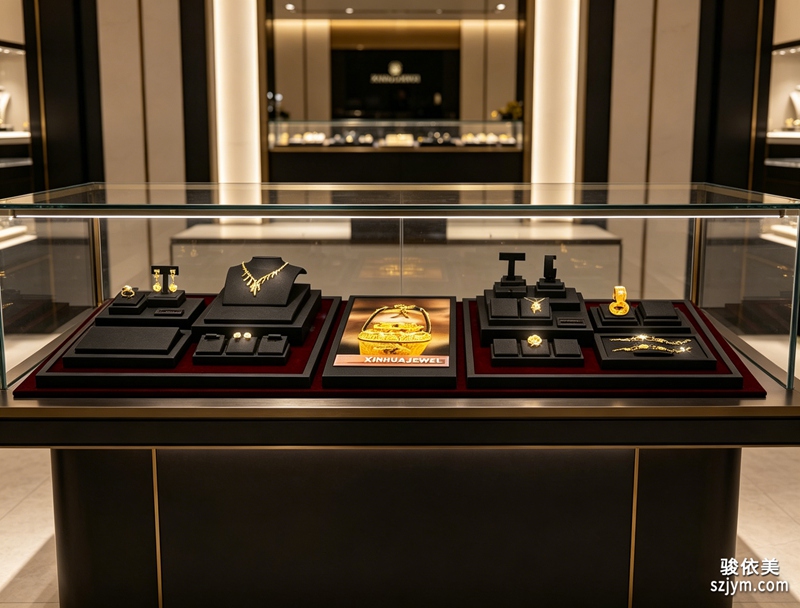
2. Recycled Metals and Lab-Grown Gemstones: The Dual Engine of Material Revolution
At the material level, recycled gold and silver have become a critical breakthrough for the jewelry industry's sustainable transformation. Recycled precious metals are gold and silver refined and recovered from waste electronic devices, industrial scrap, and old jewelry. Their physical and chemical properties are identical to mined metals, but their carbon footprint is only one-thirtieth of the latter. World Gold Council data shows that in 2025, global recycled gold supply as a proportion of total gold supply rose from less than 10% a decade ago to 28%, and is projected to exceed 35% by 2028. Major jewelry groups such as Richemont and Signet have publicly committed to sourcing at least 50% of their gold from recycled channels by 2030.
Lab-grown gemstones represent another disruptive innovation. Diamonds cultivated through Chemical Vapor Deposition (CVD) and High Pressure High Temperature (HPHT) methods are optically, chemically, and physically identical to natural diamonds, but their production does not involve large-scale mining, reduces water consumption by over 60%, and cuts carbon emissions by 80%. In 2026, the global lab-grown diamond market has surpassed 28 billion USD, accounting for more than 22% of total diamond consumption. Technology for growing colored gemstones such as sapphires, rubies, and emeralds is also maturing rapidly, with prices only one-tenth to one-fifth of natural gems, offering consumers a choice that combines value for money with environmental consciousness. More brands are beginning to combine lab-grown gemstones with recycled metals to create "dual-eco" product lines, a combination particularly popular among young consumers in European and American markets.
3. Green Processes and Clean Production: Technology Upgrades on the Manufacturing Side
In manufacturing, jewelry processing companies are accelerating the adoption of clean production technologies to reduce environmental impact. Traditional jewelry casting uses plaster molds, which generate significant dust and harmful gas emissions during production. The new generation of eco-friendly casting technology uses biodegradable ceramic mold materials, reducing dust emissions by over 90% while significantly improving metal recovery rates. Meanwhile, the maturing application of 3D printing technology enables jewelry companies to directly print resin prototypes or wax models at the design stage, substantially reducing material waste in traditional mold-making processes. Statistics show that jewelry companies using 3D printing-assisted design reduce raw material waste by an average of 35% and shorten new product R&D cycles by 50%.
The green transformation of electroplating processes is another industry focus. Traditional electroplating uses cyanide-based plating solutions containing highly toxic substances. New cyanide-free electroplating technology uses organic salt systems, completely eliminating cyanide pollution risks while maintaining coating quality and durability. Shenzhen, as a major global hub for jewelry processing, has seen over 70% of its electroplating companies complete cyanide-free conversion. Additionally, laser welding technology is gradually replacing traditional soldering processes, improving welding precision while eliminating heavy metal contamination risks associated with lead-tin solders. Although these technology upgrades increase short-term equipment investment, they reduce waste disposal costs and environmental compliance risks over the full lifecycle.
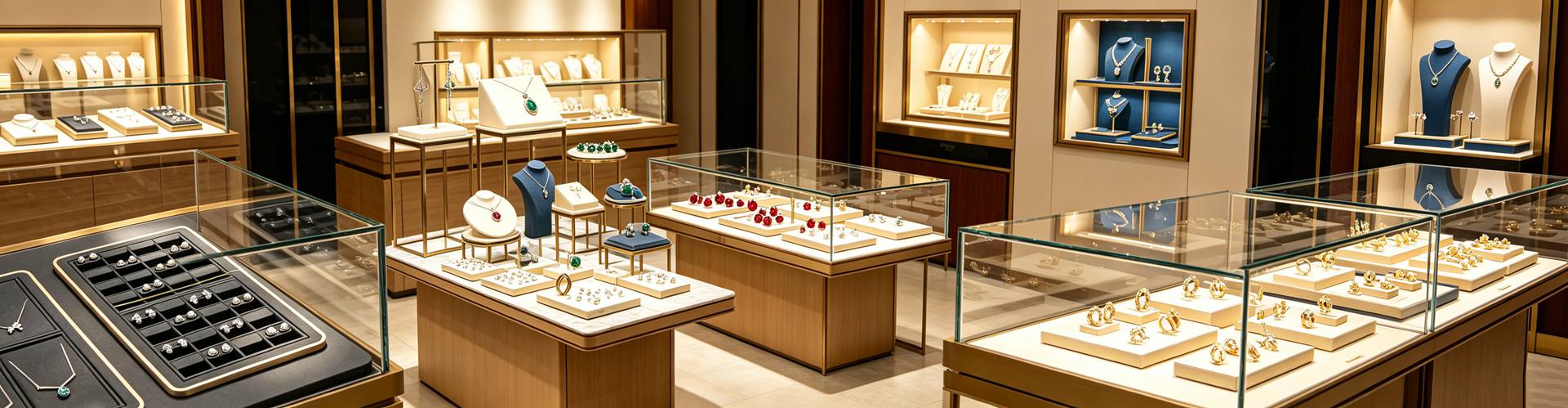
4. Packaging Innovation and Circular Design: The Green Upgrade of Jewelry Packaging
Packaging is another critical area for the jewelry industry's sustainable transformation. Traditional jewelry packaging largely uses laminated paperboard, plastic linings, and non-degradable ink printing, which become waste after a single use. As environmental awareness grows, more brands are sourcing biodegradable and recyclable eco-friendly jewelry packaging materials. Green materials such as FSC-certified paperboard, soy-based ink printing, and plant fiber linings are replacing traditional packaging materials. Junyimei, as a jewelry packaging enterprise with its own factory in Shenzhen, actively uses recycled paperboard and eco-friendly coatings in the production of jewelry boxes and display stands, reducing the carbon footprint of its products across their entire lifecycle to industry-leading levels.
Circular design principles are also transforming the production logic of jewelry packaging. Detachable jewelry box designs allow consumers to separate different materials for recycling when no longer needed; modular display stands support multi-scenario reuse, reducing the frequency of display prop replacement. For jewelry pouches, organic cotton and recycled fiber cloth bags are replacing single-use plastic packaging, enhancing brand quality while reducing environmental burden. These innovations have received positive feedback in the jewelry box wholesale market, with more retailers incorporating eco-friendly packaging into their procurement standards. Some premium brands have even launched "packaging take-back programs," where consumers receive loyalty points for returning used packaging to stores, driving packaging materials into a circular utilization system.
5. Consumer Awareness and Industry Outlook: The Future Landscape of Green Jewelry
The shift in consumer awareness is the fundamental force driving the jewelry industry's sustainable development. Market research shows that over 55% of consumers proactively inquire about product material sources and environmental certifications when purchasing jewelry. Social media discussions about "ethical jewelry" and "sustainable accessories" are growing at an annual rate exceeding 150%. This shift in awareness not only influences purchasing decisions but is also reshaping the competitive landscape—brands with clear sustainable development strategies outperform traditional brands significantly in market share growth and brand premium.
Looking ahead, the jewelry industry's sustainable development will exhibit three major trends. First, supply chain transparency will become an industry standard, with blockchain traceability technology making every gemstone's full journey from mining to retail traceable. Second, circular economy models will accelerate in the jewelry sector, with trade-in programs, gemstone refurbishment, and metal recovery services forming a stable commercial loop. Third, design and customization will deeply integrate sustainability concepts, enabling consumers to not only choose eco-friendly materials but also participate in the design process to create one-of-a-kind personalized jewelry pieces. In this process, every link from gemstone mining to jewelry packaging will undergo technological innovation and value reconstruction. Sustainable development is no longer an option but the core competency determining whether a brand can establish itself in the next decade. Enterprises that complete their green transformation first will secure advantageous positions in the new round of market consolidation.
This article is original content, copyrighted by Shenzhen Junyimei. Please indicate the source when reprinting.
Junyimei — Making every piece of jewelry and watch presented better. Specializing in jewelry boxes, jewelry display stands, watch display props. Shenzhen-owned factory, custom design supported. Inquiries welcome!
一、可持续发展成为珠宝行业的新命题
2026年,全球珠宝首饰行业正经历一场深刻的变革。过去数十年间,珠宝产业以资源开采和规模化生产为核心驱动力的增长模式,正在受到越来越多的审视。消费者、监管机构和行业组织共同推动着"可持续珠宝"这一概念从边缘走向主流。根据国际珠宝联合会发布的最新行业白皮书,全球有超过68%的消费者表示愿意为采用环保材料和可持续工艺的珠宝产品支付10%至20%的溢价。这一数据在Z世代消费群体中更高,达到了82%。
可持续发展的内涵远不止于减少碳排放。它涵盖了从矿产开采的伦理审查、供应链透明度、再生金属的应用、实验室培育宝石的推广,到包装材料的环保化等全产业链的各个环节。越来越多的珠宝品牌将可持续发展纳入企业战略核心,而非仅仅作为营销噱头。法国、意大利等传统珠宝大国已经率先出台了珠宝行业碳足迹披露法规,要求年营收超过一定门槛的企业定期公布环境影响报告。这一趋势正在向全球蔓延。
二、再生金属与实验室培育宝石:材质革命的双重引擎
在材质层面,再生金和再生银已成为珠宝行业可持续转型的重要突破口。再生贵金属是指从废旧电子产品、工业废料和旧首饰中提炼回收的黄金和白银,其物理化学性质与矿产开采的贵金属完全一致,但碳排放量仅为后者的三十分之一。世界黄金协会数据显示,2025年全球再生金供应量占黄金总供应量的比例已从十年前的不到10%上升至28%,预计到2028年将突破35%。大型珠宝集团如历峰集团、Signet等已公开承诺,到2030年其黄金使用量的50%以上将来自再生渠道。
实验室培育宝石是另一项颠覆性创新。通过化学气相沉积法(CVD)和高温高压法(HPHT)培育的钻石,在光学、化学和物理特性上与天然钻石完全一致,但生产过程不涉及大规模矿山开采,水资源消耗减少60%以上,碳排放降低80%。2026年,全球实验室培育钻石市场规模已突破280亿美元,在钻石消费总额中占比超过22%。培育彩色宝石如蓝宝石、红宝石和祖母绿的技术也日益成熟,价格仅为天然宝石的十分之一到五分之一,为消费者提供了兼具性价比与环保理念的新选择。越来越多的品牌开始将培育宝石与再生金属结合,打造"双环保"产品线,这种组合在欧美市场尤其受到年轻消费者青睐。
三、绿色工艺与清洁生产:制造端的技术升级
在制造环节,珠宝加工企业正在加速引入清洁生产技术以降低环境影响。传统的珠宝铸造工艺使用石膏模具,在生产过程中会产生大量粉尘和有害气体排放。新一代环保铸造技术采用可降解陶瓷模具材料,不仅减少了90%以上的粉尘排放,还能显著提高金属回收率。同时,3D打印技术的成熟应用使得珠宝企业可以在设计阶段直接打印树脂原型或蜡模,大幅减少了传统开模工序中的材料浪费。据统计,采用3D打印辅助设计的珠宝企业平均减少原材料浪费35%,缩短新品研发周期50%。
电镀工艺的绿色化改造也是行业重点。传统电镀使用氰化物镀液,含有剧毒物质。新型无氰电镀技术采用有机酸盐体系,在保持镀层质量和耐磨性的前提下,彻底消除了氰化物污染风险。深圳作为全球珠宝加工的重要基地,已有超过70%的电镀企业完成了无氰化改造。此外,激光焊接技术逐步替代传统的锡焊工艺,不仅提高了焊接精度,还消除了铅锡焊料带来的重金属污染风险。这些技术升级虽然增加了短期设备投入,但从全生命周期看,降低了废料处理成本和环保合规风险。
四、包装革新与循环设计:珠宝包装的环保升级
包装环节是珠宝行业可持续转型的另一关键领域。传统珠宝包装多采用覆膜纸板、塑料内衬和不可降解的油墨印刷,一次性使用后即变为废弃物。随着环保意识提升,越来越多的品牌开始采购可降解、可回收的环保珠宝包装材料。FSC认证纸板、大豆油墨印刷、植物纤维内衬等绿色材料正在取代传统包装材料。骏依美作为深圳自有工厂的珠宝包装企业,在首饰盒和珠宝陈列架的生产中积极采用再生纸板和环保涂层,将产品全生命周期的碳足迹降至行业领先水平。
循环设计理念也在改变珠宝包装的生产逻辑。可拆解首饰盒设计使消费者在不再需要时可以将不同材质分离回收;模块化珠宝陈列架支持多场景复用,减少了展示道具的更换频率。在首饰袋方面,采用有机棉和再生纤维制作的布袋正在替代一次性塑料包装袋,既提升了品牌质感,又降低了环境负担。这些创新在珠宝盒批发市场中获得了积极反馈,越来越多零售商将环保包装作为采购标准之一。一些高端品牌甚至推出了"包装回收计划",消费者将旧包装退回门店即可获得积分奖励,推动包装材料进入循环利用体系。
五、消费者认知与行业展望:绿色珠宝的未来图景
消费者认知的转变是推动珠宝行业可持续发展的根本动力。市场调研显示,超过55%的消费者在购买珠宝时会主动询问产品的材质来源和环保认证情况。社交媒体上关于"伦理珠宝"和"可持续首饰"的讨论量年均增长超过150%。这种认知变化不仅影响了消费决策,也在重塑品牌竞争格局——拥有清晰可持续发展战略的品牌在市场份额增长和品牌溢价方面明显优于传统品牌。
展望未来,珠宝行业的可持续发展将呈现三大趋势:一是供应链透明度将成为行业标配,区块链溯源技术将使每一颗宝石从开采到零售的全流程可追溯;二是循环经济模式将在珠宝领域加速落地,以旧换新、宝石翻新和金属回收服务将形成稳定的商业闭环;三是设计与定制将深度融合可持续理念,消费者不仅能选择环保材质,还能参与设计过程,打造独一无二的个性化珠宝作品。在这个过程中,从宝石开采到珠宝包装的每一个环节都将迎来技术革新和价值重构。可持续发展不再是珠宝行业的可选项,而是决定品牌能否在未来十年立足的核心竞争力。那些率先完成绿色转型的企业,将在新一轮市场洗牌中占据有利位置。
本文为原创内容,版权归深圳骏依美所有,转载请注明出处。
骏依美——让每一件珠宝与腕表,都被更好地呈现。专注珠宝盒、首饰盒、珠宝陈列架、手表陈列道具等包装产品的设计与生产,深圳自有工厂,支持来图定制打样,欢迎咨询合作!