Where the Watch Display Budget Should Lean腕表陈列道具,预算该往哪儿倾斜
Watch display is rarely let down by taste—more often by the budget math. Many owners fixate on whether they can afford that imported rotating stand, forgetting the real question: where the money should lean. Spent on the right point, three good props carry a whole wall; sprayed on surface, a crowded case still reads empty.
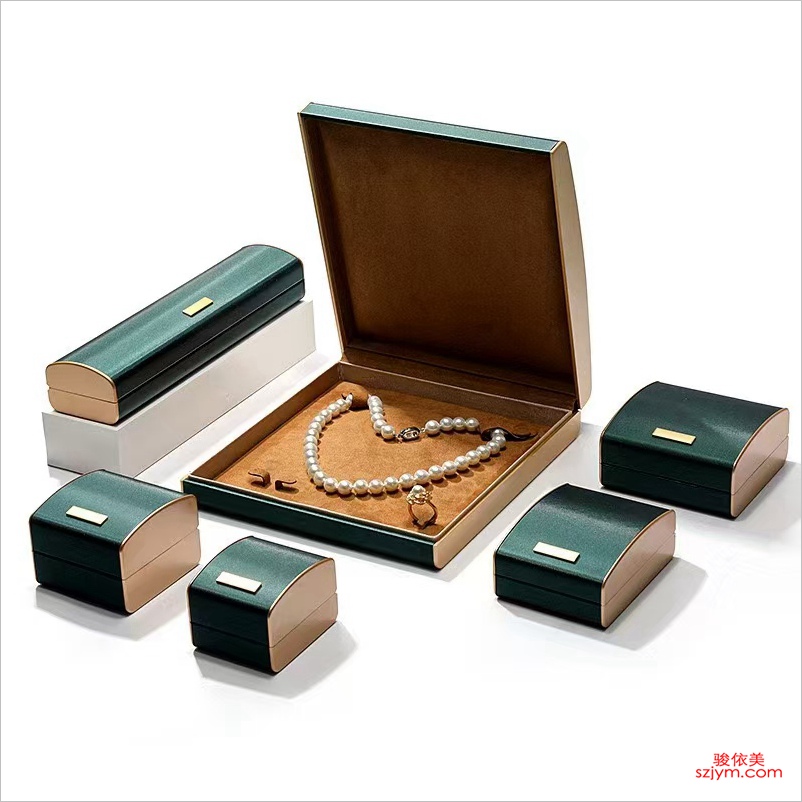 Split the budget into three pools: the hero props, the supporting cast, and the consumables. Hero props are the two or three stands where the eye lands first—worth the most investment. A solid watch pillow with smooth corners that cradles the lugs beats ten cheap plastic stands combined. The first rule of any watch display budget is to protect the hero's quality before anything else.
The supporting cast—backboards, light strips, branded plates—sets the tone without stealing focus. Go 'few but fine': one right matte backboard outweighs noisy decoration. Consumables like cleaning cloths, dust covers, and demo batteries are long-term drains; budget them separately so they never eat the hero fund.
Split the budget into three pools: the hero props, the supporting cast, and the consumables. Hero props are the two or three stands where the eye lands first—worth the most investment. A solid watch pillow with smooth corners that cradles the lugs beats ten cheap plastic stands combined. The first rule of any watch display budget is to protect the hero's quality before anything else.
The supporting cast—backboards, light strips, branded plates—sets the tone without stealing focus. Go 'few but fine': one right matte backboard outweighs noisy decoration. Consumables like cleaning cloths, dust covers, and demo batteries are long-term drains; budget them separately so they never eat the hero fund.
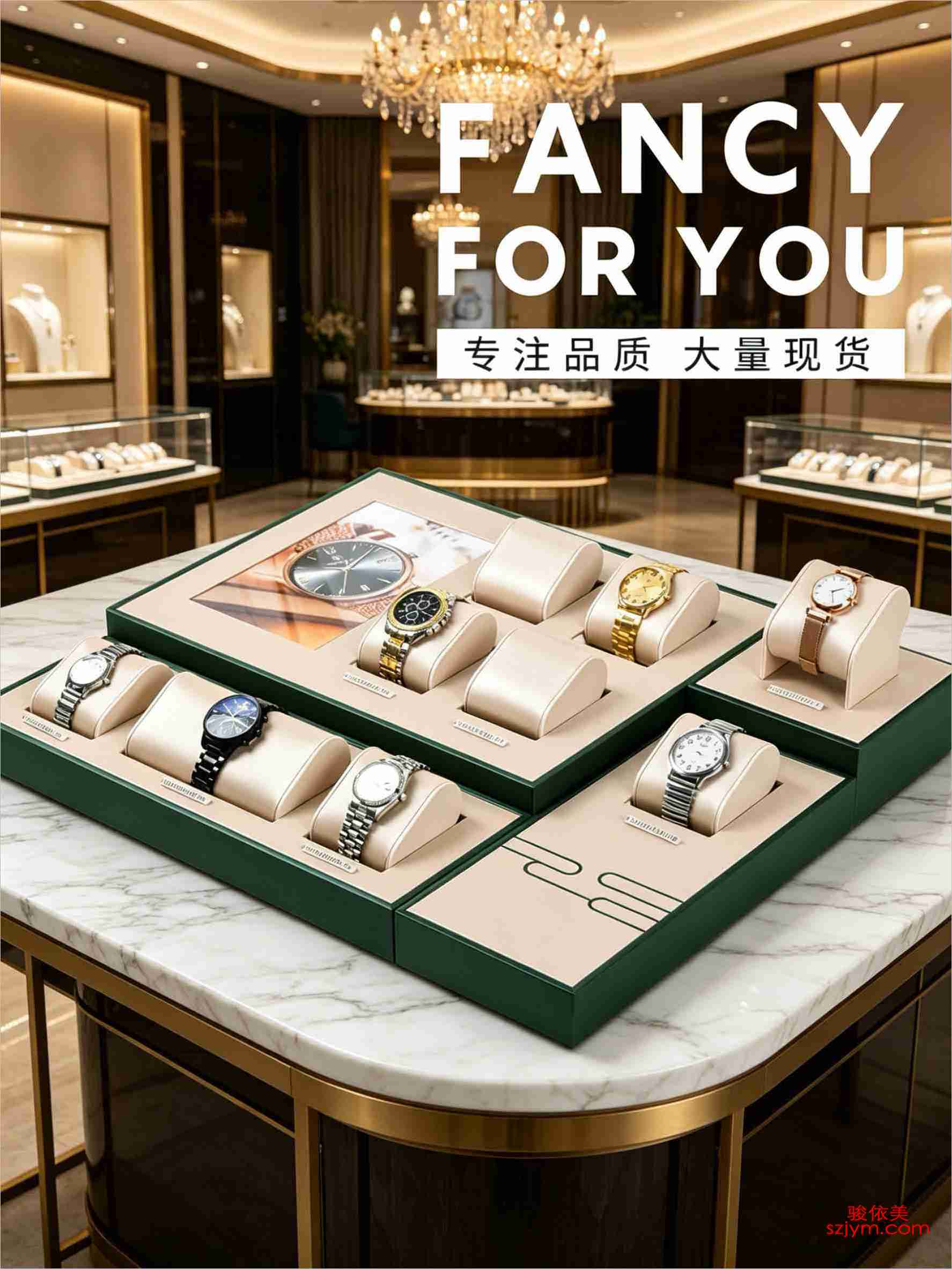 A common trap is reading 'display prop value' as 'cheapest wins.' Watch stands are handled daily; hinges and lacquer won't tolerate cut corners. Savings of a few dollars return within a month as looseness and chipped paint. The steadier path: pilot a small batch, confirm the rotation feels right and the size fits the cabinet, then scale. Mature watch shops agree that in watch display cost, trial-and-error fees deserve more calculation than unit price.
Keep a 'contingency' line—about ten percent. New arrivals, seasonal pushes, and temporary re-merchandising suddenly need a custom piece. Elastic budget means the store never compromises at the crucial moment. Clear math makes watch display calmer and, oddly, more premium.
This article is original content, copyright belongs to LBOBO. Please cite the source for reprints.
LBOBO specializes in watch display props, giving every timepiece a premium presence worth pausing for—designed for retailers who care about detail.
We help watch retailers turn a tight budget into a display that still reads effortless and high-end.腕表陈列这件事,最容易被门店忽略的不是审美,而是账怎么算。很多老板一上来就盯着到底买不买得起那套进口旋转表座,却忘了真正决定效果的,是预算往哪儿倾斜。钱花在刀刃上,三五个道具就能撑起一整面表墙;钱撒在面子上,堆满柜子也还是显空。
先把预算切成三块:一是‘主角位’道具,二是‘辅助衬托’,三是‘可复用耗材’。主角位指的是顾客视线第一眼落点的那两三个表座,这里最值得投入——一只做工扎实、转角顺滑、能稳稳托住表耳的表枕,比十只廉价塑料座加起来都管用。腕表陈列预算的第一原则,就是先保住主角位的质感,再谈其余。
辅助衬托包括背板、灯带、品牌标识牌这类‘氛围件’。它们不抢戏,却决定了整体调性。这里建议走‘少而精’路线:一块质感对的哑光背板,胜过花花绿绿的装饰。至于可复用耗材,比如擦表布、防尘罩、电池演示件,属于长期消耗,单独列一笔,避免中途挪用主角位资金。
一个常见的坑,是把‘展示道具性价比’理解成‘越便宜越好’。腕表表座天天被拿起放下,铰链和漆面经不起凑合;省下的几十块,往往在用了一个月后就以松动、掉漆的方式还回去。更稳的做法是,先小批量试一版,确认转动顺手、尺寸贴合柜体,再谈批量。这也是很多成熟腕表店铺的共识:手表陈列成本里,试错费比单件价格更该被算进去。
最后留一笔‘机动金’。新品到货、季节主推、临时展陈调整,都会突然需要一两件定制件。提前留出百分之十左右的弹性预算,门店就不会在关键时刻将就。把账算明白,腕表陈列反而更从容,也更显高级。
本文为原创内容,版权归 LBOBO 所有。如需转载请注明出处。
LBOBO 专注腕表陈列道具,让每一枚腕表在展柜里都拥有值得凝视的高级感。
LBOBO specializes in watch display props, giving every timepiece a premium presence worth pausing for—designed for retailers who care about detail.
A common trap is reading 'display prop value' as 'cheapest wins.' Watch stands are handled daily; hinges and lacquer won't tolerate cut corners. Savings of a few dollars return within a month as looseness and chipped paint. The steadier path: pilot a small batch, confirm the rotation feels right and the size fits the cabinet, then scale. Mature watch shops agree that in watch display cost, trial-and-error fees deserve more calculation than unit price.
Keep a 'contingency' line—about ten percent. New arrivals, seasonal pushes, and temporary re-merchandising suddenly need a custom piece. Elastic budget means the store never compromises at the crucial moment. Clear math makes watch display calmer and, oddly, more premium.
This article is original content, copyright belongs to LBOBO. Please cite the source for reprints.
LBOBO specializes in watch display props, giving every timepiece a premium presence worth pausing for—designed for retailers who care about detail.
We help watch retailers turn a tight budget into a display that still reads effortless and high-end.腕表陈列这件事,最容易被门店忽略的不是审美,而是账怎么算。很多老板一上来就盯着到底买不买得起那套进口旋转表座,却忘了真正决定效果的,是预算往哪儿倾斜。钱花在刀刃上,三五个道具就能撑起一整面表墙;钱撒在面子上,堆满柜子也还是显空。
先把预算切成三块:一是‘主角位’道具,二是‘辅助衬托’,三是‘可复用耗材’。主角位指的是顾客视线第一眼落点的那两三个表座,这里最值得投入——一只做工扎实、转角顺滑、能稳稳托住表耳的表枕,比十只廉价塑料座加起来都管用。腕表陈列预算的第一原则,就是先保住主角位的质感,再谈其余。
辅助衬托包括背板、灯带、品牌标识牌这类‘氛围件’。它们不抢戏,却决定了整体调性。这里建议走‘少而精’路线:一块质感对的哑光背板,胜过花花绿绿的装饰。至于可复用耗材,比如擦表布、防尘罩、电池演示件,属于长期消耗,单独列一笔,避免中途挪用主角位资金。
一个常见的坑,是把‘展示道具性价比’理解成‘越便宜越好’。腕表表座天天被拿起放下,铰链和漆面经不起凑合;省下的几十块,往往在用了一个月后就以松动、掉漆的方式还回去。更稳的做法是,先小批量试一版,确认转动顺手、尺寸贴合柜体,再谈批量。这也是很多成熟腕表店铺的共识:手表陈列成本里,试错费比单件价格更该被算进去。
最后留一笔‘机动金’。新品到货、季节主推、临时展陈调整,都会突然需要一两件定制件。提前留出百分之十左右的弹性预算,门店就不会在关键时刻将就。把账算明白,腕表陈列反而更从容,也更显高级。
本文为原创内容,版权归 LBOBO 所有。如需转载请注明出处。
LBOBO 专注腕表陈列道具,让每一枚腕表在展柜里都拥有值得凝视的高级感。
LBOBO specializes in watch display props, giving every timepiece a premium presence worth pausing for—designed for retailers who care about detail.
Split the budget into three pools: the hero props, the supporting cast, and the consumables. Hero props are the two or three stands where the eye lands first—worth the most investment. A solid watch pillow with smooth corners that cradles the lugs beats ten cheap plastic stands combined. The first rule of any watch display budget is to protect the hero's quality before anything else.
The supporting cast—backboards, light strips, branded plates—sets the tone without stealing focus. Go 'few but fine': one right matte backboard outweighs noisy decoration. Consumables like cleaning cloths, dust covers, and demo batteries are long-term drains; budget them separately so they never eat the hero fund.
A common trap is reading 'display prop value' as 'cheapest wins.' Watch stands are handled daily; hinges and lacquer won't tolerate cut corners. Savings of a few dollars return within a month as looseness and chipped paint. The steadier path: pilot a small batch, confirm the rotation feels right and the size fits the cabinet, then scale. Mature watch shops agree that in watch display cost, trial-and-error fees deserve more calculation than unit price.
Keep a 'contingency' line—about ten percent. New arrivals, seasonal pushes, and temporary re-merchandising suddenly need a custom piece. Elastic budget means the store never compromises at the crucial moment. Clear math makes watch display calmer and, oddly, more premium.
This article is original content, copyright belongs to LBOBO. Please cite the source for reprints.
LBOBO specializes in watch display props, giving every timepiece a premium presence worth pausing for—designed for retailers who care about detail.
We help watch retailers turn a tight budget into a display that still reads effortless and high-end.腕表陈列这件事,最容易被门店忽略的不是审美,而是账怎么算。很多老板一上来就盯着到底买不买得起那套进口旋转表座,却忘了真正决定效果的,是预算往哪儿倾斜。钱花在刀刃上,三五个道具就能撑起一整面表墙;钱撒在面子上,堆满柜子也还是显空。
先把预算切成三块:一是‘主角位’道具,二是‘辅助衬托’,三是‘可复用耗材’。主角位指的是顾客视线第一眼落点的那两三个表座,这里最值得投入——一只做工扎实、转角顺滑、能稳稳托住表耳的表枕,比十只廉价塑料座加起来都管用。腕表陈列预算的第一原则,就是先保住主角位的质感,再谈其余。
辅助衬托包括背板、灯带、品牌标识牌这类‘氛围件’。它们不抢戏,却决定了整体调性。这里建议走‘少而精’路线:一块质感对的哑光背板,胜过花花绿绿的装饰。至于可复用耗材,比如擦表布、防尘罩、电池演示件,属于长期消耗,单独列一笔,避免中途挪用主角位资金。
一个常见的坑,是把‘展示道具性价比’理解成‘越便宜越好’。腕表表座天天被拿起放下,铰链和漆面经不起凑合;省下的几十块,往往在用了一个月后就以松动、掉漆的方式还回去。更稳的做法是,先小批量试一版,确认转动顺手、尺寸贴合柜体,再谈批量。这也是很多成熟腕表店铺的共识:手表陈列成本里,试错费比单件价格更该被算进去。
最后留一笔‘机动金’。新品到货、季节主推、临时展陈调整,都会突然需要一两件定制件。提前留出百分之十左右的弹性预算,门店就不会在关键时刻将就。把账算明白,腕表陈列反而更从容,也更显高级。
本文为原创内容,版权归 LBOBO 所有。如需转载请注明出处。
LBOBO 专注腕表陈列道具,让每一枚腕表在展柜里都拥有值得凝视的高级感。
LBOBO specializes in watch display props, giving every timepiece a premium presence worth pausing for—designed for retailers who care about detail.