Why Less Packaging Makes Luxury Jewelry More Desirable越简约越显高级
The moment a piece of jewelry is unboxed, its value has often already been quietly set in the customer's mind. On a crowded shelf, the box that "speaks" best wins half the battle before the product is even touched. A clear shift in recent years: the more premium the brand, the more willing it is to subtract—fewer patterns, fewer words, fewer colors—and leave the stage to the piece itself. Minimalism has moved from a styling preference to a measurable business lever.
Q1: Why are more jewelry brands moving from "more elements" to "less is more"?
This is not laziness; it is a choice backed by data. A comparison by Taiwan packaging research firm PaperBox found that minimalist packaging scored 35% higher on perceived brand quality among premium consumers, with repurchase intent up 22%. A Japanese neuromarketing experiment is even more telling: pure-white, whitespace-heavy design lets the shopper "mentally complete" the value, on average imagining about a 38% price premium. Cognitively, monochrome packaging is recognized 3.2 seconds faster than complex patterns—a tiny speed edge that, in an age of overload, converts directly into a purchase-decision advantage. European design research adds that test subjects actually associate overly elaborate packaging with lower intrinsic quality, reading it as trying too hard to sell. At the category level, accessories packaging was roughly a $28.7B market in 2025, where clean, premium styling drove about 31% higher conversion for mid-to-high-end items, and thoughtful design commanded 22%–35% price premiums. Sustainability reinforces the same direction: Berlin Packaging's 2025 report notes eco-friendly materials now influence 68% of purchasing decisions, and brands using eco-friendly packaging see 23% higher repeat-purchase rates. Less, it turns out, carries more weight—and more loyalty.
Q2: Does high-end, minimalist jewelry packaging really win more customer favor?
Yes—and the evidence is solid. Beyond the 35% perception gap above, Bain & Company's 2024 data is more direct: luxury brands using minimalist packaging posted customer retention 17% above the industry average. Luxury Daily's 2025 consumer report goes further, finding packaging quality influences luxury purchase satisfaction by 89% and repeat-purchase intention by 73%. The mechanism is simple—when the box is restrained and clean, the eye lands on the product, not on busy graphics. That is exactly the logic of a premium jewelry box: matte finishes, generous whitespace, and one disciplined typeface put the ring or necklace at the visual center. Major groups prove it in practice: LVMH cut its packaging SKUs from 187 to 23, lowering logistics cost while lifting the global spread of unboxing videos by 42%. In short, minimalism is not "no design"—it is spending the design effort on the product and the brand, so the customer remembers the jewel, not the pattern on the carton.
Q3: Doesn't minimalism just mean cheap or cutting corners?
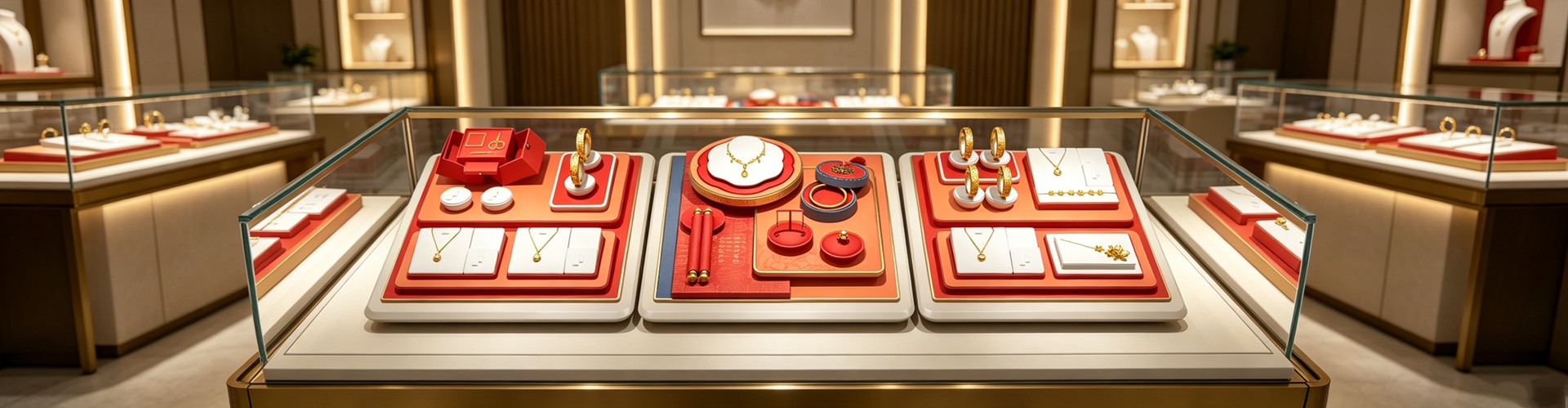
The opposite—minimalism demands more from craft. What reads as expensive is in the details: a matte surface feels more premium than high gloss; cotton and linen-textured papers signal care the instant the box is opened; soft-touch, velvet-like coatings and subtle embossing add a layered pleasure that studies peg at about 30% higher than flat printing. The right "heft" triggers a subconscious quality association—when something feels substantial in hand, people assume it is worth more. On materials, recycled wood, flocked greyboard, and biodegradable pulp can all look high-end today, and they are not cheaper than ornate printing; they are simply more exacting. McKinsey estimates sustainable packaging alone can lift luxury margin by 5–8 percentage points. So "simple" is a convergence of visual language, not a compromise on cost. For a brand chasing distinction, custom jewelry boxes can keep just one foil-stamped logo or a single debossed line on a plain body—saying the brand's story with the fewest elements, and looking more confident than all-over gold foil.
Q4: Small brand, tight budget—how do you get "premium" from minimalism?
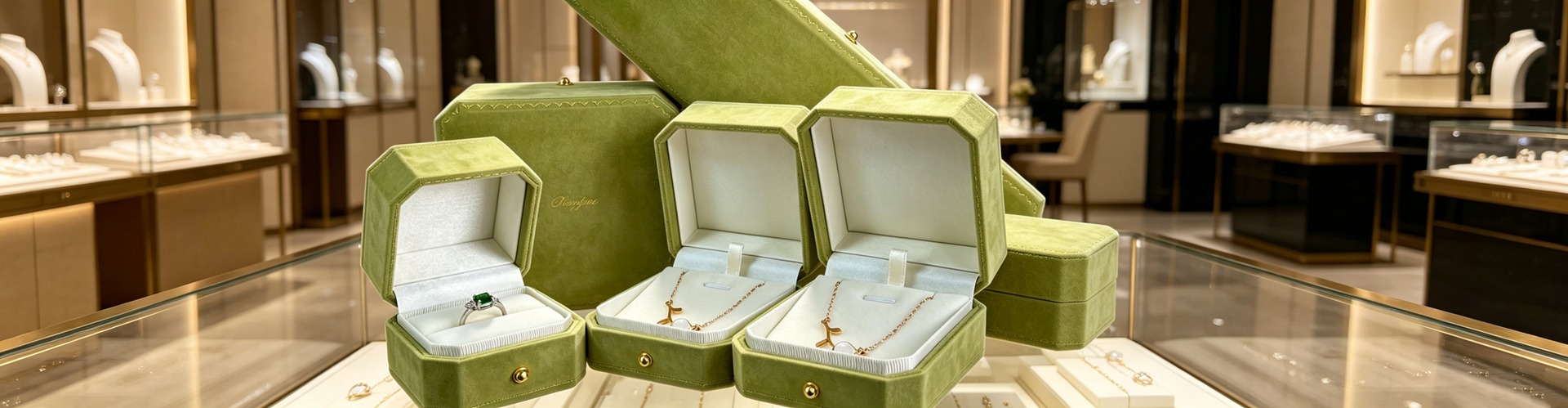
One rule: instead of pushing everywhere, build a single "memory point." Pick one spot color (your brand hue) for monochrome printing and leave large areas of whitespace; use one type family throughout and create hierarchy with weight alone; swap the insert for a tactile cotton or linen paper—low cost, instant upgrade in feel. Engaging more than one sense also lifts recall by up to 70%, so a faint scent or a crisp magnetic snap pays off. Then add a touchpoint often missed: the jewelry pouch. A small velvet or plain-linen pouch is both a second layer of protection and the way the customer carries your brand out the door—more reused, more seen than the box. Finish with a QR code that tells the brand story, turning "less" into "worth reading." This is exactly the path Shenzhen Junyimei is built for: supporting small-batch custom jewelry boxes and pouch manufacturing so independent founders get a unified, restrained, recognizable packaging system without being blocked by high minimum orders. With e-commerce around 70% of accessories sales, the package is often a customer's first physical contact with the brand—and 52% of customers say they are more likely to repurchase after a memorable unboxing—so this step deserves to be steady.
Q5: How do minimalist packaging, display, and e-commerce stay in sync?
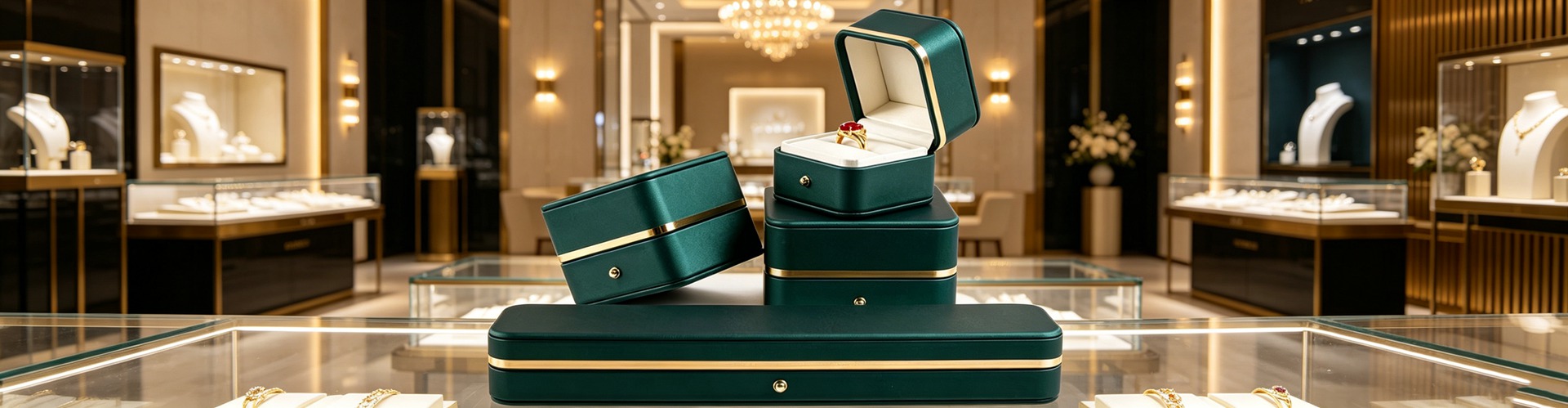
Online and offline should sing the same tune. On e-commerce, unboxing is a 30–60 second brand moment: studies show 47% of consumers are more likely to repurchase after a quality unboxing, and 40% actively film and share it—one restrained, refined opening is free advertising. Luxury Daily's 2025 report puts it further: premium unboxing generates 312% more social sharing than standard packaging, while 60% of consumers say they return to a brand after a positive unboxing experience. In-store, minimalist packaging should pair with jewelry display props and display platforms: as the box recedes to the background, the spotlight, the stand, and the velvet base push the product to the visual center, creating a "quiet package, loud product" echo. Both share one color and material language, so from the parcel to the counter the customer feels one brand, not two. Simplifying the pack is not the end—it is handing the baton to display and e-commerce to deliver the premium feel all the way into the customer's hands.
Q6: If I want to start, what is the smallest first move?
Audit before you redesign. Lay your current box next to a competitor's and ask one question: what is the single thing a customer should remember? Then cut everything that does not serve it. Common, low-risk first moves: switch to one spot color and add whitespace; replace glossy stock with a matte or tactile paper; drop the outer sleeve if it only repeats the logo; and add one sustainable substrate with a visible recycling cue, since 74% of consumers will pay more for sustainable packaging. Test with a small batch and a simple post-purchase question—"did the unboxing feel premium?"—then iterate. You do not need a full rebrand; you need one confident, repeatable moment that makes the jewelry, not the carton, the hero.
This is original content. Copyright belongs to Shenzhen Junyimei.
Junyimei — present every jewel and timepiece at its best.
一件珠宝的价值,往往在顾客拆开包装的那一刻就已经被悄悄定价。当柜台里琳琅满目,谁的盒子更"会说话",谁就先赢了一半。近年一个明显的转向是:越高端的珠宝品牌,越愿意把包装"做减法"——少图案、少文字、少颜色,把舞台留给产品本身。
Q1:为什么越来越多珠宝品牌从"堆元素"转向"少即是多"?
这不是偷懒,而是被数据印证过的选择。台湾包装研究机构 PaperBox 的对比显示,极简包装在高端消费者中的品牌感知评分比设计繁复的包装高出 35%,回购意愿提升 22%。日本的神经营销实验更有意思:纯白留白的设计会让消费者在脑中"自行补全"价值,平均脑补出约 38% 的产品溢价。从认知效率看,单色包装的识别速度比复杂图案快 3.2 秒——在信息过载的当下,这点速度差会直接变成购买决策优势。欧洲设计研究还发现,受试者反而会把"过度花哨的包装"与产品内在品质不足联系起来,认为它更像在用力推销。放到珠宝包装大盘上,2025 年配饰包装已是约 287 亿美元的市场,其中"简洁高端"风格为中高端配件带来约 31% 的转化提升,用心设计的包装还能让产品获得 22%–35% 的溢价空间。少,反而更有力量。
Q2:高端简约的珠宝首饰包装,真的更容易被顾客青睐吗?
答案是肯定的,而且证据扎实。前面提到的 35% 感知分差是一面;贝恩咨询 2024 年的数据更直接:采用极简包装的奢侈品牌,客户留存率比行业均值高出 17%。原因不复杂——当盒子克制、干净,顾客的目光会自然落到产品本身,而非被花哨图案抢走。这正是高端首饰盒的设计逻辑:用哑光、留白和一种克制的字体,让戒指或项链成为视觉中心。奢侈品集团的实操也印证了这点:LVMH 把包装 SKU 从 187 种精简到 23 种,物流成本下降的同时,开箱视频的全球传播效率反而提升 42%。换句话说,简约不是"没设计",而是把设计的力气都用在了产品和品牌上,让顾客记住的是珠宝,而不是盒子上的花纹。

Q3:那简约是不是就等于廉价、偷工减料?
恰恰相反,简约对工艺的要求更高。真正显贵的是细节:哑光表面比高亮光更显高级,棉纸、麻纹纸的触感让顾客在开箱瞬间就感到用心;恰到好处的"重量感"会激活潜意识里的品质联想——东西"压手",人就容易觉得值。材料上,再生木、植绒灰板、可降解纸浆如今都能做出高级感,并不比华丽印刷便宜,反而因工艺更考究。麦肯锡测算,可持续包装还能让奢侈品边际效益提升 5–8 个百分点。所以"简"是视觉语言的收敛,不是成本的妥协。对追求差异化的品牌,珠宝盒定制可以在素色盒体上只保留一处烫印 Logo 或一道压凹纹理,用最少的元素讲最清楚的品牌话,比满版烫金更显自信。
Q4:小品牌预算有限,怎么用简约做出"高级感"?
记住一个原则:与其处处用力,不如只做一个"记忆点"。选一种专色(比如品牌主色)做单色印刷,留出大面积空白;全篇只用一套字体,靠字重区分层级;内衬换一张有触感的棉纸或麻纹纸,成本不高但质感立现。再补一个常被忽略的触点——首饰袋。一枚绒布或素麻小袋,既是第二层保护,也是顾客带走品牌的方式,比盒子更易被重复使用、被人看见。最后用一枚二维码讲品牌故事,把"少"变成"值得细读"。这正是深圳骏依美擅长的路径:支持小批量珠宝盒定制与首饰袋加工,让预算有限的主理人也能拥有统一、克制、可识别的包装体系,而不是被大起订量卡住。电商占配饰销售约七成,包装往往是多数消费者与品牌的第一个实体接触,这一步更该稳。
Q5:简约包装怎么和陈列、电商配合才不脱节?
线上线下要唱同一首调。电商端,开箱是 30–60 秒的关键品牌触点:调研显示 47% 的消费者会因为优质开箱体验提高复购意愿,40% 会主动把开箱拍下来分享——一次克制而精致的开箱,就是免费的传播。线下端,简约包装要和珠宝陈列道具、珠宝摆台配合使用:当盒子退到背景,展台上的射灯、托架和丝绒底衬就把产品推到视觉中心,形成"包装安静、产品发声"的呼应。两者共用同一套色彩与材质语言,顾客从快递盒走到柜台,感受到的是同一个品牌,而不是两个。把包装做简,不是结束,而是让陈列和电商接力,把高级感一路送到顾客手里。
本文为原创内容,版权归深圳骏依美所有,转载请注明出处。
骏依美——让每一件珠宝与腕表,都被更好地呈现。