How to Ship Your Jewelry Safely Without Damage电商珠宝运输防损
A ring travels from your warehouse to the customer's hands through more than a dozen sorts, loads and stacks. Brands spend months refining the design, then often hand the last mile to whatever courier pouch is within reach. Mondi's 2026 e-commerce trend study across 6,000 consumers in Europe and Turkey gives a number worth pausing on: 98% rank "protecting the product" as their top expectation of packaging, ahead of looks and sustainability. For jewelry priced at hundreds or thousands per piece, transit packaging is both the last line of defense and the brand's first real handshake with the buyer. Here are six questions owners and buyers actually ask.
Q1: How much of jewelry returns is really the fault of shipping and packaging?
More than most assume. 2026 benchmarks put online jewelry return rates at 12%–18% (TrackVid category benchmark), with gift and fashion lines higher and fine-jewelry lines lower; within the reasons, "damaged or defective on arrival" steadily accounts for 15%–22% of returns. The cost is the sharper point: industry estimates put the fully-loaded cost of a single return at about $27–$33, covering reverse logistics, inspection, repackaging and markdowns—often more than ten times the packaging itself. Flip the lens and DTC brand Ana Luisa, using a "rigid box + microfiber pouch" combo, pulled returns below 4% while the online jewelry average sits at 6%–8%. A packaging partner serving 300+ brands reports that well-structured inserts cut transit-damage complaints by over 90%. Jewelry packaging is not a cost line; it is the dial on your return rate.
Q2: What does a package that actually holds up look like, structurally?
Three layers, none optional. The outer shipping carton takes compression and drops—specify corrugate by actual weight and stack height, not a generic stationery box. The middle layer cushions: molded pulp, custom foam or corrugate inserts lock the inner box so it shifts less than a few millimeters. Most damage is not crushing; it is repeated impact from a box bouncing inside its box. The innermost layer is the jewelry box itself—flocked slots, elastic bands or magnetic closures fix single pieces; necklaces get anti-tangle channels, studs get paired holes. Two details get missed: sterling needs anti-tarnish (anti-sulfide) bags, and a desiccant in humid seasons beats post-sale repairs. Good jewelry packaging design replaces thickness with structure—precise locating, not more filler.
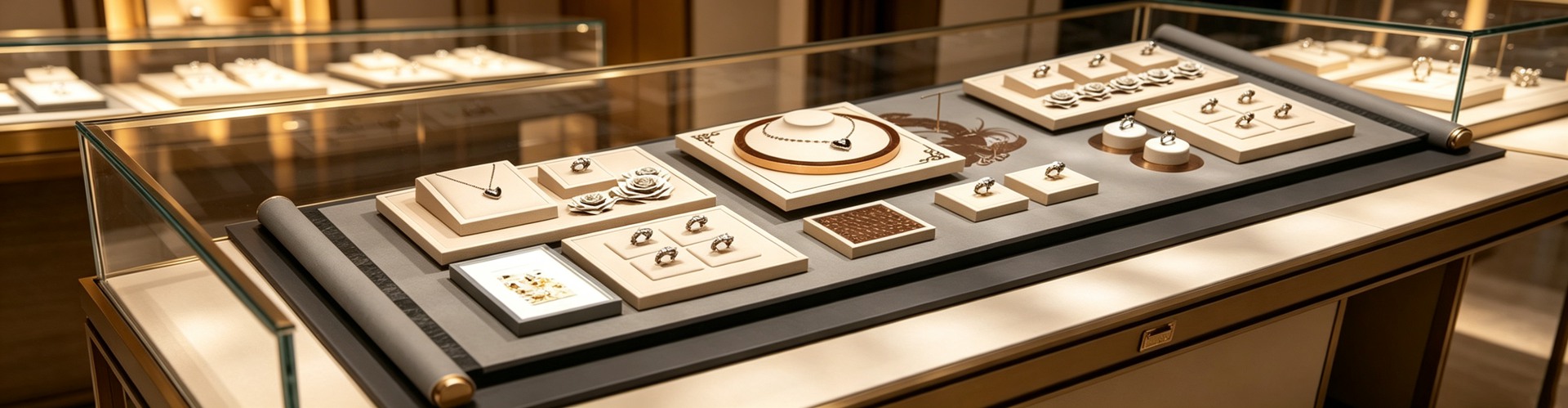
Q3: Why is high-end, minimalist packaging actually preferred by customers?
Counter-intuitive, but the data keeps confirming it. In Mondi's study, 72% of consumers said they would stop repurchasing from a seller whose packaging is oversized or over-stuffed—over-packaging reads as wasteful and unprofessional, not premium. Minimalist packaging wins because it spends the budget on "just enough protection + just enough dignity": a restrained footprint means lower dimensional weight and freight, and a clean structure means the customer sees the design on opening, not a mess of filler. Teams that have done jewelry box customization know matte black with one thin foil line, or recycled paper with a cloth-embossed feel, reads far more "expensive" than an all-over print. Simple is not cheap—it is restraint with good judgment.
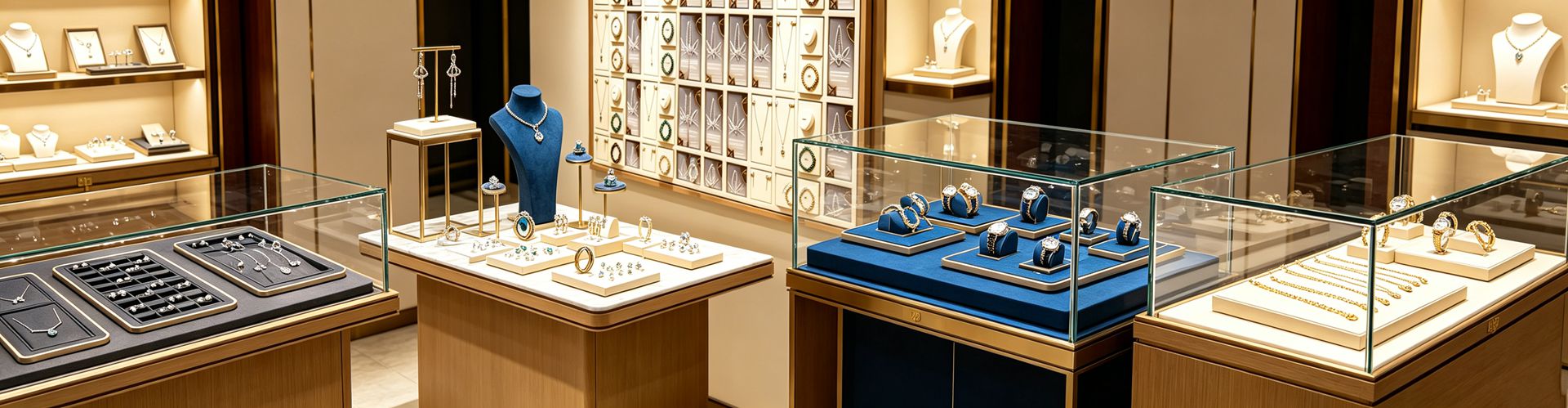
Q4: Is the shipping box only about damage control? It is also the brand's first introduction
Far from it. The unboxing moment decides whether the customer posts to friends or to a review site. DTC post-mortems show a strong unboxing experience lifts retention about 30%, and custom embossing adds roughly another 19% in repeat purchase; unboxing videos pull about 2–3x the engagement of plain product shots—the cheapest free reach you can buy. The RealReal's 2024 resale data is blunter: Tiffany lots with original packaging (box + ribbon + pouch) sold 24% higher, Cartier 11% higher. Packaging typically costs under 1% of retail yet moves perceived value far beyond that ratio. Make the jewelry pouch a keepable accessory and the box a recognizable shape; a jewelry box factory like Shenzhen Junyimei can build box, insert and hardware into one visual language so "protect" and "tell the brand" ship together instead of separately.
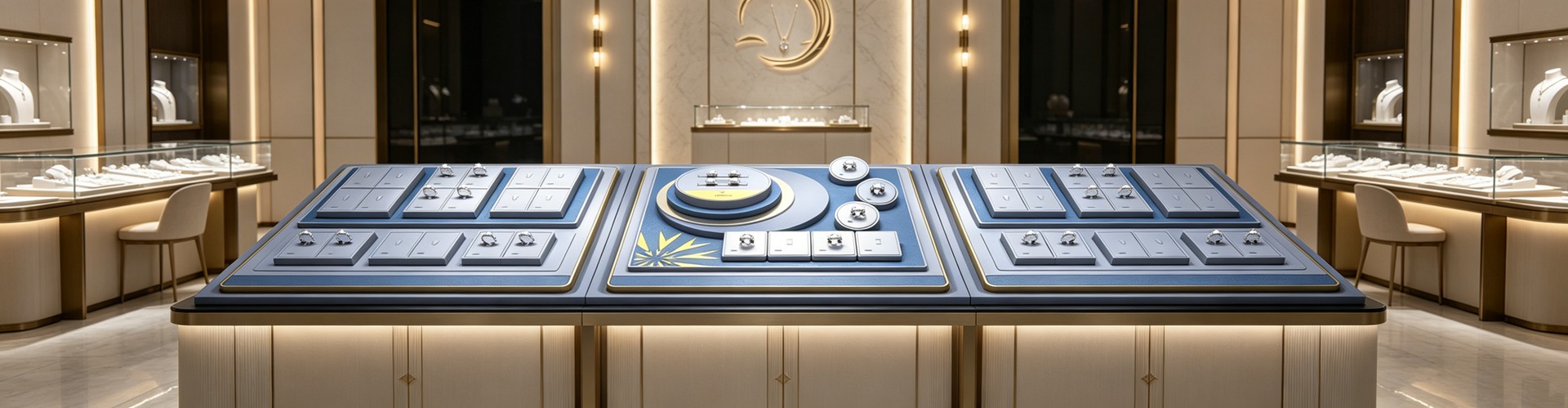
Q5: For small batches and independent designers, how do you get protection and brand right without blowing the budget?
Three moves. First, right-size the carton: void is the enemy of movement, so spec ECT by piece weight, fill the slots, and cut dimensional-weight freight at the same time. Second, make the jewelry pouch a takeaway accessory—organic cotton or linen travels home with the customer and does the marketing. Third, use jewelry box customization to unify box, insert and hardware into one visual language, avoiding the "box speaks one dialect, jewelry another" disconnect. Epsilon found 80% of consumers prefer brands that offer a personalized experience; a small material touch is the cheapest personalization there is. A single sampling round with a jewelry box factory sets the tone faster than repeated trial and error.
Q6: How do you prove your packaging actually holds up?
Don't wait for the bad review. Two steps: simulate drops and vibration—corner-drop at real logistics heights, run a shaker table like a sortation line, and check whether pieces shift or scratch; then pilot at small scale. In a benchmark case cited by Shangpu Consulting, a double-corrugate + foam + double-box scheme recorded zero damage across 500 shipments and cut loss 60%, with proper protection blocking roughly 90% of in-transit damage. Keep a launch checklist: ① carton compression matched to stack height; ② zero-shift inserts; ③ anti-sulfide for silver, desiccant in humidity; ④ box and pouch share the visual; ⑤ right-size to control freight. Hand that to the factory and one round usually sets the standard. Customers forget the box's specs; they remember whether that moment of opening felt worth it.
This is original content. Copyright belongs to Shenzhen Junyimei.
Junyimei — present every jewel and timepiece at its best.
一枚戒指从仓库到顾客手里,通常要经历十余次分拣、装卸与堆叠。品牌花几个月打磨设计,却常常把最后这段路交给一只随手抓来的快递袋。2026 年 Mondi 面向欧洲及土耳其 6000 名消费者的电商趋势报告给出一个不容忽视的数字:98% 的人把"保护商品"列为电商包装的首要期待,排在美观与环保之前。对客单价动辄数百上千元的珠宝而言,运输包装既是最后一道防线,也是品牌与顾客的第一次正式见面。以下六个问题,来自真实店主与采购最常提出的困惑。
问一:电商珠宝的退货,究竟有多少是运输与包装的锅?
比很多人以为的多。多家机构 2026 年基准显示,珠宝线上退货率落在 12%–18% 区间(TrackVid 品类基准),其中时尚/礼赠线偏高、精品线偏低;而在退货原因分布里,"到货破损或有瑕疵"稳定占 15%–22%。更现实的是成本:行业测算单件退货综合处理成本约 27–33 美元,含逆向物流、质检、重新包装与折价损失,往往是包装本身的十倍以上。反过来看,DTC 品牌 Ana Luisa 用"硬质盒 + 微纤维绒袋"的组合,把退货率压到 4% 以下,而线上珠宝行业均值是 6%–8%。国内一家服务过 300 多个品牌的包装商也反馈,结构合理的内衬能让运输破损投诉减少九成以上。可见珠宝包装不是成本项,而是退货率的调节阀——盒子和袋子做好了,退货自然少。
问二:一个"防得住"的运输包装,结构上要做对什么?
核心是三层分工,缺一不可。最外层运输箱负责抗压与抗跌落,瓦楞选型要按实际重量和堆码高度定,别用文具店的通用小箱;中间层是缓冲,模塑纸浆、定制海绵或瓦楞卡槽把内盒锁死,让它在箱内位移不超过几毫米——绝大多数破损不是被压坏的,而是在箱内反复撞击造成的;最内层才是首饰盒本身,用绒面卡槽、弹力带或磁吸压条固定单件,项链要配防缠绕卡位,耳钉要有对孔。两个细节常被忽略:银饰应配抗硫化袋防氧化,潮湿季节加一小包干燥剂,比事后返修便宜得多。好的珠宝包装设计,本质上是在用结构替代厚度——用更精准的卡位,而不是更多的填充物,去解决同一个问题。
问三:高端简约的包装,为什么反而更容易被顾客青睐?
这是反直觉、却被数据反复验证的结论。Mondi 的调研中,72% 的消费者表示会因为包装过大、过度填充而不再从该商家复购——过度包装不仅浪费,还会触发"不环保、不专业"的负面联想。高端简约的包装之所以吃香,是因为它把预算集中在"恰好的保护 + 恰好的体面"上:克制的体量意味着更低的运输体积重与运费,干净的结构意味着开箱时一眼看到设计而非狼狈的填充物。做过珠宝盒定制的团队都知道,哑光黑配一道细烫金、再生纸压出布纹触感,比满版印花更像"贵"。简,不是省,是拿捏分寸。
问四:运输箱只是"防损"吗?它还是品牌的第一句自我介绍
远不止防损。开箱瞬间决定了顾客是发朋友圈还是发差评。多家 DTC 复盘显示,优质开箱体验让客户留存提升约 30%,定制压印再带来约 19% 的复购增量;开箱视频的互动约为纯产品图的 2–3 倍,是性价比最高的免费传播。The RealReal 2024 年二手数据更直观:带原包装(盒 + 丝带 + 袋)的 Tiffany 成交价高出 24%、Cartier 高出 11%。包装投入通常只占零售价的 1% 以内,却撬动了远超比例的感知价值。把首饰袋做成可留存的配件、把盒体做成有辨识度的形态,深圳骏依美这类珠宝盒工厂常能把盒体、内衬、五金做成同一套视觉语言,让"防损"和"讲品牌"一次完成,而不是各做各的。
问五:小批量与独立设计师,怎么把防护与品牌一次做对又不超预算?
三招。第一,right-size 选箱:空隙是位移元凶,按件重选 ECT 边压强度、填实卡位,同时降 dimensional weight 运费。第二,把首饰袋做成可带走的配件——有机棉或亚麻小袋比一次性盒更易被顾客复用,自带传播。第三,用珠宝盒定制做"盒体 + 内衬 + 五金"同视觉语言,避免"盒子一个调、首饰另一个调"的割裂。Epsilon 研究指 80% 消费者更愿与提供个性化体验的品牌做生意;材质上的小巧思,就是最便宜的个性化。找珠宝盒工厂打样一轮定调,比反复试错便宜得多。
问六:怎么验证我的包装"真的防得住"?
别等差评来验证。建议做两件事:一是跌落与振动模拟——按实际物流高度做角跌落、用振动台模拟分拣线,看内件是否位移、是否刮花;二是小批量实测,尚普咨询的标杆案例里,双层瓦楞 + 泡棉 + 双箱方案在 500 票实测中零损坏、降损 60%,到位防护可挡掉约 90% 在途损坏。给一张下单清单:①外箱抗压匹配堆码;②内衬零位移卡位;③银饰抗硫化、潮湿季干燥剂;④盒袋同视觉;⑤right-size 控运费。把这五条交给工厂,通常一轮就能定调。记住:顾客记不住盒子的参数,但记得住"拆开时那一下,值不值得"。
本文为原创内容,版权归深圳骏依美所有,转载请注明出处。
骏依美——让每一件珠宝与腕表,都被更好地呈现。