From Display Case to Cloud: Digital Transformation and New Trends in Jewelry Retail Aesthetics in 2026从展柜到云端:2026年珠宝零售的数字化转型与陈列美学新趋势
I. The Moment of Transformation in Jewelry Retail
The jewelry retail industry in 2026 is undergoing unprecedented transformation. With generational shifts among consumers and the deep penetration of digital technology, the traditional "visit store, select, purchase" model is being replaced by a new experiential retail paradigm. From the display aesthetics of physical showcases to virtual try-ons in the cloud, jewelry brands are redefining how consumers interact with jewelry. This transformation extends beyond sales channel expansion to profoundly influence every aspect of jewelry packaging, display props, and overall brand experience.
According to data from industry research institutions, the global jewelry market is projected to exceed $350 billion in 2026, with digital channels accounting for over 30% for the first time. Behind this figure lies a fundamental shift in consumer behavior patterns. Younger generations no longer pay solely for the product itself; they care more about the emotional experience during the shopping process and alignment with brand values. In this trend, how jewelry brands maintain competitiveness amid the digital wave and how they build consistent display aesthetics between virtual and physical realms have become core propositions the industry must urgently address.
II. New Characteristics of Jewelry Consumption in the Digital Wave
Contemporary jewelry consumption exhibits several distinctive new characteristics. First, the hybrid consumption path of "online discovery, offline experience" has become mainstream. Consumers draw inspiration from social media, learn about products through short videos and livestreams, but ultimately prefer to visit physical stores for hands-on experience when making high-value purchase decisions. This means the importance of physical display and packaging design has not diminished but rather increased. They bear the critical mission of converting online traffic into offline transactions.
Second, consumers have a strong demand for storytelling and traceability. Jewelry buyers in 2026 increasingly care about the origin of gemstones, the history of cutting techniques, and brands sustainability commitments. The journey of a gemstone from mine to display case is becoming core material for brand storytelling. How to present this journey visually to consumers is where jewelry display stands and display prop design play a crucial role. A well-designed display arrangement not only highlights the brilliance of the jewelry itself but also conveys the brand cultural depth and aesthetic tone.
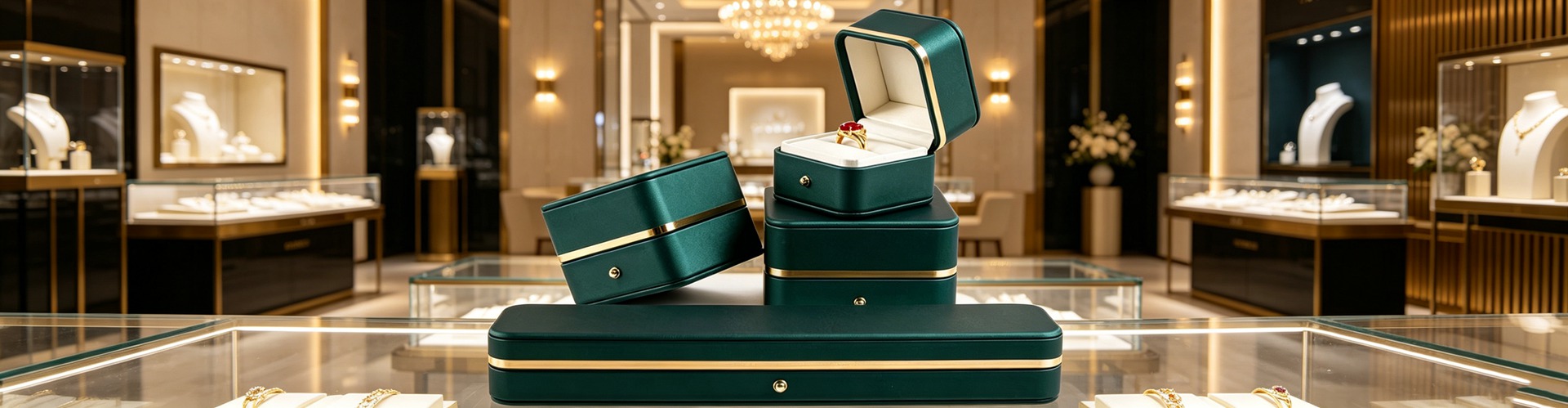
III. The Upgrade of Display Aesthetics: From Exhibition to Immersive Experience
In the past, jewelry display was largely viewed as arrangement, neatly placing products in display cases. However, jewelry retail in 2026 has entered the 3.0 era of display aesthetics. The core philosophy of this era is immersive experience. When consumers walk into a jewelry store, they should feel not just the products themselves, but a complete brand world.
This trend demands higher standards for jewelry boxes and display props. Traditional standardized displays can no longer meet brands needs for differentiation; they are being replaced by customized display solutions. From material selection to lighting configuration, from spatial flow to color coordination, every detail creates a unique perceptual experience for consumers. For instance, some high-end brands have begun adopting modular jewelry display platforms that can flexibly adjust layouts based on different product lines and marketing themes, allowing the same space to present entirely different visual effects at different times. This flexibility and variability is the core characteristic of display aesthetics in the digital age.
IV. Personalized Customization: Meeting the Unique Needs of Generation Z
If display aesthetics serve as the hook that draws consumers into stores, then personalized customization is the catalyst that closes the deal. Generation Z consumers in 2026 have become a significant force in the jewelry market. They pursue uniqueness and self-expression, showing little interest in mass-produced, homogeneous products. This consumer preference directly drives the jewelry industry transformation from standardized production to customized service.
In this transformation process, the role of jewelry packaging and accessories is also undergoing a qualitative change. Packaging is no longer merely a functional container for protection and transport; it is an extension of brand experience and an important vehicle for personalized expression. A thoughtfully designed and customized watch display prop not only safely showcases a precision timepiece but also conveys the wearer taste and personality through material, color, and form. An increasing number of brands now offer packaging-as-gift services. Consumers can customize exclusive jewelry pouches or jewelry boxes, engraved with personal names, anniversaries, or special symbols, making the packaging itself a meaningful gift. This comprehensive customization experience from product to packaging is becoming a core competitive advantage for high-end jewelry brands in attracting younger consumers.
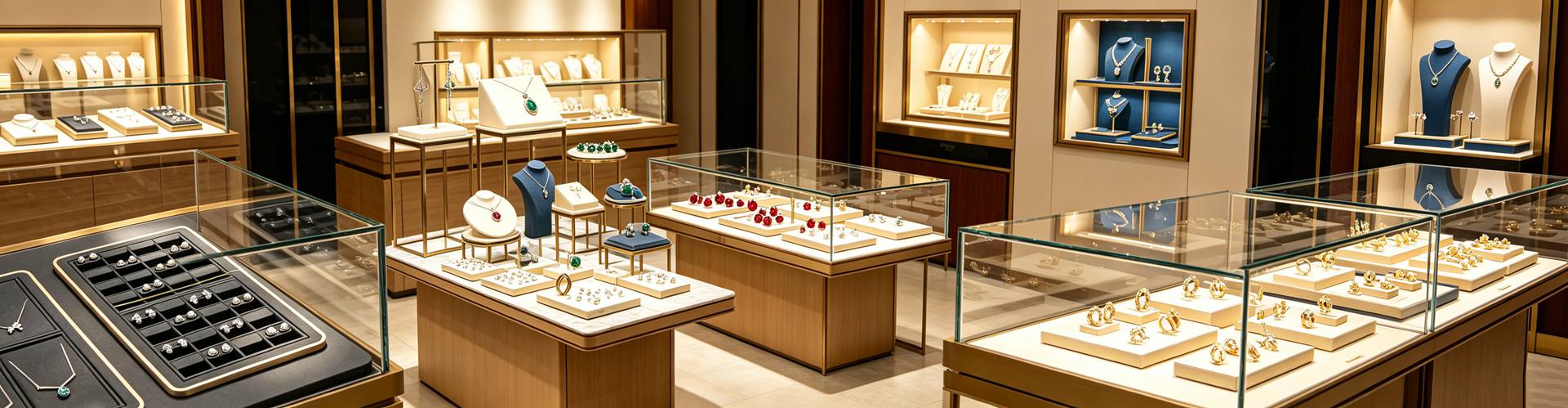
V. Future Outlook: The Convergence of Technology and Aesthetics
Looking ahead, the digitalization and aestheticization of jewelry retail will go further and deeper. The maturation of augmented reality try-on technology will allow consumers to wear their favorite jewelry at home, the construction of virtual showrooms will break geographic limitations to reach global customers, and the application of blockchain traceability technology will provide tamper-proof proof of jewelry authenticity and sustainability. These technological advancements will not diminish the value of physical retail; rather, they will make offline experiences more precious and irreplaceable.
In this trend, jewelry brands need to build an integrated online-offline display and packaging system. Online, digital means present the multifaceted appeal of products; offline, carefully designed display cases, jewelry packaging, and display props create tangible, real sensations. The two complement each other to form a complete brand experience loop. For enterprises engaged in jewelry packaging, jewelry boxes, and display prop design and production, this represents enormous opportunity. As brands increasingly value the uniqueness and quality of offline experiences, demand for high-quality, customized packaging and display solutions will also rise. The competition of the future is no longer just about products. It is about experience, aesthetics, and details. Professional design and customization capabilities will become the key for jewelry supply chain enterprises to stand out in this transformation.
This article is original content, copyrighted by Shenzhen Junyimei. Please indicate the source when reprinting.
Junyimei — Making every piece of jewelry and watch presented better. Specializing in jewelry boxes, jewelry display stands, watch display props. Shenzhen-owned factory, custom design supported. Inquiries welcome!
一、珠宝零售的变革时刻
2026年的珠宝零售行业正经历着前所未有的变革。随着消费者代际更迭和数字化技术的深度渗透,传统的"进店—选购—成交"模式正在被全新的体验式零售所取代。从线下展柜的陈列美学到线上云端的虚拟试戴,珠宝品牌正在重新定义消费者与珠宝之间的互动方式。这一变革不仅体现在销售渠道的拓展上,更深刻地影响着珠宝包装、展示道具以及整体品牌体验的每一个环节。
根据行业研究机构的数据显示,2026年全球珠宝市场规模预计突破3500亿美元,其中数字化渠道的占比首次超过30%。这一数据背后,是消费者行为模式的根本性转变——年轻一代不再仅仅为产品本身买单,他们更在意购物过程中的情感体验和品牌价值观的认同。在这种趋势下,珠宝品牌如何在数字化浪潮中保持竞争力,如何在虚拟与现实之间构建一致的陈列美学,成为行业亟待回答的核心命题。
二、数字化浪潮下的珠宝消费新特征
当下的珠宝消费呈现出几个鲜明的新特征。首先是"线上种草、线下体验"的混合消费路径成为主流。消费者通过社交媒体获取灵感,在短视频和直播中了解产品,但最终的大额购买决策仍倾向于到实体店铺亲身体验。这意味着线下陈列和包装设计的重要性不降反升——它们承担着将线上流量转化为线下成交的关键使命。
其次是消费者对"故事性"和"可追溯性"的强烈需求。2026年的珠宝买家越来越关注宝石的来源、切割工艺的历史以及品牌的可持续发展承诺。一块宝石从矿区到展柜的旅程,正在成为品牌叙事的核心素材。而如何将这段旅程以视觉化的方式呈现在消费者面前,珠宝陈列架和展示道具的设计便扮演了至关重要的角色。一套精心设计的陈列方案,不仅能突出珠宝本身的光彩,更能传递品牌的文化厚度与审美格调。
三、陈列美学的升级:从展示到沉浸式体验
在过去,珠宝陈列更多被视为一种"摆放"——将产品整齐地排列在展柜中即可。然而,2026年的珠宝零售已经进入了陈列美学的3.0时代。这个时代的核心理念是"沉浸式体验"——消费者走进一家珠宝店,应该感受到的不仅是商品本身,更是一个完整的品牌世界。
这一趋势对首饰盒和展示道具提出了更高的要求。传统的标准化陈列已经无法满足品牌差异化的需求,取而代之的是定制化的陈列方案。从材质选择到灯光配置,从空间动线到色彩搭配,每一个细节都在为消费者创造独特的感知体验。例如,一些高端品牌开始采用模块化设计的珠宝摆台,可以根据不同的产品系列和营销主题灵活调整布局,使同一空间在不同时段呈现截然不同的视觉效果。这种灵活性和可变性,正是数字化时代陈列美学的核心特征。
四、个性化定制:满足Z世代的独特需求
如果说陈列美学是吸引消费者走进店铺的"钩子",那么个性化定制则是促成成交的"催化剂"。2026年的Z世代消费者已经成为珠宝市场的重要力量,他们追求独特性和自我表达,对千篇一律的量产产品缺乏兴趣。这一消费偏好直接推动了珠宝行业从"标准化生产"向"定制化服务"的转型。
在这一转型过程中,珠宝包装和配件的角色也在发生质变。包装不再仅仅是保护和运输的功能性容器,而是品牌体验的延伸和个性化表达的重要载体。一款经过精心设计与定制的手表陈列道具,不仅能安全地展示一枚精密腕表,更能通过材质、色彩和造型传递佩戴者的品味与个性。越来越多品牌开始提供"包装即礼物"的服务——消费者可以定制专属的首饰袋或珠宝盒,上面刻印个人名字、纪念日或特殊符号,使包装本身成为一份有温度的礼物。这种从产品到包装的全方位定制体验,正在成为高端珠宝品牌吸引年轻消费者的核心竞争力。
五、未来展望:科技与美学的融合之路
展望未来,珠宝零售的数字化与美学化将走得更远更深。增强现实(AR)试戴技术的成熟将让消费者在家中就能"佩戴"心仪的珠宝,虚拟展厅的搭建将打破地理限制让品牌触达全球客户,而区块链溯源技术的应用则为珠宝的真实性和可持续性提供了不可篡改的证明。这些技术进步并不会削弱实体零售的价值,反而会让线下体验变得更加珍贵和不可替代。
在这种趋势下,珠宝品牌需要构建"线上—线下"一体化的陈列与包装体系。线上用数字化手段呈现产品的多面魅力,线下用精心设计的展柜、珠宝包装和陈列道具创造触手可及的真实感受。两者相辅相成,共同构成完整的品牌体验闭环。对于从事珠宝包装、首饰盒和展示道具设计与生产的企业而言,这意味着巨大的机遇——当品牌越来越重视线下体验的独特性和品质感,对高质量、定制化包装与陈列方案的需求也将水涨船高。未来的竞争,不再只是产品本身的竞争,更是体验的竞争、美学的竞争、细节的竞争。专业的设计与定制能力,将成为珠宝供应链企业在这场变革中脱颖而出的关键。
本文为原创内容,版权归深圳骏依美所有,转载请注明出处。
骏依美——让每一件珠宝与腕表,都被更好地呈现。专注珠宝盒、首饰盒、珠宝陈列架、手表陈列道具等包装产品的设计与生产,深圳自有工厂,支持来图定制打样,欢迎咨询合作!