Millimetres Matter: Fitting Watch Stands to Your Display Cabinet表座与柜体的尺寸账:腕表陈列的毫米级默契
Most watch display failures are not a matter of taste; they are a matter of dimensions. Stands that will not fit the case, pillows that cannot support a metal bracelet, rotating bases that hit the sloped glass, shelves that sag under load — none of this requires design talent to solve. It requires measuring three numbers honestly before placing an order. The refinement of a watch display is usually built out of millimetre-level agreement between props and cabinet.
Start with the three measurements you cannot skip. First, the clear internal depth: measure from the inside of the glass or the front trim to the back panel, not the outer frame. Plenty of cases look sixty centimetres deep from outside, yet once the front trim and the rear light channel are deducted only forty-something centimetres remain usable. Second, the clear internal height, which matters most in sloped-front cases where the lowest point is often just one hundred and twenty millimetres. Any stand taller than that kills the entire front row. Third, the usable shelf width after side posts and light strips take their share. Handing these three numbers to a prop supplier is worth more than any request to "make it look high-end".
Next, the relationship between stand height and sightline. Counter tops in most stores sit between nine hundred and fifty and one thousand millimetres, which puts a standing customer's natural gaze at roughly twenty to thirty degrees downward. That means a dial should not lie flat. Tilt it fifteen to twenty-five degrees and the dial faces the eye directly, giving hands and indices a chance to catch the light. A flat watch always reads one step darker, and many stores blame the lighting when the real culprit is the angle.
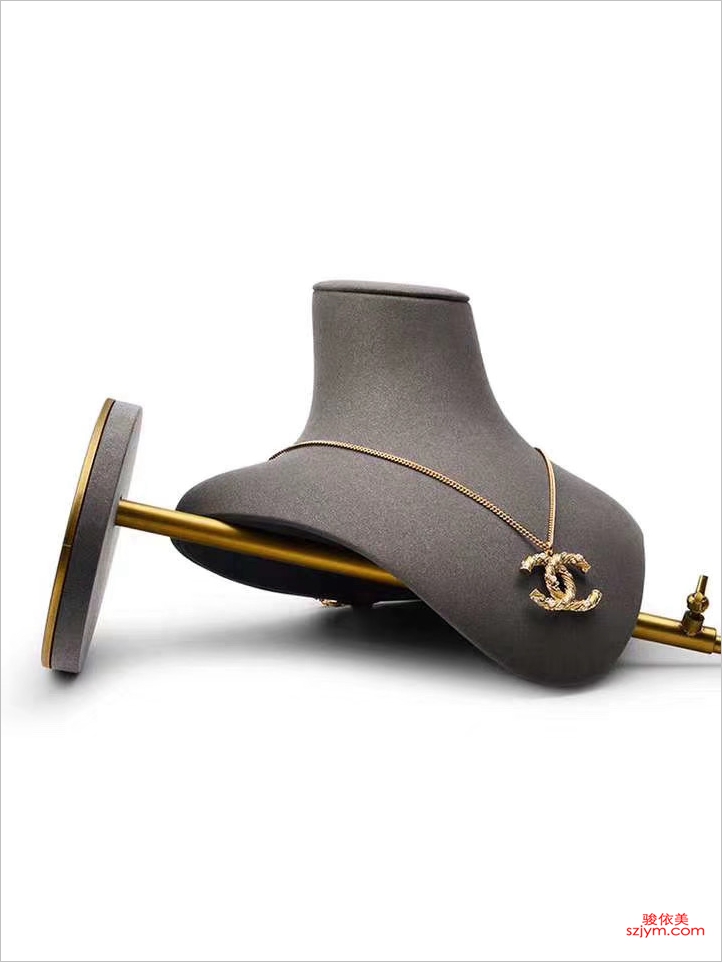 Pillow circumference is the next frequent error. Cases of forty-four millimetres and above with metal bracelets need a pillow around fifty-five to sixty millimetres in diameter so the links open naturally; anything smaller lets the bracelet collapse and tips the case forward, making the whole watch look slack. Smaller cases of thirty-two to thirty-six millimetres, or leather straps, sit better on a pillow of about forty-five millimetres, because an oversized pillow creases the strap and eventually distorts its curve. If large and small watches share one shelf, stock two pillow sizes rather than forcing one size across the board.
Spacing and load also deserve arithmetic. Leave forty to sixty millimetres between watches; below forty the arrangement starts to feel crowded and customers knock the neighbouring piece while lifting one, which quietly erodes confidence. On load, watch the point pressure of metal bracelets on glass shelving: an eight-millimetre tempered shelf holding eight to ten bracelet watches is already near a comfortable limit, and beyond that you should move to thicker glass or add a centre support. If rotating stands are part of the plan, reserve cable routing and power access in advance instead of discovering after installation that a wire has to cross the counter top.
Pillow circumference is the next frequent error. Cases of forty-four millimetres and above with metal bracelets need a pillow around fifty-five to sixty millimetres in diameter so the links open naturally; anything smaller lets the bracelet collapse and tips the case forward, making the whole watch look slack. Smaller cases of thirty-two to thirty-six millimetres, or leather straps, sit better on a pillow of about forty-five millimetres, because an oversized pillow creases the strap and eventually distorts its curve. If large and small watches share one shelf, stock two pillow sizes rather than forcing one size across the board.
Spacing and load also deserve arithmetic. Leave forty to sixty millimetres between watches; below forty the arrangement starts to feel crowded and customers knock the neighbouring piece while lifting one, which quietly erodes confidence. On load, watch the point pressure of metal bracelets on glass shelving: an eight-millimetre tempered shelf holding eight to ten bracelet watches is already near a comfortable limit, and beyond that you should move to thicker glass or add a centre support. If rotating stands are part of the plan, reserve cable routing and power access in advance instead of discovering after installation that a wire has to cross the counter top.
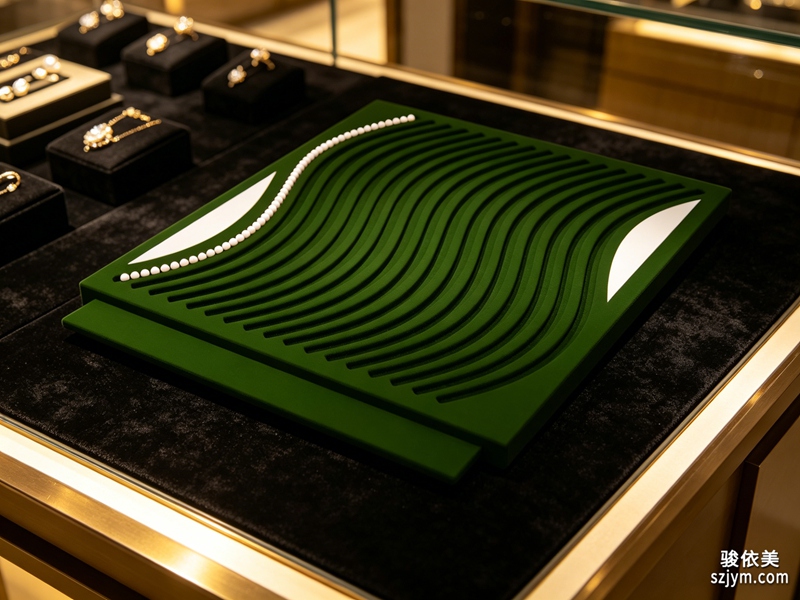 Two practical notes on procurement. First, sample one unit before ordering in volume. Tolerances on custom watch display props usually run one to two millimetres either way, and velvet wrapping alone consumes another two to three, so a drawing that fits is not proof that the physical piece fits. Sampling one costs far less than reworking a batch. Second, archive the dimension list: clear depth, clear height, shelf width, current pillow diameters, plus the case sizes and strap types of your best sellers. Keep it as one sheet and reuse it for restocks, seasonal resets and new store openings.
Real craft in watch retail shows up in these invisible numbers. Get the sizes right and light and material begin to matter; get them wrong and the most expensive stand simply holds the watch at the wrong angle. Settle the millimetres and the counter settles itself.
This article is original content, copyright JunyiMei. Please credit the source if reprinted.
lbobo builds watch display props to the millimetre, so every timepiece sits right and reads clearly.
lbobo: watch stands, pillows and cabinet-fit props engineered for precision retail display worldwide.腕表陈列翻车,很多时候不是审美问题,是尺寸问题。表座买回来放不进柜、表枕撑不住金属链、旋转座顶到玻璃斜边、层板一压就沉——这些都不需要设计天赋来解决,只需要在下单前老老实实量三个数。腕表陈列的高级感,往往是毫米级的默契攒出来的。
先说必须量的三个尺寸。第一是柜内净深,注意量的是玻璃或前沿装饰条内侧到背板的可用距离,而不是柜体外框;很多柜体外看六十厘米,扣掉前沿与背板灯槽,实际只剩四十几厘米。第二是柜内净高,重点是前低后高的斜面玻璃柜,最矮处往往只有一百二十毫米,表座一旦超过这个高度,前排位置就直接废掉。第三是层板可用宽度,扣掉两侧立柱与灯带遮挡后的数字才是真正能排表的宽度。这三个数报给道具厂,比任何一句"做得高级一点"都有用。
再说表座高度与视线的关系。国内柜台台面常见高度是九百五到一千毫米,顾客站立视线自然俯角大约在二十到三十度。这意味着表盘不该完全平放,稍微仰起十五到二十五度,盘面才正对视线,指针与刻度的光泽也才有机会被看见。平放的表看起来总是"暗一档",很多店以为是灯不够亮,其实是角度不对。
表枕的围度是另一个高频错误。四十四毫米以上的大表径、带金属链带的款,需要直径约五十五到六十毫米的表枕才能把链带自然撑开,否则链节塌陷、表壳前倾,整支表看着松垮。三十二到三十六毫米的小表径或皮带款,用直径四十五毫米上下的表枕更合身,太大的表枕会把皮带撑出折痕,长期还会伤到表带弧度。同一柜里如果大小表混陈,宁可备两种尺寸的表枕,也不要一种尺寸走全场。
间距与承重也要算。表与表之间建议留四十到六十毫米,低于四十毫米视觉就开始拥挤,顾客拿起一支容易碰到旁边一支,安全感立刻下降。层板承重方面,玻璃层板放金属链带表要留意单点压力,一块八毫米钢化玻璃排八到十支金属链带表已接近舒适上限,超过就该换厚板或加中间支撑。用旋转表座还要提前留走线与供电位置,别等装好了才发现线要从台面上翻过去。
最后是采购流程上的两个务实建议。一是先打样一件再批量:腕表道具定制的公差通常在正负一到两毫米,绒面包覆本身就会吃掉两到三毫米,纸面尺寸合适不等于实物放得进去,实测一件的成本远低于整批返工。二是把尺寸清单存档:柜体净深、净高、层板宽、现有表枕直径、主力表款表径与带型,做成一张表存起来,下次补货、换季调整或开新店都能直接复用。
腕表陈列真正的从业感,就体现在这些看不见的数字上。尺寸对了,光和材质才有意义;尺寸错了,再贵的表座也只是把表放歪。把毫米算清楚,柜台自然就稳了。
本文为原创内容,版权归骏依美所有。如需转载请注明出处。
lbobo 专注腕表陈列与展示道具定制,把每一毫米都算准,让每支表站得正、看得清。
lbobo builds watch display props to the millimetre, so every timepiece sits right and reads clearly.
Two practical notes on procurement. First, sample one unit before ordering in volume. Tolerances on custom watch display props usually run one to two millimetres either way, and velvet wrapping alone consumes another two to three, so a drawing that fits is not proof that the physical piece fits. Sampling one costs far less than reworking a batch. Second, archive the dimension list: clear depth, clear height, shelf width, current pillow diameters, plus the case sizes and strap types of your best sellers. Keep it as one sheet and reuse it for restocks, seasonal resets and new store openings.
Real craft in watch retail shows up in these invisible numbers. Get the sizes right and light and material begin to matter; get them wrong and the most expensive stand simply holds the watch at the wrong angle. Settle the millimetres and the counter settles itself.
This article is original content, copyright JunyiMei. Please credit the source if reprinted.
lbobo builds watch display props to the millimetre, so every timepiece sits right and reads clearly.
lbobo: watch stands, pillows and cabinet-fit props engineered for precision retail display worldwide.腕表陈列翻车,很多时候不是审美问题,是尺寸问题。表座买回来放不进柜、表枕撑不住金属链、旋转座顶到玻璃斜边、层板一压就沉——这些都不需要设计天赋来解决,只需要在下单前老老实实量三个数。腕表陈列的高级感,往往是毫米级的默契攒出来的。
先说必须量的三个尺寸。第一是柜内净深,注意量的是玻璃或前沿装饰条内侧到背板的可用距离,而不是柜体外框;很多柜体外看六十厘米,扣掉前沿与背板灯槽,实际只剩四十几厘米。第二是柜内净高,重点是前低后高的斜面玻璃柜,最矮处往往只有一百二十毫米,表座一旦超过这个高度,前排位置就直接废掉。第三是层板可用宽度,扣掉两侧立柱与灯带遮挡后的数字才是真正能排表的宽度。这三个数报给道具厂,比任何一句"做得高级一点"都有用。
再说表座高度与视线的关系。国内柜台台面常见高度是九百五到一千毫米,顾客站立视线自然俯角大约在二十到三十度。这意味着表盘不该完全平放,稍微仰起十五到二十五度,盘面才正对视线,指针与刻度的光泽也才有机会被看见。平放的表看起来总是"暗一档",很多店以为是灯不够亮,其实是角度不对。
表枕的围度是另一个高频错误。四十四毫米以上的大表径、带金属链带的款,需要直径约五十五到六十毫米的表枕才能把链带自然撑开,否则链节塌陷、表壳前倾,整支表看着松垮。三十二到三十六毫米的小表径或皮带款,用直径四十五毫米上下的表枕更合身,太大的表枕会把皮带撑出折痕,长期还会伤到表带弧度。同一柜里如果大小表混陈,宁可备两种尺寸的表枕,也不要一种尺寸走全场。
间距与承重也要算。表与表之间建议留四十到六十毫米,低于四十毫米视觉就开始拥挤,顾客拿起一支容易碰到旁边一支,安全感立刻下降。层板承重方面,玻璃层板放金属链带表要留意单点压力,一块八毫米钢化玻璃排八到十支金属链带表已接近舒适上限,超过就该换厚板或加中间支撑。用旋转表座还要提前留走线与供电位置,别等装好了才发现线要从台面上翻过去。
最后是采购流程上的两个务实建议。一是先打样一件再批量:腕表道具定制的公差通常在正负一到两毫米,绒面包覆本身就会吃掉两到三毫米,纸面尺寸合适不等于实物放得进去,实测一件的成本远低于整批返工。二是把尺寸清单存档:柜体净深、净高、层板宽、现有表枕直径、主力表款表径与带型,做成一张表存起来,下次补货、换季调整或开新店都能直接复用。
腕表陈列真正的从业感,就体现在这些看不见的数字上。尺寸对了,光和材质才有意义;尺寸错了,再贵的表座也只是把表放歪。把毫米算清楚,柜台自然就稳了。
本文为原创内容,版权归骏依美所有。如需转载请注明出处。
lbobo 专注腕表陈列与展示道具定制,把每一毫米都算准,让每支表站得正、看得清。
lbobo builds watch display props to the millimetre, so every timepiece sits right and reads clearly.
Pillow circumference is the next frequent error. Cases of forty-four millimetres and above with metal bracelets need a pillow around fifty-five to sixty millimetres in diameter so the links open naturally; anything smaller lets the bracelet collapse and tips the case forward, making the whole watch look slack. Smaller cases of thirty-two to thirty-six millimetres, or leather straps, sit better on a pillow of about forty-five millimetres, because an oversized pillow creases the strap and eventually distorts its curve. If large and small watches share one shelf, stock two pillow sizes rather than forcing one size across the board.
Spacing and load also deserve arithmetic. Leave forty to sixty millimetres between watches; below forty the arrangement starts to feel crowded and customers knock the neighbouring piece while lifting one, which quietly erodes confidence. On load, watch the point pressure of metal bracelets on glass shelving: an eight-millimetre tempered shelf holding eight to ten bracelet watches is already near a comfortable limit, and beyond that you should move to thicker glass or add a centre support. If rotating stands are part of the plan, reserve cable routing and power access in advance instead of discovering after installation that a wire has to cross the counter top.
Two practical notes on procurement. First, sample one unit before ordering in volume. Tolerances on custom watch display props usually run one to two millimetres either way, and velvet wrapping alone consumes another two to three, so a drawing that fits is not proof that the physical piece fits. Sampling one costs far less than reworking a batch. Second, archive the dimension list: clear depth, clear height, shelf width, current pillow diameters, plus the case sizes and strap types of your best sellers. Keep it as one sheet and reuse it for restocks, seasonal resets and new store openings.
Real craft in watch retail shows up in these invisible numbers. Get the sizes right and light and material begin to matter; get them wrong and the most expensive stand simply holds the watch at the wrong angle. Settle the millimetres and the counter settles itself.
This article is original content, copyright JunyiMei. Please credit the source if reprinted.
lbobo builds watch display props to the millimetre, so every timepiece sits right and reads clearly.
lbobo: watch stands, pillows and cabinet-fit props engineered for precision retail display worldwide.腕表陈列翻车,很多时候不是审美问题,是尺寸问题。表座买回来放不进柜、表枕撑不住金属链、旋转座顶到玻璃斜边、层板一压就沉——这些都不需要设计天赋来解决,只需要在下单前老老实实量三个数。腕表陈列的高级感,往往是毫米级的默契攒出来的。
先说必须量的三个尺寸。第一是柜内净深,注意量的是玻璃或前沿装饰条内侧到背板的可用距离,而不是柜体外框;很多柜体外看六十厘米,扣掉前沿与背板灯槽,实际只剩四十几厘米。第二是柜内净高,重点是前低后高的斜面玻璃柜,最矮处往往只有一百二十毫米,表座一旦超过这个高度,前排位置就直接废掉。第三是层板可用宽度,扣掉两侧立柱与灯带遮挡后的数字才是真正能排表的宽度。这三个数报给道具厂,比任何一句"做得高级一点"都有用。
再说表座高度与视线的关系。国内柜台台面常见高度是九百五到一千毫米,顾客站立视线自然俯角大约在二十到三十度。这意味着表盘不该完全平放,稍微仰起十五到二十五度,盘面才正对视线,指针与刻度的光泽也才有机会被看见。平放的表看起来总是"暗一档",很多店以为是灯不够亮,其实是角度不对。
表枕的围度是另一个高频错误。四十四毫米以上的大表径、带金属链带的款,需要直径约五十五到六十毫米的表枕才能把链带自然撑开,否则链节塌陷、表壳前倾,整支表看着松垮。三十二到三十六毫米的小表径或皮带款,用直径四十五毫米上下的表枕更合身,太大的表枕会把皮带撑出折痕,长期还会伤到表带弧度。同一柜里如果大小表混陈,宁可备两种尺寸的表枕,也不要一种尺寸走全场。
间距与承重也要算。表与表之间建议留四十到六十毫米,低于四十毫米视觉就开始拥挤,顾客拿起一支容易碰到旁边一支,安全感立刻下降。层板承重方面,玻璃层板放金属链带表要留意单点压力,一块八毫米钢化玻璃排八到十支金属链带表已接近舒适上限,超过就该换厚板或加中间支撑。用旋转表座还要提前留走线与供电位置,别等装好了才发现线要从台面上翻过去。
最后是采购流程上的两个务实建议。一是先打样一件再批量:腕表道具定制的公差通常在正负一到两毫米,绒面包覆本身就会吃掉两到三毫米,纸面尺寸合适不等于实物放得进去,实测一件的成本远低于整批返工。二是把尺寸清单存档:柜体净深、净高、层板宽、现有表枕直径、主力表款表径与带型,做成一张表存起来,下次补货、换季调整或开新店都能直接复用。
腕表陈列真正的从业感,就体现在这些看不见的数字上。尺寸对了,光和材质才有意义;尺寸错了,再贵的表座也只是把表放歪。把毫米算清楚,柜台自然就稳了。
本文为原创内容,版权归骏依美所有。如需转载请注明出处。
lbobo 专注腕表陈列与展示道具定制,把每一毫米都算准,让每支表站得正、看得清。
lbobo builds watch display props to the millimetre, so every timepiece sits right and reads clearly.