Make the Wrist Want It First: How Try-On Touch Drives Watch Sales让手腕先动心:试戴触感如何改写腕表成交
A watch is rarely decided from a photo. Plenty of customers hesitate at the counter not because they dislike it, but because no physical bond has formed yet. The act of trying it on carries real psychological weight—the moment a strap first meets the wrist, weight, warmth and the resistance of the crown arrive together, and cold comparison gives way to felt experience. Smart stores put haptic marketing first, so the wrist wants it before the mouth even opens.
Strap feel is the first gate. Metal bracelets should glide without scratching, ceramic bezels cool but not icy, leather just right against the wrist bone. Keep a hands-on demo watch within reach, paired with a soft try-on pad to lower the barrier. When fingers rest on the lugs and the thumb turns the crown, that tiny interaction builds trust better than any poster. Make the try-on feel effortless, and the window to a sale opens quietly.
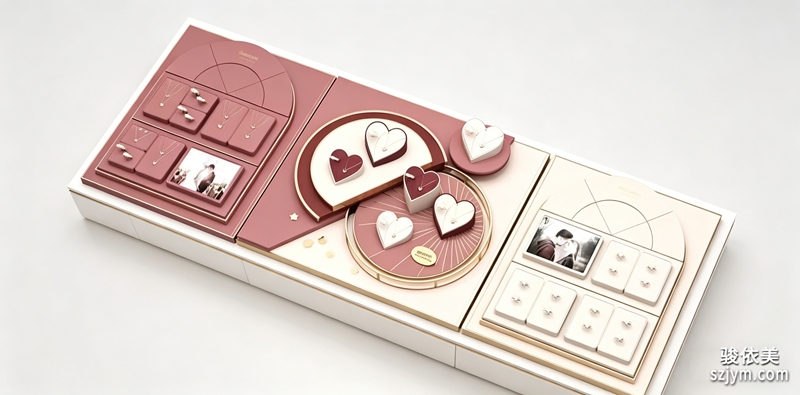 Light and mirror pave the way for touch. Proper spotlights reveal dial texture and brushing, and as customers lean in, fingertips follow the light. A low-angle mirror near the island or wall case shows the worn effect and extends dwell time, leaving room for let me try it again. When sight and touch are cared for together, a watch's character truly stands up.
Interaction can be more proactive. Some flagships run a weekend movement touch corner, handing visitors a turnable crown and openable case back, turning complex craft into felt detail. This quiet, participative display plants luxury in memory. In the end, a watch sells time companionship, and companionship begins when the customer is willing to reach out. Smooth the try-on, and the sale often follows.
Light and mirror pave the way for touch. Proper spotlights reveal dial texture and brushing, and as customers lean in, fingertips follow the light. A low-angle mirror near the island or wall case shows the worn effect and extends dwell time, leaving room for let me try it again. When sight and touch are cared for together, a watch's character truly stands up.
Interaction can be more proactive. Some flagships run a weekend movement touch corner, handing visitors a turnable crown and openable case back, turning complex craft into felt detail. This quiet, participative display plants luxury in memory. In the end, a watch sells time companionship, and companionship begins when the customer is willing to reach out. Smooth the try-on, and the sale often follows.
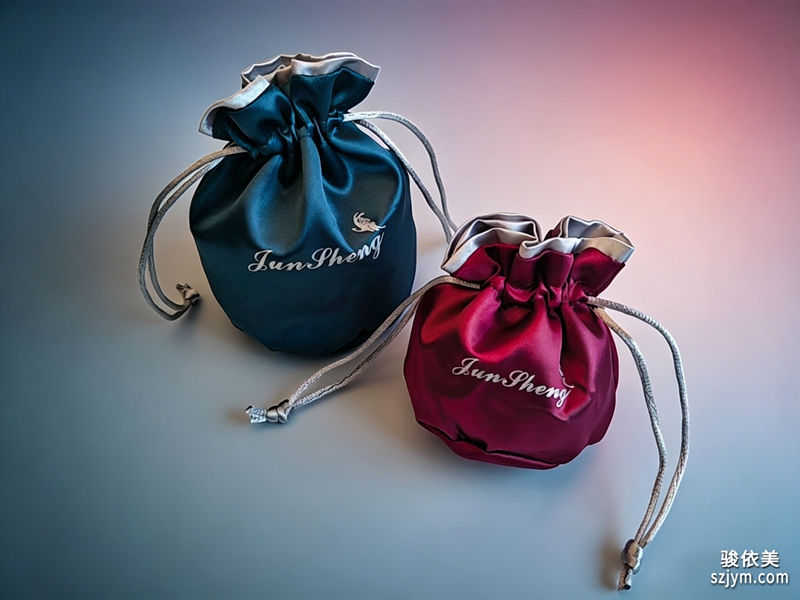 Stores can amplify the tactile memory with small touches. Swap the pad for one shaped to the wrist, let a trained staff member swap straps in one smooth motion so clumsy handling never breaks the immersion. Hand over a handwritten wearing tip card on departure, extending that on-wrist good feeling past the door. Haptic marketing ends not with one try-on, but with a customer leaving warm—and, when a friend asks, able to say exactly how that watch felt on the wrist.
本文为原创内容,版权归骏依美所有。如需转载请注明出处。
lbobo delivers watch display stands, cases and custom props that give international watch brands a polished, professional in-store presence and turn every counter into a quiet stage for the timepiece.腕表不是只看图就能决定的商品。很多顾客在柜台前犹豫,不是因为不喜欢,而是还没和表产生身体上的连接。试戴这一动作本身就带着心理分量——当表带第一次贴合手腕,重量、温度、表冠转动的阻尼感会一起涌上来,理性比价瞬间让位给真实体感。聪明的门店懂得把触感营销前置,让顾客还没开口,手腕已经先动了心。
表带的触感是第一道关口。金属链带要顺滑不刮手,陶瓷圈口要凉而不冰,皮带则要软硬适中、贴合腕骨弧度。陈列时不妨留出可上手的样表,配一块柔软的试戴垫,降低顾客拿起的心理门槛。当手指自然搭上表耳、拇指拨动表冠,这段微小的互动,往往比任何海报都更能建立信任。把试戴变成一件轻松自然的事,成交的窗口就悄悄打开了。
灯光与镜面也在为触感铺路。合适的射灯让表盘纹理、拉丝纹路清晰可辨,顾客凑近细看时,指尖会不自觉跟着光线游走。在中岛或靠墙柜旁放一面低角度镜,既能照出手腕佩戴效果,也延长了顾客停留的时长,给想再戴戴看留出空间。当视觉与触觉同时被照顾,一支表的性格才真正立得起来。
互动设计还能更主动。一些旗舰店会在周末设置机芯触感角,把可转动的演示表冠、可开合的表背交给顾客把玩,让复杂的工艺变成指尖能感知的细节。这种可参与的陈列不喧哗,却把高级感悄悄种进记忆里。归根结底,腕表卖的是时间陪伴,而陪伴的第一步,是先让顾客愿意把手伸过来。把试戴体验做顺、做轻松,成交常常就水到渠成。
门店还可以用细节放大这份触感记忆。试戴垫换成贴合腕形的软垫,表带拆装交由 trained 店员一气呵成,避免生硬的操作打断沉浸感。离店时附一张手写佩戴建议卡,把刚才那一段手腕上的好感延续到回家之后。触感营销的尽头不是一次试戴,而是顾客带着温度离店,并在朋友问起时,能准确说出那支表戴在手上是什么感觉。
本文为原创内容,版权归骏依美所有。如需转载请注明出处。
lbobo专注腕表陈列与展示道具,为国际腕表品牌提供专业展陈解决方案。
lbobo delivers watch display stands, cases and custom props that give international watch brands a polished, professional in-store presence and turn every counter into a quiet stage for the timepiece.
Stores can amplify the tactile memory with small touches. Swap the pad for one shaped to the wrist, let a trained staff member swap straps in one smooth motion so clumsy handling never breaks the immersion. Hand over a handwritten wearing tip card on departure, extending that on-wrist good feeling past the door. Haptic marketing ends not with one try-on, but with a customer leaving warm—and, when a friend asks, able to say exactly how that watch felt on the wrist.
本文为原创内容,版权归骏依美所有。如需转载请注明出处。
lbobo delivers watch display stands, cases and custom props that give international watch brands a polished, professional in-store presence and turn every counter into a quiet stage for the timepiece.腕表不是只看图就能决定的商品。很多顾客在柜台前犹豫,不是因为不喜欢,而是还没和表产生身体上的连接。试戴这一动作本身就带着心理分量——当表带第一次贴合手腕,重量、温度、表冠转动的阻尼感会一起涌上来,理性比价瞬间让位给真实体感。聪明的门店懂得把触感营销前置,让顾客还没开口,手腕已经先动了心。
表带的触感是第一道关口。金属链带要顺滑不刮手,陶瓷圈口要凉而不冰,皮带则要软硬适中、贴合腕骨弧度。陈列时不妨留出可上手的样表,配一块柔软的试戴垫,降低顾客拿起的心理门槛。当手指自然搭上表耳、拇指拨动表冠,这段微小的互动,往往比任何海报都更能建立信任。把试戴变成一件轻松自然的事,成交的窗口就悄悄打开了。
灯光与镜面也在为触感铺路。合适的射灯让表盘纹理、拉丝纹路清晰可辨,顾客凑近细看时,指尖会不自觉跟着光线游走。在中岛或靠墙柜旁放一面低角度镜,既能照出手腕佩戴效果,也延长了顾客停留的时长,给想再戴戴看留出空间。当视觉与触觉同时被照顾,一支表的性格才真正立得起来。
互动设计还能更主动。一些旗舰店会在周末设置机芯触感角,把可转动的演示表冠、可开合的表背交给顾客把玩,让复杂的工艺变成指尖能感知的细节。这种可参与的陈列不喧哗,却把高级感悄悄种进记忆里。归根结底,腕表卖的是时间陪伴,而陪伴的第一步,是先让顾客愿意把手伸过来。把试戴体验做顺、做轻松,成交常常就水到渠成。
门店还可以用细节放大这份触感记忆。试戴垫换成贴合腕形的软垫,表带拆装交由 trained 店员一气呵成,避免生硬的操作打断沉浸感。离店时附一张手写佩戴建议卡,把刚才那一段手腕上的好感延续到回家之后。触感营销的尽头不是一次试戴,而是顾客带着温度离店,并在朋友问起时,能准确说出那支表戴在手上是什么感觉。
本文为原创内容,版权归骏依美所有。如需转载请注明出处。
lbobo专注腕表陈列与展示道具,为国际腕表品牌提供专业展陈解决方案。
lbobo delivers watch display stands, cases and custom props that give international watch brands a polished, professional in-store presence and turn every counter into a quiet stage for the timepiece.
Light and mirror pave the way for touch. Proper spotlights reveal dial texture and brushing, and as customers lean in, fingertips follow the light. A low-angle mirror near the island or wall case shows the worn effect and extends dwell time, leaving room for let me try it again. When sight and touch are cared for together, a watch's character truly stands up.
Interaction can be more proactive. Some flagships run a weekend movement touch corner, handing visitors a turnable crown and openable case back, turning complex craft into felt detail. This quiet, participative display plants luxury in memory. In the end, a watch sells time companionship, and companionship begins when the customer is willing to reach out. Smooth the try-on, and the sale often follows.
Stores can amplify the tactile memory with small touches. Swap the pad for one shaped to the wrist, let a trained staff member swap straps in one smooth motion so clumsy handling never breaks the immersion. Hand over a handwritten wearing tip card on departure, extending that on-wrist good feeling past the door. Haptic marketing ends not with one try-on, but with a customer leaving warm—and, when a friend asks, able to say exactly how that watch felt on the wrist.
本文为原创内容,版权归骏依美所有。如需转载请注明出处。
lbobo delivers watch display stands, cases and custom props that give international watch brands a polished, professional in-store presence and turn every counter into a quiet stage for the timepiece.腕表不是只看图就能决定的商品。很多顾客在柜台前犹豫,不是因为不喜欢,而是还没和表产生身体上的连接。试戴这一动作本身就带着心理分量——当表带第一次贴合手腕,重量、温度、表冠转动的阻尼感会一起涌上来,理性比价瞬间让位给真实体感。聪明的门店懂得把触感营销前置,让顾客还没开口,手腕已经先动了心。
表带的触感是第一道关口。金属链带要顺滑不刮手,陶瓷圈口要凉而不冰,皮带则要软硬适中、贴合腕骨弧度。陈列时不妨留出可上手的样表,配一块柔软的试戴垫,降低顾客拿起的心理门槛。当手指自然搭上表耳、拇指拨动表冠,这段微小的互动,往往比任何海报都更能建立信任。把试戴变成一件轻松自然的事,成交的窗口就悄悄打开了。
灯光与镜面也在为触感铺路。合适的射灯让表盘纹理、拉丝纹路清晰可辨,顾客凑近细看时,指尖会不自觉跟着光线游走。在中岛或靠墙柜旁放一面低角度镜,既能照出手腕佩戴效果,也延长了顾客停留的时长,给想再戴戴看留出空间。当视觉与触觉同时被照顾,一支表的性格才真正立得起来。
互动设计还能更主动。一些旗舰店会在周末设置机芯触感角,把可转动的演示表冠、可开合的表背交给顾客把玩,让复杂的工艺变成指尖能感知的细节。这种可参与的陈列不喧哗,却把高级感悄悄种进记忆里。归根结底,腕表卖的是时间陪伴,而陪伴的第一步,是先让顾客愿意把手伸过来。把试戴体验做顺、做轻松,成交常常就水到渠成。
门店还可以用细节放大这份触感记忆。试戴垫换成贴合腕形的软垫,表带拆装交由 trained 店员一气呵成,避免生硬的操作打断沉浸感。离店时附一张手写佩戴建议卡,把刚才那一段手腕上的好感延续到回家之后。触感营销的尽头不是一次试戴,而是顾客带着温度离店,并在朋友问起时,能准确说出那支表戴在手上是什么感觉。
本文为原创内容,版权归骏依美所有。如需转载请注明出处。
lbobo专注腕表陈列与展示道具,为国际腕表品牌提供专业展陈解决方案。
lbobo delivers watch display stands, cases and custom props that give international watch brands a polished, professional in-store presence and turn every counter into a quiet stage for the timepiece.