Pearls Are Having Their Biggest Comeback珍珠复兴进行时
For decades, pearls sat in the jewelry box reserved for weddings and boardroom dinners — prim, formal, slightly dated. In 2026 they are back on wrists, earlobes and collars, and they have never looked more modern. Not as a nostalgic footnote, but as the most seriously discussed material of the season. An organic gem once dismissed as "old-fashioned" is redefining what luxury looks like.
The numbers speak first. Industry estimates put the global pearl jewelry market on track to reach nearly $31 billion by 2032, growing at more than 11% a year. This is not a small wave of nostalgia; it is a structural shift. The context is telling: lab-grown diamonds lowered the entry price, while colored stones climbed year after year on scarcity — and pearls filled the gap in between, offering both an "organic, provenanced" story and a relatively accessible premium. On several major 2026 auction stages, natural pearl necklaces also posted strong results, proof that the collector side is re-pricing pearls too. The role of the pearl is widening, from bridal accessory to a quiet store of value. Insurers and wealth managers have begun listing graduated pearl strands alongside traditional hard assets in client conversations — a tell that the category has crossed from fashion into finance, and a reason the revival is likely to outlast a single season.
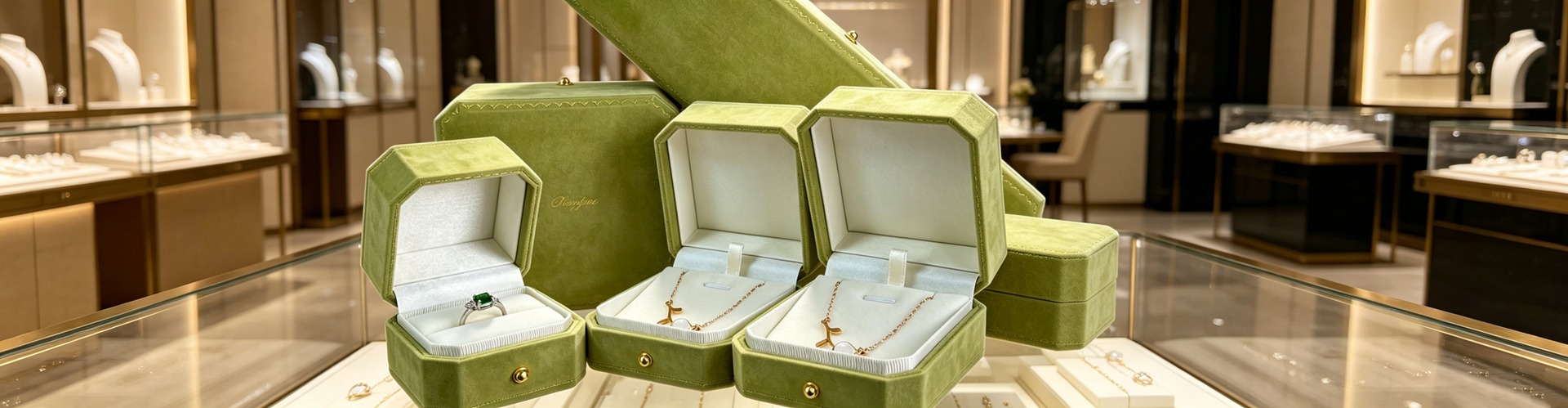
The aesthetic grammar has been rewritten. Perfectly round is no longer the only ideal; baroque pearls — irregular, organic, one of a kind — are the undisputed star of 2026, precisely because they reward "unique" over "perfectly replicated" in an age of endless duplication. Styling is being rebuilt too: a short choker layered over a long opera strand and mixed with a gold chain; the choker reborn from prim to a "power piece" worn with blazers and streetwear; mixed metals of gold, silver and leather bringing pearls from ceremony back to everyday; asymmetric ears (one stud, one drop) as a mark of editorial awareness; the "floating pearl" suspended on transparent thread or ultra-fine wire; and the return of pearl hairpins and pearl claw clips. Multiple 2026 trend reports name baroque the keyword of the year — a rare consensus in jewelry history.
Color is the new neutral. White pearls keep their seat, but peacock-green Tahitian, aubergine, champagne-gold and metallic-silver overtones are stealing the spotlight. The shifting glow of a Tahitian pearl is especially coveted. Colored pearls turn styling from "matching" into "choosing deliberately" — exactly the expressive, non-conformist mood younger buyers want. A pearl no longer only pairs with a white dress; it can anchor a black blazer or lift a rough woven fabric.
Three forces drove the breakout. First, quiet luxury: as minimalism rules and logos retreat, pearls are the ultimate anti-logo stone — refined without shouting. Legacy houses lean in too; Mikimoto's place at the center of pearl culture and the 130th-anniversary momentum around cultured pearls gave the category a halo that filtered down to everyday brands. Second, gender fluidity: Harry Styles, A$AP Rocky and a string of athletes wear a single stud or a layered necklace as a confidence statement, turning pearls from a "women's accessory" into a universal one and opening the men's self-purchase market wide. Third, sustainability: cultured pearls actively improve water quality and marine ecosystems, are biodegradable, and carry a far lower carbon footprint than mined gems; when lab-grown diamonds still feel "too artificial" to some, pearls win on "having a living provenance." Gen Z re-wears heirloom pearls with casual ease — the more relaxed, the more elevated.
The revival spans the whole price ladder. Freshwater China pieces sit at $50–$500, accessible as a first jewel; Akoya from Japan bring classic round high luster at $200–$3,000; Tahitian dark overtones run $500–$5,000; South Sea whites and golds reach $1,000–$10,000 and up. A single material now serves both a student's first purchase and a collector's heirloom — a rare range for one gem. That breadth is exactly why the trend is durable rather than a flash: there is an entry point for every wallet and an apex for every collector.
The real engine is in China. Shanxiahu, a town in Zhuji, Zhejiang — under 43 square kilometers, fewer than 30,000 residents — hosts over 9,000 pearl businesses and an industry chain worth more than 50 billion yuan. It produces over 80% of China's and 70% of the world's freshwater pearls, and is the globe's largest trading hub. At the 6th World Pearl Conference in May 2026, the regional brand value was assessed at 56 billion yuan; a standalone pavilion debuted on the Seine in Paris, shifting from "selling raw material" to "telling a culture." On the technology side, AI sorters run 8 times faster at 99.8% accuracy; a "one item, one certificate, one code" traceability system cut online returns by 28.8%; more than 8,000 live streams run daily, a single session peaking at 30 million yuan; Edison nucleated pearls at 8–15 mm lifted raw-bead value by 20%, while the top-grade yield rose from 15% to 45%, A-grade output reached 40%, overall luster improved 50%, processing efficiency gained 500% and labor cost fell 75%. Cross-border e-commerce passed 500 million yuan, reaching over 70 countries; the first pearl-opening festival turned "farming — opening — processing — design — sales — research" into a full experience, with the East China International Jewelry City logging over 600,000 visitors. China is moving from volume leader to value and narrative leader.
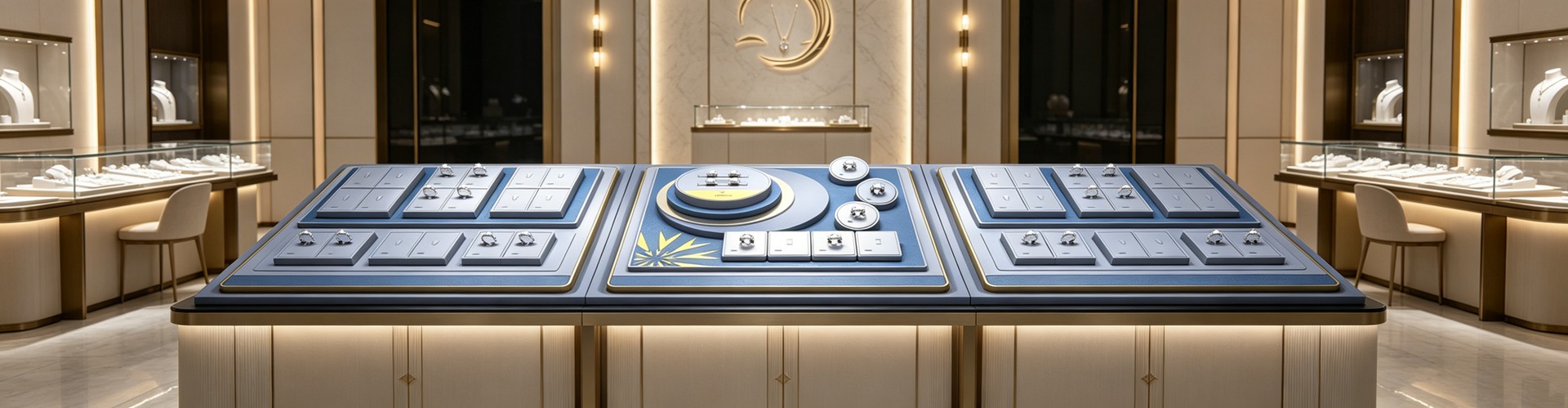
Critically, the battlefield moved. Pearls once meant bridal gifting; now they mean the everyday reward you buy for yourself, synced with the broader "self-gifting" wave. That changes the logic of presentation entirely: a box is no longer a one-time gift wrap but a companion kept on the dresser and opened again and again. Making a pearl "seen" is itself a craft. It is soft, scratch-prone, sensitive to acid and alkali, and its iridescence needs soft light — a glossy lacquer display steals the reflection, while a matte, cool-toned display prop lifts the orient. Each baroque pearl is unique and deserves its own cradle on a dedicated jewelry stand, not a uniform grid. Daily wear means the piece returns to a jewelry box with separate, padded, light-blocking compartments to avoid mutual scratches and drying. The first moment of dignity for an opened-shell purchase or a livestream order is often a well-made jewelry packaging. Shenzhen Junyimei moves the budget from surface pattern to structural tolerance — folds, lining fit, one-hand open — so that on the tenth opening, the box still deserves the pearl.
For retailers, the pearl moment is a display problem as much as a product one. Pearls demand soft, diffused light and a calm, matte stage — glossy lacquer and mirror acrylic turn a pearl's orient into a glare. The winning setup is a single-cradle stand that shows each baroque pearl's silhouette, paired with low, even lighting and a neutral backdrop so the glow reads on a phone camera as well as in person. The brands riding the trend are also unbundling the try-before-you-buy ritual: pearl styling bars, mix-your-own strands, and at-home sampling lower the commitment and lift conversion. In short, the in-store and on-camera experience has to match the social moment, or the sale leaks to whoever staged it better. A pearl that looks dead under a counter light will be returned the moment it meets daylight.
Care is where the relationship is won or lost. A pearl wants attention: wipe it after wearing, never soak it, keep it away from perfume and hairspray, and store it apart from harder gems so the nacre is not scratched. That makes the packaging more than a container — it is the first page of a care manual and a quiet reason to come back. Brands that print a single line of honest advice inside the lid, or tuck a reusable soft pouch that doubles as daily storage, turn a one-time purchase into a kept habit. The box that is opened the tenth time, still clean and intact, is the box that gets photographed, recommended and repurchased. For pearls, presentation is not the wrapper around the product; it is part of the product.
Provenance is the new polish. Buyers no longer accept "pearl" as a sufficient answer; they want to know the farm, the water and the grading. That appetite rewards the Chinese supply chain's traceability bet — and it reshapes what a box must carry. A certificate slot, a scannable code and a short story card are no longer luxuries but table stakes, because the purchase is partly a story the wearer tells afterward. The brands that win make the origin easy to show and easy to share, turning the package into the wearer's quiet credential. It is here that structure matters most: a misaligned lid or a fading print undermines the very trust the certificate is meant to build.
The pearl's return is really a reaction to the overexposure of the artificial. In the irregular curve of a baroque pearl, what gets re-priced is individuality itself. Classics don't disappear; they simply find a new way to glow.
This is original content. Copyright belongs to Shenzhen Junyimei.
Junyimei — present every jewel and timepiece at its best.
珍珠曾长期被锁在"祖母的首饰盒"里——正式、保守、与日常无关。2026年,它正以最出人意料的方式回到手腕、耳畔与衣领:不是作为怀旧的注脚,而是作为这一季最被认真谈论的材质。一颗曾被视作"老派"的有机宝石,正在重新定义什么叫高级。
数字先说话。据行业测算,全球珍珠珠宝市场预计到2032年逼近310亿美元,年增速超过11%。这并非一小股怀旧风,而是一次结构性回归。背景很有意思:培育钻石拉低了入门门槛、彩色宝石因稀缺而连年涨价,珍珠恰好补上了中间那块——它既有"有机、有来历"的故事,又有相对可被触及的溢价空间。2026年多个重要拍卖场上,天然珍珠项链也交出了亮眼成绩,说明收藏端同样在重新定价,从婚嫁配饰到资产储备,珍珠的角色正在变宽。
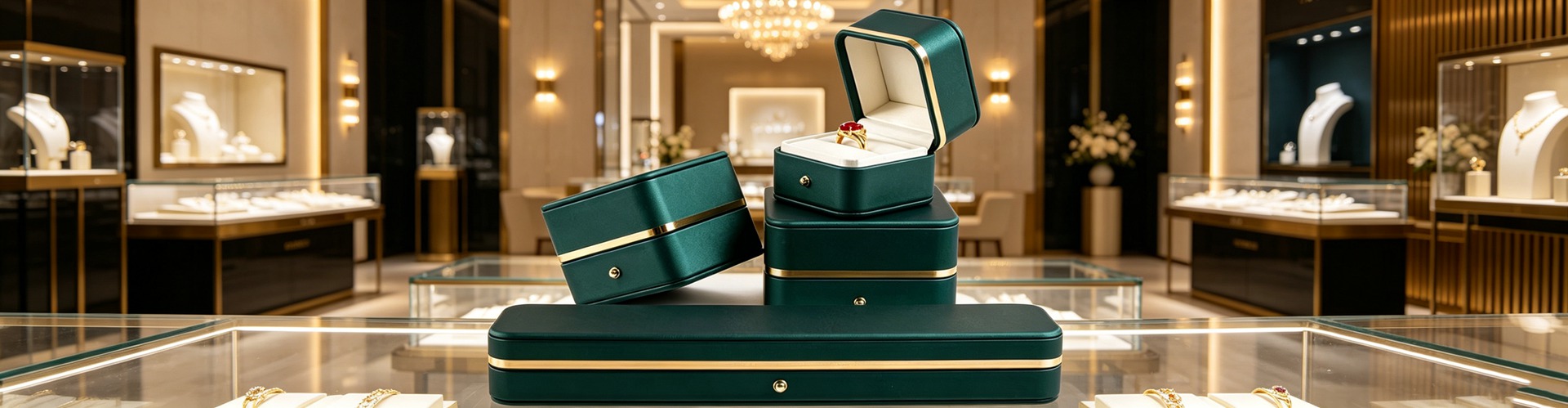
这一轮的审美语法已经彻底改写。完美正圆的珠子不再独大,巴洛克异形珠成为2026年的绝对主角:它们形状不规则、每颗唯一,恰好迎合了"独一无二"胜过"完美复制"的时代情绪。佩戴方式也在重组——短choker叠长opera链、再混入金链的三层叠戴;choker从乖巧变成配西装与街头风的"权力单品";金、银、皮的混材让珍珠从仪式场合落回日常;不对称耳饰(一耳钉一吊坠)成了editorial感的标志;还有"漂浮珍珠"用透明线或极细金属丝把珠子悬起来,以及珍珠发夹、珍珠鲨鱼夹的回潮。多家2026趋势报告不约而同地把baroque列为年度关键词,这在珠宝史上是少见的共识。
颜色也在抢戏。白珠永远有座位,但孔雀绿、茄紫、香槟金、金属银的异色珠正夺走聚光灯——大溪地珠那种会变的光晕尤其被追逐。彩珠让搭配从"匹配"变成"取舍",恰好契合年轻人要表达、不要从众的心理。一颗珠不再只是配白裙子,它可以压住黑西装,也能点亮粗纺面料。
破圈还有三股力。一是安静奢华:在极简主义当道、logo退场的年头,珍珠是不喧哗却显贵的"反logo宝石"。二是性别流动:Harry Styles、A$AP Rocky与一众运动员把单颗耳钉、叠戴项链戴成自信宣言,珍珠从"女性专属"变成"通用配饰",男性自戴市场被彻底打开。三是可持续:养殖珍珠能主动改善水质与海洋生态,且可降解,碳足迹远低于采矿类宝石;当培育钻仍被一些人觉得"太人工",珍珠反以"有生命来历"胜出。Z世代把祖母的传世珠重新戴出随意感,越松弛越高级。
价格带也在延展。淡水珠几十到几百元亲民入门,Akoya温润、南洋珠与大溪地珠站上高端,一颗材质可以同时是学生的第一件首饰和藏家的传家物件——同一种宝石罕见地横跨整条价格阶梯。珍珠的战场也从婚嫁礼赠,悄悄挪到了"买给自己的日常奖赏",与悦己消费的大盘完全同频:盒子不再是一次性礼封,而是留在梳妆台上、被反复打开的陪伴。
真正的引擎在中国。浙江诸暨山下湖镇,面积不足43平方公里、户籍人口不足3万,却聚集了9000多家珍珠产业链经营主体,全产业链年产值突破500亿元;淡水珍珠产量占全国80%、全球70%以上,是全球最大的珍珠交易集散中心。2026年5月第六届山下湖珍珠大会,区域公用品牌价值评估达560亿元;百余件艺术精品以独立展团亮相巴黎塞纳河畔,从"卖原料"转向"讲文化"。技术侧,AI智能分拣机把效率提升8倍、准确率达99.8%;"一物一证一码"全流程溯源让线上消费退货率降低28.8%;日均直播超8000场、单场最高成交3000万元;爱迪生有核珍珠直径8—15毫米、原珠附加值提升20%,良品率从15%提升至45%、A级高品质产出率达40%、整体光泽度提升50%、加工效率提升500%、人力成本降低75%。跨境电商年销售额突破5亿元、远销70多个国家;首届开蚌节带动"养殖—开蚌—加工—设计—销售—研学"全链体验,华东国际珠宝城累计接待游客超60万人次。中国不只是产量大国,正在成为价值与叙事的高地。
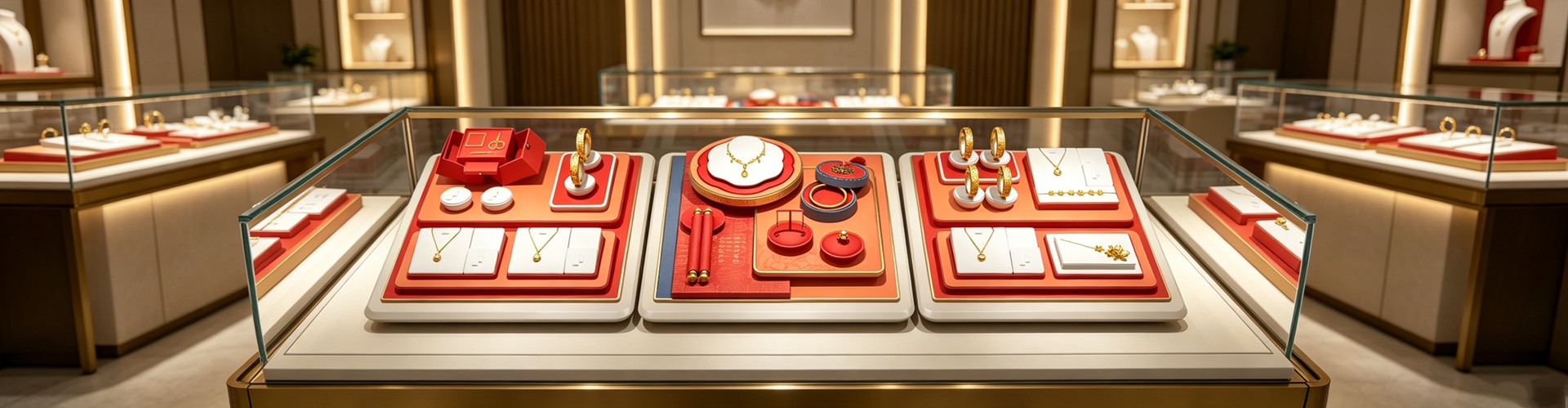
珍珠的"被看见",本身是一门手艺。它质地柔软、怕磨、怕酸碱,晕彩需要柔光衬托——亮面烤漆的陈列台会把反光抢走,哑光冷调的珠宝陈列道具才把那层光泽托出来。异形巴洛克每颗唯一,需要独立托位的珠宝摆台,而非整齐划一的排布。日常佩戴频率高,回到首饰盒要独立分隔、软衬、不透光,才能避免互相刮蹭与失水。开蚌成品与直播订单的第一份体面,往往来自一只趁手的饰品包装盒。深圳骏依美把预算从表面花纹挪到结构公差——折边、内衬贴合、单手开合——让一只盒子在第十次打开时,仍配得上那颗珠光。
珍珠的回归,本质是人们厌倦了千篇一律的闪。在一颗巴洛克珠的不规则里,被重新定价的其实是"与众不同"。经典从不会消失,它只是换一种方式发光。
本文为原创内容,版权归深圳骏依美所有,转载请注明出处。
骏依美——让每一件珠宝与腕表,都被更好地呈现。