The Box That Brings Customers Back盒子是复购入口
Jewelry is a low-frequency, high-ticket business. A customer walks in, tries something on, pays, and leaves — the transaction ends at the counter. But the box often stays on her dresser for a year or more. So here is the real question: once the customer has walked out the door, what is the packaging actually for? The answer matters more than most brands realize. The box is not the end of the sale. It is the only "employee" your brand keeps after the customer leaves — and it works for free.
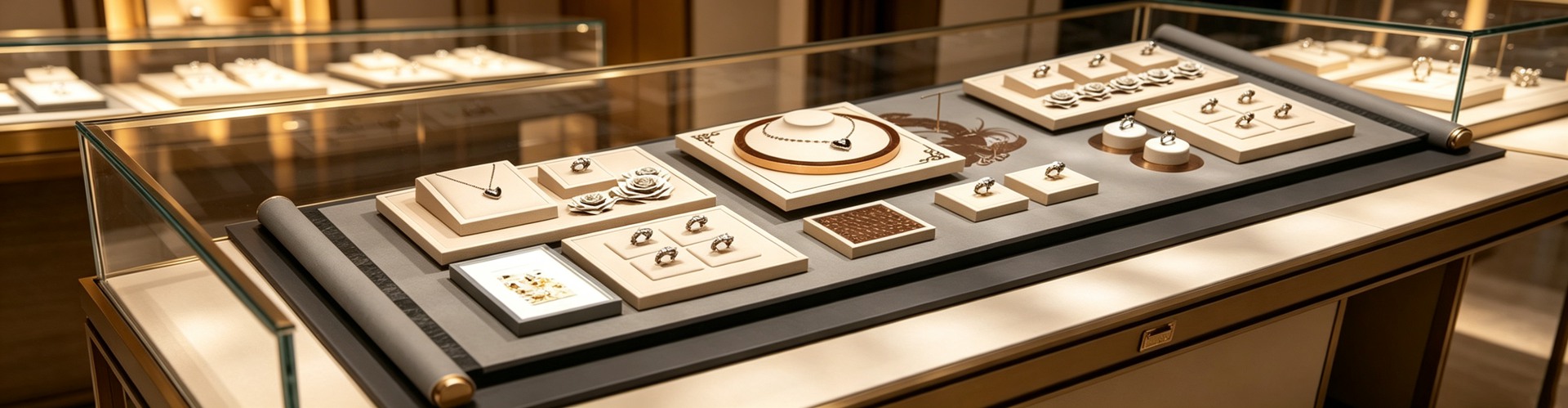
Q: The customer has already paid and gone. What can packaging possibly do?
A: It becomes your cheapest point of repurchase — and the cheapest one you have. Bain & Company has shown for decades that acquiring a new customer costs five to twenty-five times more than keeping an existing one, and customer acquisition costs rose roughly 222% between 2017 and 2025. The gap in conversion is even starker: you have a 60-70% chance of selling to an existing customer, but only a 5-20% chance with a stranger. Across industries, about 65% of a company's revenue comes from repeat customers. Jewelry is exactly the category where this logic bites hardest — purchases are infrequent, tickets are high, and emotion runs deep, so a customer may not walk into a store again for a year. Every paid impression you buy is fleeting; the jewelry box sitting on the dresser is not. It shows up daily, costs no media budget, and keeps your name in the room. The structural case is just as clear: McKinsey finds brands with strong omnichannel engagement retain 89% of customers versus 33% for weak ones, and loyalty programs report an average 5.3x ROI according to Antavo — the box is the one offline touchpoint that feeds that loop without another ad spend.
Q: So what exactly should go on the box to turn a one-time buyer into a member?
A: One action, and nothing else. The 2024 Bond Brand Loyalty Report found that 85% of consumers are more likely to keep buying from a brand that offers a loyalty program, and global data shows 94.3% of people now belong to at least one loyalty program, holding an average of 7.5. The point is not "have points" — it is to give the customer a single next step the moment she opens the box: scan to join, register the warranty, claim points. A digital wallet pass is opened more than 90% of the time, while email sits unread about 80% of the time, so the action must be "scan and done," not "go read the manual later." Print the member code inside the lid or on a small card, leave generous white space, make it readable in one second, and your jewelry packaging quietly upgrades from a container into a private-domain portal. The payoff at scale is enormous: Starbucks Rewards drives 53% of U.S. store sales and Sephora's loyalty members account for 80% of total sales — proof that the portal, not the discount, is what compounds.

Q: Jewelry purchase cycles run months to over a year. How does a box survive until the next purchase?
A: First make it worth keeping, then make it worth using. Shopify's 2025 ecommerce report carries a jewelry-specific number: customers enrolled in a loyalty program repurchase at 3.4 times the rate of non-members on the same stores, with fashion jewelry cycles of 3-6 months and fine jewelry often 12-18 months. Members also spend 12-18% more per year than non-members. For the box to outlast that gap, the customer has to not throw it away. Deloitte's 2025 Global Luxury Consumer Survey notes that 68% of luxury and jewelry buyers prefer service-based rewards — cleaning, repair, personalization — over discounts. So the single best invitation to print on the box is a "free cleaning / annual inspection," which pulls her back into the store, and every visit is a new selling opportunity: one dataset shows 23% of cleaning visits lead to an additional purchase averaging around $185. Engraving is an even stronger anchor — engraved pieces show 89% annual retention and a 2% return rate versus 11% for non-engraved. The custom jewelry box that holds an engraved piece becomes, in effect, a yearly reminder that says "come back for maintenance."
Q: Back to a point you often make — why is high-end, quiet packaging actually favored when the goal is bringing customers back?
A: Because minimalism leaves room for the one action that matters. A box covered in foil, pattern, and three lines of promotion buries the membership code in visual noise; the customer forgets to scan and the moment is gone. A matte, single-color box with one clean mark makes the QR code inside the lid the undisputed hero. There is a longer game, too. When she opens that box a year later, a busy design that has yellowed or flaked is actively damaging the brand; a quiet box transfers all the "will it look old?" risk onto its structure — fold tolerance under 0.2mm, hinge life, magnetic closure strength — which is what lets it still read as a brand asset after twelve months. Shenzhen Junyimei follows exactly this logic: move the budget from surface decoration to structural tolerance, and reserve one clean face for the membership portal. Quiet is not cheap; it is making the "come back" moment solid.
Q: Small brands run on tight budgets. How do you use the box for membership?
A: Start at zero cost and build up. Step one, free: move the price tag and barcode off the box, seal the invoice separately, and drop in a handwritten member card or a QR code pointing to your WeChat mini-program — clear action, zero cost. Step two, tens of dollars: add an opaque, single-marked reusable jewelry pouch; about 87% of people reuse it, and it travels with the customer to work and to dinner, functioning as a moving membership card. Step three, around a hundred dollars: work with Shenzhen Junyimei on small-batch flexible production — one box type, change the color and insert, print the member code, and scale only after the scan-to-join data proves out. The order matters: make it scannable first, pretty second, foil and ribbon always last.
Q: How do you prove the box actually drives repurchase instead of just flattering yourself?
A: Watch three numbers. First, packaging conversion — the share of customers who scan to join; that is direct evidence the box works as a portal, and 90% of loyalty-program owners report positive ROI once it is measured. Second, repurchase rate — the Shopify data shows members repurchase 3.4 times more, Bain notes that a 5% lift in retention can raise profit 25-95%, and members spend 12-18% more per year than non-members. Third, customer lifetime value and service-reward redemption: a single free cleaning that yields a 23% attach purchase is the box doing business for you after the customer has left. Put those three in the monthly report and the box stops being "feels premium" and becomes "a measurable asset."
At the end of the day, the most expensive thing a jewelry brand owns is not the gold — it is the customer willing to come back. The moment the box leaves the store, the sale is only half written. The other half gets written every time she opens it again.
This is original content. Copyright belongs to Shenzhen Junyimei.
Junyimei — present every jewel and timepiece at its best.
珠宝是一门低频、高客单的生意。交易在收银台就结束了,但那只盒子,往往会在她家的梳妆台上再待上一年甚至更久。顾客走出门后,包装还有什么用?答案比你想的重要:盒子不是交易的终点,而是品牌离店之后唯一还能反复出现的“员工”。
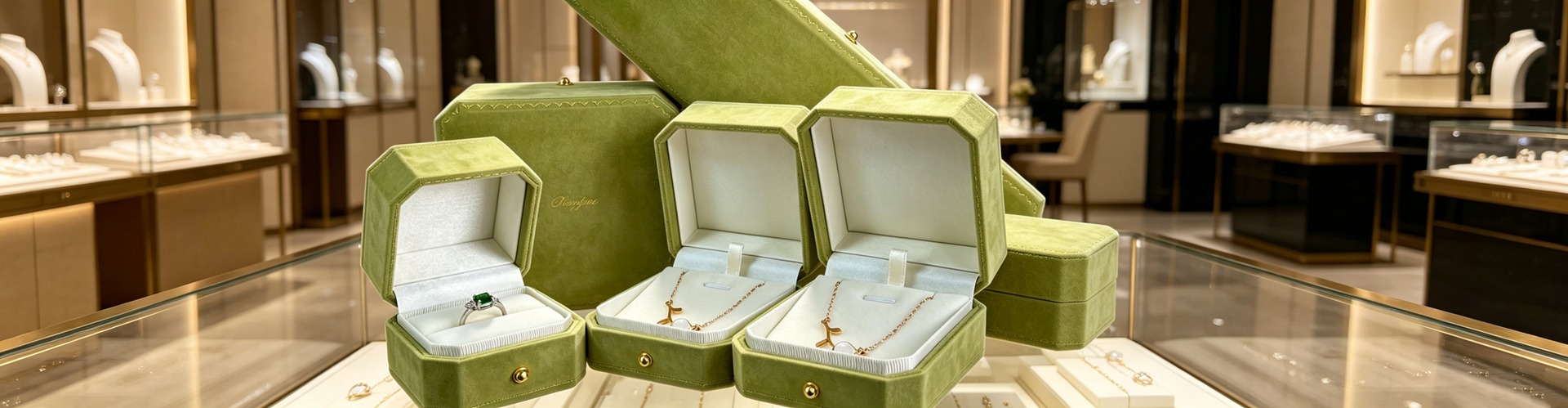
问:顾客都付完钱走了,包装还能起什么作用?
答:起“复购入口”的作用,而且这是你最便宜的一个入口。贝恩公司的研究反复印证一个事实:获得一个新顾客的成本,是维系一个老顾客的 5 到 25 倍;从 2017 到 2025 的八年间,线上获客成本又涨了约 222%。更刺眼的是成交概率:把东西卖给一个已有顾客的概率是 60% 到 70%,而卖给陌生新客只有 5% 到 20%。一家公司的营收里,约 65% 来自回头客。珠宝恰恰最需要复购逻辑——低频、高客单、强情感,顾客买完一次可能一年都不进店。换句话说,你花大价钱投流的每一次曝光,都不如那只安静躺在梳妆台上的首饰盒来得持久。
问:那包装上到底该放什么,才能把一次性买家变成会员?
答:一个清晰到不能再清晰的“动作”。2024 年 Bond 忠诚度报告显示,85% 的消费者表示,有会员体系会更愿意持续购买。关键不是“也做个积分”,而是让盒子在拆开那一刻给出唯一的下一步:扫二维码加入会员、登记质保、领取积分。数字钱包通行证的打开率能到 90% 以上,而邮件只有约 20%。把会员码印在盒盖内侧,留白足够、一秒可读,这是珠宝包装从“容器”升级为“私域入口”的最小改动。
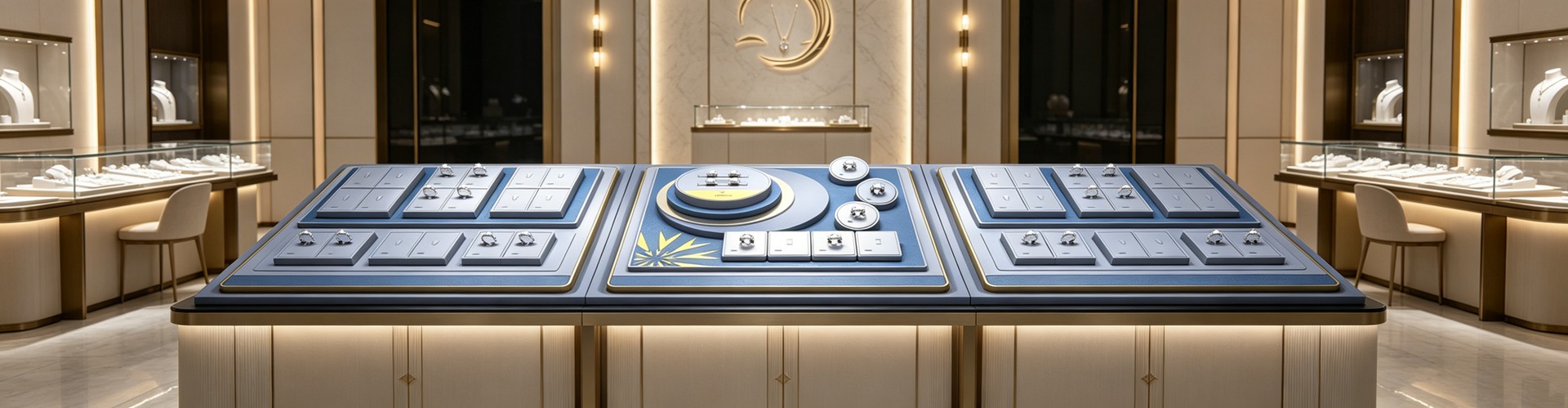
问:珠宝购买周期动辄一年半载,盒子怎么撑到复购那天?
答:先让它“被留下”,再让它“被用上”。Shopify 2025 电商报告里有个珠宝专属数字:加入会员体系的珠宝顾客,复购率是不入会同店顾客的 3.4 倍;Fine Jewelry 周期往往 12 到 18 个月。盒子要熬过这段空窗,前提是顾客不舍得扔。德勤 2025 全球奢侈品消费者调研指出,68% 的奢侈品与珠宝顾客偏好“服务类奖励”(清洗、维修、个性化),而不是打折。所以盒子上最该邀约的,是一次“免费清洗 / 年检”——它把顾客重新拽回门店,而每一次到店都是新的成交机会:有数据称清洗到店中有 23% 会带来额外购买、客单约 185 美元。刻字更是复购锚点:刻过字的珠宝年留存率 89%,退货率仅 2%,而未刻字是 11%。那只珠宝盒定制款,本身就是一句“明年再来保养”的提醒。
问:回到您常强调的观点——高端简约的珠宝包装,为什么在“复购入口”这件事上更受青睐?
答:因为简约把“唯一的动作”留了出来。一只满版烫金、花纹繁复、还印着三行促销的盒子,会员码会被埋进视觉噪音里,顾客拆完就忘了扫;而一只纯色哑面、只有一枚干净标识的盒子,盒盖内侧那枚二维码就是绝对焦点。更现实的是:一年后再打开盒子时,繁复花纹若泛黄起翘、烫金脱落,已是在给品牌减分;极简盒面把“会不会显旧”的容错全部交给结构本身——折边小于 0.2 毫米、铰链寿命、磁吸力度,这些才是它撑过十二个月仍像件品牌资产的真正 KPI。深圳骏依美的做法正是把预算从表面花纹挪到结构公差,再留一处干净表面给会员入口。简约不是省钱,是把“让人回来”的那一下做扎实。
问:中小品牌预算有限,怎么用盒子做会员?
答:从零成本动作起步,再往上加。第一步,零成本:移走盒上的价签条码、发票另封,随盒塞一张手写会员卡或微信小程序二维码——成本为零。第二步,几十元级:配一只不透光、只印一枚标识的可复用首饰袋,87% 的人会重复使用,它跟着顾客通勤、赴约,等于一张移动会员卡。第三步,百元级:找深圳骏依美做小批量柔性打样,同一盒型换色换内衬、印上会员码。记住顺序——先保证“扫得到”,再谈“好不好看”,烫金缎带永远排在最后。
问:怎么证明盒子真的带来了复购,而不是自我感动?
答:盯三个数就够了。其一,包装转化率:扫会员码入会的比例,这是盒子作为入口的直接证据。其二,复购率:对比入会与否,Shopify 数据显示会员复购率高 3.4 倍;贝恩则指出留存率每提升 5%,利润可涨 25% 到 95%。其三,客户终身价值(CLV)与服务奖励核销:一次免费清洗带来 23% 的附加购买,就是盒子在离店之后替你做的生意。
说到底,珠宝品牌最贵的不是金子,是那位愿意再回来的顾客。盒子离店的那一刻,交易才刚写了一半——另一半,写在她日后每一次打开它的时候。
本文为原创内容,版权归深圳骏依美所有,转载请注明出处。
骏依美——让每一件珠宝与腕表,都被更好地呈现。