Island or Wall: Where Watches Should Sit and Why中岛还是靠墙:腕表在不同位置的陈列打法
The most overlooked part of watch display is that the location itself is speaking for you. The same watch on an island case and on a wall case gives the customer a completely different sense of distance, authority and willingness to stay. Getting the location logic right beats buying a few more stands, and it also saves budget.
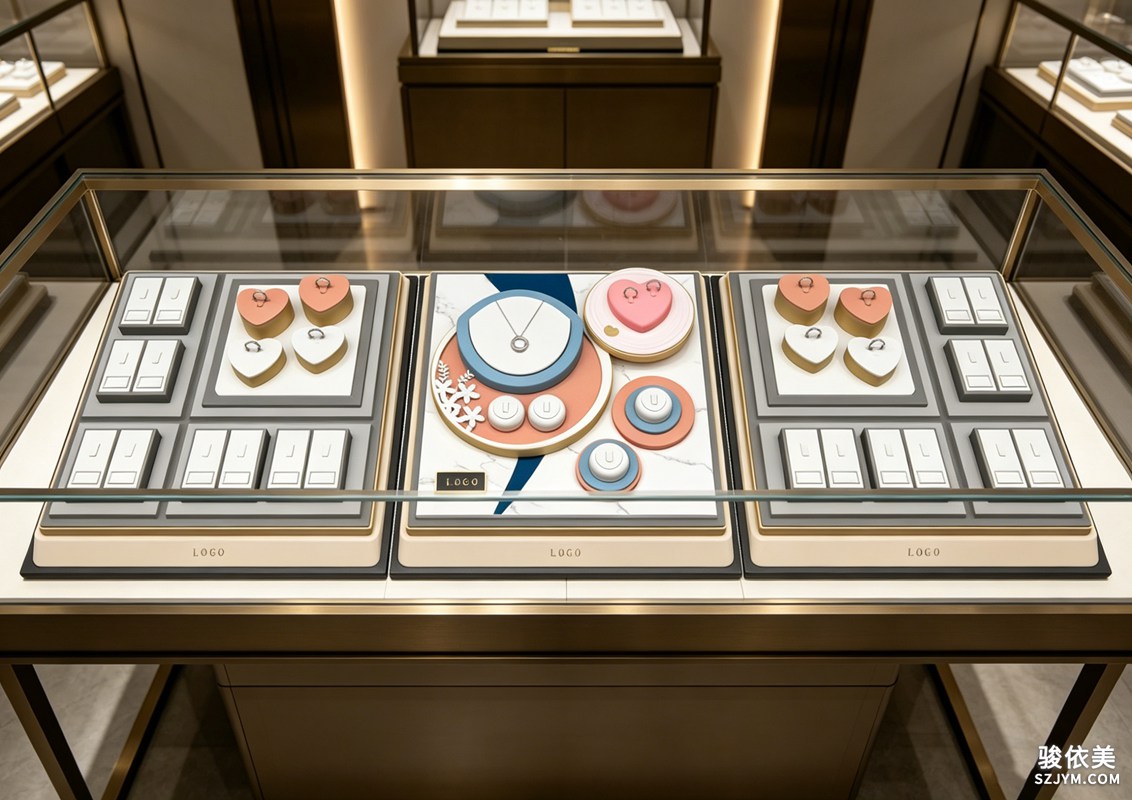 The island case sits where traffic crosses, naturally the first touchpoint for drawing in and trying on. This is where the seasonal hero, the limited edition or the visually strong piece belongs—on a rotating stand with a hint of motion that slows even overseas buyers. Island display is about catching the eye at once; keep it restrained, three to five pieces, because more only dilutes the focus.
The wall case is more like the brand's quiet showroom. The wall gives room for a watch wall, light slots and a story line—ideal for arranging by series or price, laying out flagship and complication pieces calmly. Wall display is about reading into it; pair it with brand color and metal tone so the story lands while the customer pauses, not just glances at a price.
The island case sits where traffic crosses, naturally the first touchpoint for drawing in and trying on. This is where the seasonal hero, the limited edition or the visually strong piece belongs—on a rotating stand with a hint of motion that slows even overseas buyers. Island display is about catching the eye at once; keep it restrained, three to five pieces, because more only dilutes the focus.
The wall case is more like the brand's quiet showroom. The wall gives room for a watch wall, light slots and a story line—ideal for arranging by series or price, laying out flagship and complication pieces calmly. Wall display is about reading into it; pair it with brand color and metal tone so the story lands while the customer pauses, not just glances at a price.
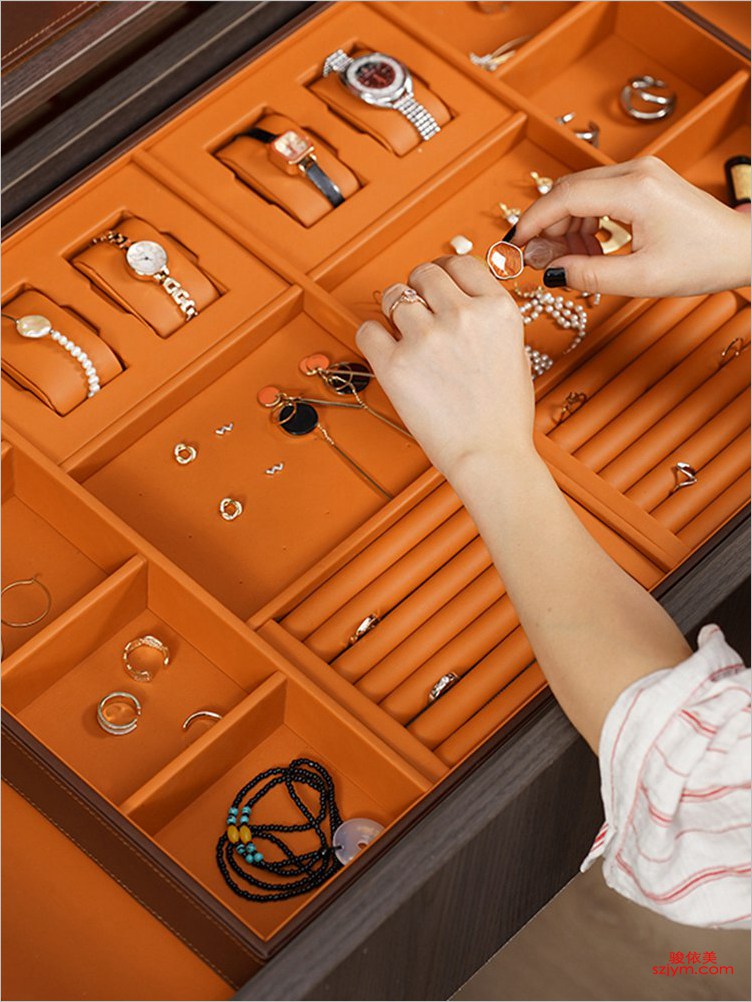 Both positions are misused often: pile the island like a warehouse and people walk around it; turn the wall into a clearance wall and the brand drops a notch. A useful split is that the island earns being seen while the wall earns being understood, linked by consistent light temperature and negative-space rhythm, so the whole reads like a high-end watch store rather than two patched shelves.
For international buyers, position strategy affects closing efficiency directly. At trade shows and flagships, the island drives the hero traffic, the wall supports deep explanation, and the flow moves naturally from island to wall, guiding the gaze step by step. This rhythm of watch display holds a premium position better than scattered stacking, and it wins longer-term overseas orders.
In execution, draw a counter map first—mark the main aisle, the try-on zone and the explanation zone—then decide where each watch goes. With position set, props, lighting and packaging all find their use. If a watch is to be taken seriously, start with where it stands; that usually beats swapping in a more expensive stand.
This is original content, copyright Junyimei. Please credit the source if reprinted.
lbobo delivers watch display props and solutions that earn global buyers' attention on every wrist.
lbobo专注腕表陈列道具与展示方案,让每只腕表都赢得全球买家的目光。腕表陈列最容易被忽略的一点,是位置本身就在替你说话。同样一只表,放在中岛柜和放在靠墙柜,顾客感受到的距离感、权威感和停留意愿都完全不同。把位置逻辑想清楚,比多买几个表座更见效,也更省预算。
中岛柜处在客流交汇处,天然是引流和试戴的第一触点。这里适合放当季主推、限量款或视觉冲击力强的表,用旋转表座带一点转动感,让路过的海外买家也忍不住放慢脚步。中岛陈列讲究一眼抓住,数量要克制,三到五只足矣,多了反而稀释焦点。
靠墙柜则更像品牌的静默展厅。墙面给了表墙、灯槽和叙事线的发挥空间,适合按系列或价位分区陈列,把旗舰款、复杂功能款安静地排开。靠墙陈列讲究细看入戏,可以配合品牌色与金属色调性,让顾客在驻足时读到故事,而不是只扫一眼价格。
两种位置的错误用法都很常见:把中岛堆成仓库,顾客反而绕行;把靠墙做成甩卖墙,品牌调性立刻掉价。一个实用的分配思路是中岛负责被看见,靠墙负责被读懂,两者用统一的灯光色温和留白节奏串起来,整体才像一家高端腕表店,而不是两处拼凑的货架。
面对国际买家时,位置策略还会直接影响成交效率。在展会与旗舰店里,中岛做爆款引流,靠墙做深度讲解,动线从岛到墙自然过渡,视线被一步步引导。这种腕表陈列的节奏感,比单点堆料更能撑起高端定位,也更容易拿到海外客户的长期订单。
落到执行,建议先画一张柜台位置图,标出主通道、试戴区与讲解区,再决定每只表去哪。位置定对了,道具、灯光、包装才都有用武之地。腕表想被认真对待,先从它站在哪儿开始,这往往比换更贵的表座来得直接。
本文为原创内容,版权归骏依美所有。如需转载请注明出处。
lbobo专注腕表陈列道具与展示方案,让每只腕表都赢得全球买家的目光。
lbobo delivers watch display props and solutions that earn global buyers' attention on every wrist.
Both positions are misused often: pile the island like a warehouse and people walk around it; turn the wall into a clearance wall and the brand drops a notch. A useful split is that the island earns being seen while the wall earns being understood, linked by consistent light temperature and negative-space rhythm, so the whole reads like a high-end watch store rather than two patched shelves.
For international buyers, position strategy affects closing efficiency directly. At trade shows and flagships, the island drives the hero traffic, the wall supports deep explanation, and the flow moves naturally from island to wall, guiding the gaze step by step. This rhythm of watch display holds a premium position better than scattered stacking, and it wins longer-term overseas orders.
In execution, draw a counter map first—mark the main aisle, the try-on zone and the explanation zone—then decide where each watch goes. With position set, props, lighting and packaging all find their use. If a watch is to be taken seriously, start with where it stands; that usually beats swapping in a more expensive stand.
This is original content, copyright Junyimei. Please credit the source if reprinted.
lbobo delivers watch display props and solutions that earn global buyers' attention on every wrist.
lbobo专注腕表陈列道具与展示方案,让每只腕表都赢得全球买家的目光。腕表陈列最容易被忽略的一点,是位置本身就在替你说话。同样一只表,放在中岛柜和放在靠墙柜,顾客感受到的距离感、权威感和停留意愿都完全不同。把位置逻辑想清楚,比多买几个表座更见效,也更省预算。
中岛柜处在客流交汇处,天然是引流和试戴的第一触点。这里适合放当季主推、限量款或视觉冲击力强的表,用旋转表座带一点转动感,让路过的海外买家也忍不住放慢脚步。中岛陈列讲究一眼抓住,数量要克制,三到五只足矣,多了反而稀释焦点。
靠墙柜则更像品牌的静默展厅。墙面给了表墙、灯槽和叙事线的发挥空间,适合按系列或价位分区陈列,把旗舰款、复杂功能款安静地排开。靠墙陈列讲究细看入戏,可以配合品牌色与金属色调性,让顾客在驻足时读到故事,而不是只扫一眼价格。
两种位置的错误用法都很常见:把中岛堆成仓库,顾客反而绕行;把靠墙做成甩卖墙,品牌调性立刻掉价。一个实用的分配思路是中岛负责被看见,靠墙负责被读懂,两者用统一的灯光色温和留白节奏串起来,整体才像一家高端腕表店,而不是两处拼凑的货架。
面对国际买家时,位置策略还会直接影响成交效率。在展会与旗舰店里,中岛做爆款引流,靠墙做深度讲解,动线从岛到墙自然过渡,视线被一步步引导。这种腕表陈列的节奏感,比单点堆料更能撑起高端定位,也更容易拿到海外客户的长期订单。
落到执行,建议先画一张柜台位置图,标出主通道、试戴区与讲解区,再决定每只表去哪。位置定对了,道具、灯光、包装才都有用武之地。腕表想被认真对待,先从它站在哪儿开始,这往往比换更贵的表座来得直接。
本文为原创内容,版权归骏依美所有。如需转载请注明出处。
lbobo专注腕表陈列道具与展示方案,让每只腕表都赢得全球买家的目光。
lbobo delivers watch display props and solutions that earn global buyers' attention on every wrist.
The island case sits where traffic crosses, naturally the first touchpoint for drawing in and trying on. This is where the seasonal hero, the limited edition or the visually strong piece belongs—on a rotating stand with a hint of motion that slows even overseas buyers. Island display is about catching the eye at once; keep it restrained, three to five pieces, because more only dilutes the focus.
The wall case is more like the brand's quiet showroom. The wall gives room for a watch wall, light slots and a story line—ideal for arranging by series or price, laying out flagship and complication pieces calmly. Wall display is about reading into it; pair it with brand color and metal tone so the story lands while the customer pauses, not just glances at a price.
Both positions are misused often: pile the island like a warehouse and people walk around it; turn the wall into a clearance wall and the brand drops a notch. A useful split is that the island earns being seen while the wall earns being understood, linked by consistent light temperature and negative-space rhythm, so the whole reads like a high-end watch store rather than two patched shelves.
For international buyers, position strategy affects closing efficiency directly. At trade shows and flagships, the island drives the hero traffic, the wall supports deep explanation, and the flow moves naturally from island to wall, guiding the gaze step by step. This rhythm of watch display holds a premium position better than scattered stacking, and it wins longer-term overseas orders.
In execution, draw a counter map first—mark the main aisle, the try-on zone and the explanation zone—then decide where each watch goes. With position set, props, lighting and packaging all find their use. If a watch is to be taken seriously, start with where it stands; that usually beats swapping in a more expensive stand.
This is original content, copyright Junyimei. Please credit the source if reprinted.
lbobo delivers watch display props and solutions that earn global buyers' attention on every wrist.
lbobo专注腕表陈列道具与展示方案,让每只腕表都赢得全球买家的目光。腕表陈列最容易被忽略的一点,是位置本身就在替你说话。同样一只表,放在中岛柜和放在靠墙柜,顾客感受到的距离感、权威感和停留意愿都完全不同。把位置逻辑想清楚,比多买几个表座更见效,也更省预算。
中岛柜处在客流交汇处,天然是引流和试戴的第一触点。这里适合放当季主推、限量款或视觉冲击力强的表,用旋转表座带一点转动感,让路过的海外买家也忍不住放慢脚步。中岛陈列讲究一眼抓住,数量要克制,三到五只足矣,多了反而稀释焦点。
靠墙柜则更像品牌的静默展厅。墙面给了表墙、灯槽和叙事线的发挥空间,适合按系列或价位分区陈列,把旗舰款、复杂功能款安静地排开。靠墙陈列讲究细看入戏,可以配合品牌色与金属色调性,让顾客在驻足时读到故事,而不是只扫一眼价格。
两种位置的错误用法都很常见:把中岛堆成仓库,顾客反而绕行;把靠墙做成甩卖墙,品牌调性立刻掉价。一个实用的分配思路是中岛负责被看见,靠墙负责被读懂,两者用统一的灯光色温和留白节奏串起来,整体才像一家高端腕表店,而不是两处拼凑的货架。
面对国际买家时,位置策略还会直接影响成交效率。在展会与旗舰店里,中岛做爆款引流,靠墙做深度讲解,动线从岛到墙自然过渡,视线被一步步引导。这种腕表陈列的节奏感,比单点堆料更能撑起高端定位,也更容易拿到海外客户的长期订单。
落到执行,建议先画一张柜台位置图,标出主通道、试戴区与讲解区,再决定每只表去哪。位置定对了,道具、灯光、包装才都有用武之地。腕表想被认真对待,先从它站在哪儿开始,这往往比换更贵的表座来得直接。
本文为原创内容,版权归骏依美所有。如需转载请注明出处。
lbobo专注腕表陈列道具与展示方案,让每只腕表都赢得全球买家的目光。
lbobo delivers watch display props and solutions that earn global buyers' attention on every wrist.