Why Niche Gemstones Are Stealing the Show小众宝石的逆袭
Walk into a boutique in Shenzhen or Guangzhou today and you will notice a quiet but definite shift. Younger buyers are no longer pausing for the flawless one-carat round brilliant; they are pausing for stones they can barely pronounce—tanzanite with its dusk-blue violet, opal that flashes a different rainbow with every tilt, moonstone carrying a misty blue sheen like moonlight on water. They are not the regulars of auction catalogs, yet they are quietly redrawing the fine-jewelry palette.
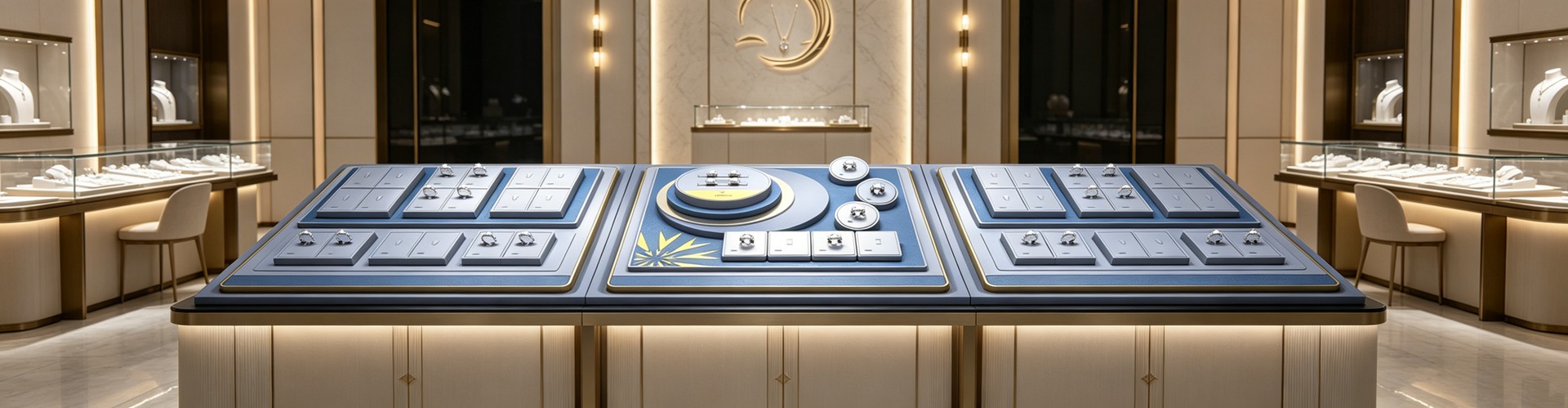
The 2026 colored-stone story has swapped its keyword from "value retention" to "resemblance to no one else." Accio's annual trend report names 2026 the year of cool tones and flags personalization and unique inclusions—such as rutile quartz, projected to grow around 8% through the year—as the market's real engine. Gems.com's 2026 ranking calls tanzanite "the most talked-about luxury gemstone of the year," tags opal with "artistry and individuality," and notes morganite's rise among younger buyers for its blush pink. An idea gaining ground among designers is "expressive colour theory": instead of matching stones into a safe monochrome, pair turquoise, tanzanite and rhodolite garnet so the wearer is recognized at a glance. The mood is a gentle correction to the old "colored stones as hard currency" thesis that dominated a few years ago: people buy color now less to beat inflation than to beat sameness, and a stone's story increasingly matters more than its resale ticket. The very language of luxury has moved from "how rare" to "how unmistakably yours." Even heritage maison windows, once a wall of white diamonds, now lead with a single saturated stone.
Among the newcomers, Paraíba tourmaline is the loudest. Its neon blue-green comes from copper, and it occurs in only a handful of Brazilian and African deposits, which placed it in the collector tier from birth. Tanzanite is the romantic accident of geography—its sole source sits at the foot of Mount Kilimanjaro in Tanzania, and reserves are widely thought to last only a single generation, earning it the nickname "a one-generation stone." Opal's magic is its play-of-color; no two flashes are alike, which is precisely why no two opal rings can ever be twins. Moonstone wins with adularescence and a foggy glow, often cut large as one-of-a-kind studio pieces. Then there is spinel, once mistaken for ruby and now prized for its own brilliance across red, pink, blue and violet; aquamarine for its calm ocean blue and everyday durability; and turquoise, whose vintage Southwestern revival has made it a quiet luxury staple. Together they push "luxury" away from "expensive and standard" toward "expensive and singular."
There is a reason colour feels so personal. Colour theorists and designers alike note that hues carry emotion before they carry status: warm pastels soothe, leafy greens calm, sky blues lift confidence. A single statement gem can transform an outfit without overwhelming it—exactly the kind of quiet, intentional self-expression modern wearers want. In a market weary of loud logos and obvious spend, a stone's colour becomes the most honest signal of taste a person can wear.
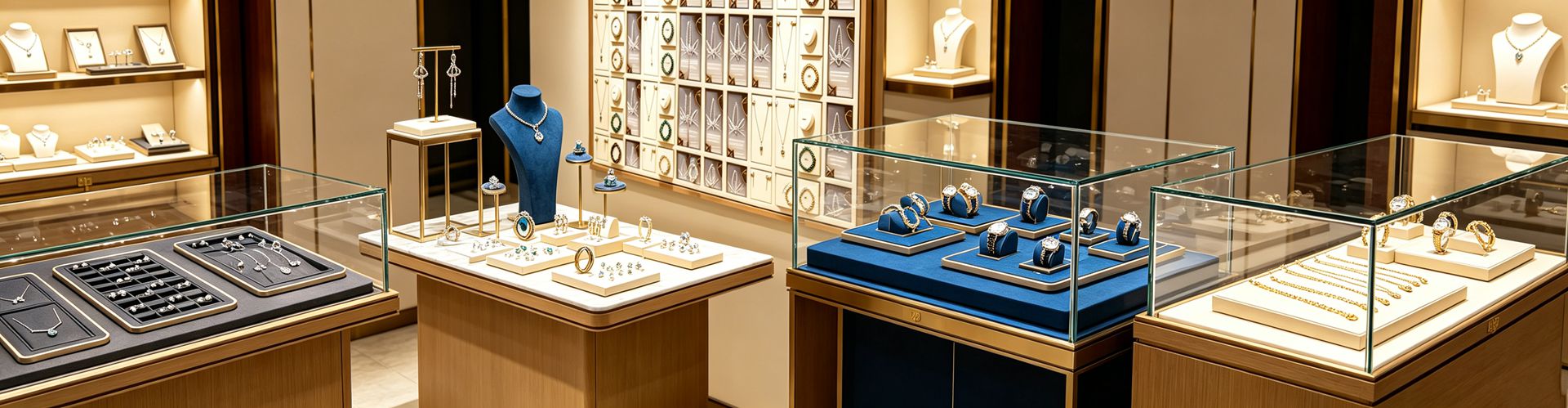
Wearing bold colour well is mostly a matter of restraint. The reliable rule is to let one piece lead: a single striking pendant against plain black or cream lets the stones do the talking, while a considered colour piece can be layered with others in the same family so a turquoise pendant and a lapis ring build on each other rather than fight. The goal is never to wear every colour at once, but to wear one honestly enough that it reads as part of you. It is the same logic a good curator uses on a shelf: one hero object, everything else in support. Confidence, it turns out, is the only accessory that never goes out of colour.
Why now? First, millennials and Gen Z treat jewelry as self-expression rather than a status medal; they want the piece that cannot be picked up off any high-street shelf. Second, decades of mining have depleted the finest sources, and tightening ethical-sourcing standards only raise the scarcity—and the collector narrative—of natural niche stones. Third, the wall between fine jewelry and everyday fashion is dissolving: a single colored pendant can lend "quiet luxury" depth to an otherwise neutral outfit. Fourth, the bridal category has opened up—morganite and tanzanite engagement rings are no longer novelties but genuine alternatives to the white diamond, widening the audience for color and giving couples a way to mark the occasion without defaulting to the expected solitaire.
Social media deserves its share of the credit, too. Opals and moonstones simply photograph better than a diamond under a phone lens, and a stone that changes color is made to be shot and retold, turning it into this generation's social currency. A single well-lit close-up can carry a stone's personality further than a year of print advertising ever did, and that visibility feeds the demand loop faster than any trend report.
On the supply side, the wind has blown back to Chinese factories. Panyu, Ketang and Shuibei are already the world's hubs for colored-stone cutting and setting; as niche stones move from "obscure" to "seen," the local chain reacts far faster than the old European houses—a stone from a new deposit can appear as a finished piece in a Shenzhen showcase within weeks. That is why Chinese designers often experiment with clashing color and fancy cuts earlier than many Western peers: the material is close, the sampling is quick, the cost of trial is low.
For designers, niche colored stones mean freedom. They refuse the old rule that "colorless is classy" and instead reward contrast and unconventional metal pairings—tanzanite with rose gold, opal with oxidized silver, turquoise with yellow gold. A handmade, one-of-a-kind ring often cannot be replicated at scale, which makes the craftsmanship itself the other half of the value. When a stone stops chasing "the perfect symmetry of a standard round brilliant," the maker gains room to tell a story with its irregularity, its inclusions, its own temperament. The result is jewelry that reads less like a balance sheet and more like a signature.
For the everyday wearer, choosing niche color follows a simple logic. First check if it is "alive"—opal's play-of-color should shift vividly, tanzanite's blue should be deep and saturated. Then check if it is "traceable"—a stone with a certificate and a clear origin still tells its story a decade later. Care is three rules: keep it away from direct light and moisture, store each piece on its own, and never let it near perfume or an ultrasonic cleaner. Hand the delicate stone to the right box, and it stays with you far longer.
A note of caution for newcomers: a rising tide lifts both miners and imitators. Many attractive "tanzanites" are in fact synthetic flux-grown stones, and a large share of commercial opal and sapphire is treated to deepen colour. The practical defense is boring but effective—buy from sellers who disclose treatment and provide independent certification, and treat any "too good for the price" lot as a red flag. Colour is the point, but provenance is what lets the story survive contact with the real world.
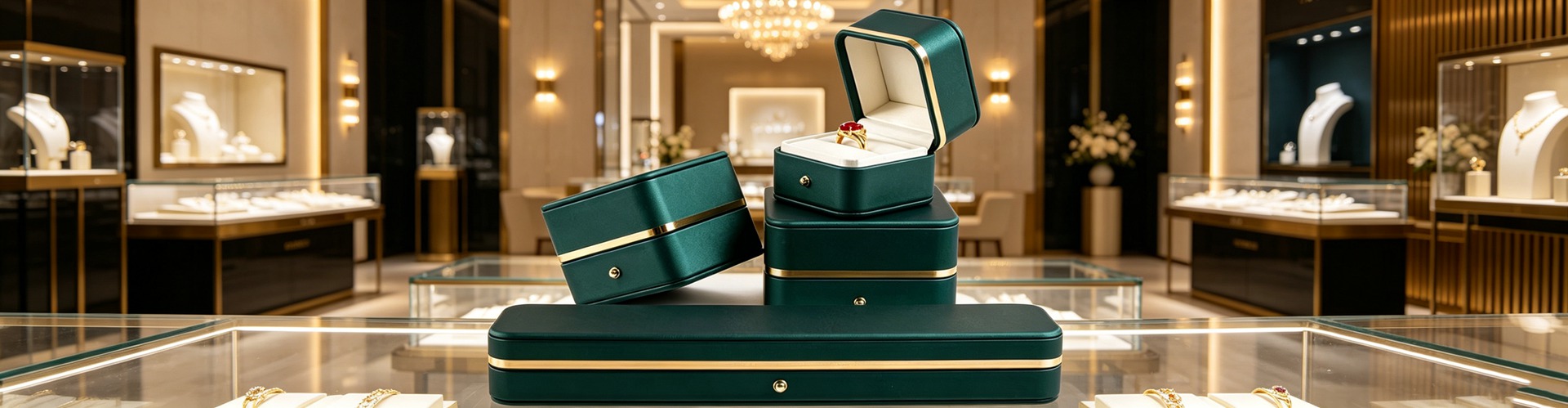
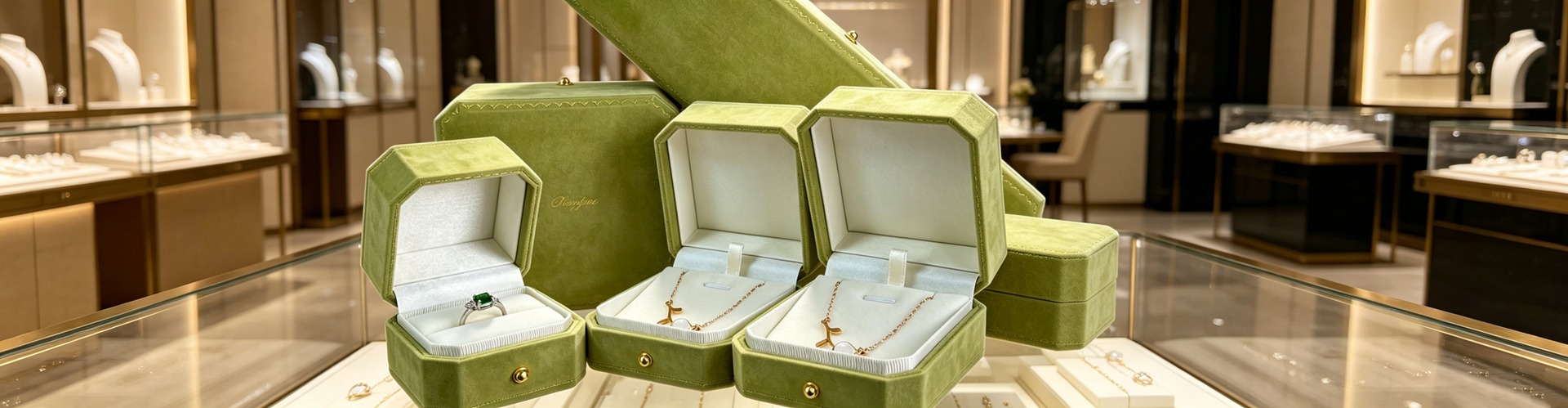
But this hands a real problem to presentation. Most niche stones are delicate: opal dries and cracks, tanzanite has cleavage and chips, moonstone is not hard. They do not survive the rough handling a round diamond shrugs off. So the jewelry display props at the counter must understand "low light to protect color," and give each stone its own spot to show off a unique play-of-color rather than piling up quantity on a bright tray. At home, the jewelry box needs soft lining and individual compartments to cradle the fragile solitaire, while an opaque, reusable pouch keeps moisture and knocks away during travel. In a showroom, a slow, low-temperature spotlight does more for an opal than the brightest halogen ever could. When a stone exists maybe once on earth, custom jewelry boxes stop being a pretty shell and become a tailored container cut to the life of each irregular gem—which is exactly why a maker like Shenzhen Junyimei shifts budget from surface pattern to structural tolerance: the box has to deserve the stone's story.
When a one-carat diamond starts to feel "too safe," the fun of jewelry is returning to the stones that change color and tell stories. The next name worth remembering may not be one we already know by heart.
This is original content. Copyright belongs to Shenzhen Junyimei.
Junyimei — present every jewel and timepiece at its best.
在广州、深圳的买手店里,越来越多年轻人愿意为一块"名字都念不顺"的石头停下脚步——坦桑石的蓝紫像把暮色封进了晶体,欧泊转个角度就换一身彩虹,月光石薄雾般的青光让人想起月夜的海面。它们不是拍卖图录上的常客,却正悄悄改写高级珠宝的调色盘。
2026 年的彩宝叙事,关键词正从"保值"转向"像自己"。咨询机构 Accio 在年度趋势报告里把 2026 定义为"冷色调之年",并指出个性化定制与独特内含物(比如发晶 rutile quartz,年增速约 8%)正成为市场的真正引擎;Gems.com 的年度榜单把坦桑石列为"2026 最受瞩目的奢华宝石",欧泊被打上"艺术感、唯一性"的标签,摩根石则因柔和的粉调成为年轻买家的新宠。一个正在设计师圈层流行的说法是"表现性色彩理论":与其把宝石配成同色系的安全牌,不如让绿松石、坦桑石与石榴石撞在一起,让佩戴者一眼就被认出。这与前几年"彩宝等于硬通货"的论调形成微妙对照——人们买彩宝,不再只是为了跑赢通胀,而是为了跑赢"和别人一样"。
这群"非主流"里,帕拉伊巴碧玺是最张扬的一个。它那电光般的霓虹蓝绿来自铜元素,全球仅巴西与少量非洲矿带产出,稀缺让它从问世起就站在收藏级门槛上。坦桑石则更像一个地理学的浪漫意外——全球唯一产地在坦桑尼亚乞力马扎罗山脚,储量被普遍认为只够开采一代人,于是行内人叫它"一代人宝石"。欧泊的迷人在于它的"变彩",没有两颗的纹路完全相同,这也是为什么世上从不会出现两只一模一样的欧泊戒指;月光石以游彩和雾面青光取胜,常被手作匠人切成大尺寸孤品。还有尖晶石——曾长期被误认成红宝石,如今凭自身火彩在红、粉、蓝、紫间自由行走;海蓝宝石以静谧的海洋蓝与日常耐久取胜;绿松石则借复古风潮重回视野。它们共同把"高级"的定义,从"贵得标准"推向"贵得特别"。
为什么是现在?第一,千禧一代与 Z 世代把珠宝当作自我表达而非身份勋章,他们要的是"不可能在任意一家高街店货架上被认出来"的那一件。第二,长期开采让优质矿源逐渐枯竭,加上伦理采购标准持续收紧,天然小众彩宝的稀缺性只增不减,反而强化了收藏叙事。第三,高级珠宝与日常时尚的边界正在消融——一条彩色宝石吊坠,足以让一身中性极简穿搭生出"静奢"的层次。第四,社交媒体的推力不可忽视:欧泊与月光石在镜头里比钻石更"出片",一块会变色的石头天然适合被反复拍摄、被讲述,这让它顺理成章地成了这一代人的社交货币。第五,婚嫁语境也在松动——摩根石与坦桑石婚戒已不再是噱头,而是白色钻石之外的真实选项,把彩色的受众面进一步打开。
从产业链看,这股风也吹回了中国工厂。番禺、可塘、水贝本就是全球彩宝切割镶嵌的集散地,当小众彩宝从"小众"走向"被看见",本地供应链的反应速度远快于欧洲老牌——一个新矿区的石头,往往几周内就能在深圳的展柜里见到成品。这也是为什么中国设计师反而比许多西方同行更早玩得转撞色与异形切割:原料近、打样快、容错成本低。
对设计师而言,小众彩宝意味着更大的创作自由度。它们不服从于"无色才高级"的旧律,反而鼓励撞色与非常规的金属配对:坦桑石配玫瑰金、欧泊配做旧银、绿松石配黄金。一枚手作孤品往往因此无法被批量复制,工艺本身成了价值的另一半。当宝石不再追求"标准圆钻的完美对称",匠人反而获得了用不规则、用内含物、用每颗石头自己的脾气去讲故事的空间。
对普通佩戴者,挑小众彩宝其实有一套朴素逻辑:先看"活不活"——欧泊的变彩越灵动越好,坦桑石的蓝越浓越值;再看"稳不稳"——有证书、能溯源的石头,十年后依然讲得清自己的来历。养护记住三件事就够了:避光防潮、单件独立存放、远离香水与超声波清洗。把娇气的石头交给对的盒子,它才陪你走得远。
但这也把一道难题交给了"呈现"。小众彩宝大多娇气:欧泊怕干、坦桑石有解理易裂、月光石硬度不高。它们不像圆钻那样经得起粗暴运输,于是柜台上的珠宝陈列道具要懂得"低光护色",独立展位要突出每颗石头独有的变彩而非堆砌数量;回家之后的首饰盒需要软衬与独立卡槽,把易碎的孤品稳稳托住;不透光、可复用的首饰袋则替它挡住潮气与磕碰。当一块宝石"全世界似乎只此一颗",珠宝盒定制就不再只是好看的壳,而是为每一颗不规则生命量体裁衣的容器——这正是深圳骏依美这类工厂把预算从花纹挪向结构公差的理由:盒子要配得上石头的故事。
当一克拉钻石显得"太安全",珠宝的趣味正回到那些会变色、会讲故事的石头身上。下一个被记住的名字,未必是耳熟能详的那几个。
本文为原创内容,版权归深圳骏依美所有,转载请注明出处。
骏依美——让每一件珠宝与腕表,都被更好地呈现。