Can Lab-Grown Gems Rewrite the Colored-Stone Rules?彩宝的实验室革命
In 2025 the global lab-grown gemstone market crossed roughly $29.7 billion. Lab-grown diamonds still dominate at about $25 billion, but the quiet story is the colored slice: created ruby, sapphire and emerald together already approach $4.7 billion and are expanding in the low-to-mid double digits every year. A decade ago almost nobody asked whether a lab ruby belonged on an engagement ring. Today a single factory in Wuzhou can turn out more synthetic crystals in a day than nature manages in a millennium. The diamond disruption is being replayed in color — and the whole industry must answer the same awkward question: are customers buying a stone, or the story the stone tells?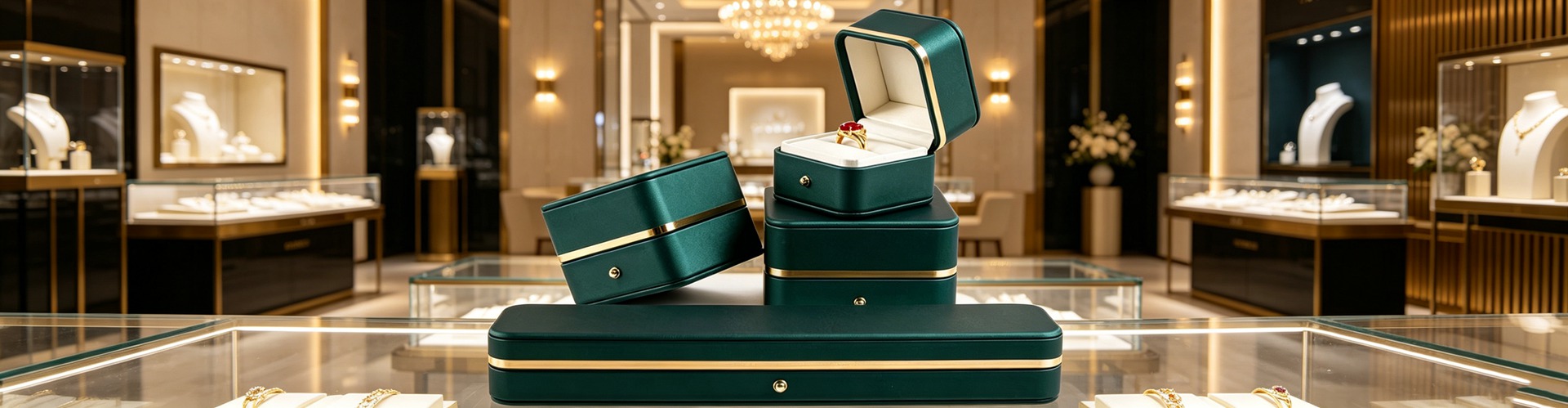 Created colored gems are not fakes. They share the chemistry, crystal structure and optical behavior of mined stones; the only difference is the birthplace — a crucible instead of the Earth's mantle. Three routes dominate. Flame-fusion sprays alumina powder through a 2,000°C oxy-hydrogen flame and grows ruby boules in hours, cheap and prolific, the workhorse of fashion jewelry. Flux-growth mimics nature's slow crystallization over months for a texture closer to the rough. Hydrothermal synthesis recreates underground heat and pressure inside a sealed vessel, “slow-cooking” crystals so convincing that even experts need a certificate. The subtlest move is emerald: Biron's 2023 hydrothermal goods deliberately reproduce the natural “jardin” garden-like inclusions, blurring a line a gemologist can only resolve on paper.
Price is the sharpest blade. A created sapphire runs about $300–800 per carat, created ruby $400–1,000, created emerald 30–50% below natural. Natural pigeon's-blood Burmese ruby fetches $10,000–50,000 per carat; auction-grade Kashmir sapphire tops $30,000; top Colombian emerald starts at $5,000. And the curves diverge: created prices slip 10–15% a year as technology matures, while top natural colored stones appreciate 3–5% annually on scarcity. One end gets cheaper, the other dearer — the most theatrical split in fine jewelry right now.
So will color replay the diamond script? My read: partly. Diamonds fell because their value rested on a 4C standard plus controlled pricing, and created diamonds used that same 4C at a fraction of the cost to dismantle the narrative. Colored stones are anchored more in provenance — Mogok, Kashmir, Muzo; the memory of cornflower blue and pigeon's blood; the romance of a natural fissure in “ten rubies, nine flawed.” A lab can copy the chemistry but not the geographic endorsement of a mine. The likelier ending mirrors diamonds: the mid-tier gets displaced in volume, while top natural color is pushed higher precisely because it is genuinely rare — exactly the K-shaped split the 2026 colored-gem market is already showing.
Created colored gems are not fakes. They share the chemistry, crystal structure and optical behavior of mined stones; the only difference is the birthplace — a crucible instead of the Earth's mantle. Three routes dominate. Flame-fusion sprays alumina powder through a 2,000°C oxy-hydrogen flame and grows ruby boules in hours, cheap and prolific, the workhorse of fashion jewelry. Flux-growth mimics nature's slow crystallization over months for a texture closer to the rough. Hydrothermal synthesis recreates underground heat and pressure inside a sealed vessel, “slow-cooking” crystals so convincing that even experts need a certificate. The subtlest move is emerald: Biron's 2023 hydrothermal goods deliberately reproduce the natural “jardin” garden-like inclusions, blurring a line a gemologist can only resolve on paper.
Price is the sharpest blade. A created sapphire runs about $300–800 per carat, created ruby $400–1,000, created emerald 30–50% below natural. Natural pigeon's-blood Burmese ruby fetches $10,000–50,000 per carat; auction-grade Kashmir sapphire tops $30,000; top Colombian emerald starts at $5,000. And the curves diverge: created prices slip 10–15% a year as technology matures, while top natural colored stones appreciate 3–5% annually on scarcity. One end gets cheaper, the other dearer — the most theatrical split in fine jewelry right now.
So will color replay the diamond script? My read: partly. Diamonds fell because their value rested on a 4C standard plus controlled pricing, and created diamonds used that same 4C at a fraction of the cost to dismantle the narrative. Colored stones are anchored more in provenance — Mogok, Kashmir, Muzo; the memory of cornflower blue and pigeon's blood; the romance of a natural fissure in “ten rubies, nine flawed.” A lab can copy the chemistry but not the geographic endorsement of a mine. The likelier ending mirrors diamonds: the mid-tier gets displaced in volume, while top natural color is pushed higher precisely because it is genuinely rare — exactly the K-shaped split the 2026 colored-gem market is already showing.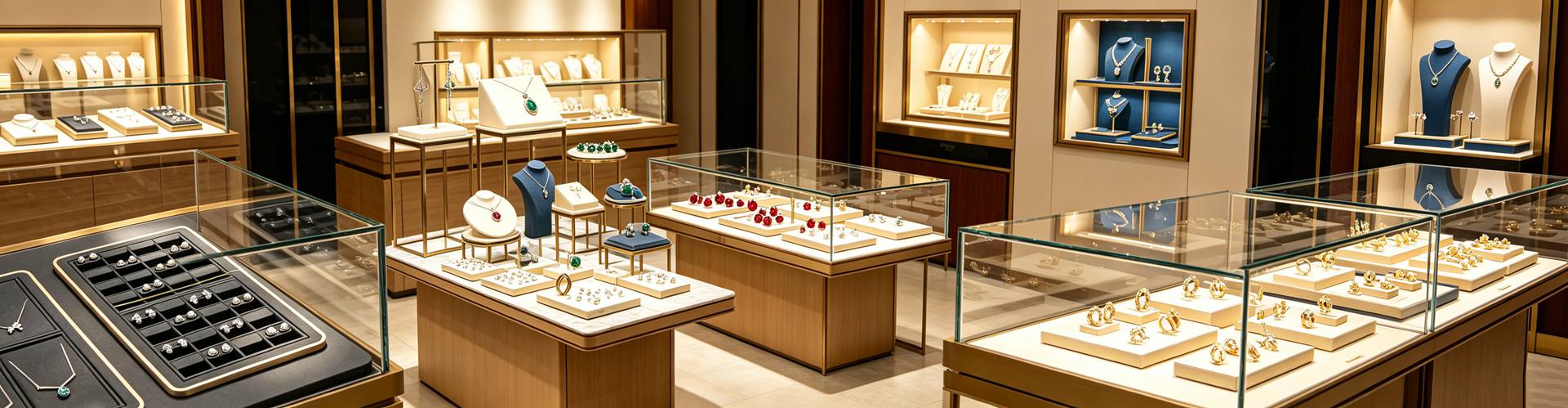 China is not a bystander. Wuzhou brands itself the “synthetic gem capital of the world,” shipping over 10 billion grown stones a year — more than 70% of global output — from cubic zirconia to synthetic corundum and spinel. The furnaces and recipes already exist. As created color moves from industrial to jewelry grade, that capacity is ready-made infrastructure. In a sense China has already built the factory for the democratization of color; what is missing is the step from “making for someone else's brand” to “telling the color story under its own.”
For brands and retailers the real test begins after the showcase. When color becomes cheap and abundant, attention shifts from “what color can I afford” to “what does this store make me believe” — and presentation becomes the new battleground. Created stones must be honestly disclosed as lab-grown; naturals must show origin and certificate. A box that cannot even say whether a stone is natural or grown is a breach of trust. Shenzhen Junyimei, when doing custom jewelry boxes, routinely reminds clients that the richer the palette, the more the lining's color and brightness must step back for the stone, not compete. Display props should mute reflections so that blue or green becomes the focal point. An opaque, reusable jewelry pouch carries a clear mark out the door, extending honesty from the counter to every later glance.
The resale ledger draws the other hard line. U.S. 2026 figures are blunt: a one-carat created sapphire resells for about $50–200, while the natural equivalent returns $900–3,500; created ruby $60–250 against natural $1,200–5,000; created emerald $75–300 against natural starting at $1,500. Retention rates tell the story — created colored stones hold 15–35% of retail, top naturals 50–70%. The market has already priced in “can it be grown.” And that is precisely why a natural stone's certificate and original box become weighty at resale: a case that survives its first owner's five or ten years earns the right to be called scarce.
Sustainability is the flag created gems wave most often, but the flag casts a shadow. Labs are power-hungry: grown on a coal grid, a created stone's carbon footprint can approach or exceed mining's; only furnaces running on wind or solar cut emissions by roughly 90%. “Green” is not a property of the process but of the energy behind it. Regulation is catching up — China imposed export controls on some superhard materials from November 2025 (explicitly excluding jewelry-grade created diamonds), the EU requires a due-diligence statement on Russian-origin diamonds from 2026, and GIA simplified created-diamond grading to “Premium” and “Standard” tiers in October 2025. The clearer the rules, the less optional honest disclosure becomes.
The jewelry-grade leap is what finally changed the conversation. Early synthetics were easy to spot — too clean, too perfect, with the candy-bright uniformity of a chemical. Today's grown stones are different. Automated synthesis and AI-driven defect detection have pushed color consistency and clarity to levels that rival mined goods; hydrothermal lines now deliver eye-clean emeralds in two-to-ten-carat sizes with believable jardin; flame-fusion rubies ship in calibrated, saturated reds that photograph beautifully. The result is a product good enough that disclosure, not detection, is the only honest dividing line. When the eye can no longer tell, the certificate does the talking — which is exactly why presentation and paperwork now carry more weight than they ever did.
For a retailer, the smart play is not to pick a side but to label it, and then let presentation do the selling. Created color wins on size-per-dollar and a clean conscience; natural color wins on provenance and a story that appreciates. Stack them side by side under honest lighting and let the customer choose, rather than blurring the line and hoping nobody notices. The brands pulling ahead treat the box as part of the argument: a custom case that names the stone, holds its certificate, and still looks right on a dressing table a decade later. Shenzhen Junyimei's point about lining color stepping back for the gem applies to both — whether the stone cost two hundred or twenty thousand dollars, the presentation should make the wearer feel they chose well. In a market where color is abundant, confidence is the scarce commodity.
The next few years will be the tell. Created prices keep sliding ten to fifteen percent a year, which is wonderful for buyers and brutal for anyone holding inventory; oversupply has already softened the resale of created goods and could push smaller growers out of the market. Natural top-tier color should keep climbing on genuine scarcity, widening the gap the K-shaped market already shows. The real risk for the trade is not that lab-grown wins, but that lazy labeling erodes trust across the board: if a customer who wanted natural finds a created stone in the box, both segments lose. Clarity, not cleverness, is the only durable advantage.
Natural color is not standing still, either. The mined side is answering with provenance — blockchain traceability from mine to counter, origin-branded collections that turn a place name into a premium, and a growing emphasis on the human story behind each stone. Colombian and Zambian emerald miners, Kashmir-sapphire estates, and Burmese ruby houses are investing in the one narrative laboratories cannot replicate: not just that a stone is real, but that it carries a specific, defendable history. That is the natural trade's best defense, and it fits the same lesson — in a world where the material can be manufactured, the meaning is what stays rare. Expect the two tiers to stop competing on the same shelf and start speaking to different buyers — one selling a story that appreciates, the other selling color that simply delights.
The diamond story taught the trade one thing — when scarcity can be industrialized, value must find a new anchor. The lab revolution in color will not erase natural beauty; it will force every stone to state its origin. And what holds that origin steady, through every reopen, is never the stone itself — it is the box, the certificate, a presentation built to be opened again and again.
China is not a bystander. Wuzhou brands itself the “synthetic gem capital of the world,” shipping over 10 billion grown stones a year — more than 70% of global output — from cubic zirconia to synthetic corundum and spinel. The furnaces and recipes already exist. As created color moves from industrial to jewelry grade, that capacity is ready-made infrastructure. In a sense China has already built the factory for the democratization of color; what is missing is the step from “making for someone else's brand” to “telling the color story under its own.”
For brands and retailers the real test begins after the showcase. When color becomes cheap and abundant, attention shifts from “what color can I afford” to “what does this store make me believe” — and presentation becomes the new battleground. Created stones must be honestly disclosed as lab-grown; naturals must show origin and certificate. A box that cannot even say whether a stone is natural or grown is a breach of trust. Shenzhen Junyimei, when doing custom jewelry boxes, routinely reminds clients that the richer the palette, the more the lining's color and brightness must step back for the stone, not compete. Display props should mute reflections so that blue or green becomes the focal point. An opaque, reusable jewelry pouch carries a clear mark out the door, extending honesty from the counter to every later glance.
The resale ledger draws the other hard line. U.S. 2026 figures are blunt: a one-carat created sapphire resells for about $50–200, while the natural equivalent returns $900–3,500; created ruby $60–250 against natural $1,200–5,000; created emerald $75–300 against natural starting at $1,500. Retention rates tell the story — created colored stones hold 15–35% of retail, top naturals 50–70%. The market has already priced in “can it be grown.” And that is precisely why a natural stone's certificate and original box become weighty at resale: a case that survives its first owner's five or ten years earns the right to be called scarce.
Sustainability is the flag created gems wave most often, but the flag casts a shadow. Labs are power-hungry: grown on a coal grid, a created stone's carbon footprint can approach or exceed mining's; only furnaces running on wind or solar cut emissions by roughly 90%. “Green” is not a property of the process but of the energy behind it. Regulation is catching up — China imposed export controls on some superhard materials from November 2025 (explicitly excluding jewelry-grade created diamonds), the EU requires a due-diligence statement on Russian-origin diamonds from 2026, and GIA simplified created-diamond grading to “Premium” and “Standard” tiers in October 2025. The clearer the rules, the less optional honest disclosure becomes.
The jewelry-grade leap is what finally changed the conversation. Early synthetics were easy to spot — too clean, too perfect, with the candy-bright uniformity of a chemical. Today's grown stones are different. Automated synthesis and AI-driven defect detection have pushed color consistency and clarity to levels that rival mined goods; hydrothermal lines now deliver eye-clean emeralds in two-to-ten-carat sizes with believable jardin; flame-fusion rubies ship in calibrated, saturated reds that photograph beautifully. The result is a product good enough that disclosure, not detection, is the only honest dividing line. When the eye can no longer tell, the certificate does the talking — which is exactly why presentation and paperwork now carry more weight than they ever did.
For a retailer, the smart play is not to pick a side but to label it, and then let presentation do the selling. Created color wins on size-per-dollar and a clean conscience; natural color wins on provenance and a story that appreciates. Stack them side by side under honest lighting and let the customer choose, rather than blurring the line and hoping nobody notices. The brands pulling ahead treat the box as part of the argument: a custom case that names the stone, holds its certificate, and still looks right on a dressing table a decade later. Shenzhen Junyimei's point about lining color stepping back for the gem applies to both — whether the stone cost two hundred or twenty thousand dollars, the presentation should make the wearer feel they chose well. In a market where color is abundant, confidence is the scarce commodity.
The next few years will be the tell. Created prices keep sliding ten to fifteen percent a year, which is wonderful for buyers and brutal for anyone holding inventory; oversupply has already softened the resale of created goods and could push smaller growers out of the market. Natural top-tier color should keep climbing on genuine scarcity, widening the gap the K-shaped market already shows. The real risk for the trade is not that lab-grown wins, but that lazy labeling erodes trust across the board: if a customer who wanted natural finds a created stone in the box, both segments lose. Clarity, not cleverness, is the only durable advantage.
Natural color is not standing still, either. The mined side is answering with provenance — blockchain traceability from mine to counter, origin-branded collections that turn a place name into a premium, and a growing emphasis on the human story behind each stone. Colombian and Zambian emerald miners, Kashmir-sapphire estates, and Burmese ruby houses are investing in the one narrative laboratories cannot replicate: not just that a stone is real, but that it carries a specific, defendable history. That is the natural trade's best defense, and it fits the same lesson — in a world where the material can be manufactured, the meaning is what stays rare. Expect the two tiers to stop competing on the same shelf and start speaking to different buyers — one selling a story that appreciates, the other selling color that simply delights.
The diamond story taught the trade one thing — when scarcity can be industrialized, value must find a new anchor. The lab revolution in color will not erase natural beauty; it will force every stone to state its origin. And what holds that origin steady, through every reopen, is never the stone itself — it is the box, the certificate, a presentation built to be opened again and again.
This is original content. Copyright belongs to Shenzhen Junyimei.
Junyimei — present every jewel and timepiece at its best.2025年,全球实验室培育宝石市场站上近300亿美元。培育钻石仍占了约250亿,但真正值得盯紧的,是那块“彩色”部分——培育红宝石、蓝宝石、祖母绿合计已逼近50亿美元,且以每年两位数的速度扩张。十年前,几乎没人认真讨论“实验室里的红宝石能不能上婚戒”;今天,梧州一家工厂一天产出的合成晶体,比大自然用一千年攒下的还多。钻石的故事,正被彩色宝石重新演一遍。当科技能把一颗“天然同级”的石头从价目表上划掉一大半,整个行业都得重新回答一个问题:消费者买的到底是石头,还是石头讲的故事? 所谓培育彩宝,并不是假货。它的化学成分、晶体结构和光学性质与天然宝石完全一致,区别只在“出生地”是地心还是反应釜。主流工艺有三种:焰熔法把氧化铝粉末送进2000℃以上的氢氧焰,几小时就能长出红宝石毛坯,成本低、产量大,是大众首饰的主力;助熔剂法模拟天然缓慢结晶的节奏,耗时数月,内部纹理更贴近原石;水热法则在密闭容器里复刻地下高温高压,“慢养”出的晶体连专家肉眼都难辨真伪。最微妙的是祖母绿——2023年 Biron 推出的水热法培育祖母绿,刻意做出天然特有的“jardin”花园状包体,鉴定师也得靠证书才能分清。
价格是最锋利的那把刀。培育蓝宝石每克拉约300到800美元,培育红宝石400到1000美元,培育祖母绿比天然低30%到50%;而天然鸽血红缅甸红宝每克拉动辄1万到5万美元,克什米尔蓝宝石拍卖级超过3万美元,顶级哥伦比亚祖母绿每克拉5000美元起步。更戏剧性的是两条曲线:随着工艺成熟,培育宝石价格正以每年10%到15%的速度下探,而顶级天然彩宝因稀缺,年均反而还涨3%到5%。一端越来越便宜,一端越来越贵——这正是2026年彩色宝石市场最刺眼的一幕。
那么,彩宝会复制钻石的剧本吗?我的判断是:会,但不完全。钻石之所以被攻破,是因为它的价值长期建立在“4C标准加垄断定价”之上,而培育钻用同一套4C、更低的价格,直接拆穿了这套话术。可彩色宝石的价值锚点更“玄学”——它卖的是产地叙事:缅甸抹谷、克什米尔、哥伦比亚木佐;是矢车菊蓝与鸽血红的色调记忆;是“十红九裂”里那道天然裂隙带来的岁月感。实验室能复制化学成分,却复制不出矿脉的地理背书。所以更可能的结局,是像钻石一样:中端市场被大量替代,顶级天然彩宝反而因为“真稀缺”被越推越高——这恰好呼应了2026年彩宝市场高端狂飙、低端出清的K型分化。
所谓培育彩宝,并不是假货。它的化学成分、晶体结构和光学性质与天然宝石完全一致,区别只在“出生地”是地心还是反应釜。主流工艺有三种:焰熔法把氧化铝粉末送进2000℃以上的氢氧焰,几小时就能长出红宝石毛坯,成本低、产量大,是大众首饰的主力;助熔剂法模拟天然缓慢结晶的节奏,耗时数月,内部纹理更贴近原石;水热法则在密闭容器里复刻地下高温高压,“慢养”出的晶体连专家肉眼都难辨真伪。最微妙的是祖母绿——2023年 Biron 推出的水热法培育祖母绿,刻意做出天然特有的“jardin”花园状包体,鉴定师也得靠证书才能分清。
价格是最锋利的那把刀。培育蓝宝石每克拉约300到800美元,培育红宝石400到1000美元,培育祖母绿比天然低30%到50%;而天然鸽血红缅甸红宝每克拉动辄1万到5万美元,克什米尔蓝宝石拍卖级超过3万美元,顶级哥伦比亚祖母绿每克拉5000美元起步。更戏剧性的是两条曲线:随着工艺成熟,培育宝石价格正以每年10%到15%的速度下探,而顶级天然彩宝因稀缺,年均反而还涨3%到5%。一端越来越便宜,一端越来越贵——这正是2026年彩色宝石市场最刺眼的一幕。
那么,彩宝会复制钻石的剧本吗?我的判断是:会,但不完全。钻石之所以被攻破,是因为它的价值长期建立在“4C标准加垄断定价”之上,而培育钻用同一套4C、更低的价格,直接拆穿了这套话术。可彩色宝石的价值锚点更“玄学”——它卖的是产地叙事:缅甸抹谷、克什米尔、哥伦比亚木佐;是矢车菊蓝与鸽血红的色调记忆;是“十红九裂”里那道天然裂隙带来的岁月感。实验室能复制化学成分,却复制不出矿脉的地理背书。所以更可能的结局,是像钻石一样:中端市场被大量替代,顶级天然彩宝反而因为“真稀缺”被越推越高——这恰好呼应了2026年彩宝市场高端狂飙、低端出清的K型分化。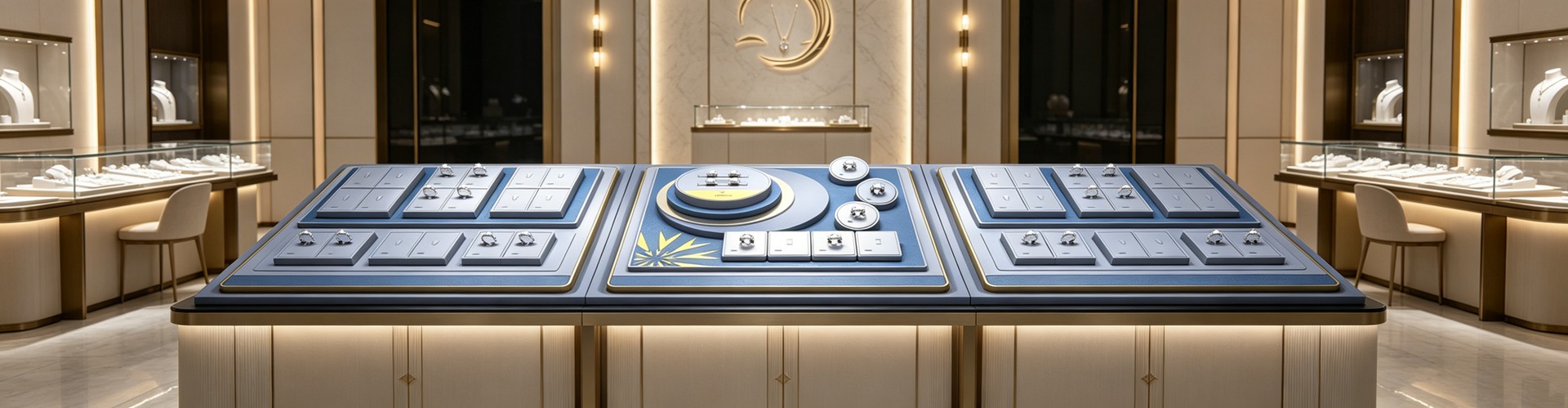 中国在这场戏里不是配角。梧州被称为“世界人工宝石之都”,年产人工宝石超过100亿粒、占全球产量七成以上;从合成立方氧化锆到合成刚玉、合成尖晶,中国工厂掌握着从配方到窑炉的全链条。当培育彩宝从工业级走向珠宝级,这些产能就是现成的地基。某种意义上,中国已经为“彩色宝石的民主化”备好了工厂,缺的只是从“替别人代工”到“用自己的品牌讲颜色故事”的那一步。
对品牌和零售端,真正的考题在柜台之后。当颜色变得便宜又充足,消费者的注意力会从“我买得起什么颜色”转向“这家店让我相信什么”——于是呈现与包装成了新战场。培育彩宝必须诚实标注“实验室培育”,天然彩宝要讲清产地与证书;一枚盒子如果连“它是天然的还是种出来的”都说不清,就是对信任的透支。深圳骏依美在做珠宝盒定制时常提醒客户:彩宝品类越丰富,盒内衬的颜色与明度越要为主石让路,而不是喧宾夺主;珠宝陈列道具也该克制反光,让那抹蓝或那片绿成为焦点。不透光、可复用的首饰袋,则让顾客带着明确标识离店,把“诚实”从柜台延伸到日后每一次被看见。
保值能力是另一道分水岭。美国 2026 年的二手数据很直白:1 克拉培育蓝宝石转售约 50 到 200 美元,而同尺寸天然蓝宝石能回到 900 到 3500 美元;培育红宝石二手 60 到 250 美元,天然则 1200 到 5000 美元;培育祖母绿 75 到 300 美元,天然 1500 美元起步。保值率的天壤之别——培育彩宝多在 15% 到 35%,天然顶级可达 50% 到 70%——说明市场早把“能不能种出来”写进了定价。也正因如此,天然彩宝的证书与原始包装,在二手流通里从附赠品变成了权重项:盒子撑得过第一位主人五年十年,才配得上“稀缺”二字。
可持续是培育彩宝最常举的旗,但旗底下并非没有阴影。实验室耗电可观:用煤电电网生产的培育宝石,碳排放可以逼近甚至超过采矿;只有在风电、光伏供电的炉子里,碳足迹才比天然低约 90%。这意味着“环保”不是工艺自带的光环,而是能源结构的副产品。监管也在跟上——中国 2025 年 11 月起对部分超硬材料实施出口管制(明确排除珠宝级培育钻),欧盟则自 2026 年起要求俄罗斯产地钻石附尽职调查声明,GIA 也在 2025 年 10 月把培育钻评级简化为“Premium”与“Standard”两档。规则越清晰,诚实标注越不是可选项。
钻石的故事教会行业一件事——当稀缺可以被工业化,价值就必须重新找锚。彩宝的实验室革命不会消灭天然之美,它会逼着每一颗石头说清自己的来历。而能把“来历”稳稳托出场外的,从来不是石头本身,是盒子、是证书、是一套经得起反复打开的呈现。
中国在这场戏里不是配角。梧州被称为“世界人工宝石之都”,年产人工宝石超过100亿粒、占全球产量七成以上;从合成立方氧化锆到合成刚玉、合成尖晶,中国工厂掌握着从配方到窑炉的全链条。当培育彩宝从工业级走向珠宝级,这些产能就是现成的地基。某种意义上,中国已经为“彩色宝石的民主化”备好了工厂,缺的只是从“替别人代工”到“用自己的品牌讲颜色故事”的那一步。
对品牌和零售端,真正的考题在柜台之后。当颜色变得便宜又充足,消费者的注意力会从“我买得起什么颜色”转向“这家店让我相信什么”——于是呈现与包装成了新战场。培育彩宝必须诚实标注“实验室培育”,天然彩宝要讲清产地与证书;一枚盒子如果连“它是天然的还是种出来的”都说不清,就是对信任的透支。深圳骏依美在做珠宝盒定制时常提醒客户:彩宝品类越丰富,盒内衬的颜色与明度越要为主石让路,而不是喧宾夺主;珠宝陈列道具也该克制反光,让那抹蓝或那片绿成为焦点。不透光、可复用的首饰袋,则让顾客带着明确标识离店,把“诚实”从柜台延伸到日后每一次被看见。
保值能力是另一道分水岭。美国 2026 年的二手数据很直白:1 克拉培育蓝宝石转售约 50 到 200 美元,而同尺寸天然蓝宝石能回到 900 到 3500 美元;培育红宝石二手 60 到 250 美元,天然则 1200 到 5000 美元;培育祖母绿 75 到 300 美元,天然 1500 美元起步。保值率的天壤之别——培育彩宝多在 15% 到 35%,天然顶级可达 50% 到 70%——说明市场早把“能不能种出来”写进了定价。也正因如此,天然彩宝的证书与原始包装,在二手流通里从附赠品变成了权重项:盒子撑得过第一位主人五年十年,才配得上“稀缺”二字。
可持续是培育彩宝最常举的旗,但旗底下并非没有阴影。实验室耗电可观:用煤电电网生产的培育宝石,碳排放可以逼近甚至超过采矿;只有在风电、光伏供电的炉子里,碳足迹才比天然低约 90%。这意味着“环保”不是工艺自带的光环,而是能源结构的副产品。监管也在跟上——中国 2025 年 11 月起对部分超硬材料实施出口管制(明确排除珠宝级培育钻),欧盟则自 2026 年起要求俄罗斯产地钻石附尽职调查声明,GIA 也在 2025 年 10 月把培育钻评级简化为“Premium”与“Standard”两档。规则越清晰,诚实标注越不是可选项。
钻石的故事教会行业一件事——当稀缺可以被工业化,价值就必须重新找锚。彩宝的实验室革命不会消灭天然之美,它会逼着每一颗石头说清自己的来历。而能把“来历”稳稳托出场外的,从来不是石头本身,是盒子、是证书、是一套经得起反复打开的呈现。
本文为原创内容,版权归深圳骏依美所有,转载请注明出处。
骏依美——让每一件珠宝与腕表,都被更好地呈现。
Created colored gems are not fakes. They share the chemistry, crystal structure and optical behavior of mined stones; the only difference is the birthplace — a crucible instead of the Earth's mantle. Three routes dominate. Flame-fusion sprays alumina powder through a 2,000°C oxy-hydrogen flame and grows ruby boules in hours, cheap and prolific, the workhorse of fashion jewelry. Flux-growth mimics nature's slow crystallization over months for a texture closer to the rough. Hydrothermal synthesis recreates underground heat and pressure inside a sealed vessel, “slow-cooking” crystals so convincing that even experts need a certificate. The subtlest move is emerald: Biron's 2023 hydrothermal goods deliberately reproduce the natural “jardin” garden-like inclusions, blurring a line a gemologist can only resolve on paper.
Price is the sharpest blade. A created sapphire runs about $300–800 per carat, created ruby $400–1,000, created emerald 30–50% below natural. Natural pigeon's-blood Burmese ruby fetches $10,000–50,000 per carat; auction-grade Kashmir sapphire tops $30,000; top Colombian emerald starts at $5,000. And the curves diverge: created prices slip 10–15% a year as technology matures, while top natural colored stones appreciate 3–5% annually on scarcity. One end gets cheaper, the other dearer — the most theatrical split in fine jewelry right now.
So will color replay the diamond script? My read: partly. Diamonds fell because their value rested on a 4C standard plus controlled pricing, and created diamonds used that same 4C at a fraction of the cost to dismantle the narrative. Colored stones are anchored more in provenance — Mogok, Kashmir, Muzo; the memory of cornflower blue and pigeon's blood; the romance of a natural fissure in “ten rubies, nine flawed.” A lab can copy the chemistry but not the geographic endorsement of a mine. The likelier ending mirrors diamonds: the mid-tier gets displaced in volume, while top natural color is pushed higher precisely because it is genuinely rare — exactly the K-shaped split the 2026 colored-gem market is already showing.
China is not a bystander. Wuzhou brands itself the “synthetic gem capital of the world,” shipping over 10 billion grown stones a year — more than 70% of global output — from cubic zirconia to synthetic corundum and spinel. The furnaces and recipes already exist. As created color moves from industrial to jewelry grade, that capacity is ready-made infrastructure. In a sense China has already built the factory for the democratization of color; what is missing is the step from “making for someone else's brand” to “telling the color story under its own.”
For brands and retailers the real test begins after the showcase. When color becomes cheap and abundant, attention shifts from “what color can I afford” to “what does this store make me believe” — and presentation becomes the new battleground. Created stones must be honestly disclosed as lab-grown; naturals must show origin and certificate. A box that cannot even say whether a stone is natural or grown is a breach of trust. Shenzhen Junyimei, when doing custom jewelry boxes, routinely reminds clients that the richer the palette, the more the lining's color and brightness must step back for the stone, not compete. Display props should mute reflections so that blue or green becomes the focal point. An opaque, reusable jewelry pouch carries a clear mark out the door, extending honesty from the counter to every later glance.
The resale ledger draws the other hard line. U.S. 2026 figures are blunt: a one-carat created sapphire resells for about $50–200, while the natural equivalent returns $900–3,500; created ruby $60–250 against natural $1,200–5,000; created emerald $75–300 against natural starting at $1,500. Retention rates tell the story — created colored stones hold 15–35% of retail, top naturals 50–70%. The market has already priced in “can it be grown.” And that is precisely why a natural stone's certificate and original box become weighty at resale: a case that survives its first owner's five or ten years earns the right to be called scarce.
Sustainability is the flag created gems wave most often, but the flag casts a shadow. Labs are power-hungry: grown on a coal grid, a created stone's carbon footprint can approach or exceed mining's; only furnaces running on wind or solar cut emissions by roughly 90%. “Green” is not a property of the process but of the energy behind it. Regulation is catching up — China imposed export controls on some superhard materials from November 2025 (explicitly excluding jewelry-grade created diamonds), the EU requires a due-diligence statement on Russian-origin diamonds from 2026, and GIA simplified created-diamond grading to “Premium” and “Standard” tiers in October 2025. The clearer the rules, the less optional honest disclosure becomes.
The jewelry-grade leap is what finally changed the conversation. Early synthetics were easy to spot — too clean, too perfect, with the candy-bright uniformity of a chemical. Today's grown stones are different. Automated synthesis and AI-driven defect detection have pushed color consistency and clarity to levels that rival mined goods; hydrothermal lines now deliver eye-clean emeralds in two-to-ten-carat sizes with believable jardin; flame-fusion rubies ship in calibrated, saturated reds that photograph beautifully. The result is a product good enough that disclosure, not detection, is the only honest dividing line. When the eye can no longer tell, the certificate does the talking — which is exactly why presentation and paperwork now carry more weight than they ever did.
For a retailer, the smart play is not to pick a side but to label it, and then let presentation do the selling. Created color wins on size-per-dollar and a clean conscience; natural color wins on provenance and a story that appreciates. Stack them side by side under honest lighting and let the customer choose, rather than blurring the line and hoping nobody notices. The brands pulling ahead treat the box as part of the argument: a custom case that names the stone, holds its certificate, and still looks right on a dressing table a decade later. Shenzhen Junyimei's point about lining color stepping back for the gem applies to both — whether the stone cost two hundred or twenty thousand dollars, the presentation should make the wearer feel they chose well. In a market where color is abundant, confidence is the scarce commodity.
The next few years will be the tell. Created prices keep sliding ten to fifteen percent a year, which is wonderful for buyers and brutal for anyone holding inventory; oversupply has already softened the resale of created goods and could push smaller growers out of the market. Natural top-tier color should keep climbing on genuine scarcity, widening the gap the K-shaped market already shows. The real risk for the trade is not that lab-grown wins, but that lazy labeling erodes trust across the board: if a customer who wanted natural finds a created stone in the box, both segments lose. Clarity, not cleverness, is the only durable advantage.
Natural color is not standing still, either. The mined side is answering with provenance — blockchain traceability from mine to counter, origin-branded collections that turn a place name into a premium, and a growing emphasis on the human story behind each stone. Colombian and Zambian emerald miners, Kashmir-sapphire estates, and Burmese ruby houses are investing in the one narrative laboratories cannot replicate: not just that a stone is real, but that it carries a specific, defendable history. That is the natural trade's best defense, and it fits the same lesson — in a world where the material can be manufactured, the meaning is what stays rare. Expect the two tiers to stop competing on the same shelf and start speaking to different buyers — one selling a story that appreciates, the other selling color that simply delights.
The diamond story taught the trade one thing — when scarcity can be industrialized, value must find a new anchor. The lab revolution in color will not erase natural beauty; it will force every stone to state its origin. And what holds that origin steady, through every reopen, is never the stone itself — it is the box, the certificate, a presentation built to be opened again and again.
This is original content. Copyright belongs to Shenzhen Junyimei.
Junyimei — present every jewel and timepiece at its best.2025年,全球实验室培育宝石市场站上近300亿美元。培育钻石仍占了约250亿,但真正值得盯紧的,是那块“彩色”部分——培育红宝石、蓝宝石、祖母绿合计已逼近50亿美元,且以每年两位数的速度扩张。十年前,几乎没人认真讨论“实验室里的红宝石能不能上婚戒”;今天,梧州一家工厂一天产出的合成晶体,比大自然用一千年攒下的还多。钻石的故事,正被彩色宝石重新演一遍。当科技能把一颗“天然同级”的石头从价目表上划掉一大半,整个行业都得重新回答一个问题:消费者买的到底是石头,还是石头讲的故事?
所谓培育彩宝,并不是假货。它的化学成分、晶体结构和光学性质与天然宝石完全一致,区别只在“出生地”是地心还是反应釜。主流工艺有三种:焰熔法把氧化铝粉末送进2000℃以上的氢氧焰,几小时就能长出红宝石毛坯,成本低、产量大,是大众首饰的主力;助熔剂法模拟天然缓慢结晶的节奏,耗时数月,内部纹理更贴近原石;水热法则在密闭容器里复刻地下高温高压,“慢养”出的晶体连专家肉眼都难辨真伪。最微妙的是祖母绿——2023年 Biron 推出的水热法培育祖母绿,刻意做出天然特有的“jardin”花园状包体,鉴定师也得靠证书才能分清。
价格是最锋利的那把刀。培育蓝宝石每克拉约300到800美元,培育红宝石400到1000美元,培育祖母绿比天然低30%到50%;而天然鸽血红缅甸红宝每克拉动辄1万到5万美元,克什米尔蓝宝石拍卖级超过3万美元,顶级哥伦比亚祖母绿每克拉5000美元起步。更戏剧性的是两条曲线:随着工艺成熟,培育宝石价格正以每年10%到15%的速度下探,而顶级天然彩宝因稀缺,年均反而还涨3%到5%。一端越来越便宜,一端越来越贵——这正是2026年彩色宝石市场最刺眼的一幕。
那么,彩宝会复制钻石的剧本吗?我的判断是:会,但不完全。钻石之所以被攻破,是因为它的价值长期建立在“4C标准加垄断定价”之上,而培育钻用同一套4C、更低的价格,直接拆穿了这套话术。可彩色宝石的价值锚点更“玄学”——它卖的是产地叙事:缅甸抹谷、克什米尔、哥伦比亚木佐;是矢车菊蓝与鸽血红的色调记忆;是“十红九裂”里那道天然裂隙带来的岁月感。实验室能复制化学成分,却复制不出矿脉的地理背书。所以更可能的结局,是像钻石一样:中端市场被大量替代,顶级天然彩宝反而因为“真稀缺”被越推越高——这恰好呼应了2026年彩宝市场高端狂飙、低端出清的K型分化。
中国在这场戏里不是配角。梧州被称为“世界人工宝石之都”,年产人工宝石超过100亿粒、占全球产量七成以上;从合成立方氧化锆到合成刚玉、合成尖晶,中国工厂掌握着从配方到窑炉的全链条。当培育彩宝从工业级走向珠宝级,这些产能就是现成的地基。某种意义上,中国已经为“彩色宝石的民主化”备好了工厂,缺的只是从“替别人代工”到“用自己的品牌讲颜色故事”的那一步。
对品牌和零售端,真正的考题在柜台之后。当颜色变得便宜又充足,消费者的注意力会从“我买得起什么颜色”转向“这家店让我相信什么”——于是呈现与包装成了新战场。培育彩宝必须诚实标注“实验室培育”,天然彩宝要讲清产地与证书;一枚盒子如果连“它是天然的还是种出来的”都说不清,就是对信任的透支。深圳骏依美在做珠宝盒定制时常提醒客户:彩宝品类越丰富,盒内衬的颜色与明度越要为主石让路,而不是喧宾夺主;珠宝陈列道具也该克制反光,让那抹蓝或那片绿成为焦点。不透光、可复用的首饰袋,则让顾客带着明确标识离店,把“诚实”从柜台延伸到日后每一次被看见。
保值能力是另一道分水岭。美国 2026 年的二手数据很直白:1 克拉培育蓝宝石转售约 50 到 200 美元,而同尺寸天然蓝宝石能回到 900 到 3500 美元;培育红宝石二手 60 到 250 美元,天然则 1200 到 5000 美元;培育祖母绿 75 到 300 美元,天然 1500 美元起步。保值率的天壤之别——培育彩宝多在 15% 到 35%,天然顶级可达 50% 到 70%——说明市场早把“能不能种出来”写进了定价。也正因如此,天然彩宝的证书与原始包装,在二手流通里从附赠品变成了权重项:盒子撑得过第一位主人五年十年,才配得上“稀缺”二字。
可持续是培育彩宝最常举的旗,但旗底下并非没有阴影。实验室耗电可观:用煤电电网生产的培育宝石,碳排放可以逼近甚至超过采矿;只有在风电、光伏供电的炉子里,碳足迹才比天然低约 90%。这意味着“环保”不是工艺自带的光环,而是能源结构的副产品。监管也在跟上——中国 2025 年 11 月起对部分超硬材料实施出口管制(明确排除珠宝级培育钻),欧盟则自 2026 年起要求俄罗斯产地钻石附尽职调查声明,GIA 也在 2025 年 10 月把培育钻评级简化为“Premium”与“Standard”两档。规则越清晰,诚实标注越不是可选项。
钻石的故事教会行业一件事——当稀缺可以被工业化,价值就必须重新找锚。彩宝的实验室革命不会消灭天然之美,它会逼着每一颗石头说清自己的来历。而能把“来历”稳稳托出场外的,从来不是石头本身,是盒子、是证书、是一套经得起反复打开的呈现。
本文为原创内容,版权归深圳骏依美所有,转载请注明出处。
骏依美——让每一件珠宝与腕表,都被更好地呈现。