Why Sustainability Is the New Language of Luxury珠宝的绿色新语言
In the annual reports of the jewelry industry in 2026, a number appeared that would never have made the front page a decade ago. In Chow Tai Fook's newly published FY2026 sustainability report, gold alone accounts for roughly 59% of the group's greenhouse-gas emissions, the single largest source of its carbon footprint. And according to the World Gold Council, jewelry made with recycled gold emits more than 90% less GHG than jewelry made with newly mined gold. When a company built on gold begins to define its products in terms of carbon rather than carats, the language of luxury is being quietly rewritten.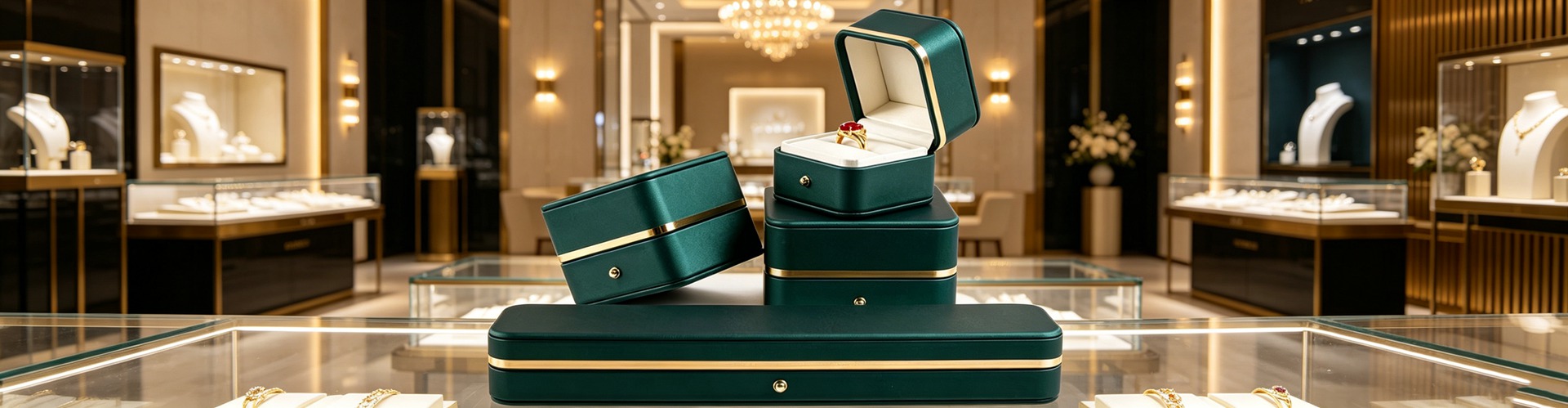 This is not a lone line in one report. Over the past year, "sustainability" has migrated from a moral footnote in CSR documents to a headline on the product page. It no longer says merely "we emitted a little less." It tells a whole new value story: where materials come from, whether they can be traced, whether they can be obtained without opening a new mine, and whether they can return to the loop when they are done. Buyers have started writing their values into every checkout.
The wallets behind this shift are younger than the industry is used to. Research indicates that among jewelry buyers under 40, the share treating sustainability as a deciding factor climbed from 42% in 2020 to roughly 68% by 2026. They may not pay a premium for morality, but they are increasingly unwilling to pay for opacity, a force quietly redrawing luxury's pricing coordinates.
The most concrete shift is in recycled metal. In FY2026, Chow Tai Fook raised the share of recycled gold in its total gold feed to 11.5%, with a clear roadmap to reach 27% by FY2029; its flagship JIAN collection already runs on 100% recycled gold. Seen across a longer arc, this is not one company's gesture but a category inflection point. Industry data shows recycled gold now supplies about 30% of global demand, roughly 1,370 tonnes in 2024, and the recycling rate for gold has reached 86%. In other words, most of the gold in circulation was already in the loop; it never disappeared, it merely changed form. Refining recycled metal uses up to 90% less energy than mining new material, and recycled gold is chemically identical to mined gold, which debunks any myth about inferior durability. The price gap that once separated the two has also narrowed, from a 10 to 15% premium a few years ago to roughly 5 to 8% today, as scale economics take hold. What was once a niche conscience purchase has become a default specification on the spec sheet, the quiet baseline every new collection is now measured against. Jewelry itself is the engine of this loop: old pieces provide the large majority of gold fed into global recycling, which means the ring you trade in today is quite literally tomorrow's responsibly sourced metal.
For brands, recycled gold matters beyond decarbonization. It is a narrative that can be quantified and verified: the ring on your finger might once have been a circuit board, a broken wedding band, or a necklace no one wore anymore. When the story of origin becomes measurable, the confidence of luxury shifts from "my mine is better" to "my loop is cleaner." It also reframes the bond between brand and buyer: the customer is no longer a passive recipient of a finished object but a participant in its circular story, invited to return old pieces through trade-in programs that now span thousands of stores.
A deeper change is happening at the level of trust. A Tracemark study found that 94% of consumers want proof of origin before buying, and more than 70% say traceability directly shapes their trust in a brand. De Beers, Cartier, and Tiffany have all invested in QR codes, blockchain, and digital passports; the EU and other regions are advancing rules that require jewelry brands to trace precious metals back to the mine or the lab. The World Gold Council puts it plainly: transparent supply chains are no longer optional, they are the ticket into the global market. A Tracemark-aligned finding shows buyers are increasingly willing to pay for verified ethics, and some brands report measurable sales lifts after adopting traceability technology. Transparency, in other words, has become a revenue lever rather than a compliance cost, another sign that the new language pays.
This means sustainability is moving from a bonus to a barrier. Ten years ago, an un-certified bar of gold could still sell. Today, a piece whose history cannot be told may struggle to reach the shelf at all. The first word in luxury's new language is "I can show you where I came from." The implication for marketing is uncomfortable: claims no longer sell on their own, they sell only when backed by an audit a customer can actually check.
The clearest footnote to this green turn is the lab-grown diamond. By late 2025, lab-grown stones accounted for about 56.8% of the US market for one-carat engagement rings. At equivalent quality, a one-carat high-grade lab diamond sells for roughly $280 to $320, while a natural diamond can top $7,000. The carbon gap is starker: about 4.8 kg of CO2 per carat for lab-grown versus roughly 160 kg for mined. Lower price, lower carbon, and chemically and optically almost identical, lab-grown bypasses the scarcity narrative of natural diamonds through ethics and value. Both GIA and IGI grade lab-grown stones on the same 4Cs as mined ones, and many show equal or better clarity because labs control every variable. For millennial and Gen Z bridal buyers, the decision is rarely about sparkle; it is about conscience and cost, two things this generation weighs before carat.
But the sober view matters. Lab-grown has not killed the luxury of natural diamonds. In the luxury market, natural stones still hold about 80% of sales; buyers there pay for geological history and inheritance. The market is bifurcating: ethical buyers move to lab-grown, traditional buyers turn to natural diamonds with full provenance. It is not one replacing the other; it is luxury learning, for the first time, to speak in two parallel grammars. The clever brands are no longer forced to choose a side; they tell both stories at once, pairing a traceable natural stone with a transparent, lower-impact setting, and let the customer decide which grammar fits the moment.
When sustainability becomes a selling point, what gets re-examined is far more than the metal.
This is not a lone line in one report. Over the past year, "sustainability" has migrated from a moral footnote in CSR documents to a headline on the product page. It no longer says merely "we emitted a little less." It tells a whole new value story: where materials come from, whether they can be traced, whether they can be obtained without opening a new mine, and whether they can return to the loop when they are done. Buyers have started writing their values into every checkout.
The wallets behind this shift are younger than the industry is used to. Research indicates that among jewelry buyers under 40, the share treating sustainability as a deciding factor climbed from 42% in 2020 to roughly 68% by 2026. They may not pay a premium for morality, but they are increasingly unwilling to pay for opacity, a force quietly redrawing luxury's pricing coordinates.
The most concrete shift is in recycled metal. In FY2026, Chow Tai Fook raised the share of recycled gold in its total gold feed to 11.5%, with a clear roadmap to reach 27% by FY2029; its flagship JIAN collection already runs on 100% recycled gold. Seen across a longer arc, this is not one company's gesture but a category inflection point. Industry data shows recycled gold now supplies about 30% of global demand, roughly 1,370 tonnes in 2024, and the recycling rate for gold has reached 86%. In other words, most of the gold in circulation was already in the loop; it never disappeared, it merely changed form. Refining recycled metal uses up to 90% less energy than mining new material, and recycled gold is chemically identical to mined gold, which debunks any myth about inferior durability. The price gap that once separated the two has also narrowed, from a 10 to 15% premium a few years ago to roughly 5 to 8% today, as scale economics take hold. What was once a niche conscience purchase has become a default specification on the spec sheet, the quiet baseline every new collection is now measured against. Jewelry itself is the engine of this loop: old pieces provide the large majority of gold fed into global recycling, which means the ring you trade in today is quite literally tomorrow's responsibly sourced metal.
For brands, recycled gold matters beyond decarbonization. It is a narrative that can be quantified and verified: the ring on your finger might once have been a circuit board, a broken wedding band, or a necklace no one wore anymore. When the story of origin becomes measurable, the confidence of luxury shifts from "my mine is better" to "my loop is cleaner." It also reframes the bond between brand and buyer: the customer is no longer a passive recipient of a finished object but a participant in its circular story, invited to return old pieces through trade-in programs that now span thousands of stores.
A deeper change is happening at the level of trust. A Tracemark study found that 94% of consumers want proof of origin before buying, and more than 70% say traceability directly shapes their trust in a brand. De Beers, Cartier, and Tiffany have all invested in QR codes, blockchain, and digital passports; the EU and other regions are advancing rules that require jewelry brands to trace precious metals back to the mine or the lab. The World Gold Council puts it plainly: transparent supply chains are no longer optional, they are the ticket into the global market. A Tracemark-aligned finding shows buyers are increasingly willing to pay for verified ethics, and some brands report measurable sales lifts after adopting traceability technology. Transparency, in other words, has become a revenue lever rather than a compliance cost, another sign that the new language pays.
This means sustainability is moving from a bonus to a barrier. Ten years ago, an un-certified bar of gold could still sell. Today, a piece whose history cannot be told may struggle to reach the shelf at all. The first word in luxury's new language is "I can show you where I came from." The implication for marketing is uncomfortable: claims no longer sell on their own, they sell only when backed by an audit a customer can actually check.
The clearest footnote to this green turn is the lab-grown diamond. By late 2025, lab-grown stones accounted for about 56.8% of the US market for one-carat engagement rings. At equivalent quality, a one-carat high-grade lab diamond sells for roughly $280 to $320, while a natural diamond can top $7,000. The carbon gap is starker: about 4.8 kg of CO2 per carat for lab-grown versus roughly 160 kg for mined. Lower price, lower carbon, and chemically and optically almost identical, lab-grown bypasses the scarcity narrative of natural diamonds through ethics and value. Both GIA and IGI grade lab-grown stones on the same 4Cs as mined ones, and many show equal or better clarity because labs control every variable. For millennial and Gen Z bridal buyers, the decision is rarely about sparkle; it is about conscience and cost, two things this generation weighs before carat.
But the sober view matters. Lab-grown has not killed the luxury of natural diamonds. In the luxury market, natural stones still hold about 80% of sales; buyers there pay for geological history and inheritance. The market is bifurcating: ethical buyers move to lab-grown, traditional buyers turn to natural diamonds with full provenance. It is not one replacing the other; it is luxury learning, for the first time, to speak in two parallel grammars. The clever brands are no longer forced to choose a side; they tell both stories at once, pairing a traceable natural stone with a transparent, lower-impact setting, and let the customer decide which grammar fits the moment.
When sustainability becomes a selling point, what gets re-examined is far more than the metal.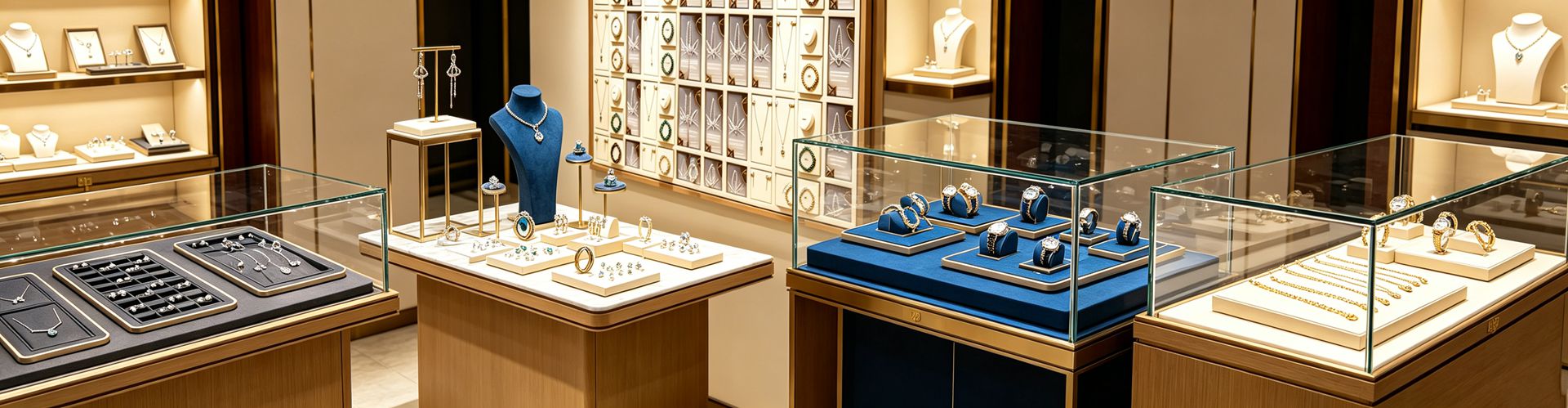 The first thing a buyer touches after a purchase is rarely the gold, it is the box. So packaging is rewriting its own script: recycled paper, reusable pouches that do not look tired after months, and certificates turned into scannable digital passports are replacing heavy foil and single-use gift boxes. On the counter, display props and showcases are no longer only competing on brightness; they compete on restraint and durability, because when a piece is meant to be worn for years and told about often, its stage should outlast the trend. The carbon logic extends to the package itself: a heavy lacquered box shipped once and discarded is a hidden cost, while a slim, recyclable case paired with a reusable pouch lowers the footprint of every order. Brands that publish their packaging footprint find it has entered the very conversation customers now expect, the box is no longer silent. E-commerce has sharpened the stakes: a package that arrives crushed, or extravagant in the wrong way, becomes a screenshot, and screenshots travel. The sustainable box is therefore also a reputational one, designed to photograph well while wasting little.
For supply-chain partners like Shenzhen Junyimei, who work deep in the craft of custom jewelry boxes and structural tolerances, the trend lands in concrete terms: budgets shift from ornament to tolerance, from "looks perfect for one second at opening" to "still opens with dignity ten years later," a discipline borrowed from the same quality thinking that sustainability demands. A box that survives the loop is, itself, part of the sustainability story. The lesson travels across categories: whatever the material, the question is the same, can this object and its container both come back?
Smaller studios may benefit most. Without legacy supply chains to defend, they can adopt recycled metal and open provenance from day one, turning transparency into a launch story rather than a retrofit. In a market where the new language rewards honesty, the newcomer often speaks it most fluently.
The next frontier is circularity as a design principle rather than an afterthought. A growing number of studios now sketch a piece and its eventual return together, building repair paths and refining options into the first draft. Longevity stops being a slogan and becomes a specification.
In the end, the new language the jewelry industry speaks in 2026 is not complicated: the best luxury is the luxury that can survive questioning, questioning where it came from, and whether it can go back. When a brand is willing to print the answer on the tag, green stops being a posture and becomes, simply, a new kind of dignity.
This is original content. Copyright belongs to Shenzhen Junyimei.
The first thing a buyer touches after a purchase is rarely the gold, it is the box. So packaging is rewriting its own script: recycled paper, reusable pouches that do not look tired after months, and certificates turned into scannable digital passports are replacing heavy foil and single-use gift boxes. On the counter, display props and showcases are no longer only competing on brightness; they compete on restraint and durability, because when a piece is meant to be worn for years and told about often, its stage should outlast the trend. The carbon logic extends to the package itself: a heavy lacquered box shipped once and discarded is a hidden cost, while a slim, recyclable case paired with a reusable pouch lowers the footprint of every order. Brands that publish their packaging footprint find it has entered the very conversation customers now expect, the box is no longer silent. E-commerce has sharpened the stakes: a package that arrives crushed, or extravagant in the wrong way, becomes a screenshot, and screenshots travel. The sustainable box is therefore also a reputational one, designed to photograph well while wasting little.
For supply-chain partners like Shenzhen Junyimei, who work deep in the craft of custom jewelry boxes and structural tolerances, the trend lands in concrete terms: budgets shift from ornament to tolerance, from "looks perfect for one second at opening" to "still opens with dignity ten years later," a discipline borrowed from the same quality thinking that sustainability demands. A box that survives the loop is, itself, part of the sustainability story. The lesson travels across categories: whatever the material, the question is the same, can this object and its container both come back?
Smaller studios may benefit most. Without legacy supply chains to defend, they can adopt recycled metal and open provenance from day one, turning transparency into a launch story rather than a retrofit. In a market where the new language rewards honesty, the newcomer often speaks it most fluently.
The next frontier is circularity as a design principle rather than an afterthought. A growing number of studios now sketch a piece and its eventual return together, building repair paths and refining options into the first draft. Longevity stops being a slogan and becomes a specification.
In the end, the new language the jewelry industry speaks in 2026 is not complicated: the best luxury is the luxury that can survive questioning, questioning where it came from, and whether it can go back. When a brand is willing to print the answer on the tag, green stops being a posture and becomes, simply, a new kind of dignity.
This is original content. Copyright belongs to Shenzhen Junyimei.
Junyimei — present every jewel and timepiece at its best.2026年的珠宝行业报告里,出现了一个从前不会出现在头版的数字:在周大福集团最新发布的2026财年可持续发展报告中,黄金一项贡献了集团约59%的温室气体排放,是单一最大的碳来源;而世界黄金协会的研究显示,采用再生金制作的珠宝,其碳排放比使用新采矿金低出90%以上。当一家以黄金为核心资产的公司,开始用"碳"而不是用"克"来定义自己的产品,奢侈的语言,正在被悄悄改写。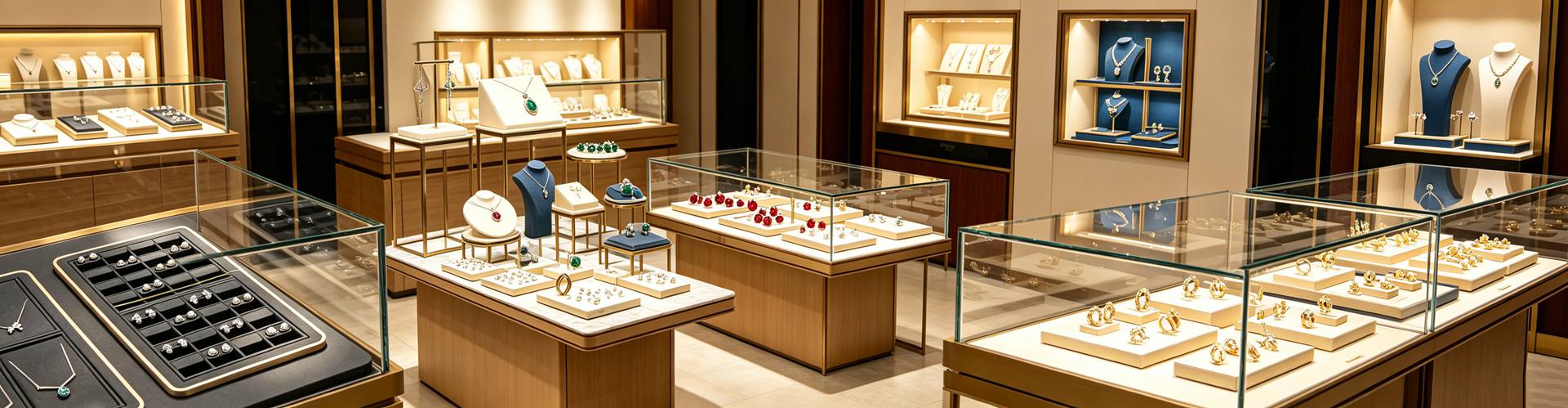 这不是孤例。过去一年,"可持续"三个字从品牌社会责任报告里的道德注脚,一路前移到了产品页的主标题。它讲的不再只是"我们少排了一点",而是一整套新的价值叙事:材料从哪里来、能否被追溯、是否可以不靠新开矿就获得、用完之后能否回到循环。买家开始把价值观,写进每一次结账。
驱动这股转向的,是更年轻的钱包。研究显示,40岁以下的珠宝买家中,把可持续列为决策因素的占比,已从2020年的42%攀升至约68%。他们未必愿意为"道德"付高价,却越来越不愿意为"说不清"买单——这股力量,正在重写奢侈的定价坐标。
最直接的变量是再生金。周大福在2026财年把再生金在总金料中的占比做到了11.5%,并给出了清晰的路线图——2029财年达到27%;其旗舰系列已经采用100%再生金。放在更长的时间轴上,这不是一家公司的动作,而是品类的拐点。行业数据显示,回收金如今供应着全球约30%的黄金需求,2024年规模约1370吨;黄金本身的回收率已经达到86%。换句话说,市面上流通的金子,绝大部分早已在循环里——它从未"消失",只是换了形态。
对品牌而言,再生金的意义不只是减碳。它是一种可以讲得很清楚、也很容易被验证的叙事:你手腕上那枚戒指,可能来自一块旧主板、一枚断掉的婚戒、一条不再佩戴的项链。当"来源故事"变得可量化,奢侈的底气也从"我的矿更好",变成了"我的循环更干净"。它也重新定义了品牌与买家的关系:顾客不再是成品的被动接收者,而是循环故事的参与者,被邀请用覆盖数千家门店的以旧换新计划,把旧物送回起点。
比材料更根本的变化,发生在信任的层面。Tracemark一项研究指出,94%的消费者希望在购买前看到产地证明,超过70%的人表示,可追溯性直接影响他们对一个品牌的信任。于是戴比尔斯、卡地亚、蒂芙尼纷纷押注二维码、区块链与数字护照;欧盟等区域也在推进新规,要求珠宝品牌把贵金属追溯到矿场或实验室。世界黄金协会说得直白:透明供应链不再是可选项,而是进入全球市场的门票。
这意味着,"可持续"正在从加分项变成门槛。十年前,一块没有证书的金砖也能卖;今天,一件说不清来历的珠宝,可能连上架都困难。奢侈的新语言,第一个词就是"我来自哪里"。这对营销是种不适:口号不再自己卖货,只有当它背后站着顾客真正能查到的审计,才卖得动。
在这场绿色转向里,培育钻石是最容易被理解的注脚。到2025年底,培育钻已拿下美国一克拉订婚戒约56.8%的市场份额;同等品质下,一克拉高品质培育钻约280到320美元,而天然钻可以超过7000美元。更关键的是碳:一克拉培育钻排放约4.8公斤二氧化碳,天然钻约为160公斤。价格更低、碳更少、且化学与光学上几乎无差别——它用伦理与性价比,绕过了天然钻的稀缺叙事。
但也要清醒:培育钻并没有杀死天然钻的奢侈。在奢侈品市场,天然钻仍占约80%的份额,买家为的是地质历史与传承。市场正在分叉:伦理型消费者走向培育,传统型买家转向带完整产地脉络的天然钻。这不是谁取代谁,而是"奢侈"第一次有了两条平行的语法。聪明的品牌不再被迫选边,而是同时讲两个故事——把一颗可追溯的天然石,配上一套透明而低影响的镶嵌,让顾客自己决定此刻该用哪种语法。
当"可持续"变成一个卖点,被重新审视的,远不止金子本身。
这不是孤例。过去一年,"可持续"三个字从品牌社会责任报告里的道德注脚,一路前移到了产品页的主标题。它讲的不再只是"我们少排了一点",而是一整套新的价值叙事:材料从哪里来、能否被追溯、是否可以不靠新开矿就获得、用完之后能否回到循环。买家开始把价值观,写进每一次结账。
驱动这股转向的,是更年轻的钱包。研究显示,40岁以下的珠宝买家中,把可持续列为决策因素的占比,已从2020年的42%攀升至约68%。他们未必愿意为"道德"付高价,却越来越不愿意为"说不清"买单——这股力量,正在重写奢侈的定价坐标。
最直接的变量是再生金。周大福在2026财年把再生金在总金料中的占比做到了11.5%,并给出了清晰的路线图——2029财年达到27%;其旗舰系列已经采用100%再生金。放在更长的时间轴上,这不是一家公司的动作,而是品类的拐点。行业数据显示,回收金如今供应着全球约30%的黄金需求,2024年规模约1370吨;黄金本身的回收率已经达到86%。换句话说,市面上流通的金子,绝大部分早已在循环里——它从未"消失",只是换了形态。
对品牌而言,再生金的意义不只是减碳。它是一种可以讲得很清楚、也很容易被验证的叙事:你手腕上那枚戒指,可能来自一块旧主板、一枚断掉的婚戒、一条不再佩戴的项链。当"来源故事"变得可量化,奢侈的底气也从"我的矿更好",变成了"我的循环更干净"。它也重新定义了品牌与买家的关系:顾客不再是成品的被动接收者,而是循环故事的参与者,被邀请用覆盖数千家门店的以旧换新计划,把旧物送回起点。
比材料更根本的变化,发生在信任的层面。Tracemark一项研究指出,94%的消费者希望在购买前看到产地证明,超过70%的人表示,可追溯性直接影响他们对一个品牌的信任。于是戴比尔斯、卡地亚、蒂芙尼纷纷押注二维码、区块链与数字护照;欧盟等区域也在推进新规,要求珠宝品牌把贵金属追溯到矿场或实验室。世界黄金协会说得直白:透明供应链不再是可选项,而是进入全球市场的门票。
这意味着,"可持续"正在从加分项变成门槛。十年前,一块没有证书的金砖也能卖;今天,一件说不清来历的珠宝,可能连上架都困难。奢侈的新语言,第一个词就是"我来自哪里"。这对营销是种不适:口号不再自己卖货,只有当它背后站着顾客真正能查到的审计,才卖得动。
在这场绿色转向里,培育钻石是最容易被理解的注脚。到2025年底,培育钻已拿下美国一克拉订婚戒约56.8%的市场份额;同等品质下,一克拉高品质培育钻约280到320美元,而天然钻可以超过7000美元。更关键的是碳:一克拉培育钻排放约4.8公斤二氧化碳,天然钻约为160公斤。价格更低、碳更少、且化学与光学上几乎无差别——它用伦理与性价比,绕过了天然钻的稀缺叙事。
但也要清醒:培育钻并没有杀死天然钻的奢侈。在奢侈品市场,天然钻仍占约80%的份额,买家为的是地质历史与传承。市场正在分叉:伦理型消费者走向培育,传统型买家转向带完整产地脉络的天然钻。这不是谁取代谁,而是"奢侈"第一次有了两条平行的语法。聪明的品牌不再被迫选边,而是同时讲两个故事——把一颗可追溯的天然石,配上一套透明而低影响的镶嵌,让顾客自己决定此刻该用哪种语法。
当"可持续"变成一个卖点,被重新审视的,远不止金子本身。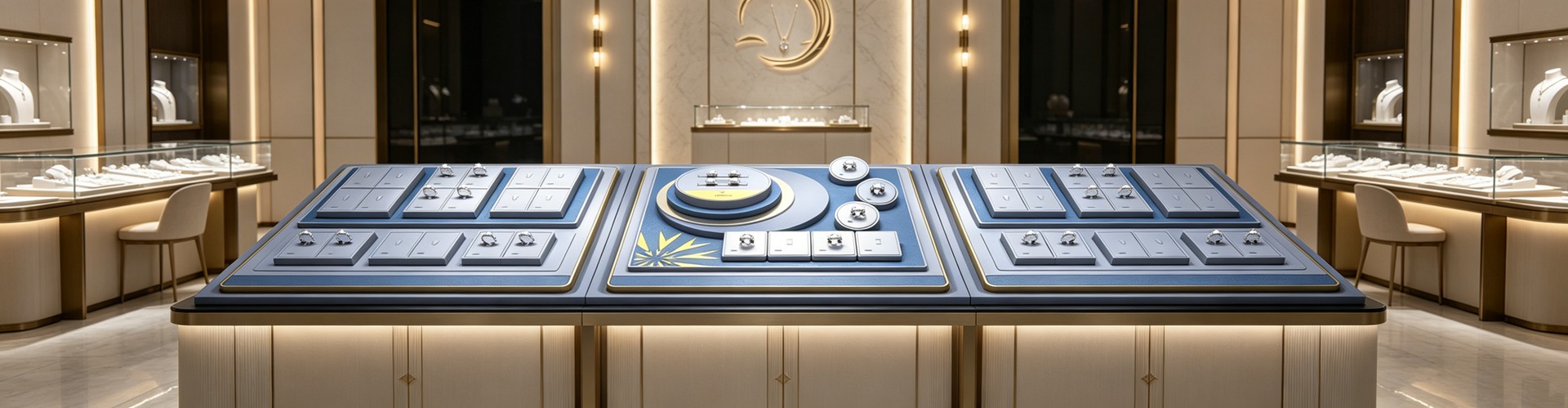 一件珠宝被买下之后,最先被触摸的往往不是金属,而是盒子。于是包装开始重写自己的脚本:再生纸质、可反复使用而不显旧的首饰袋、把证书做成可扫码的数字护照,正在取代繁复的烫金与一次性礼盒。柜台上的珠宝陈列道具与展示架,也不再只比谁的灯光更亮,而是比谁的留白更克制、谁的材质更耐久——因为当一件珠宝要被长期佩戴、被反复讲述,它的"舞台"也该经得起时间。电商把这种克制进一步放大:一个过度华丽或一压就瘪的盒子,可能成为被截图传播的反面教材,而一只经得起运输与岁月的盒子,本身就是一句低调的承诺。
对像深圳骏依美这样深耕珠宝盒定制与结构工艺的供应链伙伴而言,趋势的落点很具体:预算从花纹挪向公差,从"开箱好看一秒"转向"十年后还能体面地打开",这是一种与可持续同样苛刻的质量思维。一个经得起循环的盒子,本身就是可持续叙事的一部分。
下一个前沿,是把循环写进设计本身,而不是事后补救。越来越多工作室在动笔的第一稿,就把一件珠宝与它最终的回归一并勾勒:预留维修通道、把精炼再利用做成默认选项。长寿不再是一句口号,而是一条规格。
说到底,2026年的珠宝行业讲出的新语言并不复杂:最好的奢侈,是经得起追问的奢侈——追问它从哪里来,追问它是否还能回去。当品牌愿意把答案印在标签上,绿色,就不再是姿态,而是新的体面。
本文为原创内容,版权归深圳骏依美所有,转载请注明出处。
一件珠宝被买下之后,最先被触摸的往往不是金属,而是盒子。于是包装开始重写自己的脚本:再生纸质、可反复使用而不显旧的首饰袋、把证书做成可扫码的数字护照,正在取代繁复的烫金与一次性礼盒。柜台上的珠宝陈列道具与展示架,也不再只比谁的灯光更亮,而是比谁的留白更克制、谁的材质更耐久——因为当一件珠宝要被长期佩戴、被反复讲述,它的"舞台"也该经得起时间。电商把这种克制进一步放大:一个过度华丽或一压就瘪的盒子,可能成为被截图传播的反面教材,而一只经得起运输与岁月的盒子,本身就是一句低调的承诺。
对像深圳骏依美这样深耕珠宝盒定制与结构工艺的供应链伙伴而言,趋势的落点很具体:预算从花纹挪向公差,从"开箱好看一秒"转向"十年后还能体面地打开",这是一种与可持续同样苛刻的质量思维。一个经得起循环的盒子,本身就是可持续叙事的一部分。
下一个前沿,是把循环写进设计本身,而不是事后补救。越来越多工作室在动笔的第一稿,就把一件珠宝与它最终的回归一并勾勒:预留维修通道、把精炼再利用做成默认选项。长寿不再是一句口号,而是一条规格。
说到底,2026年的珠宝行业讲出的新语言并不复杂:最好的奢侈,是经得起追问的奢侈——追问它从哪里来,追问它是否还能回去。当品牌愿意把答案印在标签上,绿色,就不再是姿态,而是新的体面。
本文为原创内容,版权归深圳骏依美所有,转载请注明出处。
骏依美——让每一件珠宝与腕表,都被更好地呈现。
This is not a lone line in one report. Over the past year, "sustainability" has migrated from a moral footnote in CSR documents to a headline on the product page. It no longer says merely "we emitted a little less." It tells a whole new value story: where materials come from, whether they can be traced, whether they can be obtained without opening a new mine, and whether they can return to the loop when they are done. Buyers have started writing their values into every checkout.
The wallets behind this shift are younger than the industry is used to. Research indicates that among jewelry buyers under 40, the share treating sustainability as a deciding factor climbed from 42% in 2020 to roughly 68% by 2026. They may not pay a premium for morality, but they are increasingly unwilling to pay for opacity, a force quietly redrawing luxury's pricing coordinates.
The most concrete shift is in recycled metal. In FY2026, Chow Tai Fook raised the share of recycled gold in its total gold feed to 11.5%, with a clear roadmap to reach 27% by FY2029; its flagship JIAN collection already runs on 100% recycled gold. Seen across a longer arc, this is not one company's gesture but a category inflection point. Industry data shows recycled gold now supplies about 30% of global demand, roughly 1,370 tonnes in 2024, and the recycling rate for gold has reached 86%. In other words, most of the gold in circulation was already in the loop; it never disappeared, it merely changed form. Refining recycled metal uses up to 90% less energy than mining new material, and recycled gold is chemically identical to mined gold, which debunks any myth about inferior durability. The price gap that once separated the two has also narrowed, from a 10 to 15% premium a few years ago to roughly 5 to 8% today, as scale economics take hold. What was once a niche conscience purchase has become a default specification on the spec sheet, the quiet baseline every new collection is now measured against. Jewelry itself is the engine of this loop: old pieces provide the large majority of gold fed into global recycling, which means the ring you trade in today is quite literally tomorrow's responsibly sourced metal.
For brands, recycled gold matters beyond decarbonization. It is a narrative that can be quantified and verified: the ring on your finger might once have been a circuit board, a broken wedding band, or a necklace no one wore anymore. When the story of origin becomes measurable, the confidence of luxury shifts from "my mine is better" to "my loop is cleaner." It also reframes the bond between brand and buyer: the customer is no longer a passive recipient of a finished object but a participant in its circular story, invited to return old pieces through trade-in programs that now span thousands of stores.
A deeper change is happening at the level of trust. A Tracemark study found that 94% of consumers want proof of origin before buying, and more than 70% say traceability directly shapes their trust in a brand. De Beers, Cartier, and Tiffany have all invested in QR codes, blockchain, and digital passports; the EU and other regions are advancing rules that require jewelry brands to trace precious metals back to the mine or the lab. The World Gold Council puts it plainly: transparent supply chains are no longer optional, they are the ticket into the global market. A Tracemark-aligned finding shows buyers are increasingly willing to pay for verified ethics, and some brands report measurable sales lifts after adopting traceability technology. Transparency, in other words, has become a revenue lever rather than a compliance cost, another sign that the new language pays.
This means sustainability is moving from a bonus to a barrier. Ten years ago, an un-certified bar of gold could still sell. Today, a piece whose history cannot be told may struggle to reach the shelf at all. The first word in luxury's new language is "I can show you where I came from." The implication for marketing is uncomfortable: claims no longer sell on their own, they sell only when backed by an audit a customer can actually check.
The clearest footnote to this green turn is the lab-grown diamond. By late 2025, lab-grown stones accounted for about 56.8% of the US market for one-carat engagement rings. At equivalent quality, a one-carat high-grade lab diamond sells for roughly $280 to $320, while a natural diamond can top $7,000. The carbon gap is starker: about 4.8 kg of CO2 per carat for lab-grown versus roughly 160 kg for mined. Lower price, lower carbon, and chemically and optically almost identical, lab-grown bypasses the scarcity narrative of natural diamonds through ethics and value. Both GIA and IGI grade lab-grown stones on the same 4Cs as mined ones, and many show equal or better clarity because labs control every variable. For millennial and Gen Z bridal buyers, the decision is rarely about sparkle; it is about conscience and cost, two things this generation weighs before carat.
But the sober view matters. Lab-grown has not killed the luxury of natural diamonds. In the luxury market, natural stones still hold about 80% of sales; buyers there pay for geological history and inheritance. The market is bifurcating: ethical buyers move to lab-grown, traditional buyers turn to natural diamonds with full provenance. It is not one replacing the other; it is luxury learning, for the first time, to speak in two parallel grammars. The clever brands are no longer forced to choose a side; they tell both stories at once, pairing a traceable natural stone with a transparent, lower-impact setting, and let the customer decide which grammar fits the moment.
When sustainability becomes a selling point, what gets re-examined is far more than the metal. The first thing a buyer touches after a purchase is rarely the gold, it is the box. So packaging is rewriting its own script: recycled paper, reusable pouches that do not look tired after months, and certificates turned into scannable digital passports are replacing heavy foil and single-use gift boxes. On the counter, display props and showcases are no longer only competing on brightness; they compete on restraint and durability, because when a piece is meant to be worn for years and told about often, its stage should outlast the trend. The carbon logic extends to the package itself: a heavy lacquered box shipped once and discarded is a hidden cost, while a slim, recyclable case paired with a reusable pouch lowers the footprint of every order. Brands that publish their packaging footprint find it has entered the very conversation customers now expect, the box is no longer silent. E-commerce has sharpened the stakes: a package that arrives crushed, or extravagant in the wrong way, becomes a screenshot, and screenshots travel. The sustainable box is therefore also a reputational one, designed to photograph well while wasting little.
For supply-chain partners like Shenzhen Junyimei, who work deep in the craft of custom jewelry boxes and structural tolerances, the trend lands in concrete terms: budgets shift from ornament to tolerance, from "looks perfect for one second at opening" to "still opens with dignity ten years later," a discipline borrowed from the same quality thinking that sustainability demands. A box that survives the loop is, itself, part of the sustainability story. The lesson travels across categories: whatever the material, the question is the same, can this object and its container both come back?
Smaller studios may benefit most. Without legacy supply chains to defend, they can adopt recycled metal and open provenance from day one, turning transparency into a launch story rather than a retrofit. In a market where the new language rewards honesty, the newcomer often speaks it most fluently.
The next frontier is circularity as a design principle rather than an afterthought. A growing number of studios now sketch a piece and its eventual return together, building repair paths and refining options into the first draft. Longevity stops being a slogan and becomes a specification.
In the end, the new language the jewelry industry speaks in 2026 is not complicated: the best luxury is the luxury that can survive questioning, questioning where it came from, and whether it can go back. When a brand is willing to print the answer on the tag, green stops being a posture and becomes, simply, a new kind of dignity.
This is original content. Copyright belongs to Shenzhen Junyimei.Junyimei — present every jewel and timepiece at its best.2026年的珠宝行业报告里,出现了一个从前不会出现在头版的数字:在周大福集团最新发布的2026财年可持续发展报告中,黄金一项贡献了集团约59%的温室气体排放,是单一最大的碳来源;而世界黄金协会的研究显示,采用再生金制作的珠宝,其碳排放比使用新采矿金低出90%以上。当一家以黄金为核心资产的公司,开始用"碳"而不是用"克"来定义自己的产品,奢侈的语言,正在被悄悄改写。
这不是孤例。过去一年,"可持续"三个字从品牌社会责任报告里的道德注脚,一路前移到了产品页的主标题。它讲的不再只是"我们少排了一点",而是一整套新的价值叙事:材料从哪里来、能否被追溯、是否可以不靠新开矿就获得、用完之后能否回到循环。买家开始把价值观,写进每一次结账。
驱动这股转向的,是更年轻的钱包。研究显示,40岁以下的珠宝买家中,把可持续列为决策因素的占比,已从2020年的42%攀升至约68%。他们未必愿意为"道德"付高价,却越来越不愿意为"说不清"买单——这股力量,正在重写奢侈的定价坐标。
最直接的变量是再生金。周大福在2026财年把再生金在总金料中的占比做到了11.5%,并给出了清晰的路线图——2029财年达到27%;其旗舰系列已经采用100%再生金。放在更长的时间轴上,这不是一家公司的动作,而是品类的拐点。行业数据显示,回收金如今供应着全球约30%的黄金需求,2024年规模约1370吨;黄金本身的回收率已经达到86%。换句话说,市面上流通的金子,绝大部分早已在循环里——它从未"消失",只是换了形态。
对品牌而言,再生金的意义不只是减碳。它是一种可以讲得很清楚、也很容易被验证的叙事:你手腕上那枚戒指,可能来自一块旧主板、一枚断掉的婚戒、一条不再佩戴的项链。当"来源故事"变得可量化,奢侈的底气也从"我的矿更好",变成了"我的循环更干净"。它也重新定义了品牌与买家的关系:顾客不再是成品的被动接收者,而是循环故事的参与者,被邀请用覆盖数千家门店的以旧换新计划,把旧物送回起点。
比材料更根本的变化,发生在信任的层面。Tracemark一项研究指出,94%的消费者希望在购买前看到产地证明,超过70%的人表示,可追溯性直接影响他们对一个品牌的信任。于是戴比尔斯、卡地亚、蒂芙尼纷纷押注二维码、区块链与数字护照;欧盟等区域也在推进新规,要求珠宝品牌把贵金属追溯到矿场或实验室。世界黄金协会说得直白:透明供应链不再是可选项,而是进入全球市场的门票。
这意味着,"可持续"正在从加分项变成门槛。十年前,一块没有证书的金砖也能卖;今天,一件说不清来历的珠宝,可能连上架都困难。奢侈的新语言,第一个词就是"我来自哪里"。这对营销是种不适:口号不再自己卖货,只有当它背后站着顾客真正能查到的审计,才卖得动。
在这场绿色转向里,培育钻石是最容易被理解的注脚。到2025年底,培育钻已拿下美国一克拉订婚戒约56.8%的市场份额;同等品质下,一克拉高品质培育钻约280到320美元,而天然钻可以超过7000美元。更关键的是碳:一克拉培育钻排放约4.8公斤二氧化碳,天然钻约为160公斤。价格更低、碳更少、且化学与光学上几乎无差别——它用伦理与性价比,绕过了天然钻的稀缺叙事。
但也要清醒:培育钻并没有杀死天然钻的奢侈。在奢侈品市场,天然钻仍占约80%的份额,买家为的是地质历史与传承。市场正在分叉:伦理型消费者走向培育,传统型买家转向带完整产地脉络的天然钻。这不是谁取代谁,而是"奢侈"第一次有了两条平行的语法。聪明的品牌不再被迫选边,而是同时讲两个故事——把一颗可追溯的天然石,配上一套透明而低影响的镶嵌,让顾客自己决定此刻该用哪种语法。
当"可持续"变成一个卖点,被重新审视的,远不止金子本身。一件珠宝被买下之后,最先被触摸的往往不是金属,而是盒子。于是包装开始重写自己的脚本:再生纸质、可反复使用而不显旧的首饰袋、把证书做成可扫码的数字护照,正在取代繁复的烫金与一次性礼盒。柜台上的珠宝陈列道具与展示架,也不再只比谁的灯光更亮,而是比谁的留白更克制、谁的材质更耐久——因为当一件珠宝要被长期佩戴、被反复讲述,它的"舞台"也该经得起时间。电商把这种克制进一步放大:一个过度华丽或一压就瘪的盒子,可能成为被截图传播的反面教材,而一只经得起运输与岁月的盒子,本身就是一句低调的承诺。
对像深圳骏依美这样深耕珠宝盒定制与结构工艺的供应链伙伴而言,趋势的落点很具体:预算从花纹挪向公差,从"开箱好看一秒"转向"十年后还能体面地打开",这是一种与可持续同样苛刻的质量思维。一个经得起循环的盒子,本身就是可持续叙事的一部分。
下一个前沿,是把循环写进设计本身,而不是事后补救。越来越多工作室在动笔的第一稿,就把一件珠宝与它最终的回归一并勾勒:预留维修通道、把精炼再利用做成默认选项。长寿不再是一句口号,而是一条规格。
说到底,2026年的珠宝行业讲出的新语言并不复杂:最好的奢侈,是经得起追问的奢侈——追问它从哪里来,追问它是否还能回去。当品牌愿意把答案印在标签上,绿色,就不再是姿态,而是新的体面。
本文为原创内容,版权归深圳骏依美所有,转载请注明出处。骏依美——让每一件珠宝与腕表,都被更好地呈现。