The Art of Jewelry Unboxing: How Luxury Brands Convey Value Through Packaging Design in 2026珠宝包装的开箱美学:2026年高端品牌如何用包装设计传递价值
1. The Rise of Unboxing Economy: Jewelry Packaging Evolves from Accessory to Brand Asset
In the 2026 jewelry retail landscape, packaging is no longer a simple protective accessory but a crucial link in the brand value delivery chain. According to global luxury packaging market reports, the jewelry packaging market is projected to surpass $5.2 billion by the end of 2026, with a compound annual growth rate of 7.8%. Behind this data lies a profound shift in consumer psychology: today's consumers are paying not only for the product itself but for the entire shopping experience.
The unboxing experience has become a key touchpoint in brand marketing. On social media, short video content tagged with "jewelry unboxing" garners over 320 million monthly views, and users' willingness to spontaneously share their unboxing process has increased by 185% compared to three years ago. This means every unboxing can become free promotional material for the brand, or alternatively, the starting point of a reputation crisis. High-end jewelry brands are increasingly prioritizing the "camera-readiness" of packaging design—its visual impact and sense of ceremony when presented on camera.
From a brand asset perspective, packaging is the first physical touchpoint between consumers and the brand. A thoughtfully designed jewelry box can establish quality trust in the moment of opening, convey the brand story, and even influence consumers' perception of the jewelry's value. Research shows that premium packaging can elevate consumers' price perception of jewelry by 15% to 22%, an "anchoring effect" that is particularly pronounced in the luxury consumption sector.
2. Material Storytelling: How Touch Conveys the Value Code of Jewelry
In 2026 jewelry packaging design, material selection has evolved from purely functional considerations to an essential component of brand storytelling. Touch—the most easily overlooked sensory channel—is becoming the secret weapon for differentiation among high-end jewelry brands. When a consumer's fingertips touch the packaging surface, the first chapter of the brand story has already begun.
Velvet flocking materials remain the mainstream choice for jewelry box interiors, but their application is undergoing revolutionary changes. Traditional hand-feel velvet is being replaced by nano-level microfiber suede cloth, which retains the classic velvet touch while offering superior anti-static properties and scratch resistance. Some top-tier brands have begun adopting memory foam and velvet composite interior structures, making jewelry appear to float on clouds within the box, enhancing both protection and the ultimate luxury unboxing experience.
In terms of exterior materials, eco-friendly leather alternatives are gaining widespread attention. Bio-based leather made from pineapple leaf fibers and apple peel waste not only infinitely approaches natural leather in appearance and touch but also has overwhelming advantages in sustainability. The carbon footprint of this material is only 35% of traditional PU leather, and it is fully biodegradable. For high-end jewelry brands that value their environmental image, these innovative materials fulfill environmental commitments without sacrificing luxury texture.
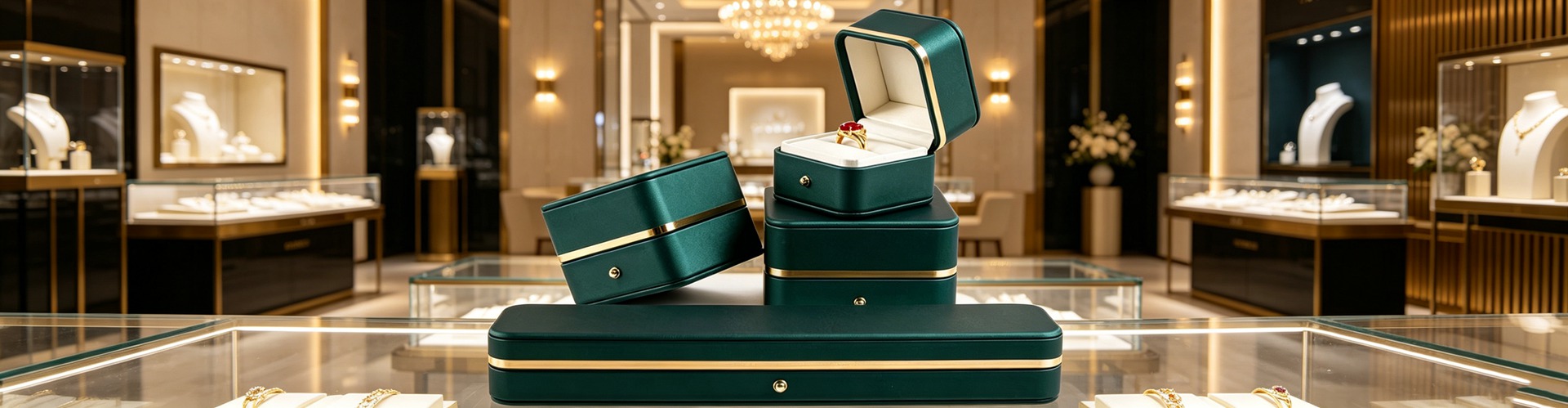
3. The Science of Structural Design: Balancing Protection and Ceremony
Jewelry packaging structural design is a precise science that must find the perfect balance between physical protection and psychological ceremony. The 2026 packaging structure design trend presents a paradoxical unity of "subtractive aesthetics" and "functional layering": external forms are increasingly minimalist, while internal structures are increasingly complex and precise.
In protective design, multi-layer cushioning structures have become standard. High-end jewelry boxes typically employ a three-tier protection system of "hard shell–soft cushion–suspension": the outermost layer is a high-density rigid shell that resists compression and impact during transportation; the middle layer is custom-molded EVA or silicone cushioning that precisely matches the jewelry contour to prevent displacement and friction; the innermost layer is a soft velvet contact layer that directly protects the jewelry surface. This three-tier protection system can reduce transportation damage rates to below 0.3%, far below the industry average of 2.1%.
Ceremonial design is the biggest highlight of 2026 packaging structure innovation. Magnetic flip-cover designs have replaced traditional snap-lock structures, and the "click" sound and resistance when opening create just the right sense of ceremony. Some brands have introduced "progressive unboxing" designs—consumers need to complete two or three steps before seeing the jewelry, with each step featuring visual surprises such as hidden message cards, brand story inserts, or fragrance-release devices. This design philosophy stems from the "delayed gratification" theory in psychology, amplifying the ultimate surprise by extending the anticipation period.
Anti-theft features are also integrated into structural design. RFID chips embedded in packaging enable full-chain tracking during logistics and work with anti-theft systems at retail terminals. Some premium packaging also incorporates NFC near-field communication chips, allowing consumers to verify product authenticity, view care recommendations, or access brand story pages by tapping their phones on the packaging, extending the physical packaging into a digital experience portal.
4. Sustainable Luxury: The Fusion of Eco-Friendly Materials and Premium Experience
Sustainability has evolved from a marketing slogan to a hard requirement for the jewelry packaging industry in 2026. The revised EU Packaging and Packaging Waste Regulation (PPWR), which took effect in January 2026, imposes strict standards on recyclability, biodegradability, and recycled material content for luxury packaging. This regulation affects not only the European market but also drives global jewelry packaging green transformation through supply chain transmission effects.
FSC-certified paper has become the baseline for jewelry packaging, while innovative materials represent a higher environmental aspiration. Mushroom mycelium packaging material—biodegradable cushioning material formed by cultivating fungal mycelium on agricultural waste—has achieved breakthrough applications in jewelry packaging. This material matches the performance of traditional EPS foam but degrades completely in natural environments within 30 days, with a production carbon footprint only one-tenth that of EPS.
The circular packaging concept has also taken root in the jewelry industry. Some pioneer brands have launched "packaging recycling programs," where consumers receive discount incentives for future purchases by returning empty jewelry boxes to stores. After professional processing, recovered packaging enters the paper recycling stream for shells, metal components are remelted and recast, and velvet interiors are disinfected for non-contact product packaging. This closed-loop model not only reduces packaging waste but also strengthens the interactive bond between consumers and brands.
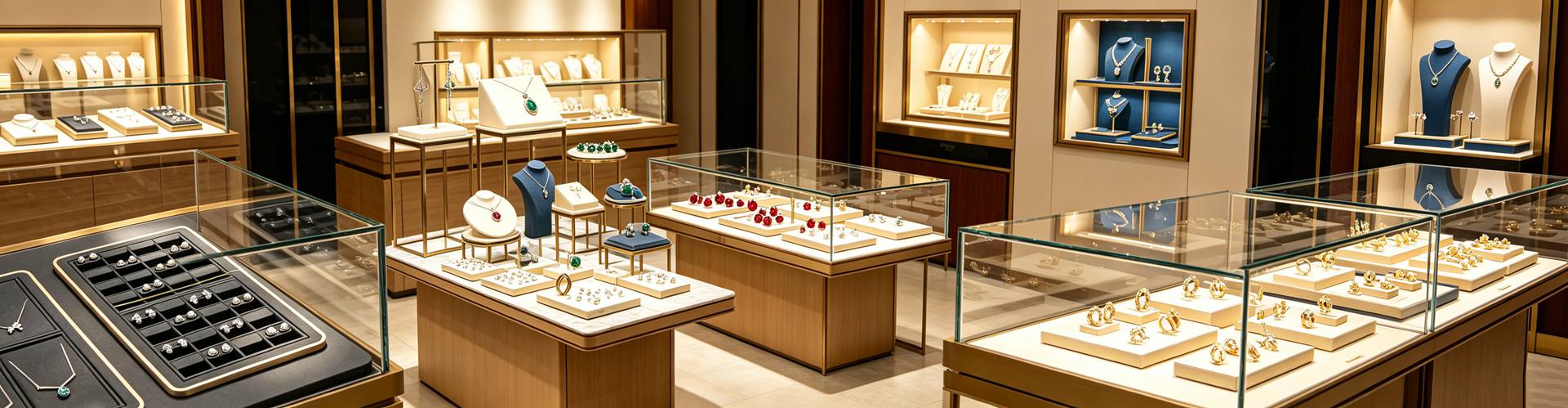
5. The Customization Wave: From Universal Packaging to Personalized Unboxing Experiences
In 2026, customization has evolved from an exclusive service of high-end brands to an industry standard. Consumers are no longer satisfied with cookie-cutter standard packaging; they expect each unboxing to be a unique personal experience. This demand has driven the jewelry packaging industry's transformation from mass standardized production to flexible custom manufacturing.
The maturation of digital printing technology has made small-batch custom packaging feasible. UV inkjet printing technology enables high-precision full-color printing on various material surfaces, with the cost of single-piece custom orders dropping to acceptable levels. Consumers can choose packaging colors, textures, foil stamping processes, and even upload personal photos or design patterns. Laser engraving technology can etch personalized text and patterns on metal nameplates, wooden shells, or leather surfaces, giving each piece of packaging a unique identity.
Emotional design is the soul of customized packaging. An increasing number of brands are incorporating "emotional triggers" into packaging—thank-you letters in handwritten style, QR code videos recording jewelry stories, and commemorative elements related to the purchase occasion (such as constellation patterns for proposal dates, miniature models of birthstones, etc.). These small details build deep emotional connections in consumers' hearts, transforming a purchase into a cherished memory.
Looking ahead, jewelry packaging will continue to seek breakthroughs between functionality and emotionality. Smart packaging, color-changing materials, bio-active packaging, and other cutting-edge technologies are moving from laboratories to commercialization. But regardless of technological evolution, the core of packaging design remains unchanged: at the moment of opening the box, making consumers feel the warmth of being valued, and amplifying the brilliance of jewelry to its fullest through ceremony. This is both the ultimate goal of jewelry packaging design and the design philosophy that Junyimei has always upheld.
This article is original content, copyrighted by Shenzhen Junyimei. Please indicate the source when reprinting.
Junyimei — Making every piece of jewelry and watch presented better. Specializing in jewelry boxes, jewelry display stands, watch display props. Shenzhen-owned factory, custom design supported. Inquiries welcome!
一、开箱经济崛起:珠宝包装从附属品到品牌资产
在2026年的珠宝零售格局中,包装已不再是简单的保护性附属品,而是品牌价值传递链中至关重要的一环。根据全球奢侈品包装市场报告,珠宝包装市场规模预计将在2026年底突破52亿美元,年复合增长率达到7.8%。这一数据背后折射出一个深刻的消费心理转变:当代消费者在购买珠宝时,不仅在为产品本身买单,更在为整个购物体验付费。
开箱体验(Unboxing Experience)已成为品牌营销的关键触点。社交媒体上,带有"珠宝开箱"标签的短视频内容月均播放量超过3.2亿次,用户自发分享开箱过程的意愿比三年前增长了185%。这意味着每一次开箱都可能成为品牌的免费传播素材,也可能成为口碑崩塌的起点。高端珠宝品牌越来越重视包装设计的"上镜性"——即在镜头前呈现出的视觉效果和仪式感。
从品牌资产的角度来看,包装是消费者接触品牌的第一个物理触点。一个精心设计的珠宝盒,能在打开的瞬间建立品质信任,传递品牌故事,甚至影响消费者对珠宝本身的价值感知。研究表明,优质包装能将消费者对珠宝的价格感知提升15%至22%,这种"锚定效应"在高端消费领域尤为显著。
二、材质叙事:触感如何传递珠宝的价值密码
2026年的珠宝包装设计中,材质选择已从单纯的功能性考量升级为品牌叙事的重要组成部分。触感——这一最容易被忽视的感官通道——正在成为高端珠宝品牌差异化竞争的秘密武器。当消费者的指尖触碰到包装表面时,品牌故事的第一章就已经开始书写。
velvet绒面材质仍然是珠宝盒内衬的主流选择,但其应用方式正在发生革命性变化。传统的手感天鹅绒正在被纳米级超细纤维绒布取代,这种新材料在保留经典丝绒触感的同时,具备更好的抗静电性能和防刮擦能力。部分顶级品牌开始采用记忆海绵与丝绒复合的内衬结构,使珠宝在盒中如同悬浮于云端,既增强了保护性,又营造出极致奢华的开箱感受。
外部材质方面,环保皮革替代品正在获得广泛关注。以菠萝叶纤维和苹果皮废料为原料的生物基皮革,不仅在外观和触感上无限接近天然皮革,更在可持续性方面具有压倒性优势。这种材料的碳足迹仅为传统PU皮革的35%,且完全可降解。对于注重环保形象的高端珠宝品牌而言,这类创新材质既满足了环保承诺,又不牺牲奢华质感。
三、结构设计的科学:保护性与仪式感的平衡
珠宝包装的结构设计是一门精密的科学,它需要在物理保护性和心理仪式感之间找到完美的平衡点。2026年的包装结构设计趋势呈现出"减法美学"与"功能叠加"并存的矛盾统一:外在形态越来越简约,内在结构却越来越复杂精密。
在保护性设计方面,多层缓冲结构已成为标准配置。高端珠宝盒通常采用"硬壳-软垫-悬浮"三级保护体系:最外层是高密度硬质壳体,抵御运输过程中的挤压和冲击;中间层是定制成型的EVA或硅胶缓冲垫,精确匹配珠宝轮廓,防止位移和摩擦;最内层是柔软的绒面接触层,直接呵护珠宝表面。这种三级保护体系能将运输破损率降低至0.3%以下,远低于行业平均的2.1%。
仪式感设计是2026年包装结构创新的最大亮点。磁吸式翻盖设计取代了传统的卡扣结构,打开时的"咔嗒"声和阻尼感营造出恰到好处的仪式感。部分品牌引入了"渐进式开箱"设计——消费者需要完成两到三个步骤才能看到珠宝,每一步都设置了视觉惊喜,如隐藏的信息卡片、品牌故事折页或香气缓释装置。这种设计理念源自心理学中的"延迟满足"理论,通过延长期待时间来放大最终的惊喜感。
结构设计中还融入了防盗功能。RFID芯片嵌入包装内部,既能在物流环节实现全程追踪,又能在零售终端配合防盗系统使用。部分高端包装还集成了NFC近场通信芯片,消费者用手机触碰包装即可验证产品真伪、查看保养建议或跳转品牌故事页面,将实体包装延伸为数字化体验入口。
四、可持续奢华:环保材料与高端体验的融合之路
可持续性已从营销口号转变为2026年珠宝包装行业的硬性要求。欧盟《包装与包装废物法规》(PPWR)修订版于2026年1月正式生效,对奢侈品包装的可回收率、可降解性和再生材料含量提出了严格标准。这一法规不仅影响欧洲市场,更通过供应链传导效应推动了全球珠宝包装的绿色转型。
FSC认证纸张已成为珠宝包装的基本门槛,而创新材料的运用则代表了更高的环保追求。蘑菇菌丝体包装材料——利用农业废弃物培养真菌菌丝体形成的生物可降解缓冲材料——在珠宝包装领域取得了突破性应用。这种材料在性能上可媲美传统EPS泡沫塑料,但在自然环境中可在30天内完全降解,且生产过程的碳排放仅为EPS的十分之一。
循环包装理念也在珠宝行业落地生根。部分先锋品牌推出了"包装回收计划",消费者将空珠宝盒送回门店即可获得下次购买的折扣优惠。回收的包装经过专业处理后,外壳材料进入纸制品再生流程,金属配件回炉重铸,绒面内衬经过消毒后可用于非接触性产品包装。这种闭环模式不仅减少了包装废弃物,还增强了消费者与品牌之间的互动粘性。
五、定制化浪潮:从通用包装到个性化开箱体验
2026年,定制化已从高端品牌的专属服务演变为行业标配。消费者不再满足于千篇一律的标准包装,他们期望每一次开箱都是独一无二的个人体验。这种需求推动了珠宝包装行业从大规模标准化生产向柔性定制制造的转型。
数字化印刷技术的成熟使得小批量定制包装成为可能。UV喷墨印刷技术能在各类材质表面实现高精度全彩印刷,单件起订的定制成本已降至可接受范围。消费者可以选择包装颜色、纹理、烫印工艺,甚至上传个人照片或设计图案。激光雕刻技术则能在金属铭牌、木质外壳或皮质表面刻制个性化文字和图案,赋予每件包装独特的身份标识。
情感化设计是定制化包装的灵魂。越来越多的品牌在包装中融入"情感触发器"——手写风格的感谢信、记录珠宝故事的二维码视频、与购买场景相关的纪念元素(如求婚日期的星座图案、生辰石的微缩模型等)。这些细节虽小,却能在消费者心中建立起深层的情感连接,将一次购买行为转化为一段值得珍藏的记忆。
展望未来,珠宝包装将继续在功能性与情感性之间寻求突破。智能包装、可变色材料、生物活性包装等前沿技术正在实验室中走向商业化。但无论技术如何演进,包装设计的核心始终不变:在打开盒子的那一刻,让消费者感受到被珍视的温暖,让珠宝的光芒在仪式感中被放大到极致。这既是珠宝包装设计的终极目标,也是骏依美始终坚守的设计哲学。
本文为原创内容,版权归深圳骏依美所有,转载请注明出处。
骏依美——让每一件珠宝与腕表,都被更好地呈现。专注珠宝盒、首饰盒、珠宝陈列架、手表陈列道具等包装产品的设计与生产,深圳自有工厂,支持来图定制打样,欢迎咨询合作!