Modern Revival of Intangible Heritage Filigree Craft and Jewelry Display Aesthetics非遗花丝工艺的现代复兴与珠宝陈列美学革新
1. Filigree Inlay: The Modern Rebirth of a Millennium-Old Craft
Filigree inlay, a metalworking technique originating from the Shang and Zhou dynasties and maturing during the Tang and Song, is hailed as the foremost of the "Eight Imperial Crafts of Beijing." Artisans draw gold and silver into threads as fine as hair, then weave them into exquisite patterns through eight processes: twisting, filling, assembling, soldering, stacking, building, weaving, and braiding. Each filigree piece requires hundreds of hours of manual labor, with wire diameters as thin as 0.06 millimeters, finer than a human hair. This extraordinary precision made it the signature technique of Chinese imperial jewelry.
Entering 2026, filigree inlay is experiencing an unprecedented modern revival. The aesthetic fatigue of younger consumers with mass-produced jewelry has fueled a strong desire for handmade warmth and cultural depth. Several international jewelry brands have incorporated filigree elements into their 2026 spring-summer collections, blending traditional wirework techniques with modern geometric forms to give ancient craftsmanship a fresh visual language. Emerging Chinese designer brands have also made filigree their core narrative, drawing attention at international exhibitions in Milan and Paris, marking the global resonance of Eastern craft aesthetics.
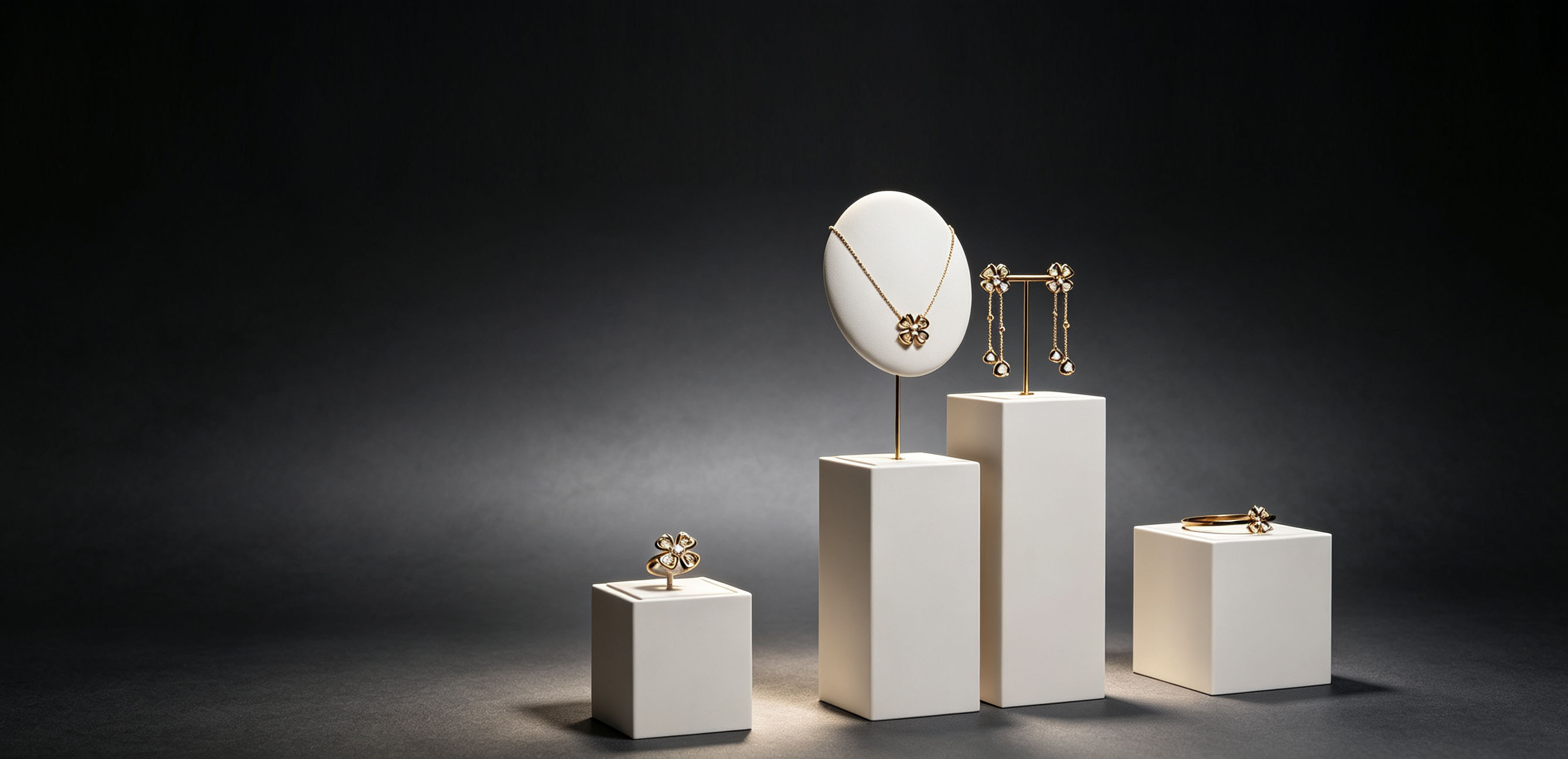
2. Enamel and Cloisonne: Contemporary Interpretation of Color Craftsmanship
Alongside filigree inlay are the fire-enamel and cloisonne techniques. Fire enamel, also known as transparent enamel, involves applying glass glaze onto a metal substrate and firing it at high temperatures to form a transparent or translucent color layer. When light passes through the glaze, the underlying metal pattern emerges subtly, creating unique light-and-shadow depth. Cloisonne, an opaque wire-inlay enamel, features rich and saturated colors with strong decorative appeal. Both crafts reached their zenith in the Qing imperial court, forming a distinctive Eastern color aesthetics system.
Contemporary jewelry designers are reinterpreting these traditional color crafts. No longer confined to traditional dragon-phoenix and floral motifs, a new generation of creators applies fire-enamel techniques to abstract geometric, minimalist, and even cyberpunk-style designs. The combination of transparent enamel with titanium has opened up unprecedented color expressiveness—the iridescence of anodized titanium complements the warm luster of enamel, creating dreamlike visual layers. This creative dialogue between past and present infuses traditional crafts with youthful fashion sensibility.
3. Market Value Reassessment of Traditional Craft Jewelry
As consumers deepen their appreciation for cultural added value, the market value of traditional craft jewelry is being reassessed. In the first half of 2026, domestic intangible heritage craft jewelry sales grew by over 35% year-on-year, far exceeding the overall jewelry market growth rate. The per-piece average price of filigree inlay and enamel craft jewelry is generally 2 to 3 times higher than mass-produced items of the same material, yet market acceptance continues to rise. This trend reflects a new direction in consumption upgrading: consumers are no longer paying solely for materials and brand premiums, but increasingly valuing craft uniqueness, cultural narrative, and emotional resonance.
The auction market similarly confirms this value reassessment trend. In the 2026 spring auctions, multiple contemporary filigree works sold at prices far exceeding estimates, indicating that the collecting community's recognition of modern intangible heritage craft jewelry has significantly increased. Meanwhile, secondary market activity has also driven the refinement of primary market pricing systems. Traditional craft jewelry is transitioning from "handicraft" to "artwork" positioning, placing higher demands on jewelry brands' craft reserves and design capabilities.
4. Display Aesthetics and Packaging Innovation for Craft Jewelry
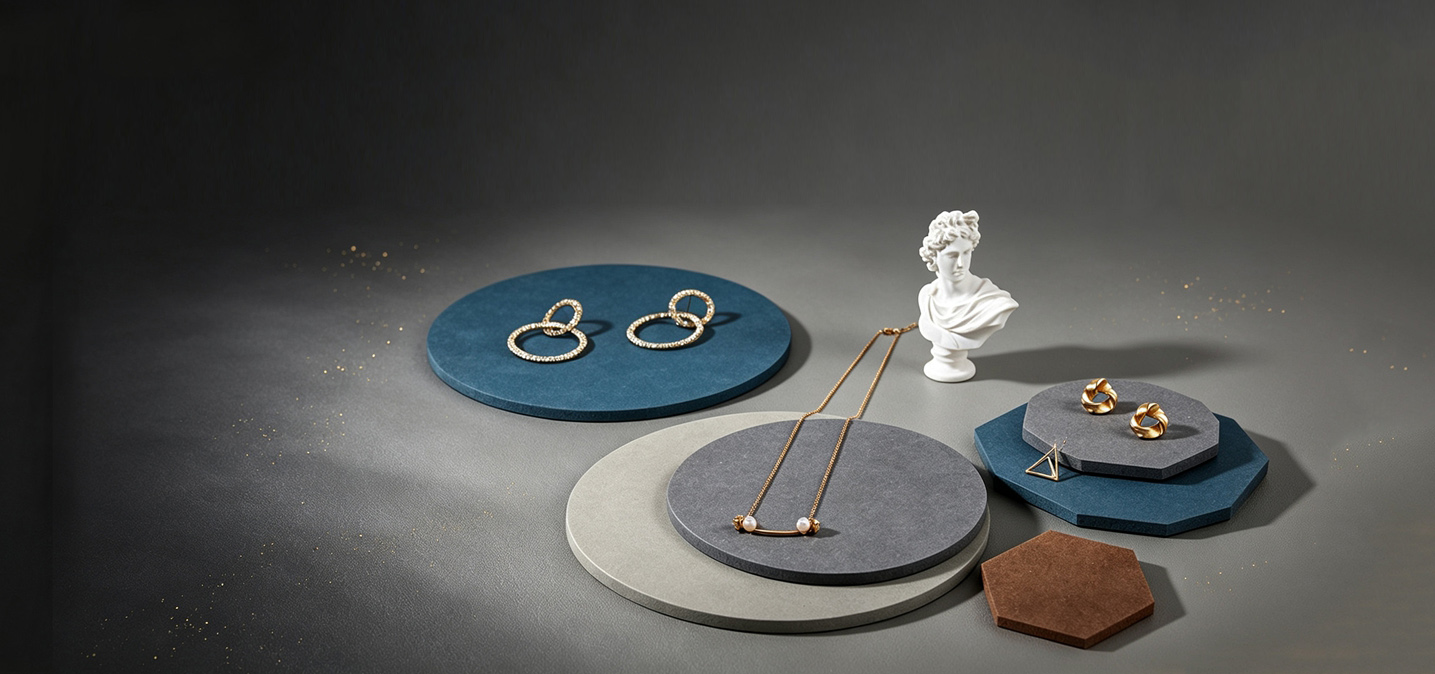
The revival of traditional craft jewelry has not only changed product design but also profoundly influenced retail space display concepts. The visual focus of filigree works lies in the fine texture and layered structure of the wires, requiring more sophisticated lighting design in jewelry display stands. Professional jewelry props need to provide multi-angle supplementary lighting and magnified viewing conditions, allowing consumers to appreciate handmade details up close. For enamel and cloisonne works, the display environment must control color temperature to accurately render glaze hues, preventing warm-light color deviation from affecting color judgment.
Packaging is also undergoing aesthetic innovation. The requirements for jewelry boxes in traditional craft jewelry extend beyond protection to become a vehicle for brand narrative. An increasing number of brands adopt jewelry pouch and jewelry box designs that echo the craft of the piece—filigree works paired with dark velvet-lined jewelry boxes create an imperial sense of prestige; enamel works matched with light-colored minimalist jewelry boxes use pure backgrounds to highlight color beauty. This collaborative design between jewelry packaging and the pieces themselves reflects the deep implementation of design and customization concepts at the retail terminal, bringing high-end and customized new demands to the jewelry box wholesale market.
5. Heritage and Innovation Driven by Cultural Confidence
The revival of intangible heritage craft jewelry is essentially a concrete expression of cultural confidence in the consumer domain. Young consumers' growing identification with traditional cultural symbols means they are willing to pay premiums for products imbued with cultural genes, providing sustainable commercial momentum for craft heritage. Multiple local governments have introduced special support policies, establishing training mechanisms for intangible heritage craft inheritors and encouraging school-enterprise collaboration in craft research, forming a complete chain from talent cultivation to product commercialization.
Looking ahead, the fusion of traditional craft and modern technology will open up more possibilities. 3D printing technology assisting filigree substrate production, AI algorithms aiding pattern design, and the establishment of digitalized craft archives are all improving the production efficiency and transmission precision of traditional crafts. But technology remains a tool—handmade warmth and cultural soul are the core competitiveness of intangible heritage jewelry. In the design of jewelry display stands and watch display props, how to balance technical precision with humanistic warmth will be an ongoing proposition for brands to explore. This craft revival concerns not only the upgrading of the jewelry industry but also represents an important step in the repositioning of Eastern aesthetics within the global cultural landscape.
This article is original content, copyrighted by Shenzhen Junyimei. Please indicate the source when reprinting.
Junyimei — Making every piece of jewelry and watch presented better. Specializing in jewelry boxes, jewelry display stands, watch display props. Shenzhen-owned factory, custom design supported. Inquiries welcome!
一、花丝镶嵌:千年工艺的现代重生
花丝镶嵌,这项源自商周、成熟于唐宋的金属细工技艺,被誉为"燕京八绝"之首。匠人将金银拉成细如发丝的丝线,再通过掐、填、攒、焊、堆、垒、织、编八道工序,编织出精美绝伦的纹样。每一件花丝作品都需要数百小时的手工劳作,丝径最细可达0.06毫米,比人类头发还要纤细。这种极致的工艺精度,使其成为中国宫廷珠宝的代表性技法。
进入2026年,花丝镶嵌正经历一场前所未有的现代复兴。年轻一代消费者对机械量产珠宝的审美疲劳,催生了对手工温度与文化深度的强烈渴求。多个国际珠宝品牌在2026春夏系列中引入花丝元素,将传统掐丝工艺与现代几何造型相融合,赋予古老技艺全新的视觉语言。国内新锐设计师品牌也纷纷以花丝为核心叙事,在米兰、巴黎等国际展会上引发关注,标志着东方工艺美学的全球回响。
二、烧蓝与珐琅:色彩工艺的当代演绎
与花丝镶嵌相伴而生的,是烧蓝与珐琅工艺。烧蓝又称透明珐琅,是在金属胎体上填涂玻璃釉料,经高温烧制形成透明或半透明的色彩层。当光线穿透釉面,金属底纹若隐若现,呈现出独特的光影层次。景泰蓝则属于不透明掐丝珐琅,色彩浓烈饱满,具有强烈的装饰性。这两种工艺在清代宫廷中达到巅峰,形成了独特的东方色彩美学体系。
当代珠宝设计师正在重新诠释这些传统色彩工艺。不再局限于传统的龙凤花卉图案,新一代创作者将烧蓝技法应用于抽象几何、极简线条甚至赛博朋克风格的设计中。透明珐琅与钛金属的结合,开创了前所未有的色彩表现力——钛金属阳极氧化后的虹彩与珐琅的温润光泽相互映衬,营造出梦幻般的视觉层次。这种古今对话的创作方式,让传统工艺焕发出年轻的时尚气质。
三、传统工艺珠宝的市场价值重估
随着消费者对文化附加值认知的提升,传统工艺珠宝的市场价值正在被重新评估。2026年上半年,国内非遗工艺珠宝销售额同比增长超过35%,远高于整体珠宝市场的增速。花丝镶嵌、烧蓝珐琅等工艺珠宝的单件均价普遍高于同材质的量产产品2至3倍,但市场接受度持续走高。这一趋势反映了消费升级的新方向:消费者不再仅仅为材料和品牌溢价买单,而是越来越重视工艺独特性、文化叙事和情感共鸣。
拍卖市场同样印证了这一价值重估趋势。2026年春季拍卖中,多件当代花丝镶嵌作品以远超估价的价格成交,表明收藏界对现代非遗工艺珠宝的认可度显著提升。与此同时,二级市场的活跃也带动了一级市场定价体系的完善,传统工艺珠宝正在从"工艺品"向"艺术品"的定位转变,这对珠宝品牌的工艺储备和设计能力提出了更高要求。
四、工艺珠宝的陈列美学与包装革新
传统工艺珠宝的复兴不仅改变了产品设计,也深刻影响了零售空间的陈列理念。花丝镶嵌作品的视觉重点在于丝线的精微肌理与层次结构,这要求珠宝陈列架在灯光设计上更加考究。专业的珠宝道具需要提供多角度补光和放大观察的条件,让消费者能够近距离感受手工细节的魅力。针对珐琅烧蓝类作品,陈列环境需控制色温以准确还原釉面色相,避免暖光偏色影响色彩判断。
包装层面同样在经历美学革新。传统工艺珠宝对首饰盒的要求不再局限于保护功能,而是延伸为品牌叙事的载体。越来越多品牌采用与作品工艺呼应的首饰袋和珠宝盒设计——花丝作品配以丝绒内衬的深色珠宝盒,营造宫廷般的尊贵感;珐琅作品则搭配浅色简约的首饰盒,以纯净背景衬托色彩之美。这种珠宝包装与作品本身的协同设计,体现了设计与定制理念在零售终端的深度落地,也为珠宝盒批发市场带来了高端化、定制化的新需求。
五、文化自信驱动下的传承与创新
非遗工艺珠宝的复兴,本质上是文化自信在消费领域的具象表达。年轻消费者对传统文化符号的认同感日益增强,他们愿意为蕴含文化基因的产品支付溢价,这为工艺传承提供了可持续的商业动力。多个地方政府出台专项扶持政策,建立非遗工艺传承人培养机制,鼓励校企合作开展工艺研发,形成了从人才培养到产品商业化的完整链条。
展望未来,传统工艺与现代科技的融合将开辟更多可能性。3D打印技术辅助花丝胎体制作、AI算法辅助纹样设计、数字化工艺档案的建立,都在提高传统工艺的生产效率和传承精度。但技术始终是工具,手工温度和文化灵魂才是非遗珠宝的核心竞争力。在珠宝摆台和手表陈列道具的设计中,如何平衡技术精度与人文温度,将是品牌持续探索的命题。这场工艺复兴不仅关乎珠宝产业的升级,更是东方美学在全球文化版图中重新定位的重要一步。
本文为原创内容,版权归深圳骏依美所有,转载请注明出处。
骏依美——让每一件珠宝与腕表,都被更好地呈现。专注珠宝盒、首饰盒、珠宝陈列架、手表陈列道具等包装产品的设计与生产,深圳自有工厂,支持来图定制打样,欢迎咨询合作!