The Art of Matching Custom Jewelry Pouches and Display Tables: Making Brands Stand Out at the Counter定制珠宝袋与摆台的搭配之道:让品牌在柜台脱颖而出
In jewelry retail terminals, product quality is only the foundation; what truly determines conversion rates is the overall presentation effect on the counter. A carefully designed display table paired with a premium storage solution can instantly capture customers attention, while the matching jewelry pouch adds the perfect finishing touch to the post-purchase experience. From display to storage to carrying, this complete packaging chain is the core differentiator for brands.
I. Display Table Design: The Visual Anchor
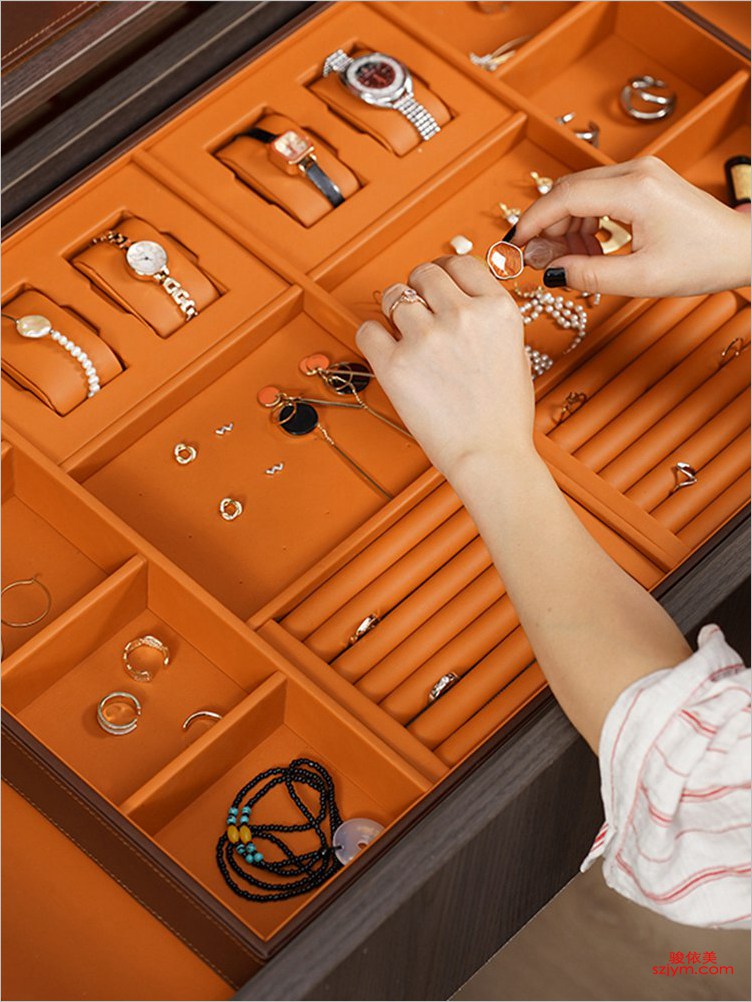
The display table is the most direct visual anchor in a jewelry counter. A good display table design needs to comprehensively consider three dimensions: product characteristics, counter space, and brand identity. For ring products, a low tray-style display allows customers to get the best viewing angle from above; for necklace products, a vertical display with some height is needed to showcase the drape of the chain. In material selection, dark velvet paired with gold metal accessories is a classic combination that both complements the luster of jewelry and conveys premium positioning. The popular acrylic and wood hybrid approach in recent years is more suitable for youthful, fashion-oriented brand positioning.
Regardless of material choice, the cleaning and maintenance of display tables is a crucial aspect. Velvet materials are prone to dust accumulation and require regular cleaning with professional tools; acrylic materials easily scratch and should be wiped with microfiber cloth rather than ordinary paper towels. These seemingly trivial care details actually directly affect the lasting beauty of the counter in daily operations and indirectly reflect the brand dedication to quality.
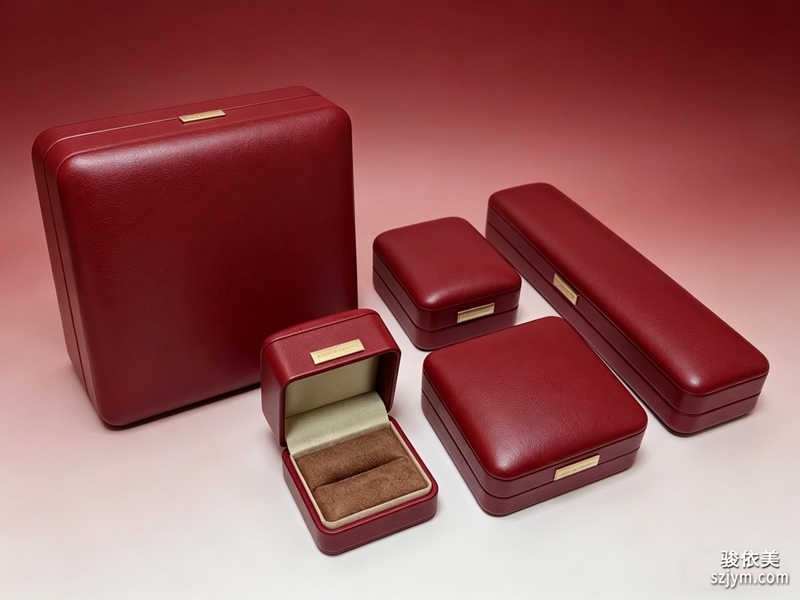
II. Jewelry Pouches: The Underestimated Brand Touchpoint
In the entire packaging system, jewelry pouches are often the most easily overlooked element. Many brands allocate most of their budget to boxes and display props, yet use a simple plastic bag to carry away valuable jewelry. This gap not only weakens the sense of purchase ceremony but also misses a high-frequency brand exposure opportunity. A quality jewelry pouch should maintain consistency with the brand overall packaging style. In terms of materials, microfiber leather and satin fabrics are two mainstream directions — the former suits a business-oriented, stable brand identity, while the latter is more appropriate for romantic and elegant jewelry styles.
In structural design, the magnetic clasp or drawstring opening of the pouch not only affects ease of use but also relates to product protection during transport. Additionally, the branding technique on the front of the pouch — whether hot stamping, embossing, or silk screening — should be consistent with the outer box. A well-designed pouch continues to convey brand information during daily use after the customer leaves the store, and its advertising value far exceeds the cost of one-time packaging.
III. Supply Chain Selection: The Value of Professional Specialization
Once a brand determines the overall packaging direction, selecting the right supplier becomes a critical execution step. A mature Shenzhen jewelry packaging factory can not only provide full-process services from design to production but also offer professional advice on material procurement, craftsmanship matching, and quality control. Especially during the small-batch customization phase, the factory sampling capability and rapid response speed often determine the product launch timeline. For emerging brands, finding a supplier that can match the iteration pace is more strategically significant than pursuing the lowest unit price.
As a professional supplier in the industry, Junyimei Jewelry Packaging has accumulated rich practical experience in the field of custom jewelry packaging. From initial requirement communication and design confirmation, through material selection and craftsmanship sampling, to final mass production, quality inspection, and logistics delivery, the standardized full-chain process can effectively reduce communication costs and management risks for brands. Whether it is deep customization of a single category or systematic integration of multiple categories, matching solutions can be provided.
IV. From Individual Items to Systems: Systematic Packaging Thinking
With intensifying competition among jewelry brands, more brand owners are realizing that packaging should not be a collection of individually purchased items but a complete visual system. From counter display props to post-purchase storage boxes, from carrying pouches to gift-scenario shopping bags, every element needs to maintain a high degree of consistency in material, color, craftsmanship, and brand elements. This systematic packaging thinking not only enhances the brand overall image but also brings economies of scale in cost control.
When packaging across multiple categories is designed and produced by the same supplier, material utilization is higher, craftsmanship consistency is better, and delivery cycles are more controllable. For jewelry brands pursuing long-term development, finding a packaging partner that understands the brand concept and possesses full-category production capabilities is an important step in building terminal competitiveness. The value of packaging lies not only in protecting products but also in reinforcing the brand position in consumers minds through every touchpoint.
This article is originally published by Junyimei, specializing in jewelry boxes, jewelry display props, watch display stands, and jewelry packaging production and design.
Junyimei: 21 years of expertise in jewelry boxes, custom display props. Inquire now!
在珠宝零售终端,产品本身的品质只是基础,真正决定成交率的往往是柜台上的整体呈现效果。一个精心设计的首饰摆台搭配上质感出众的收纳方案,能够在瞬间抓住顾客的目光,而与之配套的珠宝袋则为购买后的体验画上完美句号。从展示到收纳再到携带,这条完整的包装链条正是品牌差异化的核心竞争力。
一、摆台设计:柜台的视觉锚点
摆台是珠宝柜台中最直接的视觉锚点。一个好的摆台设计需要综合考虑产品特性、柜台空间和品牌调性三个维度。对于戒指类产品,低矮的托盘式摆台能让顾客俯视时获得最佳视角;对于项链类产品,则需要有一定高度的立式展示来展现链条的垂坠感。材质选择上,深色天鹅绒搭配金色金属配件是经典组合,既能衬托珠宝的光泽,又传递出高端定位。而近年来流行的亚克力与木质混搭方案,则更适合年轻化、时尚化的品牌定位。
无论选择何种材质,摆台的清洁维护也是不可忽视的环节。绒面材料容易积灰,需要定期用专业工具清理;亚克力材质容易产生划痕,擦拭时应使用超细纤维布而非普通纸巾。这些看似琐碎的养护细节,实际上直接影响着柜台在日常运营中的持久美观度,也间接反映了品牌对品质的执着态度。
二、珠宝袋:被低估的品牌触点
在整套包装体系中,珠宝袋往往是最容易被忽视的环节。很多品牌将大部分预算投入到盒子和展示道具上,却用一只简陋的塑料袋来装走价值不菲的珠宝。这种落差不仅削弱了购买仪式感,更错失了一个高频的品牌曝光机会。一只优质的珠宝袋应当与品牌整体包装风格保持一致,材质上,超纤皮和缎面织物是两个主流方向——前者适合商务沉稳的品牌调性,后者则更适合浪漫优雅的珠宝风格。
在结构设计上,袋口的磁扣或抽绳方式不仅影响使用便利性,也关系到运输途中对产品的保护效果。此外,袋身正面的品牌标识工艺——无论是烫金、压花还是丝印——都应该与外盒保持统一。一只设计精良的收纳袋,在顾客离开门店后的日常使用中仍然持续传递着品牌信息,其广告价值远超一次性包装的成本投入。
三、供应链选择:专业分工的价值
当品牌确定了包装的整体方向后,选择合适的供应商就成为了关键执行环节。一个成熟的深圳珠宝包装厂不仅能够提供从设计到生产的全流程服务,还能在材料采购、工艺匹配和品质管控上提供专业建议。尤其是在小批量定制阶段,工厂的打样能力和快速响应速度往往决定了产品上市的节奏。对于初创品牌而言,找到一家能够配合迭代节奏的供应商,比追求最低单价更有战略意义。
骏依美首饰包装作为行业内的专业供应商,在珠宝包装定制领域积累了丰富的实战经验。从前期的需求沟通、设计稿确认,到中期的材料选型、工艺打样,再到后期的批量生产、品质检验和物流配送,全链条的标准化流程能够有效降低品牌方的沟通成本和管理风险。无论是单品类深度定制还是多品类系统整合,都能提供匹配的解决方案。
四、从单品到体系:系统化包装思维
随着珠宝品牌竞争的加剧,越来越多的品牌主开始意识到,包装不应是零散采购的单品组合,而应该是一套完整的视觉体系。从柜台的展示道具到购买后的收纳盒,从携带用的首饰袋到礼品场景的手提袋,每一个环节都需要在材质、色彩、工艺和品牌元素上保持高度统一。这种系统化的包装思维不仅提升了品牌的整体形象,还能在成本控制上带来规模效应。
当多个品类的包装由同一家供应商统一设计和生产时,材料利用率更高、工艺一致性更好、交付周期也更可控。对于追求长期发展的珠宝品牌而言,找到一家能够理解品牌理念、具备全品类生产能力的包装合作伙伴,是构建终端竞争力的重要一步。包装的价值不仅在于保护产品,更在于通过每一次触点强化品牌在消费者心中的位置。
本文由骏依美原创发布,专注于珠宝盒、首饰盒、珠宝陈列道具、手表陈列架、珠宝包装生产及设计领域。
骏依美21年专注珠宝盒、首饰盒定制、珠宝陈列道具设计生产,欢迎咨询定制!