The Aesthetics of Detail in Jewelry Display Design: From Counter to Packaging珠宝陈列设计中的细节美学:从柜台到包装的完整体验
In the jewelry retail industry, every step from the moment a customer notices a piece of jewelry to the final purchase is crucial. Along this experience chain, jewelry display design plays an irreplaceable role — it is not only the stage for showcasing products but also the silent spokesperson for brand identity and craftsmanship. From the angle of counter lighting to the hinge feel of a storage box, every detail communicates with consumers.
I. Counter Display: The Decisive Three Seconds
Research shows that customers spend an average of only three seconds walking past a jewelry counter before deciding whether to enter. During those three seconds, it is not the product itself but the overall visual presentation of the counter that determines their decision. An excellent display scheme needs to balance lighting, layering, color, and spatial rhythm. For lighting, warm white light between 3500K and 4000K best restores the fire of jewelry; for layering, staggered display heights are more attractive than flat arrangements; for color matching, the background should complement the jewelry tone without overshadowing it.
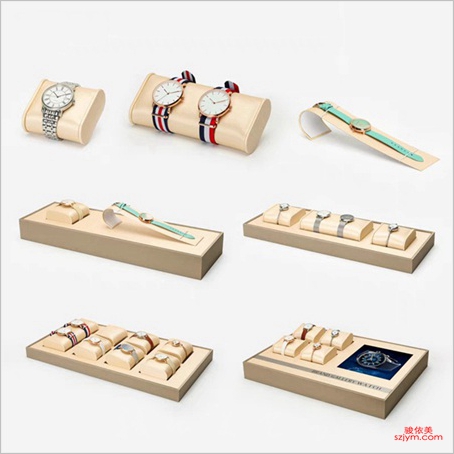
For watch products, the choice of watch display props is particularly critical. High-quality display props not only present the dial at the perfect angle but also highlight exquisite craftsmanship through material contrast. For example, a dark velvet base paired with an acrylic stand ensures visual focus without distraction. When multiple watch models are displayed side by side, the spacing, height difference, and angular consistency between props directly affect the customer perception of brand professionalism.
II. From Display to Storage: The Continuing Value of Packaging
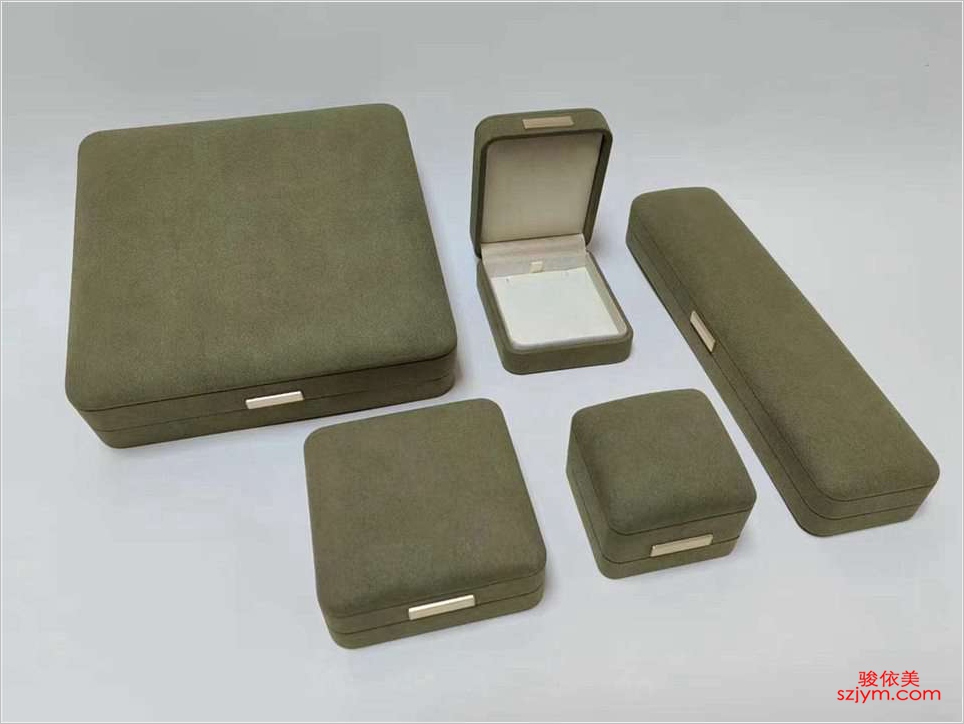
Many brands invest heavily in counter display but overlook the experiential aspect of packaging. In fact, after a customer decides to purchase, the opening experience of the jewelry box often becomes their final memory of the brand. A well-designed storage box must not only have appropriate dimensions and lining materials but also pay attention to opening mechanisms, hinge feel, and magnetic closure force. The choice of lining is also significant — velvet suits the soft touch of high-end jewelry, microfiber leather fits practical everyday accessories, and EVA molding suits e-commerce channels requiring transport protection.
The trend of custom jewelry boxes is shifting from purely protective functions to emotional carriers. More brands are requesting brand story cards inside the lid or exclusive codes engraved on the bottom. These seemingly insignificant details reinforce brand identity every time the customer opens the box. Another direction in customization is modular design — the same outer box can accommodate rings, earrings, necklaces, and other categories through interchangeable inserts, reducing inventory pressure while enhancing usage flexibility.
III. The Co-evolution of Materials and Craftsmanship
The material selection in the jewelry packaging industry is undergoing a silent revolution. Traditional velvet and leather remain mainstream, but eco-friendly recycled materials, plant fiber molding, and biodegradable films are rapidly penetrating the market. This change comes from both consumer identification with sustainability and brands urgent need for differentiation. When selecting materials, besides aesthetics and protective performance, consistency in mass production and stability during logistics must also be considered.
At the craftsmanship level, the combined application of hot stamping, UV spot coating, and die-cutting techniques elevates packaging from industrial products to craft products. A carefully designed packaging solution can itself become content on social media — the popularity of unboxing videos is the best testament to this trend. When consumers actively film and share the unboxing process, packaging is no longer just a container but an extended touchpoint for brand marketing.
IV. Systems Thinking: From Individual Items to Scenes
Mature jewelry brands no longer treat display and packaging as separate processes but integrate them into a unified visual system. From counter props to storage boxes to shopping bags, every touchpoint conveys a consistent brand language. This systematic thinking requires suppliers to possess cross-category integration capabilities — this is precisely the value of professional packaging factories. From early sampling to bulk delivery, from material matching to craftsmanship consistency, systematic supply chain management helps brands maintain visual consistency while controlling costs.
In conclusion, competition in jewelry retail has long transcended the products themselves, extending to the complete experience chain from counter to packaging. On this chain, every detail is an opportunity for dialogue between brand and consumer, and professional display and packaging design is the key to making these dialogues more effective. The future of jewelry packaging is no longer just about protection and storage — it is an indispensable chapter in brand storytelling.
This article is originally published by Junyimei, specializing in jewelry boxes, jewelry display props, watch display stands, and jewelry packaging production and design.
Junyimei: 21 years of expertise in jewelry boxes, custom display props. Inquire now!
在珠宝零售行业中,一件精美的首饰从被顾客注意到最终完成购买,中间经历的每一个环节都至关重要。而在这条体验链中,珠宝陈列设计扮演着不可替代的角色——它不仅是展示产品的舞台,更是品牌调性和工艺水准的无声代言。从柜台灯光的角度到收纳盒的铰链手感,每一处细节都在向消费者传递信息。
一、柜台陈列:第一印象的决胜三秒
研究表明,顾客在走过珠宝柜台时,平均只会停留三秒钟来决定是否进店。这三秒内,决定他们去留的不是产品本身,而是整个柜台的视觉呈现。一个优秀的陈列方案需要兼顾灯光、层次、色彩和空间节奏。灯光方面,色温在3500K至4000K之间的暖白光最能还原珠宝的火彩;层次上,高低错落的展示台比平铺直叙更能吸引视线;色彩搭配则需要根据珠宝本身的色调来选择衬托色,避免背景喧宾夺主。
对于腕表类产品而言,手表展示道具的选择尤为关键。优质的展示道具不仅能让表盘角度恰到好处地面对顾客,还能通过材质对比凸显腕表的精致工艺。比如,深色绒面底托配以亚克力支架,既保证了视觉聚焦,又不会喧宾夺主。而在多表款并列展示时,道具之间的间距、高低差和角度统一性,直接影响着顾客对品牌专业度的感知。
二、从展示到收纳:包装的延续价值
很多品牌在柜台陈列上投入巨大,却忽视了包装环节的体验感。事实上,当顾客决定购买后,珠宝盒的开合体验往往成为他们对品牌的最后一道记忆。一个设计精良的收纳盒,不仅要有合适的尺寸和内衬材质,更要在开合方式、铰链手感、磁吸力度等细节上下功夫。内衬的选择也大有讲究——丝绒适合高端珠宝的柔软触感,超纤皮适合通勤风格的日常佩饰,而EVA模压则更适合需要运输保护的电商渠道。
首饰盒定制的趋势正从单纯的保护功能向情感载体转变。越来越多的品牌要求在盒盖内侧加入品牌故事卡片,或在底部镌刻专属编码。这些看似微不足道的细节,却在顾客日后每次打开盒子时不断强化品牌认同。定制化的另一个方向是模块化设计——同一个外盒可以通过更换内托适配戒指、耳饰、项链等不同品类,既降低了库存压力,又提升了使用场景的灵活性。
三、材质与工艺的协同进化
珠宝包装行业的材料选择正在经历一场静默的革命。传统的绒布、皮革仍是主流,但环保再生材料、植物纤维模压、可降解薄膜等新材质正在快速渗透。这种变化既来自消费端对可持续理念的认同,也来自品牌端对差异化竞争的迫切需求。在选择材料时,除了美观和保护性能,还需要考虑批量生产的一致性和物流运输中的稳定性。
在工艺层面,烫金、UV局部上光、模切异形等技术的组合运用,让包装从工业品升华为工艺品。一个经过精心设计的包装方案,其本身就可以成为社交媒体上的传播素材——开箱视频的流行正是这一趋势的最佳注脚。当消费者主动拍摄并分享开箱过程时,包装就不再只是容器,而是品牌营销的延伸触点。
四、系统化思维:从单品到场景
成熟的珠宝品牌已经不再把陈列和包装视为割裂的环节,而是将其纳入统一的视觉系统。从柜台道具到收纳盒再到手提袋,每一个触点都在传递一致的品牌语言。这种系统化思维要求供应商具备跨品类的整合能力——这正是专业包装厂的价值所在。从前期打样到批量交付,从材质匹配到工艺统一,系统化的供应链管理能够帮助品牌在控制成本的同时保持视觉一致性。
总结而言,珠宝零售的竞争早已超越产品本身,延伸到了从柜台到包装的完整体验链。在这个链条上,每一个细节都是品牌与消费者对话的机会,而专业的陈列与包装设计,正是让这些对话更加有效的关键。未来的珠宝包装不再只是保护和收纳的工具,而是品牌叙事中不可或缺的一章。
本文由骏依美原创发布,专注于珠宝盒、首饰盒、珠宝陈列道具、手表陈列架、珠宝包装生产及设计领域。
骏依美21年专注珠宝盒、首饰盒定制、珠宝陈列道具设计生产,欢迎咨询定制!