Packaging Is the Silent Salesperson包装是沉默的促销员
1. Packaging speaks for you daily
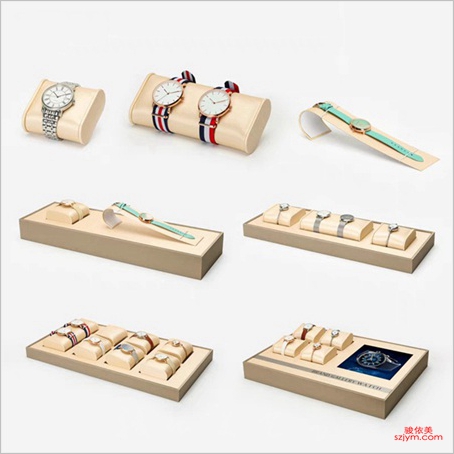 Many brands treat packaging as a cost line they can safely cut, yet fail to realize it speaks to the customer every single day. From the moment a box is picked up from the shelf to the moment it is opened, photographed, and tucked into a drawer, every interaction sends a signal outward. LBOBO has seen too many brands pour money into advertising while letting a cheap box deflate the effort at the final step, discounting everything built before. We have always believed packaging is the brand's most silent yet most diligent salesperson — it never takes a day off, never complains, yet stays on duty around the clock, more loyal than any human seller. Good packaging writes "this brand cares about details" into the customer's impression without them noticing, and that impression outlasts any slogan, is easier to remember, and more likely to be retold. In a crowded market where attention is the rarest currency, this quiet, always-on messenger is the most underrated asset a brand owns, working the counter long after the campaign budget is spent and the team has gone home.
2. Decorum at first glance
The first three seconds a customer holds the product, they see the packaging before the product itself. LBOBO treats those three seconds as the outpost of the sale: whether the box is rigid, the foil aligned, the opening smooth — all of it introduces the brand. Many brands obsess over product quality yet cut corners on the box edges, losing points at first glance and making the guest question things before even touching the item. We suggest treating the package's first impression as a facade project worth real effort, because customers may not articulate what is good yet always feel what is rough. Decorum is not luxury but doing the basic neatness right, so the box reassures on first touch, and that reassurance travels from the fingertip to trust in the brand, holding up the price tag even before unboxing. A brand that looks careless in its packaging inadvertently teaches the guest to expect carelessness everywhere it touches them, and that quiet suspicion is the hardest thing to undo once it has been planted in the first three seconds.
3. Feel in the opening
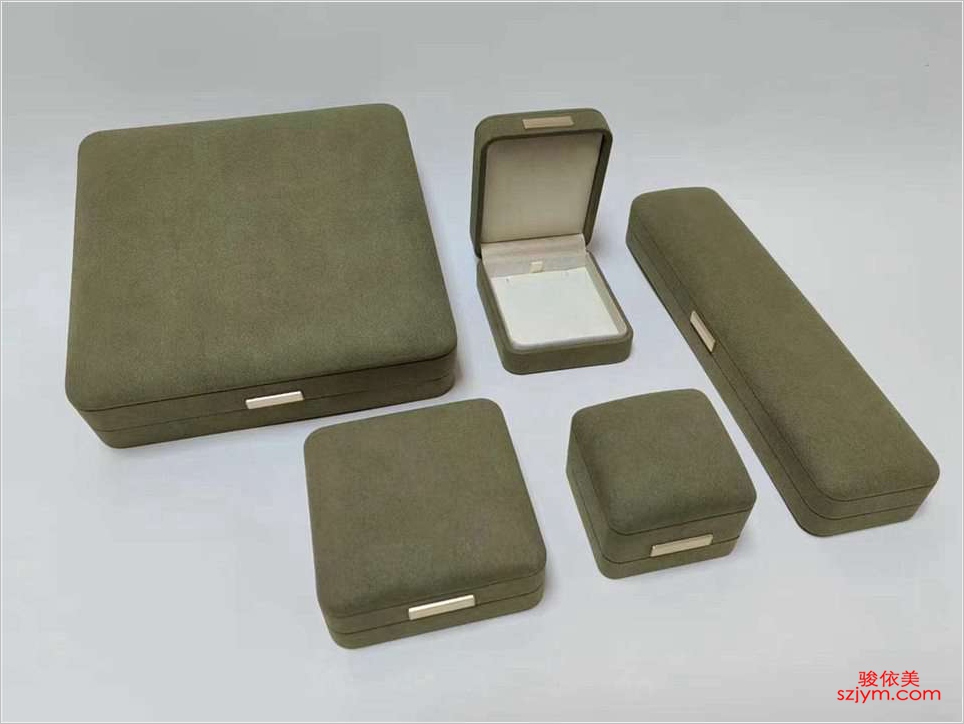 True premium feel often lives not in visuals but in touch. When LBOBO designs packaging we pay special attention to the instant of opening: the magnet's force, the lid's damping, the lining's texture — the things hard to put into words are easiest for the body to remember. We often attach a feel-acceptance record with the box, turning "easy to open" from the master's instinct into a definable, controllable, deliverable standard, so the brand can replicate the same experience in the next batch and with the next supplier. Many brands fuss over shell craft yet ignore the daily act of opening, letting experience leak at the last step. The small matter of feel is never small; it hides in every close of the lid, silently completing the unspoken line "I am meticulous," and quietly planting a seed for repurchase. Customers rarely praise the click aloud, yet they remember the box that opened like a sigh and quietly punish the one that fought them every single morning, because the body keeps score even when the mouth stays polite.
4. The right to be photographed
Today more than half a package's value happens on screen. When LBOBO designs a box we treat "photogenic or not" as a hard metric: does unboxing have layers, does the shell have a focal point, is there a keepsake after opening. Many brands please only themselves; the customer's shot looks flat and the spread dies at the first image, wasting all the design before it. We suggest reserving share-points on the packaging — a craft worth a close-up, a lid worth a background — so guests willingly post and get asked. A box that photographs well grows legs into more people's phones; this free second exposure is packaging's most cost-effective return and turns one purchase into a small word-of-mouth screening. In an age where everyone scrolls past everything, the box that earns a pause and a tap on the share button has done the hardest part of modern marketing entirely for free, and reach that costs nothing is the only reach worth bragging about when the budget is tight.
5. Kept, therefore remembered
The ultimate goal of packaging is not to be opened but to be kept. LBOBO likes "keepable" boxes: a gift box that stands on the shelf after the festival, a normal box that doubles as storage, so the brand stays present after unboxing. Many brands treat packaging as disposable, discarded once used, missing the chance to live long in the customer's home and the chance to be seen repeatedly by accident. We advocate giving the box a second life, because unlike ordinary ads it does not vanish but stays on duty like furniture. When the box is kept, the brand is kept; this longevity outlasts any discount and is more easily recalled in the customer's daily life. The kept box becomes a small, silent ambassador that travels with the customer from shelf to shelf and from season to season without ever asking for a media budget, quietly doing the selling the brand no longer has to pay for.
6. Do not save at the last step
Many brands invest enormously up front yet save at the last centimeter on packaging, causing an experience fracture that discounts all earlier effort and costs more than it saves. LBOBO always advises clients to account for packaging as part of the product whole, not as a separate cost line to be slashed. What the customer remembers is the decorum of the whole unboxing, not the box's price tag; they will pay a little more for that decorum and quietly turn away from a sloppy one. A box that survives repeated opening, the lens, and friends' stares will speak for the brand every time it is taken out. Penny-wise on the package is too often pound-foolish on the relationship, and the relationship is the only thing that survives once the product itself becomes ordinary, so the box is cheap insurance for a connection worth far more than the saving.
7. Measure what the box returns
Because packaging works quietly, many brands never bother to measure what it actually returns, and that blind spot is precisely why it gets cut first when budgets tighten and the spreadsheet shows only a cost line with no obvious revenue attached to defend it. LBOBO encourages clients to track a few simple signals a box leaves behind: the repeat purchase rate among customers who bought the gift version, the share of unboxing photos among total orders, and how often customers mention the packaging itself in reviews rather than the product alone. These three numbers, watched across a few seasons, reveal whether the box is earning its place or merely consuming material and shelf space. A package that lifts repurchase by even a few points pays for itself many times over, while one that guests never photograph is quietly wasting the most valuable marketing real estate a brand owns: the moment of genuine delight when the lid finally comes off. We build small feedback loops into the packaging program so the brand can see the return instead of guessing, because guessing is exactly how good boxes get deleted from next year's plan during the first round of cuts. When the numbers are visible, packaging stops being a mystery cost and becomes a measurable asset, and measurable assets are the ones that survive the budget meeting, since no finance team will cut what can be proven to pay back through the loyalty that an advertising line can never buy on its own. The brands that win the long game are rarely the ones that shout the loudest; they are the ones whose boxes keep whispering long after the campaign has ended, and that whisper, measured properly, turns out to be the cheapest growth channel they ever built.
一、包装在替你说话
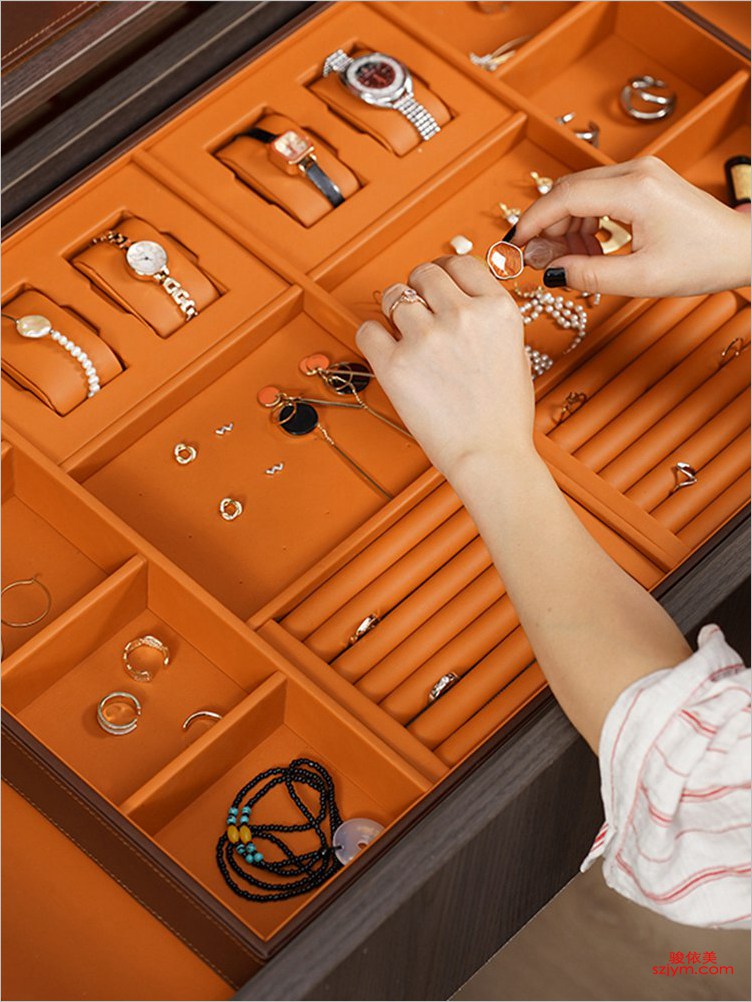 很多品牌把包装当成一笔可以省的成本,却没意识到它天天在替你跟客人说话。一只盒子从货架上被拿起,到被拆开、被拍照、被收进抽屉,每一个动作都在向外界传递信号。LBOBO 见过太多品牌把大把钱花在广告投放上,却让一只廉价盒子在成交的最后一步泄了气,前面的努力全打了折扣。我们一直认为,包装是品牌最沉默也最勤快的促销员——它不休假、不抱怨,却天天在岗,比任何一个销售都更不离不弃。好的包装会在客人还没注意的时候,把"这牌子是讲究的"写进对方的印象里,这份印象比一句响亮的口号更耐用,也更容易被记住和被转述,最终沉淀成品牌最朴素也最持久的资产,在客人做下次选择时悄悄发挥作用,让那句没说出口的讲究变成反复被想起的好感。
二、第一眼的体面
客人拿到产品的头三秒,先看到的是包装而不是产品本身。LBOBO 把这三秒当成成交的前哨:盒子挺不挺、烫金正不正、开合顺不顺,全都在替品牌做自我介绍。很多品牌在产品质量上反复较真,却在盒子的边角偷工减料,结果第一眼就丢了分,让人还没摸到产品就先打了问号。我们建议把包装的第一印象当成门面工程来认真打磨,因为客人未必说得清哪里好,却一定能感觉得到哪里糙。体面不是奢侈,而是把基本的工整做到位,让盒子一上手就让人安心,这份安心会顺着指尖传到对品牌的信任上,也在拆封之前就先替你把价签撑住了,不让前面那些昂贵的投入在最后一厘米悄悄漏掉,更不让客人在朋友面前拆出一份尴尬。
三、开合里的手感
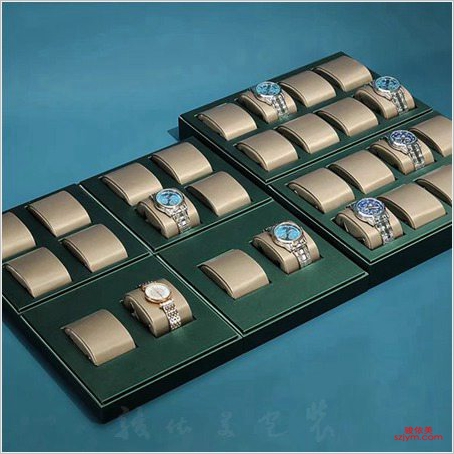 真正的高级感,常常不在视觉而在手感。LBOBO 做包装时格外看重开合的瞬间:磁吸的力度、盖子的阻尼、内衬的触感,这些说不清的东西最容易被身体记住。我们交盒时常附一份手感验收记录,把"好开"从老师傅的感觉变成可定义、可管控、可交付的标准,这样品牌才好把同样的体验复制到下一批、下一个供应商。很多品牌在盒面工艺上斤斤计较,却忽略开合这件天天发生的小事,体验在最后一步泄了气。手感这件小事从来都不小,它藏在每一次合盖里,默默替品牌完成那句没说出口的"我很讲究",也悄悄为复购埋下伏笔,等客人下次选购时,手指会替记忆做出选择,而这选择往往就藏在当初那一声恰到好处的轻响里,比任何广告都更诚实。
四、被拍照的资格
今天的包装一大半价值发生在屏幕上。LBOBO 设计盒子时,会把"好不好拍"当成硬指标:开箱有没有层次、盒面有没有焦点、拆完有没有可摆的物件。很多品牌盒子只顾自己欢喜,客人拍出来却平平,传播链条在第一张图就断了,前面的设计全白费。我们建议给包装预留晒点——一处值得特写的工艺、一个能当背景的盒盖,让客人愿意主动发、主动被问。能上镜的盒子自己会长脚走到更多人的手机里,这份免费的二次曝光,是包装最划算的回报,也替品牌把一次购买变成一场小范围的口碑放映,值回票价的地方往往就藏在那张被反复转发的照片里,让陌生人通过一只盒子先认识并记住了你。
五、留下来才留得住
包装的终极目标不是被拆开,而是被留下。LBOBO 喜欢做"可留存"的盒子:一只节后可以立在柜子上的礼盒,一个能当收纳的常态盒,让品牌在拆封之后依然在场。很多品牌把包装当一次性消耗品,盒子用完即弃,其实错过了一个长留客人家里的机会,也错过了一次次被顺手看见的可能。我们主张让盒子有第二次生命,因为它不像广告会消失,而像家具一样天天在场。当盒子被留下,品牌也就被留下了,这份长情比一次折扣更耐用,也更容易在客人的日常里被反复想起,成为复购最朴素的起点,让品牌静静住在客人的生活里,而不是只在下单那天短暂地出现过一次就再无踪影。
六、别在最后一步省
很多品牌前面投入巨大,却在包装这最后一厘米省了钱,结果体验断层,前面的努力全打了折扣,得不偿失。LBOBO 始终建议客户把包装纳入产品整体来算账,而不是把它单列成一笔可以砍掉的成本。客人记住的,是整个拆盒的体面,而不是盒子的报价单;他们愿意为那份体面多付一点,也会因为一份潦草的包装悄悄转身。一只经得起反复打开、经得起镜头、经得起朋友围观的盒子,会在每次被拿出来时又一次替品牌说话。这便是包装最实在的复利:你不在最后一步省下的那点钱不值当,永远补不回一次糟糕的第一印象,也更买不回客人那句"下次还来",所以值得在每一只盒子上都认真投入,而不是事后为流失的客人懊悔。