Tall or Low Counter: Wrist Items and Necklaces Each Have Their Shelf高柜矮柜怎么分:手镯项链各有各的层
The first thing a customer sees is the height difference between counters. If every counter is the same height, the store reads as a flat sheet of glass, and nobody bothers to stop. The layered look of a counter is meant to make people come closer, lean in, and take one more look.
Start by splitting tall and low counters by purpose. Tall counters (around 90 cm) fit items that hang vertically — bracelets and necklaces — so customers can see them at eye level and judge the chain length at a glance. Low counters (around 70 cm) hold small pieces like rings, earrings, and pendants; shoppers lean down slightly, their eyes land right on the velvet surface, details are visible, and trying on is easy.
The most common mistake is laying bracelets flat in a low counter. Once a bracelet lies flat, you cannot judge the inner diameter and the faceted reflections are gone — the customer only discovers a wrong size after trying it on. Bracelets should stand up or wrap around a column stand, with the opening facing the aisle so people can compare sizes as they walk by. Necklaces work the same way: coil them on round pads or hang them on vertical racks, always showing them vertically so length differences are obvious.
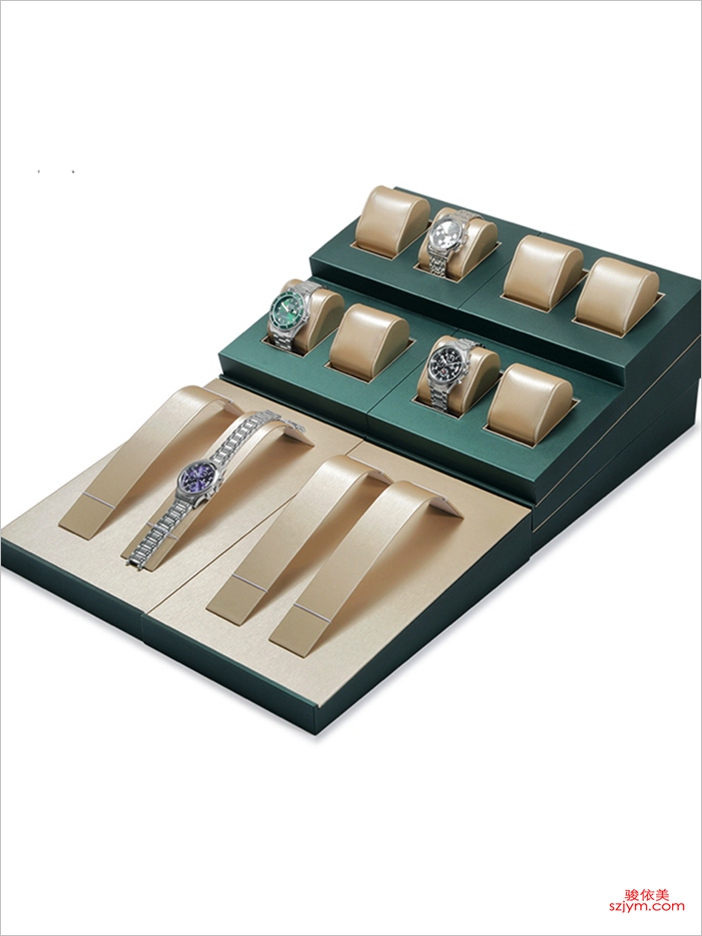 Then consider the level of arrangement. In one counter group, put the seasonal highlights at dead center of the eye-level shelf, drop regular items one level down on both sides, and keep restock and older styles on the bottom. This center-highlighted, sides-step-back layout draws the eye to the highlight; it beat a uniform row from end to end with no focal point.
Another pitfall: a packed low counter loses the power of less is more. Leave a little space in each cell of the small-piece section so it is easy to take out and put back, and quick to tidy up at closing. It is not about having too much stock — it is about having a system: tall counter hangs, low counter lays flat, highlights stay centered. Remember these three rules, and the store's sense of depth takes care of itself.
The TP41 multi-cell tray and SH46 fine-grid modules can tidy up the small-piece area of a low counter, while tall counter shelves can pair with multi-layer velvet display stands that hold weight steadily without tangling chains.
Then consider the level of arrangement. In one counter group, put the seasonal highlights at dead center of the eye-level shelf, drop regular items one level down on both sides, and keep restock and older styles on the bottom. This center-highlighted, sides-step-back layout draws the eye to the highlight; it beat a uniform row from end to end with no focal point.
Another pitfall: a packed low counter loses the power of less is more. Leave a little space in each cell of the small-piece section so it is easy to take out and put back, and quick to tidy up at closing. It is not about having too much stock — it is about having a system: tall counter hangs, low counter lays flat, highlights stay centered. Remember these three rules, and the store's sense of depth takes care of itself.
The TP41 multi-cell tray and SH46 fine-grid modules can tidy up the small-piece area of a low counter, while tall counter shelves can pair with multi-layer velvet display stands that hold weight steadily without tangling chains.
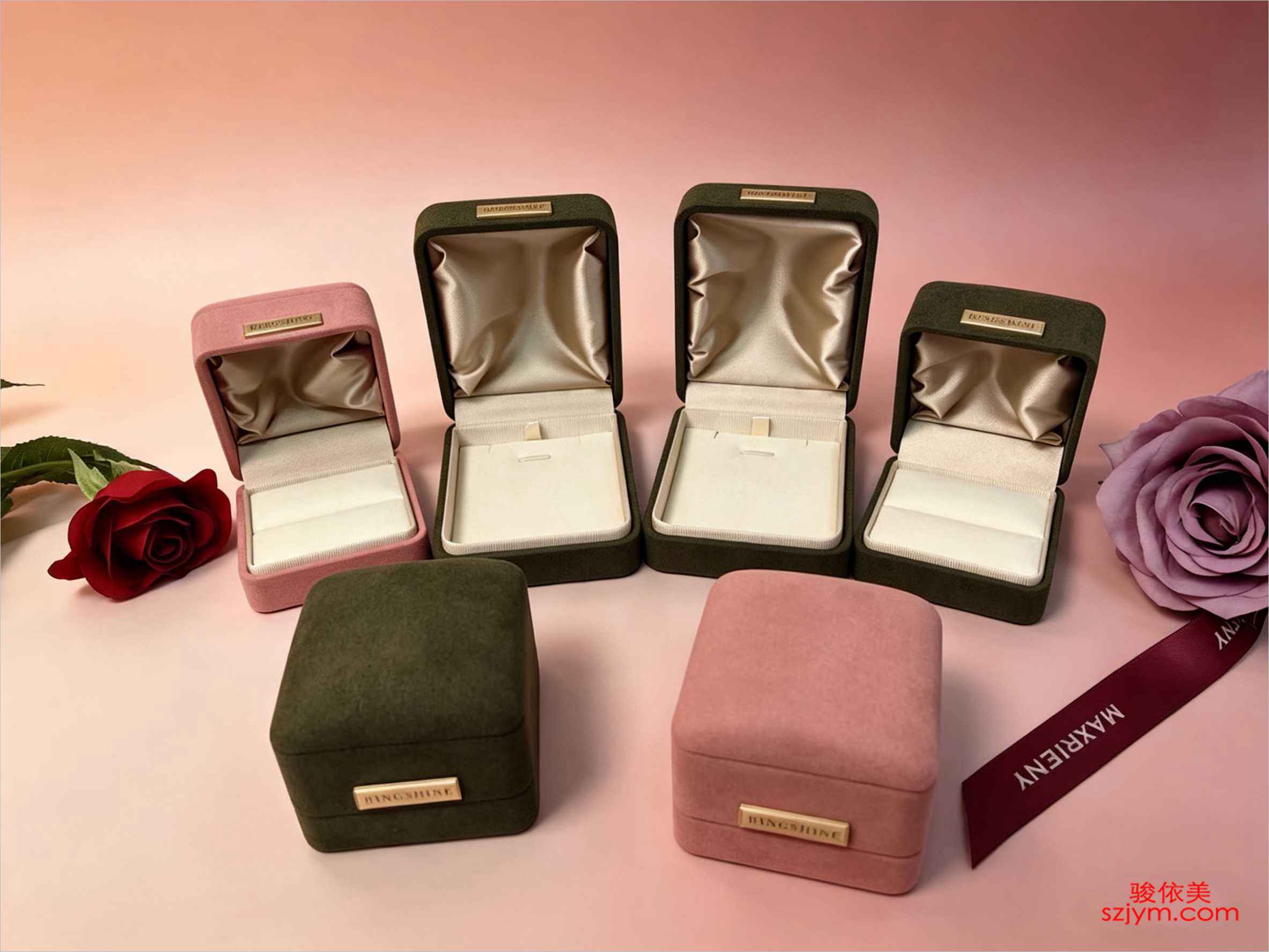 Counter layering is not decorated — it is arranged. With height variation and clear hierarchy, customers are already drawn in from the moment they stand outside the door.客人进门,第一眼看到的往往是柜台的高度差。全是一样高的台面,远处看就是一片平平的玻璃,没人愿意停下来。柜台的层次,要的就是让人走近、弯腰、再看一眼。
先分高柜和矮柜的用场。高柜(一般九十厘米上下)适合放手镯、项链这类垂直挂得起来的货,客人站着就能平视,链子垂下来长度一目了然。矮柜(七十厘米上下)放戒指、耳钉、吊坠这些小件,客人要稍稍俯身,视线正好落在绒面上,细节看得清,试戴也顺手。
最容易犯的错是把手镯塞进矮柜平放。手镯一旦躺平,圈口大小看不出,刻面反光也丢了,客人一上手试戴才发现圈口不对,白折腾一回。手镯要单独立起来,或者绕在柱形支架上,圈口面向过道,客人走过就能比大小。项链也一样,绳绕圆盘、链挂竖架,尽量让链子垂直展示,长度差一眼就分出来。
再说摆位的层次。同一组柜里,把当季主推放在视线正中那一层的正中,两侧压低一档放常规款,最底层放补货和旧款。这种「中间突出、两边让位」的排法,客人视线自然落在主推上,比把货从头排到尾整齐但没重点要强得多。
还有一个翻车点:矮柜里塞满就拿不出「少即是多」。小件区每格留一点空隙,客人伸手好拿、拿起好放,导购收柜也快。货多不怕,怕的是没有章法——高柜挂立、矮柜平铺、主推居中,这三条记牢,店里的层次感就出来了。
TP41 多格托盘和 SH46 细分格模块可以把矮柜的小件区收拾利落,高柜层板则可配多层绒面展示架,每层承重稳、链条不打结。
柜台的层次不是装修出来的,是摆出来的。高低错落、主次分明,客人站在店门口就已经被带进来了。
Counter layering is not decorated — it is arranged. With height variation and clear hierarchy, customers are already drawn in from the moment they stand outside the door.客人进门,第一眼看到的往往是柜台的高度差。全是一样高的台面,远处看就是一片平平的玻璃,没人愿意停下来。柜台的层次,要的就是让人走近、弯腰、再看一眼。
先分高柜和矮柜的用场。高柜(一般九十厘米上下)适合放手镯、项链这类垂直挂得起来的货,客人站着就能平视,链子垂下来长度一目了然。矮柜(七十厘米上下)放戒指、耳钉、吊坠这些小件,客人要稍稍俯身,视线正好落在绒面上,细节看得清,试戴也顺手。
最容易犯的错是把手镯塞进矮柜平放。手镯一旦躺平,圈口大小看不出,刻面反光也丢了,客人一上手试戴才发现圈口不对,白折腾一回。手镯要单独立起来,或者绕在柱形支架上,圈口面向过道,客人走过就能比大小。项链也一样,绳绕圆盘、链挂竖架,尽量让链子垂直展示,长度差一眼就分出来。
再说摆位的层次。同一组柜里,把当季主推放在视线正中那一层的正中,两侧压低一档放常规款,最底层放补货和旧款。这种「中间突出、两边让位」的排法,客人视线自然落在主推上,比把货从头排到尾整齐但没重点要强得多。
还有一个翻车点:矮柜里塞满就拿不出「少即是多」。小件区每格留一点空隙,客人伸手好拿、拿起好放,导购收柜也快。货多不怕,怕的是没有章法——高柜挂立、矮柜平铺、主推居中,这三条记牢,店里的层次感就出来了。
TP41 多格托盘和 SH46 细分格模块可以把矮柜的小件区收拾利落,高柜层板则可配多层绒面展示架,每层承重稳、链条不打结。
柜台的层次不是装修出来的,是摆出来的。高低错落、主次分明,客人站在店门口就已经被带进来了。
Then consider the level of arrangement. In one counter group, put the seasonal highlights at dead center of the eye-level shelf, drop regular items one level down on both sides, and keep restock and older styles on the bottom. This center-highlighted, sides-step-back layout draws the eye to the highlight; it beat a uniform row from end to end with no focal point.
Another pitfall: a packed low counter loses the power of less is more. Leave a little space in each cell of the small-piece section so it is easy to take out and put back, and quick to tidy up at closing. It is not about having too much stock — it is about having a system: tall counter hangs, low counter lays flat, highlights stay centered. Remember these three rules, and the store's sense of depth takes care of itself.
The TP41 multi-cell tray and SH46 fine-grid modules can tidy up the small-piece area of a low counter, while tall counter shelves can pair with multi-layer velvet display stands that hold weight steadily without tangling chains.
Counter layering is not decorated — it is arranged. With height variation and clear hierarchy, customers are already drawn in from the moment they stand outside the door.客人进门,第一眼看到的往往是柜台的高度差。全是一样高的台面,远处看就是一片平平的玻璃,没人愿意停下来。柜台的层次,要的就是让人走近、弯腰、再看一眼。
先分高柜和矮柜的用场。高柜(一般九十厘米上下)适合放手镯、项链这类垂直挂得起来的货,客人站着就能平视,链子垂下来长度一目了然。矮柜(七十厘米上下)放戒指、耳钉、吊坠这些小件,客人要稍稍俯身,视线正好落在绒面上,细节看得清,试戴也顺手。
最容易犯的错是把手镯塞进矮柜平放。手镯一旦躺平,圈口大小看不出,刻面反光也丢了,客人一上手试戴才发现圈口不对,白折腾一回。手镯要单独立起来,或者绕在柱形支架上,圈口面向过道,客人走过就能比大小。项链也一样,绳绕圆盘、链挂竖架,尽量让链子垂直展示,长度差一眼就分出来。
再说摆位的层次。同一组柜里,把当季主推放在视线正中那一层的正中,两侧压低一档放常规款,最底层放补货和旧款。这种「中间突出、两边让位」的排法,客人视线自然落在主推上,比把货从头排到尾整齐但没重点要强得多。
还有一个翻车点:矮柜里塞满就拿不出「少即是多」。小件区每格留一点空隙,客人伸手好拿、拿起好放,导购收柜也快。货多不怕,怕的是没有章法——高柜挂立、矮柜平铺、主推居中,这三条记牢,店里的层次感就出来了。
TP41 多格托盘和 SH46 细分格模块可以把矮柜的小件区收拾利落,高柜层板则可配多层绒面展示架,每层承重稳、链条不打结。
柜台的层次不是装修出来的,是摆出来的。高低错落、主次分明,客人站在店门口就已经被带进来了。