Wear the Distance: Telling a Travel and GMT Story Through Watch Display把远方戴在腕上:以旅行与 GMT 为主题的腕表陈列叙事
A GMT watch is born with geography in it. Reading two time zones on one dial, it quietly tells a small story of flights, time differences, and distant places. For watch retail, a category that carries its own narrative is exactly the material display should borrow—no forced theme needed; tell the idea of travel well and the counter earns a reason to stop.
The heart of a travel-themed display is using a set of watches to tell a route, rather than plastering function specs on the wall. Pick three to five pieces with dual-time capability, arranged in a "departure—transit—arrival" order, with minimal props hinting at airport, cabin, or skyline without stealing the show. Viewers may not buy every detail, but they get pulled by that invisible line and look a little longer.
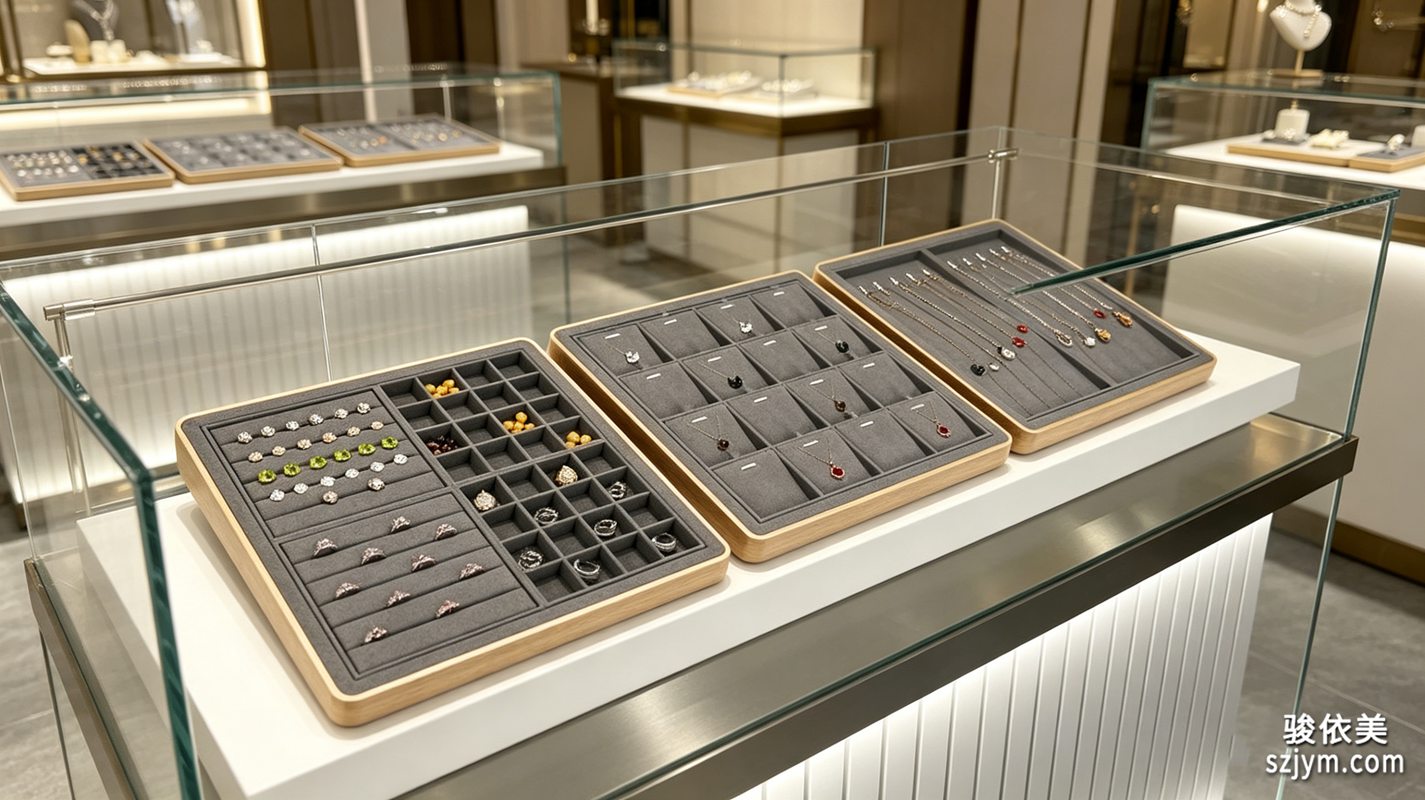 In lighting, travel themes suit a slightly cooler temperature—like high altitude and foreign mornings—keeping the dial's metal and lume restrained and clean. If you want to stress the warmth of "arrival," end the last watch with a touch warmer light, forming a journey of light with a beginning, middle, and close. Compared with flat even lighting, this emotional layering is far easier to remember.
Props need not be expensive, only good at negative space. The outline of an old passport, a folded boarding pass, the imagined sound of a suitcase zipper—these cues, hinted at and stopped, feel more premium than a shelf crowded with travel souvenirs. The watch is the hero; the setting merely lifts the word "distance" gently into place.
In lighting, travel themes suit a slightly cooler temperature—like high altitude and foreign mornings—keeping the dial's metal and lume restrained and clean. If you want to stress the warmth of "arrival," end the last watch with a touch warmer light, forming a journey of light with a beginning, middle, and close. Compared with flat even lighting, this emotional layering is far easier to remember.
Props need not be expensive, only good at negative space. The outline of an old passport, a folded boarding pass, the imagined sound of a suitcase zipper—these cues, hinted at and stopped, feel more premium than a shelf crowded with travel souvenirs. The watch is the hero; the setting merely lifts the word "distance" gently into place.
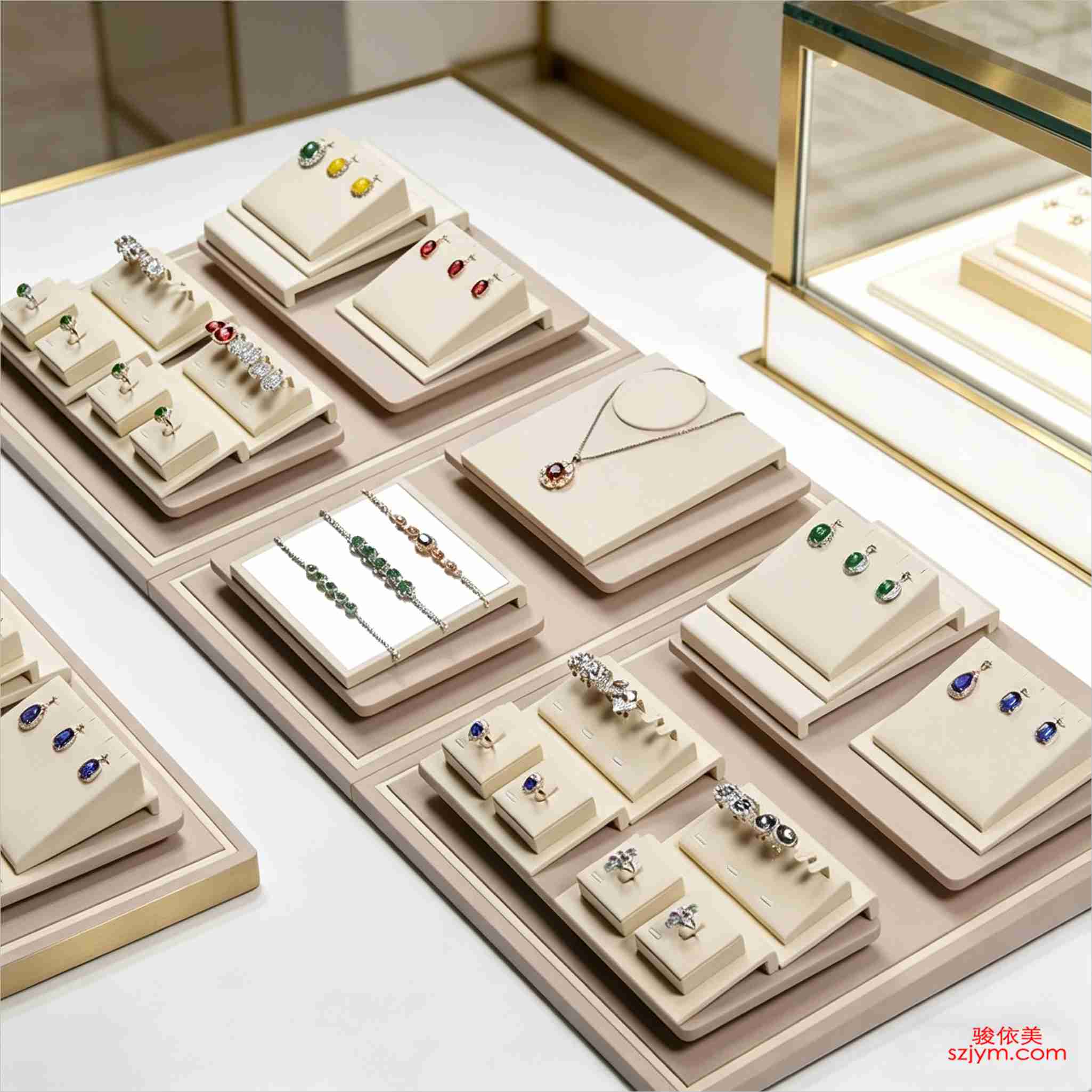 For international buyers, travel narrative carries a practical value: it is inherently cross-language. No matter the time zone they come from, people understand the emotion of "leaving and returning." Using this logic in trade shows or flagship stores lowers the communication barrier, letting overseas clients intuit the brand's calm and breadth. That is why travel themes in watch display outlast many local jokes.
Of course, no theme should overshadow the product. Every narrative must return to the watch's craft, movement, and feel on the wrist. After telling the distance, bring the customer's wrist back to the present—let them try it on, let the watch truly sit on the arm, and the story lands. Display holds the person; the sale still happens in that moment of fit.
This article is original content, copyright belongs to Junyi Mei. Please cite the source for reprints.
Junyi Mei's international line specializes in watch display props, presenting every timepiece to the world.
Junyi Mei's international line crafts watch display props that let every timepiece be seen worldwide.一枚 GMT 腕表,天生就带着地理的味道。它能在同一块表盘上读出两地时差,本身就讲着一个关于飞行、时区和远方的小故事。对腕表零售来说,这种自带叙事的品类,恰恰是陈列最该借力的素材——不必硬拗主题,把"旅行"这件事讲顺,柜台就有了让人停下来的理由。
旅行主题陈列的核心,是用一组表讲一条路线,而不是把功能参数贴满墙。可以选三到五枚具备两地时功能的腕表,按"出发—中转—抵达"的顺序排布,旁边用极简的道具暗示机场、机舱或城市天际线,却不抢表的戏。观众未必买账每一个细节,但会被这条隐形的线牵着,多看了几眼。
灯光上,旅行主题适合偏冷一点的色温,像高空与异国清晨的感觉,让表盘的金属与夜光显得克制而干净。若想强调"抵达"的暖意,可以在最后一只表用稍暖的光做收尾,形成一段有起承转合的光的旅程。比起平铺直叙的均匀打光,这种有情绪的层次更容易被记住。
道具不必昂贵,但要会"留白"。一只旧护照的轮廓、一张折过的登机牌、一段拉开的行李箱拉链声的想象——这些线索点到即止,反而比堆满旅行纪念品更显高级。腕表本身是主角,陈设只是帮它把"远方"两个字轻轻托起来。
面向国际买家时,旅行叙事还有一层实用价值:它天然跨语言。无论来自哪个时区,人们都懂"出发与归来"的情绪。在展会或旗舰店用这套逻辑,能降低沟通门槛,让海外客户凭直觉就读懂品牌想说的从容与辽阔。这也是为什么旅行主题在腕表陈列里,比很多本地化梗更经得起重复讲。
当然,主题再好也不能盖过产品。所有叙事最终都要回到表的工艺、机芯与佩戴感受。把远方讲完,记得把顾客的手腕拉回当下——让他试戴,让表真正戴上腕,故事才算落了地。陈列负责把人留住,成交仍发生在那一下贴合的温度里。
本文为原创内容,版权归骏依美所有。如需转载请注明出处。
骏依美国际站专注腕表陈列道具,让每一只表都被世界看见。
Junyi Mei's international line crafts watch display props that let every timepiece be seen worldwide.
For international buyers, travel narrative carries a practical value: it is inherently cross-language. No matter the time zone they come from, people understand the emotion of "leaving and returning." Using this logic in trade shows or flagship stores lowers the communication barrier, letting overseas clients intuit the brand's calm and breadth. That is why travel themes in watch display outlast many local jokes.
Of course, no theme should overshadow the product. Every narrative must return to the watch's craft, movement, and feel on the wrist. After telling the distance, bring the customer's wrist back to the present—let them try it on, let the watch truly sit on the arm, and the story lands. Display holds the person; the sale still happens in that moment of fit.
This article is original content, copyright belongs to Junyi Mei. Please cite the source for reprints.
Junyi Mei's international line specializes in watch display props, presenting every timepiece to the world.
Junyi Mei's international line crafts watch display props that let every timepiece be seen worldwide.一枚 GMT 腕表,天生就带着地理的味道。它能在同一块表盘上读出两地时差,本身就讲着一个关于飞行、时区和远方的小故事。对腕表零售来说,这种自带叙事的品类,恰恰是陈列最该借力的素材——不必硬拗主题,把"旅行"这件事讲顺,柜台就有了让人停下来的理由。
旅行主题陈列的核心,是用一组表讲一条路线,而不是把功能参数贴满墙。可以选三到五枚具备两地时功能的腕表,按"出发—中转—抵达"的顺序排布,旁边用极简的道具暗示机场、机舱或城市天际线,却不抢表的戏。观众未必买账每一个细节,但会被这条隐形的线牵着,多看了几眼。
灯光上,旅行主题适合偏冷一点的色温,像高空与异国清晨的感觉,让表盘的金属与夜光显得克制而干净。若想强调"抵达"的暖意,可以在最后一只表用稍暖的光做收尾,形成一段有起承转合的光的旅程。比起平铺直叙的均匀打光,这种有情绪的层次更容易被记住。
道具不必昂贵,但要会"留白"。一只旧护照的轮廓、一张折过的登机牌、一段拉开的行李箱拉链声的想象——这些线索点到即止,反而比堆满旅行纪念品更显高级。腕表本身是主角,陈设只是帮它把"远方"两个字轻轻托起来。
面向国际买家时,旅行叙事还有一层实用价值:它天然跨语言。无论来自哪个时区,人们都懂"出发与归来"的情绪。在展会或旗舰店用这套逻辑,能降低沟通门槛,让海外客户凭直觉就读懂品牌想说的从容与辽阔。这也是为什么旅行主题在腕表陈列里,比很多本地化梗更经得起重复讲。
当然,主题再好也不能盖过产品。所有叙事最终都要回到表的工艺、机芯与佩戴感受。把远方讲完,记得把顾客的手腕拉回当下——让他试戴,让表真正戴上腕,故事才算落了地。陈列负责把人留住,成交仍发生在那一下贴合的温度里。
本文为原创内容,版权归骏依美所有。如需转载请注明出处。
骏依美国际站专注腕表陈列道具,让每一只表都被世界看见。
Junyi Mei's international line crafts watch display props that let every timepiece be seen worldwide.
In lighting, travel themes suit a slightly cooler temperature—like high altitude and foreign mornings—keeping the dial's metal and lume restrained and clean. If you want to stress the warmth of "arrival," end the last watch with a touch warmer light, forming a journey of light with a beginning, middle, and close. Compared with flat even lighting, this emotional layering is far easier to remember.
Props need not be expensive, only good at negative space. The outline of an old passport, a folded boarding pass, the imagined sound of a suitcase zipper—these cues, hinted at and stopped, feel more premium than a shelf crowded with travel souvenirs. The watch is the hero; the setting merely lifts the word "distance" gently into place.
For international buyers, travel narrative carries a practical value: it is inherently cross-language. No matter the time zone they come from, people understand the emotion of "leaving and returning." Using this logic in trade shows or flagship stores lowers the communication barrier, letting overseas clients intuit the brand's calm and breadth. That is why travel themes in watch display outlast many local jokes.
Of course, no theme should overshadow the product. Every narrative must return to the watch's craft, movement, and feel on the wrist. After telling the distance, bring the customer's wrist back to the present—let them try it on, let the watch truly sit on the arm, and the story lands. Display holds the person; the sale still happens in that moment of fit.
This article is original content, copyright belongs to Junyi Mei. Please cite the source for reprints.
Junyi Mei's international line specializes in watch display props, presenting every timepiece to the world.
Junyi Mei's international line crafts watch display props that let every timepiece be seen worldwide.一枚 GMT 腕表,天生就带着地理的味道。它能在同一块表盘上读出两地时差,本身就讲着一个关于飞行、时区和远方的小故事。对腕表零售来说,这种自带叙事的品类,恰恰是陈列最该借力的素材——不必硬拗主题,把"旅行"这件事讲顺,柜台就有了让人停下来的理由。
旅行主题陈列的核心,是用一组表讲一条路线,而不是把功能参数贴满墙。可以选三到五枚具备两地时功能的腕表,按"出发—中转—抵达"的顺序排布,旁边用极简的道具暗示机场、机舱或城市天际线,却不抢表的戏。观众未必买账每一个细节,但会被这条隐形的线牵着,多看了几眼。
灯光上,旅行主题适合偏冷一点的色温,像高空与异国清晨的感觉,让表盘的金属与夜光显得克制而干净。若想强调"抵达"的暖意,可以在最后一只表用稍暖的光做收尾,形成一段有起承转合的光的旅程。比起平铺直叙的均匀打光,这种有情绪的层次更容易被记住。
道具不必昂贵,但要会"留白"。一只旧护照的轮廓、一张折过的登机牌、一段拉开的行李箱拉链声的想象——这些线索点到即止,反而比堆满旅行纪念品更显高级。腕表本身是主角,陈设只是帮它把"远方"两个字轻轻托起来。
面向国际买家时,旅行叙事还有一层实用价值:它天然跨语言。无论来自哪个时区,人们都懂"出发与归来"的情绪。在展会或旗舰店用这套逻辑,能降低沟通门槛,让海外客户凭直觉就读懂品牌想说的从容与辽阔。这也是为什么旅行主题在腕表陈列里,比很多本地化梗更经得起重复讲。
当然,主题再好也不能盖过产品。所有叙事最终都要回到表的工艺、机芯与佩戴感受。把远方讲完,记得把顾客的手腕拉回当下——让他试戴,让表真正戴上腕,故事才算落了地。陈列负责把人留住,成交仍发生在那一下贴合的温度里。
本文为原创内容,版权归骏依美所有。如需转载请注明出处。
骏依美国际站专注腕表陈列道具,让每一只表都被世界看见。
Junyi Mei's international line crafts watch display props that let every timepiece be seen worldwide.