Why A Custom Jewelry Box Builds Brand Equity定制珠宝盒立品牌
Before a customer ever touches your ring, they touch your box. And that box is already doing brand work—long before the jewelry does, and usually before any ad you paid for. For a high-consideration category like jewelry, the package sets the expectation of value before the product is even seen.
Q1: Why is the jewelry box your first real brand impression?
A: Because the impression forms before the lid opens. Ipsos finds that 72% of consumers say packaging design influences their purchasing decisions. More tellingly, 70% form an opinion of a brand from its packaging alone, and 90% link high-quality packaging with a strong brand image. The 2018 Packaging Matters study is blunter still: 81% have tried something new because the packaging caught their eye, 63% have repurchased because of a package's appearance, and 52% have switched brands over new packaging; 64% cite packaging as a key reason for trying a new product. For a jeweler, this means the box is the highest-leverage brand touchpoint you have—it reaches the customer earlier than any ad, at almost zero marginal cost. A custom jewelry box turns a commodity moment into a branded one: a foil-stamped logo, a signature color, a deliberate opening feel all whisper "this is a brand that cares." When the product is expensive and emotional, that first physical impression does disproportionate work. Jewelry is bought on trust and aesthetics; the box is the first proof that the brand takes both seriously, long before the customer judges the stone. It is also the cheapest proof available—unlike a billboard that expires, a well-made box ships once and keeps working at every resale, regift, and photograph, compounding its value with no extra spend.
Q2: Can a custom box actually justify a higher price?
A: Yes, and the numbers are concrete. The 2025 Global Packaging Trends report states that personalized packaging lifts retail price by 15%–30% and raises repeat-purchase rate by about 20%. In Gen-Z surveys, over 65% will pay 10%–25% more for distinctive or interactive design. Forbes puts the ceiling higher—consumers will pay up to 25% more for personalized products—while Forrester notes that 77% choose or pay more for brands offering personalization, and 61% feel custom packaging makes a brand look more premium. In jewelry, the craft is restraint. As the owner often says, high-end, minimalist jewelry packaging design is more readily favored by customers—a minimalist package can lift premium perception by about 35% (PaperBox data). Less decoration, more texture paradoxically lifts perceived value, and it helps you defend premium pricing while leaning less on paid traffic. Coca-Cola's "Share a Coke" sold 150 million personalized bottles; Birchbox's tailored packaging contributed to $181 million in revenue. Same logic applies to a jewelry packaging design: a blank field with one foil mark reads richer than a box crammed with print. This is why more independents are shifting budget from ads to packaging—one good design does three jobs at once: it looks expensive, it is memorable, and it drives repurchase. The premium isn't charity, either—customers read the finer package as a signal that the maker stands behind the piece, which is exactly why they resist haggling and accept the higher tag without complaint.
Q3: How does packaging become free advertising?
A: Every parcel is a walking billboard. Data shows 40% of consumers share unboxing photos or videos of interesting packaging, and 78% say a unique unboxing experience prompts them to repurchase the same brand. Dotcom's 2022 report adds that 52% of online buyers are more likely to repurchase because of premium packaging, and 63% value packaging almost as much as the brand itself. There are now over 92 million unboxing videos on YouTube, and 78% of holiday shoppers shared at least one unboxing. The clever part: unboxing content carries built-in trust—a friend's posted box persuades far more than the brand's own copy. A custom jewelry box is a silent salesperson that travels into feeds and group chats, earning reach no ad budget bought. For boutique labels, partners like Shenzhen Junyimei that support small-batch runs turn every shipment into organic word-of-mouth. The reach compounds when customers tag the brand—each unboxing becomes a micro-endorsement seen by exactly the right audience: friends who already share the buyer's taste, and who are thus far easier to convert than a cold ad impression.
Q4: Is custom packaging only for big brands?
A: Quite the opposite—small-batch customization is now mainstream. A 2025 survey found that 85% of small businesses saw ROI within six months of switching to custom packaging. At low MOQs (around 500 units), smart scheduling can cut per-box cost by roughly 12%. Do the math: a premium box typically adds only $0.30–$0.75 per unit, yet lifts 90-day repeat purchases by 6%–14% and cuts first-order return risk by 8%–12%; Packlane found unique packaging can raise repeat purchases by up to 30%. A distinctive color scheme can raise brand recognition by up to 80%. Right-sizing also cuts void fill by 30% or more, and sustainable stocks align with the 55% of consumers willing to pay more for sustainable packaging (McKinsey). The deeper driver is emotional connection: 34% of customers make purchase decisions based on emotional connection to a brand, and 77% of loyal customers stay with a brand for over a decade. Reframed: a custom box isn't spend, it's moving ad budget into a physical touchpoint that keeps reappearing. A flexible jewelry box factory lets even small labels turn "custom" from a luxury into a routine tool. For a jewelry startup this flips the usual math: instead of renting attention month after month, you buy one durable asset that keeps selling every time a box is opened, photographed, and passed along. The math is forgiving—even a modest 6% repeat lift on a thousand orders covers the upgrade many times over, which is exactly why the payback argument keeps winning inside finance teams that once saw packaging as pure cost.
Q5: How should a jewelry brand do customization "right"?
A: Three steps. First, visual consistency: brand color plus foil logo so the box is recognizable at a glance. Second, structural fit: rings, watches, and necklaces need different inserts and cradles—the box must serve the product, not force the product to fit the box. Third, material with a stance: FSC-certified or recycled paper signals environmental ethics customers remember and want to show off. Don't forget packaging is also after-sales: a handwritten thank-you card and a reusable jewelry pouch keep the brand living in the customer's home far longer. Keep it omnichannel—your in-store jewelry display props should share the box's palette and tone, so the customer feels one brand from shelf to shipment. Every iteration of the box should answer one question: does it make the brand more memorable? Customization isn't about piling on; it's about encoding the brand's restraint into every detail. Low 500-unit MOQs remove the capital barrier, letting you test seasonal designs without burying cash in inventory. Treat the first run as a prototype: gather photos from real customers, note which finish photographs best under phone light, and refine before the second order—customization is iterative, not a one-shot gamble, and the data from run one makes run two noticeably stronger.
Q6: How do you actually measure a box's ROI?
A: Track five levers. Price premium captured (15%–30% higher sell price). Repeat purchase rate—74% of buyers repurchase when they love the packaging. Brand recall (+33% in studies). Social shares (+28% more unboxing posts). And return-rate reduction. The framework is simple: ROI% = (incremental profit minus packaging investment) divided by packaging investment, times 100. Premium-packaging ROI drivers are well documented—price premium of 15%–30%, repeat purchases near 74%, recall up +33%, social sharing +28%, and some cite 3x the returns of ad campaigns when packaging is treated as a channel. Compare that against your paid-acquisition cost per customer: many brands fixate on first-order conversion, then realize at repurchase time that the box's saved ad spend already covered its cost. When you start measuring, the "pretty box" stops being a cost line and becomes a compounding brand asset—for a jeweler, likely the most cost-effective brand investment you will make. The practical move is to set a baseline before launch and measure 60–90 days after; even a 6% lift in repeat rate typically pays back the packaging premium within two purchase cycles, and most jewelers see the return well inside a single season.
This is original content. Copyright belongs to Shenzhen Junyimei.
Junyimei — present every jewel and timepiece at its best.
一盒之差,往往就是"被记住"和"被略过"的距离。对珠宝这种先看后买的品类,顾客还没摸到首饰,先摸到的是盒子——它早就在替你说话,而且说得比广告更早、也更私密。
Q1:为什么说"珠宝盒"是品牌的第一张名片?
A:因为印象在开盒前就形成了。Ipsos 的调研显示,72% 的消费者认为包装设计会影响购买决策;更关键的是,70% 的人仅凭包装就对品牌形成了看法,而 90% 会把"高质量包装"与"强势品牌形象"直接挂钩。2018 年的 Packaging Matters 研究说得更直白:81% 的人曾因包装吸睛而尝试新品,63% 因包装外观再次购买,52% 因新包装而换品牌;另有 64% 把包装列为尝试新品的关键理由。对珠宝商而言,这意味着盒子是性价比最高的品牌触点——它比任何平面广告都更早抵达顾客手中,且几乎零边际成本。而珠宝盒定制,就是把品牌气质外显的第一道工艺:一个烫金 logo、一组专属配色、一种恰到好处的开合手感,都在替你告诉顾客"这是认真做的牌子"。
Q2:定制盒真能让顾客多掏钱吗?
A:能,而且有数。2025《全球包装趋势报告》指出,具备个性化设计的包装能让终端售价提升 15%–30%,复购率提升约 20%;针对 Z 世代的调研里,超过 65% 的人愿意为独特设计或互动元素多付 10%–25%。福布斯的口径更乐观:个性化产品顾客最高愿多付 25%;Forrester 则指出 77% 的消费者会为个性化品牌多付或优先选择,另有 61% 觉得定制包装让品牌显得更高档。落到珠宝上,珠宝包装设计的功力就在于"克制"——正如老板常说的,高端简约的珠宝首饰包装设计,更容易被顾客青睐。少一点花哨、多一点质感,反而拉高了感知价值,也帮你守住溢价、少依赖烧钱投流。可口可乐"Share a Coke"把名字印上瓶身卖出 1.5 亿瓶、Nutella 定制罐带动销量,都是同一逻辑:把"专属感"做进包装,同样的货敢标更高的价。首饰盒设计同理,留白与烫金往往比满版印花更显贵。这也是为什么越来越多独立珠宝品牌把预算从广告转向包装:一份好设计,能同时完成"显贵、记忆、复购"三件事。
Q3:定制包装怎么变成"免费广告"?
A:每个包裹都是会走路的广告牌。数据显示,40% 的消费者会主动分享包装有趣的开箱照或视频;而 78% 的消费者表示,独特的开箱体验会促使他们再次购买同一品牌。Dotcom 2022 的报告更补了一刀:52% 的线上买家更可能因高级包装而复购,63% 的人把包装看得和品牌本身几乎一样重要。YouTube 上的开箱视频早已超过 9200 万条,节日期间 78% 的购物者至少分享过一次开箱。更妙的是,开箱内容自带信任——朋友晒出的那个盒子,比品牌自说自话更有说服力。对中小珠宝商来说,这恰恰是深圳骏依美这类支持小批量定制的伙伴的价值:把每个盒子变成"沉默销售员",随顾客走进朋友圈和社媒,获客成本却趋近于零。
Q4:小品牌预算有限,定制盒是不是奢侈品?
A:恰恰相反,现在小批量定制已经很普惠。一项 2025 年调研显示,85% 的中小企业在切换定制包装后 6 个月内就看到了 ROI;小批量 500 个起订,通过智能排产单盒成本还能再降约 12%。算笔账:高端定制盒每单位通常只比普通盒多 $0.30–$0.75,却能换来复购率提升 6%–14%、首单退货风险下降 8%–12%,品牌识别度最高提升 80%;Packlane 的研究还发现独特包装能把复购率最高拉高 30%。底层逻辑是情绪连接——34% 的顾客会因与品牌的情绪连接做购买决定,而 77% 的忠诚顾客会与品牌相伴十年以上。换个说法:定制盒不是花钱,而是把本要花在广告上的预算,换成了一个会反复出现的实体触点。柔性产线的珠宝盒工厂,让中小品牌也能把"定制"从奢侈品变成日常工具。
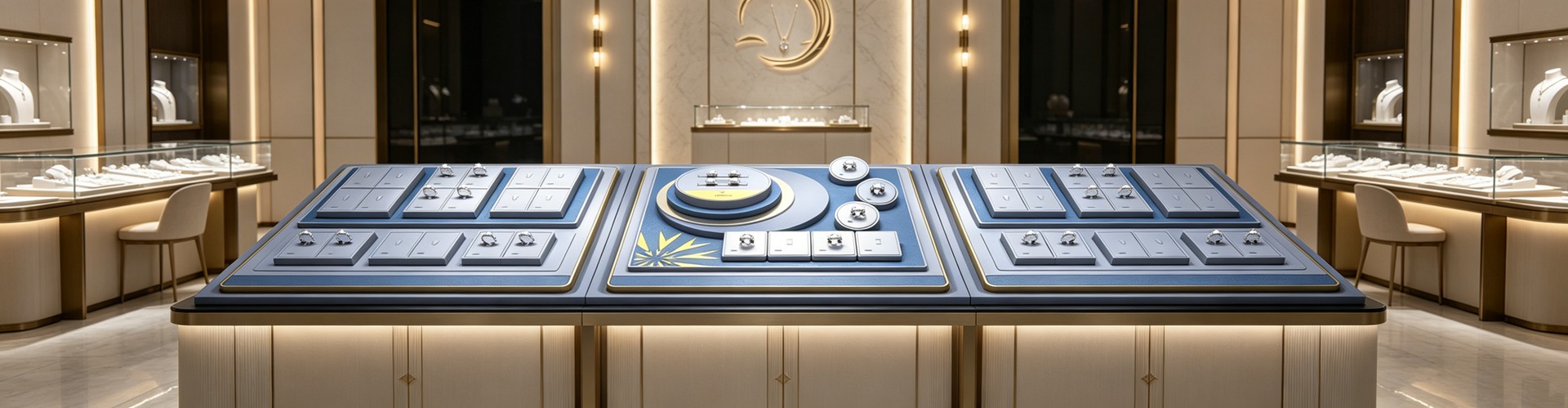
Q5:落地时,珠宝品牌该怎样做"对的定制"?
A:记住三步。第一,视觉一致:品牌色 + 烫金 logo,让盒子一眼认得出;第二,结构契合:戒指、手表、项链需要不同的内衬与卡位,盒型要为产品服务,而不是让产品去迁就盒子;第三,材质有态度:用 FSC 认证纸、再生纸呼应环保伦理,顾客记得住也愿意晒。别忘了,包装也是售后的一部分——一张手写感谢卡、一个可复用的首饰袋,都会让"品牌"在顾客家里多停留很久。线上线下也要统一:门店的珠宝陈列道具与你的包装同色同调,顾客从货架到快递盒感受到的是同一个品牌。首饰盒设计的每一次迭代,都应回到同一个问题:它是否让品牌更被记住?说到底,定制不是堆料,而是把品牌的克制与讲究,做进每一个细节里。
Q6:怎么衡量一个定制盒到底值不值?
A:看五个杠杆。溢价空间(15%–30% 的更高售价)、复购率(74% 的顾客因爱上包装而回头)、品牌回想(研究中 +33%)、社媒分享(开箱帖 +28%)、以及退货率下降。公式很简单:ROI% =(增量利润 − 包装投入)÷ 包装投入 × 100。很多品牌一开始只盯首单转化,等到复购数据出来才意识到:盒子省下的广告费,早已覆盖它的成本。当你开始计量,那个"漂亮盒子"就从成本项,变成了会复利增值的品牌资产——对珠宝商而言,这或许是最划算的一笔"品牌投资"。
本文为原创内容,版权归深圳骏依美所有,转载请注明出处。
骏依美——让每一件珠宝与腕表,都被更好地呈现。