Guide the Gaze: Designing Watch Display Flow That Sells腕表想被看见,先让顾客走对路:陈列动线设计
Walk into a watch store, and where a customer looks first and at which counter they stop is rarely random — it is quietly arranged by the display. Flow design studies how footsteps and gaze move, then uses display to lead both toward the watches you most want to sell.
The flow of watch display connects three stages: entrance, pause, deep look. At the entrance, place a visually striking watch — ideally the hero model on a rotating stand — using a bit of motion to pull passersby in. In the middle, use a staggered watch wall to build curiosity so the customer wants to step in. Deep inside, set a calm try-on zone with lowered light and open counter space, hinting 'this one is worth a slow look.' Three watches with different roles make the flow work.
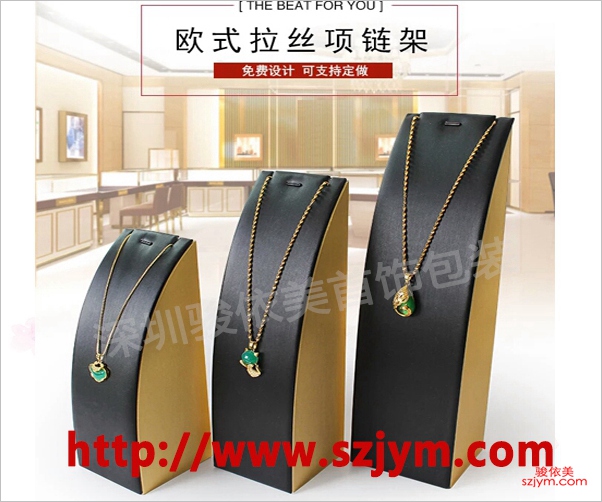 Gaze guidance and flow are one. Eyes follow bright, high, and moving things. Rotating stands, spotlit hero watches, and posts slightly above eye level are natural signposts. Conversely, if a whole wall is evenly lit with watches tiled flat, the gaze has no landing point and the customer 'glances and leaves.' The smart move is to create two or three must-stop points with contrast in light and height, slowing both step and gaze.
International watch displays must consider cultural order. Western buyers scan left to right, so the hero position on the left mid-section gets seen first; Middle Eastern or Southeast Asian buyers are more sensitive to gold and mirror reflection, so strengthen metal tones and mirror backing there. At trade shows, compress the flow into a 'thirty-second route' — a statement watch at the entrance, a story watch at the turn, a closing watch at the end — letting overseas buyers complete the story in the shortest path.
Gaze guidance and flow are one. Eyes follow bright, high, and moving things. Rotating stands, spotlit hero watches, and posts slightly above eye level are natural signposts. Conversely, if a whole wall is evenly lit with watches tiled flat, the gaze has no landing point and the customer 'glances and leaves.' The smart move is to create two or three must-stop points with contrast in light and height, slowing both step and gaze.
International watch displays must consider cultural order. Western buyers scan left to right, so the hero position on the left mid-section gets seen first; Middle Eastern or Southeast Asian buyers are more sensitive to gold and mirror reflection, so strengthen metal tones and mirror backing there. At trade shows, compress the flow into a 'thirty-second route' — a statement watch at the entrance, a story watch at the turn, a closing watch at the end — letting overseas buyers complete the story in the shortest path.
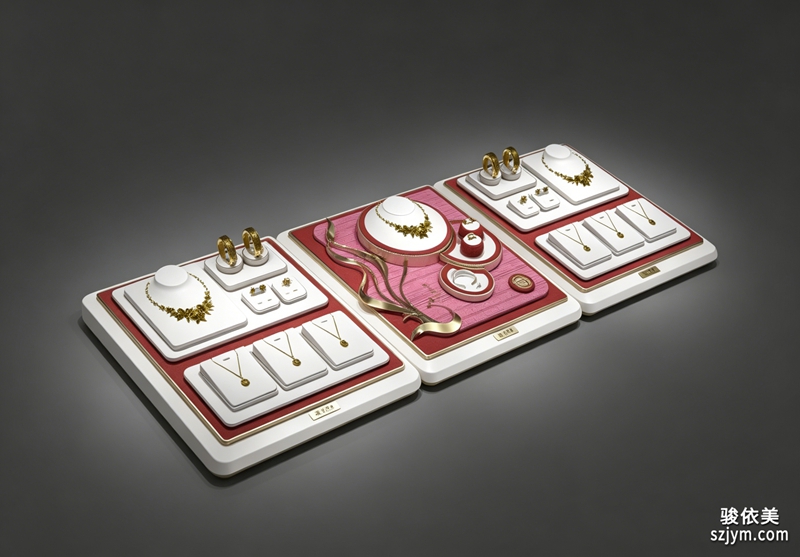 Flow is not set once and frozen. Each week, check footage or staff feedback: which segment no one stops at, which watch keeps getting skipped, then tweak stand position or lighting. The essence of watch display flow is to save the customer's searching time and hand their attention precisely to the watch you most want to sell. Design the route well, and the deal often happens in the extra two seconds the customer lingers.
This is original content, copyright Junyimei. Please credit the source if reprinted.
Lbobo international watch display solutions turn browsers into buyers with smarter flow.走进一家腕表门店,顾客先往哪看、在哪个柜台停下,往往不是随机的,而是被陈列悄悄安排好的。动线设计,就是研究顾客的脚步和视线怎么走,再用陈列把两者引向你最想卖的那几只表。
腕表陈列的动线,核心是把'入口—停留—深看'三段连起来。入口处放一组视觉冲击力强的表,最好是转动表座上的主推款,用一点运动感把路人拉进来;中段用高低错落的表墙制造探索欲,让顾客愿意绕进去;深处再设一个安静的试戴区,灯光压低、台面留白,给人'这只值得慢慢看'的暗示。三只表的戏份不同,动线才成立。
视线引导和动线是一体的。人的目光会顺着明亮处、高处和移动的东西走。所以旋转表座、射灯打亮的主表、以及略高于视线的展示柱,都是天然的'指路牌'。反过来,若整面墙亮度均匀、表款平铺,视线就没有落点,顾客很容易'看一眼就走'。聪明的做法是用光和高度的对比,人为制造两三个必停点,让脚步和目光同步慢下来。
国际站的腕表陈列还要考虑文化差序。欧美买家习惯自左向右浏览,主推位放在左侧中段更容易被先看到;中东或东南亚买家对金色、镜面反射更敏感,可在对应区域强化金属色调与镜面衬托。展会上更要把动线压缩成'三十秒动线'——入口一只镇场表,转角一只故事表,终点一只成交表,让海外买家在最短路径里完成认知。
动线不是一次定死就不动。每周看一次监控或店员反馈:哪段没人停、哪只表总被跳过,就微调表座位置或灯光。陈列动线设计的本质,是替顾客省下寻找的时间,把他的注意力精准交到你最想卖的那只腕表手上。把路线设计好,成交往往就发生在顾客多停留的那两秒里。
本文为原创内容,版权归骏依美所有。如需转载请注明出处。
骏依美旗下 lbobo 腕表陈列方案,让国际买家多停留、多询价、多下单。
Lbobo international watch display solutions turn browsers into buyers with smarter flow.
Flow is not set once and frozen. Each week, check footage or staff feedback: which segment no one stops at, which watch keeps getting skipped, then tweak stand position or lighting. The essence of watch display flow is to save the customer's searching time and hand their attention precisely to the watch you most want to sell. Design the route well, and the deal often happens in the extra two seconds the customer lingers.
This is original content, copyright Junyimei. Please credit the source if reprinted.
Lbobo international watch display solutions turn browsers into buyers with smarter flow.走进一家腕表门店,顾客先往哪看、在哪个柜台停下,往往不是随机的,而是被陈列悄悄安排好的。动线设计,就是研究顾客的脚步和视线怎么走,再用陈列把两者引向你最想卖的那几只表。
腕表陈列的动线,核心是把'入口—停留—深看'三段连起来。入口处放一组视觉冲击力强的表,最好是转动表座上的主推款,用一点运动感把路人拉进来;中段用高低错落的表墙制造探索欲,让顾客愿意绕进去;深处再设一个安静的试戴区,灯光压低、台面留白,给人'这只值得慢慢看'的暗示。三只表的戏份不同,动线才成立。
视线引导和动线是一体的。人的目光会顺着明亮处、高处和移动的东西走。所以旋转表座、射灯打亮的主表、以及略高于视线的展示柱,都是天然的'指路牌'。反过来,若整面墙亮度均匀、表款平铺,视线就没有落点,顾客很容易'看一眼就走'。聪明的做法是用光和高度的对比,人为制造两三个必停点,让脚步和目光同步慢下来。
国际站的腕表陈列还要考虑文化差序。欧美买家习惯自左向右浏览,主推位放在左侧中段更容易被先看到;中东或东南亚买家对金色、镜面反射更敏感,可在对应区域强化金属色调与镜面衬托。展会上更要把动线压缩成'三十秒动线'——入口一只镇场表,转角一只故事表,终点一只成交表,让海外买家在最短路径里完成认知。
动线不是一次定死就不动。每周看一次监控或店员反馈:哪段没人停、哪只表总被跳过,就微调表座位置或灯光。陈列动线设计的本质,是替顾客省下寻找的时间,把他的注意力精准交到你最想卖的那只腕表手上。把路线设计好,成交往往就发生在顾客多停留的那两秒里。
本文为原创内容,版权归骏依美所有。如需转载请注明出处。
骏依美旗下 lbobo 腕表陈列方案,让国际买家多停留、多询价、多下单。
Lbobo international watch display solutions turn browsers into buyers with smarter flow.
Gaze guidance and flow are one. Eyes follow bright, high, and moving things. Rotating stands, spotlit hero watches, and posts slightly above eye level are natural signposts. Conversely, if a whole wall is evenly lit with watches tiled flat, the gaze has no landing point and the customer 'glances and leaves.' The smart move is to create two or three must-stop points with contrast in light and height, slowing both step and gaze.
International watch displays must consider cultural order. Western buyers scan left to right, so the hero position on the left mid-section gets seen first; Middle Eastern or Southeast Asian buyers are more sensitive to gold and mirror reflection, so strengthen metal tones and mirror backing there. At trade shows, compress the flow into a 'thirty-second route' — a statement watch at the entrance, a story watch at the turn, a closing watch at the end — letting overseas buyers complete the story in the shortest path.
Flow is not set once and frozen. Each week, check footage or staff feedback: which segment no one stops at, which watch keeps getting skipped, then tweak stand position or lighting. The essence of watch display flow is to save the customer's searching time and hand their attention precisely to the watch you most want to sell. Design the route well, and the deal often happens in the extra two seconds the customer lingers.
This is original content, copyright Junyimei. Please credit the source if reprinted.
Lbobo international watch display solutions turn browsers into buyers with smarter flow.走进一家腕表门店,顾客先往哪看、在哪个柜台停下,往往不是随机的,而是被陈列悄悄安排好的。动线设计,就是研究顾客的脚步和视线怎么走,再用陈列把两者引向你最想卖的那几只表。
腕表陈列的动线,核心是把'入口—停留—深看'三段连起来。入口处放一组视觉冲击力强的表,最好是转动表座上的主推款,用一点运动感把路人拉进来;中段用高低错落的表墙制造探索欲,让顾客愿意绕进去;深处再设一个安静的试戴区,灯光压低、台面留白,给人'这只值得慢慢看'的暗示。三只表的戏份不同,动线才成立。
视线引导和动线是一体的。人的目光会顺着明亮处、高处和移动的东西走。所以旋转表座、射灯打亮的主表、以及略高于视线的展示柱,都是天然的'指路牌'。反过来,若整面墙亮度均匀、表款平铺,视线就没有落点,顾客很容易'看一眼就走'。聪明的做法是用光和高度的对比,人为制造两三个必停点,让脚步和目光同步慢下来。
国际站的腕表陈列还要考虑文化差序。欧美买家习惯自左向右浏览,主推位放在左侧中段更容易被先看到;中东或东南亚买家对金色、镜面反射更敏感,可在对应区域强化金属色调与镜面衬托。展会上更要把动线压缩成'三十秒动线'——入口一只镇场表,转角一只故事表,终点一只成交表,让海外买家在最短路径里完成认知。
动线不是一次定死就不动。每周看一次监控或店员反馈:哪段没人停、哪只表总被跳过,就微调表座位置或灯光。陈列动线设计的本质,是替顾客省下寻找的时间,把他的注意力精准交到你最想卖的那只腕表手上。把路线设计好,成交往往就发生在顾客多停留的那两秒里。
本文为原创内容,版权归骏依美所有。如需转载请注明出处。
骏依美旗下 lbobo 腕表陈列方案,让国际买家多停留、多询价、多下单。
Lbobo international watch display solutions turn browsers into buyers with smarter flow.