What a Mirror Adds to Watch Display: Playing with Reflection一面镜子给腕表陈列加了什么戏
A wristwatch is one of the few jewelry categories that 'eat light'. The dial, the crystal and the metal bracelet all reflect—which is both a problem and an opportunity. Many watch counters rely on a single front spotlight, leaving the crystal blown white so the customer can't read the dial, let alone admire the movement. Light from one direction also bounces straight back off the case as a glaring line. 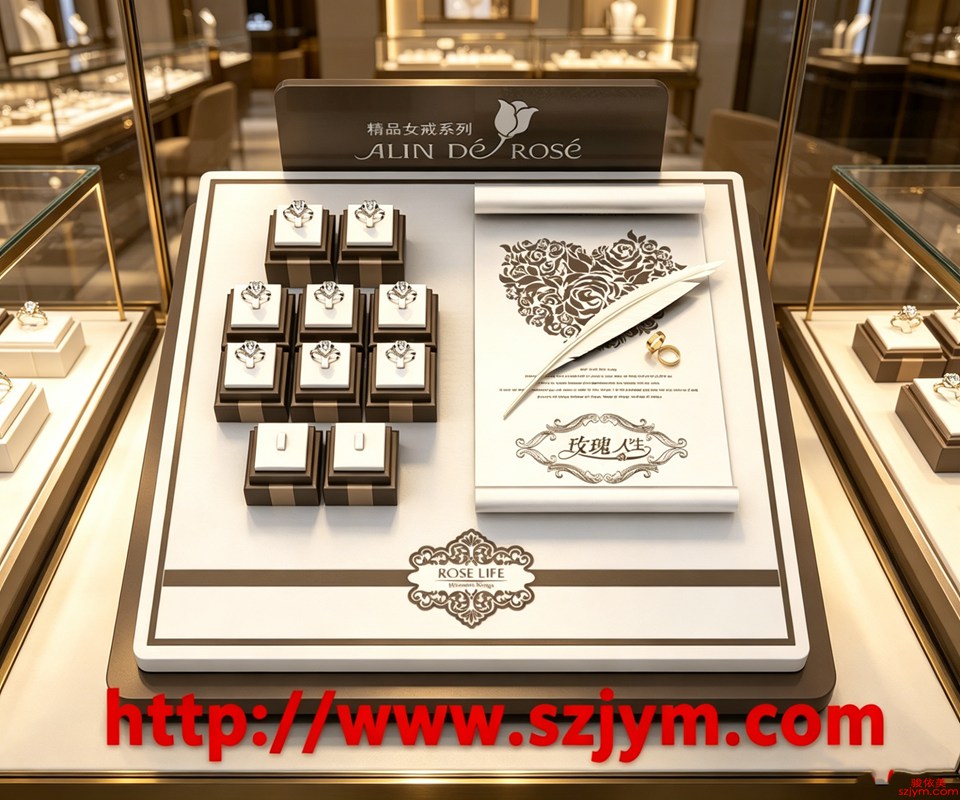 Used with care, mirrors and reflective materials add a layer of 'theater'. Stand a narrow mirror behind the watch stand; as the piece turns slightly, the dial and its reflection appear together, doubling the visual depth and giving the shopper one more reason to pause. Compared with a flat lay, this 'echoing' display is far more durable to look at.
But a mirror is a double-edged sword. At the wrong angle it bounces the spotlight back as a harsh hotspot that hides the dial entirely. The trick: keep the mirror just below the stand top, tilted ten to fifteen degrees above horizontal, catching only soft ambient light and never facing the main source. Crouch to the customer's eye level to check that the reflection carries no stray glare.
Beyond a back mirror, line the case base with matte metal or dark lacquer so the bracelet and case outline 'float' on the dark ground. This quiet reflection doesn't compete yet makes the metal feel more believable, while also hiding dust and fingerprints.
Used with care, mirrors and reflective materials add a layer of 'theater'. Stand a narrow mirror behind the watch stand; as the piece turns slightly, the dial and its reflection appear together, doubling the visual depth and giving the shopper one more reason to pause. Compared with a flat lay, this 'echoing' display is far more durable to look at.
But a mirror is a double-edged sword. At the wrong angle it bounces the spotlight back as a harsh hotspot that hides the dial entirely. The trick: keep the mirror just below the stand top, tilted ten to fifteen degrees above horizontal, catching only soft ambient light and never facing the main source. Crouch to the customer's eye level to check that the reflection carries no stray glare.
Beyond a back mirror, line the case base with matte metal or dark lacquer so the bracelet and case outline 'float' on the dark ground. This quiet reflection doesn't compete yet makes the metal feel more believable, while also hiding dust and fingerprints. 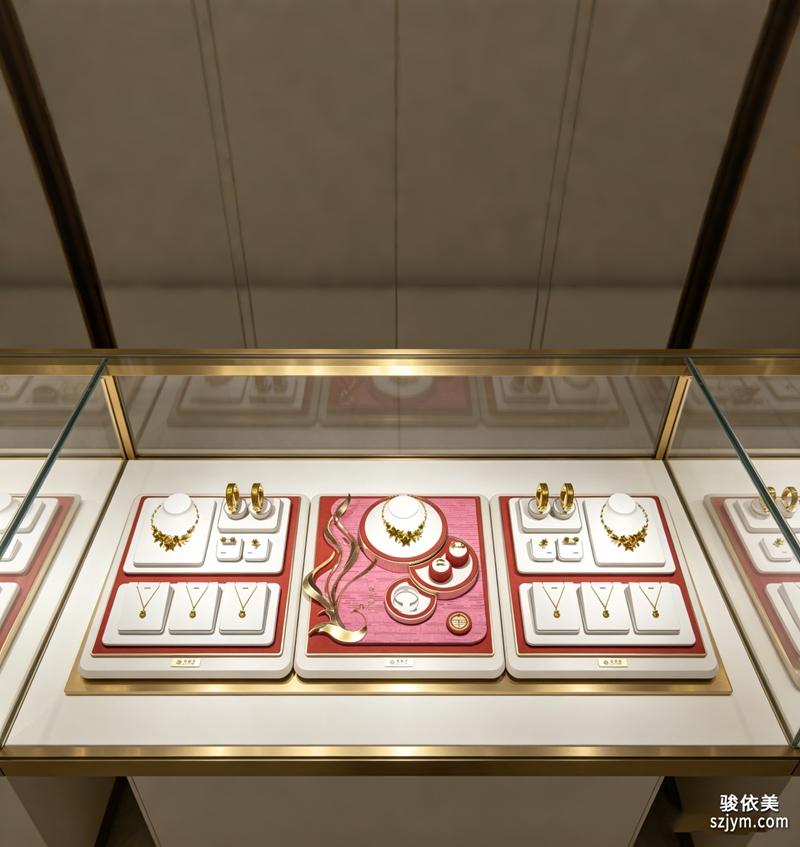 For an international site facing overseas buyers, reflection also reinforces the 'precision' and 'high-end' brand association. A calm mirror often speaks louder than a slogan. Treat the mirror as a supporting actor, not the lead; let negative space and light do their jobs, and the watch becomes the only hero on the counter, with its story's rhythm naturally set.
This article is original content, copyright owned by JunyiMei. Please credit the source if reprinted.
lbobo delivers watch display solutions that make every timepiece impossible to ignore.
lbobo turns reflection into a quiet story your buyers remember.腕表是少数“靠光吃饭”的珠宝品类。表盘、表镜、金属表带都会反光,这既是难点也是机会。很多腕表柜台只依赖正面射灯,结果表镜一片白茫茫,顾客根本看不清盘面,更谈不上欣赏机芯的细节。光如果只从单一方向打,金属表壳还会把光原样弹回去,形成一道晃眼的亮线。
镜面与反射材质一旦用得巧,能给镜面陈列添一层“戏”。在表座后方立一块窄边镜面,腕表轻微转动时,盘面与它的倒影同时出现,视觉厚度瞬间翻倍,也多了一次让顾客停下脚步的理由。比起单纯平放,这种“有回响”的腕表反射展示更耐看。
但镜面是把双刃剑。角度没调好,它会把射灯原封不动反射成刺眼的光斑,反而把表盘遮得严严实实。经验做法是镜面略低于表座顶面,与水平成十度到十五度仰角,只接住环境里的柔光,不直对主光源。试摆时最好蹲到顾客的眼睛高度去看,确认倒影里没有杂光。
除了后视镜,还可以在展柜底衬一块哑光金属或深色烤漆板,让表带与表壳的轮廓在暗底上“浮”出来。这种低调的反射材质不抢戏,却让金属质感更可信,也顺带把柜内灰尘和指纹藏了起来。
还有一个常被忽略的变量是镜面材质本身。普通银镜反光太硬,容易显脏;茶镜或灰镜更柔,像个安静的背景。预算允许时,用一块带磨砂边的窄镜,既保留倒影,又不会把柜内线缆和支架一并暴露。
对面向海外买家的国际站而言,反射还能强化“精密”与“高端”的品牌联想。一套好的手表展示技巧,往往藏在这些看不见的细节里。一块安静的镜面,常常比一句标语更会说话。把镜面当作陈列的配角而非主角,留白与光线各司其职,腕表自己就成了柜台上唯一的主角,故事的节奏也就自然立住了。
本文为原创内容,版权归骏依美所有。如需转载请注明出处。
lbobo 专注腕表陈列与国际站展示方案,让每一只腕表都被看见。
lbobo delivers watch display solutions that make every timepiece impossible to ignore.
For an international site facing overseas buyers, reflection also reinforces the 'precision' and 'high-end' brand association. A calm mirror often speaks louder than a slogan. Treat the mirror as a supporting actor, not the lead; let negative space and light do their jobs, and the watch becomes the only hero on the counter, with its story's rhythm naturally set.
This article is original content, copyright owned by JunyiMei. Please credit the source if reprinted.
lbobo delivers watch display solutions that make every timepiece impossible to ignore.
lbobo turns reflection into a quiet story your buyers remember.腕表是少数“靠光吃饭”的珠宝品类。表盘、表镜、金属表带都会反光,这既是难点也是机会。很多腕表柜台只依赖正面射灯,结果表镜一片白茫茫,顾客根本看不清盘面,更谈不上欣赏机芯的细节。光如果只从单一方向打,金属表壳还会把光原样弹回去,形成一道晃眼的亮线。
镜面与反射材质一旦用得巧,能给镜面陈列添一层“戏”。在表座后方立一块窄边镜面,腕表轻微转动时,盘面与它的倒影同时出现,视觉厚度瞬间翻倍,也多了一次让顾客停下脚步的理由。比起单纯平放,这种“有回响”的腕表反射展示更耐看。
但镜面是把双刃剑。角度没调好,它会把射灯原封不动反射成刺眼的光斑,反而把表盘遮得严严实实。经验做法是镜面略低于表座顶面,与水平成十度到十五度仰角,只接住环境里的柔光,不直对主光源。试摆时最好蹲到顾客的眼睛高度去看,确认倒影里没有杂光。
除了后视镜,还可以在展柜底衬一块哑光金属或深色烤漆板,让表带与表壳的轮廓在暗底上“浮”出来。这种低调的反射材质不抢戏,却让金属质感更可信,也顺带把柜内灰尘和指纹藏了起来。
还有一个常被忽略的变量是镜面材质本身。普通银镜反光太硬,容易显脏;茶镜或灰镜更柔,像个安静的背景。预算允许时,用一块带磨砂边的窄镜,既保留倒影,又不会把柜内线缆和支架一并暴露。
对面向海外买家的国际站而言,反射还能强化“精密”与“高端”的品牌联想。一套好的手表展示技巧,往往藏在这些看不见的细节里。一块安静的镜面,常常比一句标语更会说话。把镜面当作陈列的配角而非主角,留白与光线各司其职,腕表自己就成了柜台上唯一的主角,故事的节奏也就自然立住了。
本文为原创内容,版权归骏依美所有。如需转载请注明出处。
lbobo 专注腕表陈列与国际站展示方案,让每一只腕表都被看见。
lbobo delivers watch display solutions that make every timepiece impossible to ignore.
Used with care, mirrors and reflective materials add a layer of 'theater'. Stand a narrow mirror behind the watch stand; as the piece turns slightly, the dial and its reflection appear together, doubling the visual depth and giving the shopper one more reason to pause. Compared with a flat lay, this 'echoing' display is far more durable to look at.
But a mirror is a double-edged sword. At the wrong angle it bounces the spotlight back as a harsh hotspot that hides the dial entirely. The trick: keep the mirror just below the stand top, tilted ten to fifteen degrees above horizontal, catching only soft ambient light and never facing the main source. Crouch to the customer's eye level to check that the reflection carries no stray glare.
Beyond a back mirror, line the case base with matte metal or dark lacquer so the bracelet and case outline 'float' on the dark ground. This quiet reflection doesn't compete yet makes the metal feel more believable, while also hiding dust and fingerprints.
For an international site facing overseas buyers, reflection also reinforces the 'precision' and 'high-end' brand association. A calm mirror often speaks louder than a slogan. Treat the mirror as a supporting actor, not the lead; let negative space and light do their jobs, and the watch becomes the only hero on the counter, with its story's rhythm naturally set.
This article is original content, copyright owned by JunyiMei. Please credit the source if reprinted.
lbobo delivers watch display solutions that make every timepiece impossible to ignore.
lbobo turns reflection into a quiet story your buyers remember.腕表是少数“靠光吃饭”的珠宝品类。表盘、表镜、金属表带都会反光,这既是难点也是机会。很多腕表柜台只依赖正面射灯,结果表镜一片白茫茫,顾客根本看不清盘面,更谈不上欣赏机芯的细节。光如果只从单一方向打,金属表壳还会把光原样弹回去,形成一道晃眼的亮线。
镜面与反射材质一旦用得巧,能给镜面陈列添一层“戏”。在表座后方立一块窄边镜面,腕表轻微转动时,盘面与它的倒影同时出现,视觉厚度瞬间翻倍,也多了一次让顾客停下脚步的理由。比起单纯平放,这种“有回响”的腕表反射展示更耐看。
但镜面是把双刃剑。角度没调好,它会把射灯原封不动反射成刺眼的光斑,反而把表盘遮得严严实实。经验做法是镜面略低于表座顶面,与水平成十度到十五度仰角,只接住环境里的柔光,不直对主光源。试摆时最好蹲到顾客的眼睛高度去看,确认倒影里没有杂光。
除了后视镜,还可以在展柜底衬一块哑光金属或深色烤漆板,让表带与表壳的轮廓在暗底上“浮”出来。这种低调的反射材质不抢戏,却让金属质感更可信,也顺带把柜内灰尘和指纹藏了起来。
还有一个常被忽略的变量是镜面材质本身。普通银镜反光太硬,容易显脏;茶镜或灰镜更柔,像个安静的背景。预算允许时,用一块带磨砂边的窄镜,既保留倒影,又不会把柜内线缆和支架一并暴露。
对面向海外买家的国际站而言,反射还能强化“精密”与“高端”的品牌联想。一套好的手表展示技巧,往往藏在这些看不见的细节里。一块安静的镜面,常常比一句标语更会说话。把镜面当作陈列的配角而非主角,留白与光线各司其职,腕表自己就成了柜台上唯一的主角,故事的节奏也就自然立住了。
本文为原创内容,版权归骏依美所有。如需转载请注明出处。
lbobo 专注腕表陈列与国际站展示方案,让每一只腕表都被看见。
lbobo delivers watch display solutions that make every timepiece impossible to ignore.