How a Better Box Quietly Lowers Jewelry Returns包装是退货守门员
Most jewelry brands obsess over conversion rates and acquisition cost, but very few ever price in the quiet leak at the back of the business: the return. In the invisible economy of reverse logistics, the package is often the first—and by far the cheapest—line of defense a brand has. A well-built box does more than look good in a photo; it quietly protects margin that would otherwise disappear the moment a customer clicks "return." Yet returns are almost never modeled as a packaging problem, which is precisely why so much profit leaks out the back door.
Q: How high is the online jewelry return rate, really—and what does packaging have to do with it?
A: The headline numbers are larger than most operators expect. According to the National Retail Federation, U.S. retail returns reached roughly $849.9 billion in 2025, about 15.8% of total sales, and the online return rate ran close to 19.3%—meaning roughly one in five online orders comes back. Jewelry and accessories sit structurally lower: studies put the category around 8% (range 5%–10%), far below apparel's 25%–40%, largely because jewelry has almost no fit problem. Fashion-jewelry specifically runs higher online, often 22%–28%, because color and finish matter more than size and can't be verified through a screen. "Lower" is not "zero," though. The moment a sale moves online and the customer can't touch the piece, the drivers shift from sizing to two things packaging controls directly: "it looked different than I expected" and "it arrived damaged." Seasonality makes it worse—holiday gifting drives predictable return spikes from bracketing and post-holiday exchanges, the very window when fulfillment is least able to absorb reverse flow. That is why jewelry packaging and the jewelry box itself deserve a seat at the margin table, not just the marketing table. And because jewelry return reasons cluster around perception rather than fit, the package is disproportionately able to move that number in a way a size chart never could.
Q: Damage in transit is one of the biggest return drivers. How much can the box actually prevent?
A: Narvar's global research found that 15%–21% of returns trace back to items arriving damaged. The packaging consultancy GWP groups transit damage into eight causes: impact, vibration, moisture, dust, temperature/humidity, poor handling, electrostatic discharge, and—critically—incorrect packaging. For jewelry, which is small, hard, easily scratched, and prone to shifting inside its container, the usual culprits are impact and in-box collision. A structurally sound jewelry box answers both: lining that hugs the piece, compartments that lock it in place, a magnetically damped lid that closes without slamming. A matte specialty paper resists scuffs better than a mirror-finish laminate and is less likely to be mishandled on a sorting line. Vibration is the quieter enemy: when transit frequency matches a product's resonance, even a box that looks intact can loosen a clasp or abrade a finish, and that micro-damage is exactly what triggers a "not as described" return weeks later. At Shenzhen Junyimei, the long-standing discipline in jewelry box customization is exactly this—edge tolerances under 0.2 mm, zero-gap lining-to-product fit—which in practice is the brand pushing its return risk as low as the structure allows. The economics are blunt: GWP notes that a protective case with custom foam may cost a few hundred dollars, but the part it protects can cost several thousand—underspecifying packaging is rarely the cheaper option once returns start flowing.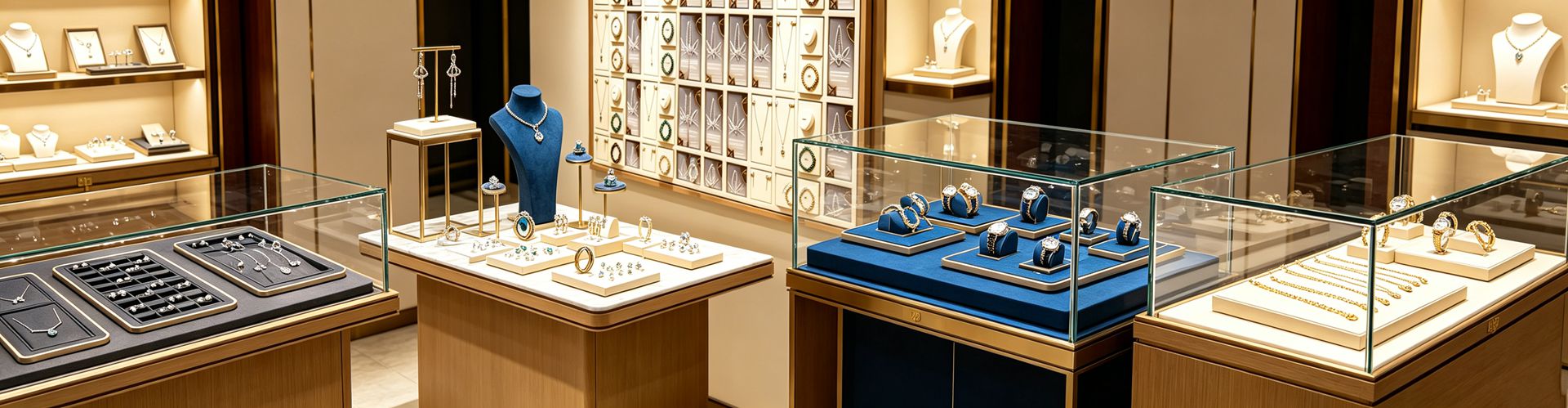 Q: Can packaging help with "not as described" returns?
A: More than most people realize. In Narvar's data, returns driven by "size or color not as described" ran as high as 46% at other retailers, with another 12%–14% citing "not as shown in photos." The root cause lives on the product page, but the package is the last moment of expectation management: when the physical piece, the certificate, and the printed card all match the listing, cognitive dissonance drops. The bigger lever is visual. High-quality product photography and AR try-on have been shown to cut "not as expected" returns by 22%–35%, and 360-degree visualization pushes that further by letting the buyer rotate the piece before committing. And a sturdy, camera-ready accessory packaging box is precisely what lets a brand shoot the same hero shot for the listing, the live stream, and the unboxing video without the box collapsing mid-shoot. The more the package survives shipping and the lens, the less likely a customer feels "this isn't what I ordered." Consistency between the box, the card, and the page is what turns a potential return into a quiet confirmation that they chose well. The detail that matters most is color: a box photographed under warm showroom light and shipped in cool daylight can read differently in the customer's hands, so brands that standardize their print and lighting avoid the "the photo lied" refund that no product description can fully prevent.
Q: What does one returned high-value piece actually cost?
A: A return is not a reversed sale; it is a stack of costs you already spent. Reverse-logistics firm Optoro, cited by Coresight Research, estimates that processing a single return costs about 66% of the item's price before you even count the refunded money. Worse, only about 48% of returned goods are resold at full price; the rest are discounted, liquidated, or written off entirely. Time itself is a cost: industry analyses put value depreciation during the return cycle at 20%–45% for seasonal and fashion-sensitive goods, so the later a unit is processed, the less it is worth even if untouched. Run the math on a $60 piece: a non-resellable return burns roughly $26 in hard cash—$18 in COGS write-off plus the $8 outbound label you already paid—and once you add return shipping and reprocessing labor, it climbs toward $37. A common rule of thumb in the trade: two returns can erase the profit on six or seven sales. The recommerce market, now around $245 billion globally, exists largely to absorb exactly these recovered-but-devalued goods. For a small brand already running thin margins, the few dozen cents spent on better jewelry packaging is what keeps an entire order's profit from going to zero.
Q: Returns are data, too—how can the box's return guidance convert a refund into a repurchase?
A: Smart brands design the return path into the package itself. A card printed with "exchange first," a membership invitation, and a warranty-registration QR code can turn a refund request into an exchange. Research shows steering refunds toward exchanges can retain up to 50% of the revenue that would otherwise walk away, and 87% of consumers say they are more likely to shop again with a retailer that lets them keep a slightly flawed item. Narvar also found that 90% of consumers say reliability matters more than speed—so a clear, dependable return promise printed in the box builds more loyalty than a rushed delivery ever could. In other words, the packaging table is the first scene of post-sale CRM: a card that is structurally simple, generously blank, and crystal-clear about next steps does more for the second purchase than an ornate gift box ever will. This also echoes a preference the market keeps validating—high-end, minimalist jewelry packaging design is more readily favored by customers, because it moves budget from decoration to structure and experience. When the box itself feels considered, the customer is less inclined to send the whole order back. The unboxing moment is the last chance to confirm the purchase was right; a box that feels flimsy at exactly that instant is what converts quiet doubt into a "changed my mind" refund.
Q: Can packaging help with "not as described" returns?
A: More than most people realize. In Narvar's data, returns driven by "size or color not as described" ran as high as 46% at other retailers, with another 12%–14% citing "not as shown in photos." The root cause lives on the product page, but the package is the last moment of expectation management: when the physical piece, the certificate, and the printed card all match the listing, cognitive dissonance drops. The bigger lever is visual. High-quality product photography and AR try-on have been shown to cut "not as expected" returns by 22%–35%, and 360-degree visualization pushes that further by letting the buyer rotate the piece before committing. And a sturdy, camera-ready accessory packaging box is precisely what lets a brand shoot the same hero shot for the listing, the live stream, and the unboxing video without the box collapsing mid-shoot. The more the package survives shipping and the lens, the less likely a customer feels "this isn't what I ordered." Consistency between the box, the card, and the page is what turns a potential return into a quiet confirmation that they chose well. The detail that matters most is color: a box photographed under warm showroom light and shipped in cool daylight can read differently in the customer's hands, so brands that standardize their print and lighting avoid the "the photo lied" refund that no product description can fully prevent.
Q: What does one returned high-value piece actually cost?
A: A return is not a reversed sale; it is a stack of costs you already spent. Reverse-logistics firm Optoro, cited by Coresight Research, estimates that processing a single return costs about 66% of the item's price before you even count the refunded money. Worse, only about 48% of returned goods are resold at full price; the rest are discounted, liquidated, or written off entirely. Time itself is a cost: industry analyses put value depreciation during the return cycle at 20%–45% for seasonal and fashion-sensitive goods, so the later a unit is processed, the less it is worth even if untouched. Run the math on a $60 piece: a non-resellable return burns roughly $26 in hard cash—$18 in COGS write-off plus the $8 outbound label you already paid—and once you add return shipping and reprocessing labor, it climbs toward $37. A common rule of thumb in the trade: two returns can erase the profit on six or seven sales. The recommerce market, now around $245 billion globally, exists largely to absorb exactly these recovered-but-devalued goods. For a small brand already running thin margins, the few dozen cents spent on better jewelry packaging is what keeps an entire order's profit from going to zero.
Q: Returns are data, too—how can the box's return guidance convert a refund into a repurchase?
A: Smart brands design the return path into the package itself. A card printed with "exchange first," a membership invitation, and a warranty-registration QR code can turn a refund request into an exchange. Research shows steering refunds toward exchanges can retain up to 50% of the revenue that would otherwise walk away, and 87% of consumers say they are more likely to shop again with a retailer that lets them keep a slightly flawed item. Narvar also found that 90% of consumers say reliability matters more than speed—so a clear, dependable return promise printed in the box builds more loyalty than a rushed delivery ever could. In other words, the packaging table is the first scene of post-sale CRM: a card that is structurally simple, generously blank, and crystal-clear about next steps does more for the second purchase than an ornate gift box ever will. This also echoes a preference the market keeps validating—high-end, minimalist jewelry packaging design is more readily favored by customers, because it moves budget from decoration to structure and experience. When the box itself feels considered, the customer is less inclined to send the whole order back. The unboxing moment is the last chance to confirm the purchase was right; a box that feels flimsy at exactly that instant is what converts quiet doubt into a "changed my mind" refund. Q: Why does a minimalist box actually resist returns better?
A: Because resisting returns is a test of reliability, not flash. An ornate gift box with layered cardstock, ribbons, and metal appliqués has more failure points and is more likely to loosen, compress, or show dirt in transit. A minimalist box invests all its tolerance in structure—lid rebound, magnet strength, lining fit. It hides nothing behind pattern, so any knock is visible and caught early, and it signals quality without asking the customer to decode decoration. It also simplifies the one step most brands skip: inbound QA. A plain box is faster to inspect on the way out and faster to grade on the way back, which means fewer defective units ever ship and fewer good units are wrongly rejected. For the brand, that is both a trust cue and a low-cost firewall against returns. Turning "will it break" into a measurable tolerance is exactly where jewelry packaging design should spend its effort. The box that survives the journey is the box that never becomes a return—and the brand that treats packaging as margin protection, not just presentation, is the one that keeps its profit where it belongs.
This is original content. Copyright belongs to Shenzhen Junyimei.
Q: Why does a minimalist box actually resist returns better?
A: Because resisting returns is a test of reliability, not flash. An ornate gift box with layered cardstock, ribbons, and metal appliqués has more failure points and is more likely to loosen, compress, or show dirt in transit. A minimalist box invests all its tolerance in structure—lid rebound, magnet strength, lining fit. It hides nothing behind pattern, so any knock is visible and caught early, and it signals quality without asking the customer to decode decoration. It also simplifies the one step most brands skip: inbound QA. A plain box is faster to inspect on the way out and faster to grade on the way back, which means fewer defective units ever ship and fewer good units are wrongly rejected. For the brand, that is both a trust cue and a low-cost firewall against returns. Turning "will it break" into a measurable tolerance is exactly where jewelry packaging design should spend its effort. The box that survives the journey is the box that never becomes a return—and the brand that treats packaging as margin protection, not just presentation, is the one that keeps its profit where it belongs.
This is original content. Copyright belongs to Shenzhen Junyimei.
Junyimei — present every jewel and timepiece at its best.大多数珠宝卖家盯着转化率,却很少有人算过一笔账:每退回一只戒指,你损失的远不止那笔货款。在逆向物流这门"看不见的生意"里,包装盒往往是第一道、也是最便宜的防线。 问:珠宝线上退货率到底有多高?跟包装有什么关系? 答:2025 年美国零售退货总额约 8499 亿美元,占销售额的 15.8%;线上退货率约 19.3%,差不多每五单就有一单回来(NRF 数据)。珠宝与配饰的结构性退货率偏低,约 8%(区间 5%–10%),远低于服装的 25%–40%——因为珠宝几乎没有尺码问题。但"偏低"不等于"没有"。一旦走线上,顾客看不见摸不着,退货动因就从尺码转向"货不对板"和"到手受损"。而这两类,恰恰和珠宝包装、首饰盒、饰品包装盒的设计强相关:包装决定开箱第一眼的预期,也决定运输途中的安全。更值得注意的是,时尚首饰的线上退货率其实更高,常达 22%–28%,因为颜色与质感比尺寸更难隔着屏幕判断;而礼赠季又叠加" bracketing(多买多选)"与节后集中退换,正是履约最无力承接逆向流动的窗口。 问:运输破损是退货一大主因,盒子能挡住多少? 答:Narvar 的全球研究显示,约 15%–21% 的退货源于"到货破损";包装顾问 GWP 把运输损坏归结为八大类——冲击、振动、潮湿、粉尘、温湿度、粗暴搬运、静电,以及"包装本身不对"。对珠宝这种小、硬、易刮、易在盒内位移的物件,最常见的是冲击与盒内碰撞。一只结构到位的首饰盒,靠内衬贴合、隔断固定、磁吸缓闭,把"零件在盒里乱撞"变成不可能;哑面特种纸比镜面覆膜更耐刮碰,也更不容易在分拣线上被当成空盒摔。深圳骏依美在珠宝盒定制上长期坚持的结构公差思路(折边误差小于 0.2 毫米、内衬与产品零间隙),本质上就是在替品牌把退货风险压到最低。振动是更隐蔽的敌人:当运输振动频率与产品固有频率重合,即便外盒看似完好,也可能松动搭扣、磨花表面,而这处微损恰恰是几周后"货不对板"退货的源头。账也算得清:GWP 的测算显示,一套带定制泡棉的保护壳也许要几百元,但它护住的零件可能值几千元——一旦退货开始流动,把包装做便宜几乎从不是更省的选择。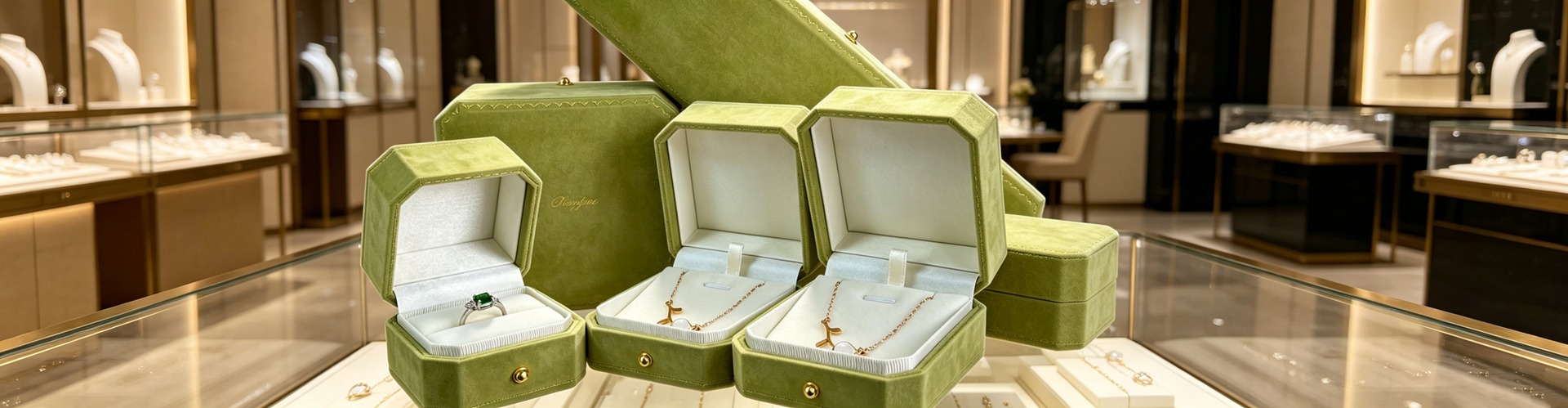 问:"货不对板"类退货,包装能帮忙吗?
答:能,而且常被忽略。Narvar 数据里,因"尺寸或颜色与描述不符"导致的退货,在其他零售商高达 46%;另有约 12%–14% 是因为"与图片不符"。这类退货的根因在页面,但包装是最后一道预期管理:当盒子里的实物、证书、卡纸颜色与详情页一致,顾客的认知冲突就小。更关键的是,高质量产品图与 AR 试戴能把"预期不符"类退货降低 22%–35%,360 度可视化更进一步,让买家在下单前就能转动查看。而能稳定上镜、不被压瘪的饰品包装盒,正是品牌愿意反复拍摄、放进直播和详情页的前提。最容易被忽视的是色彩一致:一只在暖光展厅拍下的盒子,到了冷白日光下邮寄到顾客手里,观感可能不一样——把印刷与打光标准化,才能挡住"照片骗了我"这类任何文案都补不回来的退款。包装越经得起运输和镜头,越不容易引发"和我想的不一样"的退货。
问:一只高客单珠宝退回来,隐形成本是多少?
答:退货不是"把款退掉"那么简单。逆向物流公司 Optoro 的数据被广泛引用:处理一次退货,平均要花掉商品售价的约 66%。更扎心的是,退回的商品里只有约 48% 能原价再售,其余要打折、清仓或核销。算一笔账:一只 60 美元的非可再售退货,硬成本约 26 美元(18 美元成本核销 + 8 美元已付 outbound 运费),加上退件运费与再处理,会逼近 37 美元。时间本身也是成本:行业分析把退货周期里的价值贬值估在 20%–45%,越是季节性与时尚敏感品,处理得越晚越不值钱;如今规模约 2450 亿美元的再循环市场,很大一部分就是专门消化这些"退回但已贬值"的货。行业里一句经验之谈:两笔退货,就能吃掉六七笔销售的利润。对毛利本就薄的小品牌,包装这几十美分的投入,撬动的是避免整单利润归零。
问:"货不对板"类退货,包装能帮忙吗?
答:能,而且常被忽略。Narvar 数据里,因"尺寸或颜色与描述不符"导致的退货,在其他零售商高达 46%;另有约 12%–14% 是因为"与图片不符"。这类退货的根因在页面,但包装是最后一道预期管理:当盒子里的实物、证书、卡纸颜色与详情页一致,顾客的认知冲突就小。更关键的是,高质量产品图与 AR 试戴能把"预期不符"类退货降低 22%–35%,360 度可视化更进一步,让买家在下单前就能转动查看。而能稳定上镜、不被压瘪的饰品包装盒,正是品牌愿意反复拍摄、放进直播和详情页的前提。最容易被忽视的是色彩一致:一只在暖光展厅拍下的盒子,到了冷白日光下邮寄到顾客手里,观感可能不一样——把印刷与打光标准化,才能挡住"照片骗了我"这类任何文案都补不回来的退款。包装越经得起运输和镜头,越不容易引发"和我想的不一样"的退货。
问:一只高客单珠宝退回来,隐形成本是多少?
答:退货不是"把款退掉"那么简单。逆向物流公司 Optoro 的数据被广泛引用:处理一次退货,平均要花掉商品售价的约 66%。更扎心的是,退回的商品里只有约 48% 能原价再售,其余要打折、清仓或核销。算一笔账:一只 60 美元的非可再售退货,硬成本约 26 美元(18 美元成本核销 + 8 美元已付 outbound 运费),加上退件运费与再处理,会逼近 37 美元。时间本身也是成本:行业分析把退货周期里的价值贬值估在 20%–45%,越是季节性与时尚敏感品,处理得越晚越不值钱;如今规模约 2450 亿美元的再循环市场,很大一部分就是专门消化这些"退回但已贬值"的货。行业里一句经验之谈:两笔退货,就能吃掉六七笔销售的利润。对毛利本就薄的小品牌,包装这几十美分的投入,撬动的是避免整单利润归零。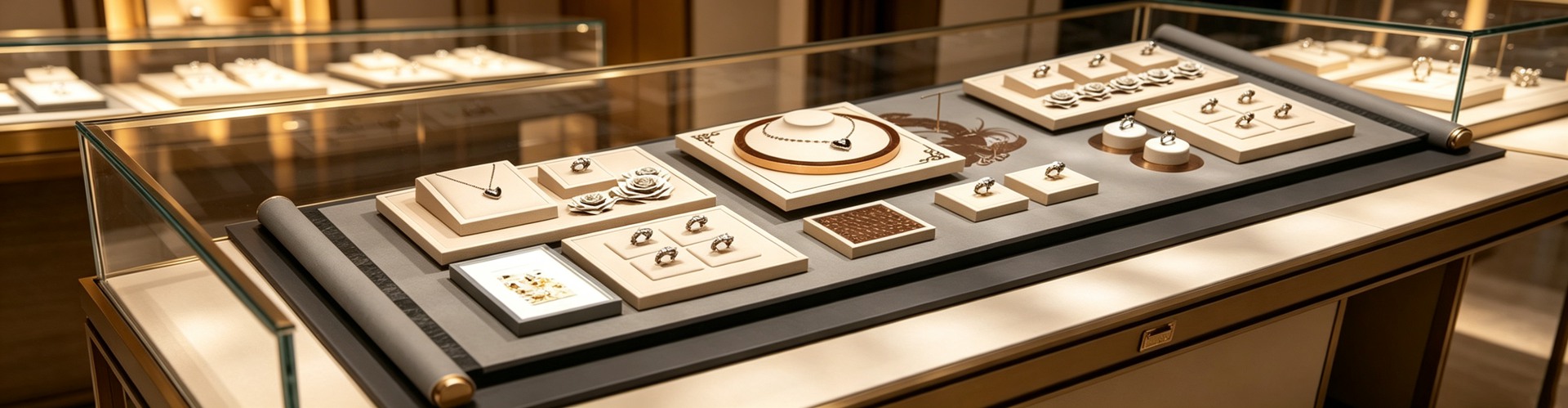 问:退货数据本身也是资产——盒子上的退换引导怎么用?
答:聪明的品牌把退货入口设计在包装里:一张印着换货优先、会员邀约、质保登记的卡片,能把"退款"扭转为"换货"。研究指出,把退款引导成换货,最高可保留约 50% 的营收;而 87% 的消费者表示,若商家允许他们留下轻微瑕疵品,反而更愿再次购买。换句话说,包装台是售后 CRM 的第一现场——一张结构简洁、留白克制、信息清晰的卡片,比繁复的礼盒更能促成二次关系。这也呼应一个常被验证的偏好:高端简约的珠宝包装设计,更容易被顾客青睐,因为它把预算从装饰挪到了结构与体验本身。
问:为什么简约盒反而更抗退货?
答:因为"抗退货"考验的是可靠,不是花哨。繁复礼盒多层卡纸、丝带、金属贴片,失效点更多,运输中也更易松脱、压陷、显脏;极简盒把全部容错交给结构精度——盖板的回弹、磁吸的力度、内衬的贴合。它不靠花纹遮丑,所以任何磕碰都无处遁形、也更容易被及时发现。对品牌而言,这既是品质信号,也是一道低成本的退货防火墙。把"会不会坏"变成可测量的公差,正是珠宝包装设计最该下功夫的地方。极简盒还顺手解决了多数品牌会跳过的那一步——入库质检:素净的盒子出货时更好查、退回时更好分级,于是更少的不良品流出、更少的良品被误退。它把"抗退货"从一个营销话术,变成了可量化、可复盘的工程指标。
本文为原创内容,版权归深圳骏依美所有,转载请注明出处。
问:退货数据本身也是资产——盒子上的退换引导怎么用?
答:聪明的品牌把退货入口设计在包装里:一张印着换货优先、会员邀约、质保登记的卡片,能把"退款"扭转为"换货"。研究指出,把退款引导成换货,最高可保留约 50% 的营收;而 87% 的消费者表示,若商家允许他们留下轻微瑕疵品,反而更愿再次购买。换句话说,包装台是售后 CRM 的第一现场——一张结构简洁、留白克制、信息清晰的卡片,比繁复的礼盒更能促成二次关系。这也呼应一个常被验证的偏好:高端简约的珠宝包装设计,更容易被顾客青睐,因为它把预算从装饰挪到了结构与体验本身。
问:为什么简约盒反而更抗退货?
答:因为"抗退货"考验的是可靠,不是花哨。繁复礼盒多层卡纸、丝带、金属贴片,失效点更多,运输中也更易松脱、压陷、显脏;极简盒把全部容错交给结构精度——盖板的回弹、磁吸的力度、内衬的贴合。它不靠花纹遮丑,所以任何磕碰都无处遁形、也更容易被及时发现。对品牌而言,这既是品质信号,也是一道低成本的退货防火墙。把"会不会坏"变成可测量的公差,正是珠宝包装设计最该下功夫的地方。极简盒还顺手解决了多数品牌会跳过的那一步——入库质检:素净的盒子出货时更好查、退回时更好分级,于是更少的不良品流出、更少的良品被误退。它把"抗退货"从一个营销话术,变成了可量化、可复盘的工程指标。
本文为原创内容,版权归深圳骏依美所有,转载请注明出处。
骏依美——让每一件珠宝与腕表,都被更好地呈现。
Q: Can packaging help with "not as described" returns?
A: More than most people realize. In Narvar's data, returns driven by "size or color not as described" ran as high as 46% at other retailers, with another 12%–14% citing "not as shown in photos." The root cause lives on the product page, but the package is the last moment of expectation management: when the physical piece, the certificate, and the printed card all match the listing, cognitive dissonance drops. The bigger lever is visual. High-quality product photography and AR try-on have been shown to cut "not as expected" returns by 22%–35%, and 360-degree visualization pushes that further by letting the buyer rotate the piece before committing. And a sturdy, camera-ready accessory packaging box is precisely what lets a brand shoot the same hero shot for the listing, the live stream, and the unboxing video without the box collapsing mid-shoot. The more the package survives shipping and the lens, the less likely a customer feels "this isn't what I ordered." Consistency between the box, the card, and the page is what turns a potential return into a quiet confirmation that they chose well. The detail that matters most is color: a box photographed under warm showroom light and shipped in cool daylight can read differently in the customer's hands, so brands that standardize their print and lighting avoid the "the photo lied" refund that no product description can fully prevent.
Q: What does one returned high-value piece actually cost?
A: A return is not a reversed sale; it is a stack of costs you already spent. Reverse-logistics firm Optoro, cited by Coresight Research, estimates that processing a single return costs about 66% of the item's price before you even count the refunded money. Worse, only about 48% of returned goods are resold at full price; the rest are discounted, liquidated, or written off entirely. Time itself is a cost: industry analyses put value depreciation during the return cycle at 20%–45% for seasonal and fashion-sensitive goods, so the later a unit is processed, the less it is worth even if untouched. Run the math on a $60 piece: a non-resellable return burns roughly $26 in hard cash—$18 in COGS write-off plus the $8 outbound label you already paid—and once you add return shipping and reprocessing labor, it climbs toward $37. A common rule of thumb in the trade: two returns can erase the profit on six or seven sales. The recommerce market, now around $245 billion globally, exists largely to absorb exactly these recovered-but-devalued goods. For a small brand already running thin margins, the few dozen cents spent on better jewelry packaging is what keeps an entire order's profit from going to zero.
Q: Returns are data, too—how can the box's return guidance convert a refund into a repurchase?
A: Smart brands design the return path into the package itself. A card printed with "exchange first," a membership invitation, and a warranty-registration QR code can turn a refund request into an exchange. Research shows steering refunds toward exchanges can retain up to 50% of the revenue that would otherwise walk away, and 87% of consumers say they are more likely to shop again with a retailer that lets them keep a slightly flawed item. Narvar also found that 90% of consumers say reliability matters more than speed—so a clear, dependable return promise printed in the box builds more loyalty than a rushed delivery ever could. In other words, the packaging table is the first scene of post-sale CRM: a card that is structurally simple, generously blank, and crystal-clear about next steps does more for the second purchase than an ornate gift box ever will. This also echoes a preference the market keeps validating—high-end, minimalist jewelry packaging design is more readily favored by customers, because it moves budget from decoration to structure and experience. When the box itself feels considered, the customer is less inclined to send the whole order back. The unboxing moment is the last chance to confirm the purchase was right; a box that feels flimsy at exactly that instant is what converts quiet doubt into a "changed my mind" refund.
Q: Why does a minimalist box actually resist returns better?
A: Because resisting returns is a test of reliability, not flash. An ornate gift box with layered cardstock, ribbons, and metal appliqués has more failure points and is more likely to loosen, compress, or show dirt in transit. A minimalist box invests all its tolerance in structure—lid rebound, magnet strength, lining fit. It hides nothing behind pattern, so any knock is visible and caught early, and it signals quality without asking the customer to decode decoration. It also simplifies the one step most brands skip: inbound QA. A plain box is faster to inspect on the way out and faster to grade on the way back, which means fewer defective units ever ship and fewer good units are wrongly rejected. For the brand, that is both a trust cue and a low-cost firewall against returns. Turning "will it break" into a measurable tolerance is exactly where jewelry packaging design should spend its effort. The box that survives the journey is the box that never becomes a return—and the brand that treats packaging as margin protection, not just presentation, is the one that keeps its profit where it belongs.
This is original content. Copyright belongs to Shenzhen Junyimei.Junyimei — present every jewel and timepiece at its best.大多数珠宝卖家盯着转化率,却很少有人算过一笔账:每退回一只戒指,你损失的远不止那笔货款。在逆向物流这门"看不见的生意"里,包装盒往往是第一道、也是最便宜的防线。 问:珠宝线上退货率到底有多高?跟包装有什么关系? 答:2025 年美国零售退货总额约 8499 亿美元,占销售额的 15.8%;线上退货率约 19.3%,差不多每五单就有一单回来(NRF 数据)。珠宝与配饰的结构性退货率偏低,约 8%(区间 5%–10%),远低于服装的 25%–40%——因为珠宝几乎没有尺码问题。但"偏低"不等于"没有"。一旦走线上,顾客看不见摸不着,退货动因就从尺码转向"货不对板"和"到手受损"。而这两类,恰恰和珠宝包装、首饰盒、饰品包装盒的设计强相关:包装决定开箱第一眼的预期,也决定运输途中的安全。更值得注意的是,时尚首饰的线上退货率其实更高,常达 22%–28%,因为颜色与质感比尺寸更难隔着屏幕判断;而礼赠季又叠加" bracketing(多买多选)"与节后集中退换,正是履约最无力承接逆向流动的窗口。 问:运输破损是退货一大主因,盒子能挡住多少? 答:Narvar 的全球研究显示,约 15%–21% 的退货源于"到货破损";包装顾问 GWP 把运输损坏归结为八大类——冲击、振动、潮湿、粉尘、温湿度、粗暴搬运、静电,以及"包装本身不对"。对珠宝这种小、硬、易刮、易在盒内位移的物件,最常见的是冲击与盒内碰撞。一只结构到位的首饰盒,靠内衬贴合、隔断固定、磁吸缓闭,把"零件在盒里乱撞"变成不可能;哑面特种纸比镜面覆膜更耐刮碰,也更不容易在分拣线上被当成空盒摔。深圳骏依美在珠宝盒定制上长期坚持的结构公差思路(折边误差小于 0.2 毫米、内衬与产品零间隙),本质上就是在替品牌把退货风险压到最低。振动是更隐蔽的敌人:当运输振动频率与产品固有频率重合,即便外盒看似完好,也可能松动搭扣、磨花表面,而这处微损恰恰是几周后"货不对板"退货的源头。账也算得清:GWP 的测算显示,一套带定制泡棉的保护壳也许要几百元,但它护住的零件可能值几千元——一旦退货开始流动,把包装做便宜几乎从不是更省的选择。
问:"货不对板"类退货,包装能帮忙吗?
答:能,而且常被忽略。Narvar 数据里,因"尺寸或颜色与描述不符"导致的退货,在其他零售商高达 46%;另有约 12%–14% 是因为"与图片不符"。这类退货的根因在页面,但包装是最后一道预期管理:当盒子里的实物、证书、卡纸颜色与详情页一致,顾客的认知冲突就小。更关键的是,高质量产品图与 AR 试戴能把"预期不符"类退货降低 22%–35%,360 度可视化更进一步,让买家在下单前就能转动查看。而能稳定上镜、不被压瘪的饰品包装盒,正是品牌愿意反复拍摄、放进直播和详情页的前提。最容易被忽视的是色彩一致:一只在暖光展厅拍下的盒子,到了冷白日光下邮寄到顾客手里,观感可能不一样——把印刷与打光标准化,才能挡住"照片骗了我"这类任何文案都补不回来的退款。包装越经得起运输和镜头,越不容易引发"和我想的不一样"的退货。
问:一只高客单珠宝退回来,隐形成本是多少?
答:退货不是"把款退掉"那么简单。逆向物流公司 Optoro 的数据被广泛引用:处理一次退货,平均要花掉商品售价的约 66%。更扎心的是,退回的商品里只有约 48% 能原价再售,其余要打折、清仓或核销。算一笔账:一只 60 美元的非可再售退货,硬成本约 26 美元(18 美元成本核销 + 8 美元已付 outbound 运费),加上退件运费与再处理,会逼近 37 美元。时间本身也是成本:行业分析把退货周期里的价值贬值估在 20%–45%,越是季节性与时尚敏感品,处理得越晚越不值钱;如今规模约 2450 亿美元的再循环市场,很大一部分就是专门消化这些"退回但已贬值"的货。行业里一句经验之谈:两笔退货,就能吃掉六七笔销售的利润。对毛利本就薄的小品牌,包装这几十美分的投入,撬动的是避免整单利润归零。
问:退货数据本身也是资产——盒子上的退换引导怎么用?
答:聪明的品牌把退货入口设计在包装里:一张印着换货优先、会员邀约、质保登记的卡片,能把"退款"扭转为"换货"。研究指出,把退款引导成换货,最高可保留约 50% 的营收;而 87% 的消费者表示,若商家允许他们留下轻微瑕疵品,反而更愿再次购买。换句话说,包装台是售后 CRM 的第一现场——一张结构简洁、留白克制、信息清晰的卡片,比繁复的礼盒更能促成二次关系。这也呼应一个常被验证的偏好:高端简约的珠宝包装设计,更容易被顾客青睐,因为它把预算从装饰挪到了结构与体验本身。
问:为什么简约盒反而更抗退货?
答:因为"抗退货"考验的是可靠,不是花哨。繁复礼盒多层卡纸、丝带、金属贴片,失效点更多,运输中也更易松脱、压陷、显脏;极简盒把全部容错交给结构精度——盖板的回弹、磁吸的力度、内衬的贴合。它不靠花纹遮丑,所以任何磕碰都无处遁形、也更容易被及时发现。对品牌而言,这既是品质信号,也是一道低成本的退货防火墙。把"会不会坏"变成可测量的公差,正是珠宝包装设计最该下功夫的地方。极简盒还顺手解决了多数品牌会跳过的那一步——入库质检:素净的盒子出货时更好查、退回时更好分级,于是更少的不良品流出、更少的良品被误退。它把"抗退货"从一个营销话术,变成了可量化、可复盘的工程指标。
本文为原创内容,版权归深圳骏依美所有,转载请注明出处。骏依美——让每一件珠宝与腕表,都被更好地呈现。