Watch Display at Trade Shows: Three Moves That Make Overseas Buyers Stop展会腕表陈列:三招让海外买家愿意驻足
For watch brands serving international markets, a trade show is not a place to pile up inventory, it is a concentrated chance to prove your strength to overseas buyers. Across a few short days, competitors stand shoulder to shoulder and attention is scarce. Whether your watch display can stop a professional buyer within three seconds directly sets the size of your follow-up pipeline. Quite a few Chinese watch-accessory suppliers have entered European buyer systems precisely because of the display details shown at one show.
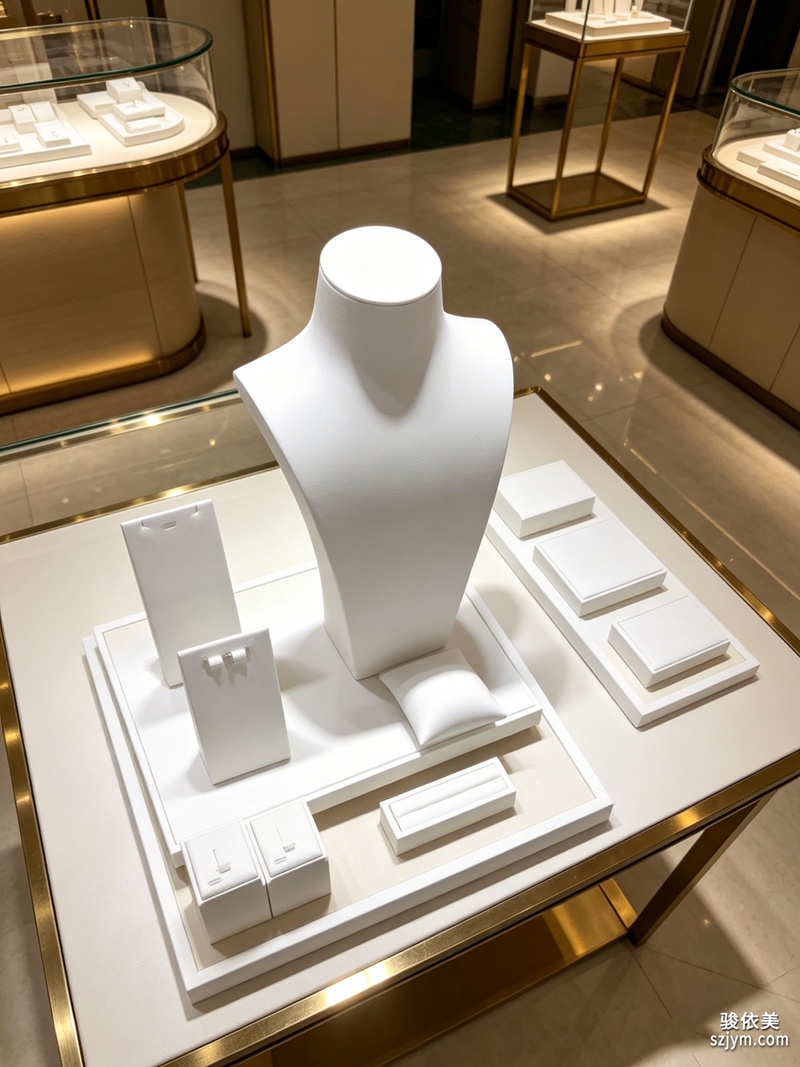 Trick one is subtraction. Overseas buyers move fast and dread information overload. A booth should tell one clear product story, say this season's dive watches or business dress watches, presented coherently with matching watch stands and watch walls, rather than cramming every model onto the table. The more negative space, the more the craft of a single timepiece is magnified.
Trick two is to make the watches move. A static flat layout, however pretty, cannot match the life that a slowly rotating dial brings. Equip key positions with adjustable-speed rotating watch stands so light flows across the bezel and dial; details like brushed metal, ceramic sheen, and sapphire crystal speak for themselves. This subtle difference is what separates wholesale piling from brand showcasing.
Trick one is subtraction. Overseas buyers move fast and dread information overload. A booth should tell one clear product story, say this season's dive watches or business dress watches, presented coherently with matching watch stands and watch walls, rather than cramming every model onto the table. The more negative space, the more the craft of a single timepiece is magnified.
Trick two is to make the watches move. A static flat layout, however pretty, cannot match the life that a slowly rotating dial brings. Equip key positions with adjustable-speed rotating watch stands so light flows across the bezel and dial; details like brushed metal, ceramic sheen, and sapphire crystal speak for themselves. This subtle difference is what separates wholesale piling from brand showcasing.
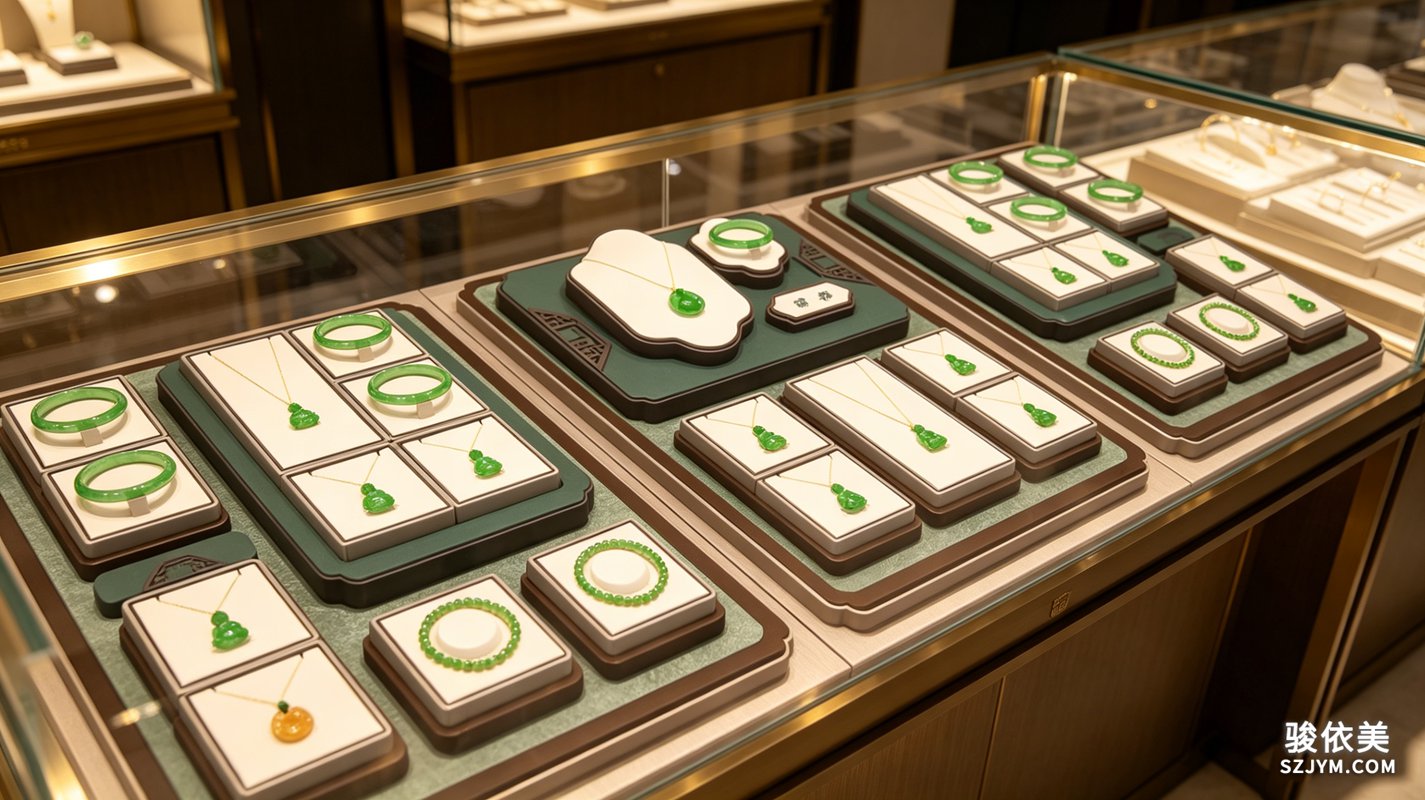 Trick three is unified language. International buyers come from many countries and may not read every caption, but visual language is universal. Use consistent dark backdrops, metallic frames, and restrained lighting to state your brand tone at once; pair them with a few English selling-point cards highlighting movement type, water resistance, and limited-edition details, professional yet terse.
Watch display at a trade show is, in essence, your first self-introduction. Clarify the主线, let the watches turn, and unify the tone visually, and overseas buyers will naturally pause to hear your next story.
This article is original content copyrighted by JunyiMei. Please credit the source if reprinted.
JunyiMei builds watch displays that help global brands turn a booth into a quiet, confident statement.
We craft stands and walls that let every timepiece present its own mechanical story.对于做国际市场的腕表品牌来说,展会不是摆货的场地,而是一次集中向海外买家证明实力的机会。短短几天的展期里,同行林立、视线拥挤,你的腕表陈列能不能在三秒内抓住专业买家的脚步,直接决定了后续洽谈的基数。不少中国腕表配件商正是靠一场展会的陈列细节,拿到了进入欧洲买手体系的入场券。
第一招是做「减法」。海外买家看展节奏快,最怕信息过载。一个展位最好只讲清楚一条产品主线,比如本季主推的潜水表或商务正装表,用同系列的表座、表墙做连贯呈现,而不是把全部款式堆满桌面。留白越多,单只腕表的工艺越被放大。有些品牌还会在留白处放一面窄镜,借反射把展位视觉拉宽,小 booth 也能显出大格局。
第二招是让腕表「转起来」。静态平放再好看,也比不过缓缓转动的表盘带来的生命力。在关键展位配置可调速的旋转表座,让光影在表圈和表盘上流动,金属拉丝、陶瓷光泽、蓝宝石镜面这些细节会自己说话。这也是区分「批发铺货」与「品牌展示」的微妙之处。旋转速度别贪快,每分钟一两圈最舒服,太快反而让人眼晕、看不清盘面刻度。
第三招是统一语言。国际买家来自不同国家,文字说明未必都读得懂,但视觉语言是通用的。用一致的深色调背板、金属质感边框和克制灯光,把品牌调性一次性讲清楚;搭配少量英文卖点卡,点出机芯类型、防水深度、限量信息,既专业又不啰嗦。展会结束后的复盘也值得做:记录哪些陈列位停留人数最多、哪只表被询问最频繁,下一站就能照着放大。
展会上的腕表陈列,本质是替你完成第一次自我介绍。把主线讲清、让表转动、用视觉统一调性,海外买家自然愿意停下来,听你讲下一个故事。
本文为原创内容,版权归骏依美所有。如需转载请注明出处。
骏依美深耕腕表陈列道具,以国际视野为每一个表款找到最合适的展陈方式。
JunyiMei builds watch displays that help global brands turn a booth into a quiet, confident statement.
Trick three is unified language. International buyers come from many countries and may not read every caption, but visual language is universal. Use consistent dark backdrops, metallic frames, and restrained lighting to state your brand tone at once; pair them with a few English selling-point cards highlighting movement type, water resistance, and limited-edition details, professional yet terse.
Watch display at a trade show is, in essence, your first self-introduction. Clarify the主线, let the watches turn, and unify the tone visually, and overseas buyers will naturally pause to hear your next story.
This article is original content copyrighted by JunyiMei. Please credit the source if reprinted.
JunyiMei builds watch displays that help global brands turn a booth into a quiet, confident statement.
We craft stands and walls that let every timepiece present its own mechanical story.对于做国际市场的腕表品牌来说,展会不是摆货的场地,而是一次集中向海外买家证明实力的机会。短短几天的展期里,同行林立、视线拥挤,你的腕表陈列能不能在三秒内抓住专业买家的脚步,直接决定了后续洽谈的基数。不少中国腕表配件商正是靠一场展会的陈列细节,拿到了进入欧洲买手体系的入场券。
第一招是做「减法」。海外买家看展节奏快,最怕信息过载。一个展位最好只讲清楚一条产品主线,比如本季主推的潜水表或商务正装表,用同系列的表座、表墙做连贯呈现,而不是把全部款式堆满桌面。留白越多,单只腕表的工艺越被放大。有些品牌还会在留白处放一面窄镜,借反射把展位视觉拉宽,小 booth 也能显出大格局。
第二招是让腕表「转起来」。静态平放再好看,也比不过缓缓转动的表盘带来的生命力。在关键展位配置可调速的旋转表座,让光影在表圈和表盘上流动,金属拉丝、陶瓷光泽、蓝宝石镜面这些细节会自己说话。这也是区分「批发铺货」与「品牌展示」的微妙之处。旋转速度别贪快,每分钟一两圈最舒服,太快反而让人眼晕、看不清盘面刻度。
第三招是统一语言。国际买家来自不同国家,文字说明未必都读得懂,但视觉语言是通用的。用一致的深色调背板、金属质感边框和克制灯光,把品牌调性一次性讲清楚;搭配少量英文卖点卡,点出机芯类型、防水深度、限量信息,既专业又不啰嗦。展会结束后的复盘也值得做:记录哪些陈列位停留人数最多、哪只表被询问最频繁,下一站就能照着放大。
展会上的腕表陈列,本质是替你完成第一次自我介绍。把主线讲清、让表转动、用视觉统一调性,海外买家自然愿意停下来,听你讲下一个故事。
本文为原创内容,版权归骏依美所有。如需转载请注明出处。
骏依美深耕腕表陈列道具,以国际视野为每一个表款找到最合适的展陈方式。
JunyiMei builds watch displays that help global brands turn a booth into a quiet, confident statement.
Trick one is subtraction. Overseas buyers move fast and dread information overload. A booth should tell one clear product story, say this season's dive watches or business dress watches, presented coherently with matching watch stands and watch walls, rather than cramming every model onto the table. The more negative space, the more the craft of a single timepiece is magnified.
Trick two is to make the watches move. A static flat layout, however pretty, cannot match the life that a slowly rotating dial brings. Equip key positions with adjustable-speed rotating watch stands so light flows across the bezel and dial; details like brushed metal, ceramic sheen, and sapphire crystal speak for themselves. This subtle difference is what separates wholesale piling from brand showcasing.
Trick three is unified language. International buyers come from many countries and may not read every caption, but visual language is universal. Use consistent dark backdrops, metallic frames, and restrained lighting to state your brand tone at once; pair them with a few English selling-point cards highlighting movement type, water resistance, and limited-edition details, professional yet terse.
Watch display at a trade show is, in essence, your first self-introduction. Clarify the主线, let the watches turn, and unify the tone visually, and overseas buyers will naturally pause to hear your next story.
This article is original content copyrighted by JunyiMei. Please credit the source if reprinted.
JunyiMei builds watch displays that help global brands turn a booth into a quiet, confident statement.
We craft stands and walls that let every timepiece present its own mechanical story.对于做国际市场的腕表品牌来说,展会不是摆货的场地,而是一次集中向海外买家证明实力的机会。短短几天的展期里,同行林立、视线拥挤,你的腕表陈列能不能在三秒内抓住专业买家的脚步,直接决定了后续洽谈的基数。不少中国腕表配件商正是靠一场展会的陈列细节,拿到了进入欧洲买手体系的入场券。
第一招是做「减法」。海外买家看展节奏快,最怕信息过载。一个展位最好只讲清楚一条产品主线,比如本季主推的潜水表或商务正装表,用同系列的表座、表墙做连贯呈现,而不是把全部款式堆满桌面。留白越多,单只腕表的工艺越被放大。有些品牌还会在留白处放一面窄镜,借反射把展位视觉拉宽,小 booth 也能显出大格局。
第二招是让腕表「转起来」。静态平放再好看,也比不过缓缓转动的表盘带来的生命力。在关键展位配置可调速的旋转表座,让光影在表圈和表盘上流动,金属拉丝、陶瓷光泽、蓝宝石镜面这些细节会自己说话。这也是区分「批发铺货」与「品牌展示」的微妙之处。旋转速度别贪快,每分钟一两圈最舒服,太快反而让人眼晕、看不清盘面刻度。
第三招是统一语言。国际买家来自不同国家,文字说明未必都读得懂,但视觉语言是通用的。用一致的深色调背板、金属质感边框和克制灯光,把品牌调性一次性讲清楚;搭配少量英文卖点卡,点出机芯类型、防水深度、限量信息,既专业又不啰嗦。展会结束后的复盘也值得做:记录哪些陈列位停留人数最多、哪只表被询问最频繁,下一站就能照着放大。
展会上的腕表陈列,本质是替你完成第一次自我介绍。把主线讲清、让表转动、用视觉统一调性,海外买家自然愿意停下来,听你讲下一个故事。
本文为原创内容,版权归骏依美所有。如需转载请注明出处。
骏依美深耕腕表陈列道具,以国际视野为每一个表款找到最合适的展陈方式。
JunyiMei builds watch displays that help global brands turn a booth into a quiet, confident statement.