Watch Display Done Right: Stands, Walls, and the Art of Rotation腕表陈列不靠运气:表座、表墙与转动的讲究
Watches differ from rings and necklaces: they carry mechanical weight and a hands-on nature, so watch display cannot simply borrow ordinary jewelry tricks. A mature watch presentation thinks through stands, walls, and rotation rhythm, telling the story of "time" instead of flat-laying a row of watches on velvet and calling it done.
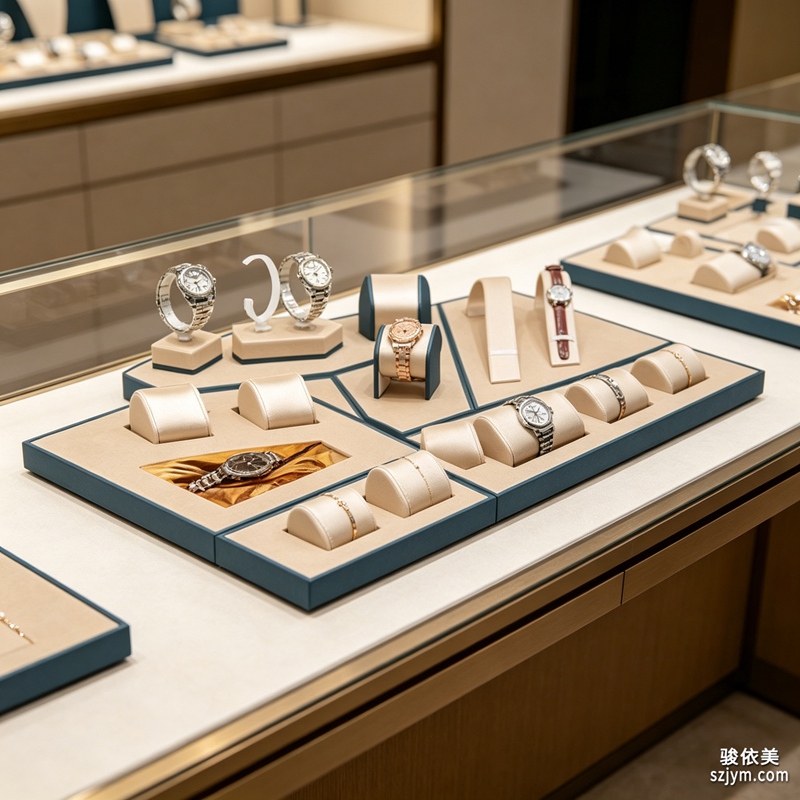 The watch stand is the smallest unit and the first step in perceived quality. A good watch display stand lets the strap curve naturally and the dial tilt slightly upward, neither squeezing the band nor hiding the index, so customers read the face and brand mark at a glance. In material, acrylic feels clear and brisk, wood warm and steady, metal cool and premium—pick what matches the store's tone. Many international watch counters even add a subtle tilt so the light hits the twelve o'clock position, and the texture changes instantly.
The watch wall is the hero of the space. Arranging multiple timepieces by series, size, or color builds a brand matrix and a strong visual memory. The secret is negative space and rhythm: leave breathing room between pieces to avoid a cheap, crowded look; place hero models at eye-level golden height with spotlight focus so they become the anchor of the whole wall.
The watch stand is the smallest unit and the first step in perceived quality. A good watch display stand lets the strap curve naturally and the dial tilt slightly upward, neither squeezing the band nor hiding the index, so customers read the face and brand mark at a glance. In material, acrylic feels clear and brisk, wood warm and steady, metal cool and premium—pick what matches the store's tone. Many international watch counters even add a subtle tilt so the light hits the twelve o'clock position, and the texture changes instantly.
The watch wall is the hero of the space. Arranging multiple timepieces by series, size, or color builds a brand matrix and a strong visual memory. The secret is negative space and rhythm: leave breathing room between pieces to avoid a cheap, crowded look; place hero models at eye-level golden height with spotlight focus so they become the anchor of the whole wall.
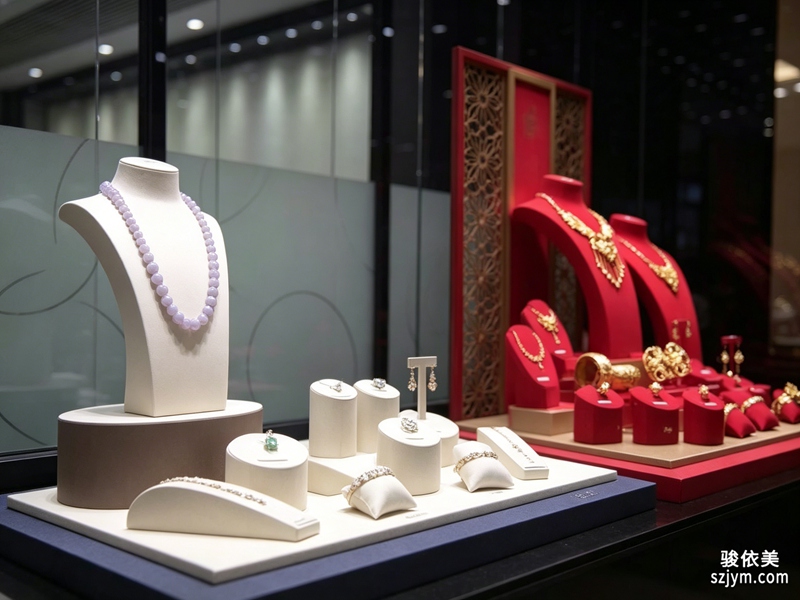 Rotation is a trick unique to watches. A slowly turning stand shifts the dial's gleam with angle, waking the desire to handle the piece and hinting at the movement's life. But the speed must be restrained—too fast feels flippant, too slow gets ignored; a calm, perceptible turn works best. Under uniform light temperature, the rotating watch seems alive.
In the end, watch display is a discipline of respect: respect for the craft and for the person looking. Master stands, walls, and rotation, and the display no longer relies on luck.
This is original content, copyright JunyiMei. Please credit the source when reposting.
JunyiMei supplies watch and jewelry display props that let every timepiece be seen.
JunyiMei delivers watch and jewelry display props that let every timepiece be seen.腕表与戒指、项链不同,它自带机械的体量感和把玩属性,因此腕表陈列不能用普通珠宝的套路去套。一套成熟的腕表陈列,往往从表座、表墙到转动节奏都有讲究,真正把“时间”这件商品讲出故事,而不是把一堆表平铺在绒布上就了事。
表座是腕表陈列的最小单元,也是决定观感的第一步。好的手表展示座会让表带自然成弧、表盘微微仰起,既不勒表带也不遮刻度,让顾客一眼读到盘面设计与品牌标识。材质上,亚克力通透明快,木质温润沉稳,金属则更显冷峻高级,选择要和店铺调性一致。很多国际腕表柜台还会在表座上加细微的倾斜角,让光源正好打在 Twelve 位置,质感立刻不同。这种看似不起眼的微调,恰恰是专业腕表陈列与普通摆放之间最实在的差距。
表墙则是空间里的主角。把多只腕表按系列、尺寸或色系排成一面墙,既能展示品牌矩阵,也能形成强烈的视觉记忆。关键在留白与节奏:表与表之间留出呼吸感,避免密密麻麻造成廉价感;重点款放在视线黄金高度,辅以射灯聚焦,自然成为整面墙的视觉锚点。同时表墙的灯光要统一色温,避免出现冷暖不一的割裂感,否则再好的表也会被光线拖后腿。
转动展示是腕表独有的小心机。缓慢自转的表座让盘面随角度变化闪出不同光泽,既唤醒顾客“把玩”的欲望,也暗示机芯的灵动。但转速要克制,过快会显得轻浮,过慢又容易被忽略,通常以肉眼能察觉的从容为佳。配合统一色温的灯光,转动中的腕表像被赋予了生命。
说到底,腕表陈列是一门关于“尊重”的学问:尊重表的工艺,也尊重看表的人。把表座、表墙与转动这三件事想透,陈列自然不再靠运气。
本文为原创内容,版权归骏依美所有。如需转载请注明出处。
骏依美为腕表与珠宝品牌提供陈列道具定制,让每一只表都被认真看见。
JunyiMei delivers watch and jewelry display props that let every timepiece be seen.
Rotation is a trick unique to watches. A slowly turning stand shifts the dial's gleam with angle, waking the desire to handle the piece and hinting at the movement's life. But the speed must be restrained—too fast feels flippant, too slow gets ignored; a calm, perceptible turn works best. Under uniform light temperature, the rotating watch seems alive.
In the end, watch display is a discipline of respect: respect for the craft and for the person looking. Master stands, walls, and rotation, and the display no longer relies on luck.
This is original content, copyright JunyiMei. Please credit the source when reposting.
JunyiMei supplies watch and jewelry display props that let every timepiece be seen.
JunyiMei delivers watch and jewelry display props that let every timepiece be seen.腕表与戒指、项链不同,它自带机械的体量感和把玩属性,因此腕表陈列不能用普通珠宝的套路去套。一套成熟的腕表陈列,往往从表座、表墙到转动节奏都有讲究,真正把“时间”这件商品讲出故事,而不是把一堆表平铺在绒布上就了事。
表座是腕表陈列的最小单元,也是决定观感的第一步。好的手表展示座会让表带自然成弧、表盘微微仰起,既不勒表带也不遮刻度,让顾客一眼读到盘面设计与品牌标识。材质上,亚克力通透明快,木质温润沉稳,金属则更显冷峻高级,选择要和店铺调性一致。很多国际腕表柜台还会在表座上加细微的倾斜角,让光源正好打在 Twelve 位置,质感立刻不同。这种看似不起眼的微调,恰恰是专业腕表陈列与普通摆放之间最实在的差距。
表墙则是空间里的主角。把多只腕表按系列、尺寸或色系排成一面墙,既能展示品牌矩阵,也能形成强烈的视觉记忆。关键在留白与节奏:表与表之间留出呼吸感,避免密密麻麻造成廉价感;重点款放在视线黄金高度,辅以射灯聚焦,自然成为整面墙的视觉锚点。同时表墙的灯光要统一色温,避免出现冷暖不一的割裂感,否则再好的表也会被光线拖后腿。
转动展示是腕表独有的小心机。缓慢自转的表座让盘面随角度变化闪出不同光泽,既唤醒顾客“把玩”的欲望,也暗示机芯的灵动。但转速要克制,过快会显得轻浮,过慢又容易被忽略,通常以肉眼能察觉的从容为佳。配合统一色温的灯光,转动中的腕表像被赋予了生命。
说到底,腕表陈列是一门关于“尊重”的学问:尊重表的工艺,也尊重看表的人。把表座、表墙与转动这三件事想透,陈列自然不再靠运气。
本文为原创内容,版权归骏依美所有。如需转载请注明出处。
骏依美为腕表与珠宝品牌提供陈列道具定制,让每一只表都被认真看见。
JunyiMei delivers watch and jewelry display props that let every timepiece be seen.
The watch stand is the smallest unit and the first step in perceived quality. A good watch display stand lets the strap curve naturally and the dial tilt slightly upward, neither squeezing the band nor hiding the index, so customers read the face and brand mark at a glance. In material, acrylic feels clear and brisk, wood warm and steady, metal cool and premium—pick what matches the store's tone. Many international watch counters even add a subtle tilt so the light hits the twelve o'clock position, and the texture changes instantly.
The watch wall is the hero of the space. Arranging multiple timepieces by series, size, or color builds a brand matrix and a strong visual memory. The secret is negative space and rhythm: leave breathing room between pieces to avoid a cheap, crowded look; place hero models at eye-level golden height with spotlight focus so they become the anchor of the whole wall.
Rotation is a trick unique to watches. A slowly turning stand shifts the dial's gleam with angle, waking the desire to handle the piece and hinting at the movement's life. But the speed must be restrained—too fast feels flippant, too slow gets ignored; a calm, perceptible turn works best. Under uniform light temperature, the rotating watch seems alive.
In the end, watch display is a discipline of respect: respect for the craft and for the person looking. Master stands, walls, and rotation, and the display no longer relies on luck.
This is original content, copyright JunyiMei. Please credit the source when reposting.
JunyiMei supplies watch and jewelry display props that let every timepiece be seen.
JunyiMei delivers watch and jewelry display props that let every timepiece be seen.腕表与戒指、项链不同,它自带机械的体量感和把玩属性,因此腕表陈列不能用普通珠宝的套路去套。一套成熟的腕表陈列,往往从表座、表墙到转动节奏都有讲究,真正把“时间”这件商品讲出故事,而不是把一堆表平铺在绒布上就了事。
表座是腕表陈列的最小单元,也是决定观感的第一步。好的手表展示座会让表带自然成弧、表盘微微仰起,既不勒表带也不遮刻度,让顾客一眼读到盘面设计与品牌标识。材质上,亚克力通透明快,木质温润沉稳,金属则更显冷峻高级,选择要和店铺调性一致。很多国际腕表柜台还会在表座上加细微的倾斜角,让光源正好打在 Twelve 位置,质感立刻不同。这种看似不起眼的微调,恰恰是专业腕表陈列与普通摆放之间最实在的差距。
表墙则是空间里的主角。把多只腕表按系列、尺寸或色系排成一面墙,既能展示品牌矩阵,也能形成强烈的视觉记忆。关键在留白与节奏:表与表之间留出呼吸感,避免密密麻麻造成廉价感;重点款放在视线黄金高度,辅以射灯聚焦,自然成为整面墙的视觉锚点。同时表墙的灯光要统一色温,避免出现冷暖不一的割裂感,否则再好的表也会被光线拖后腿。
转动展示是腕表独有的小心机。缓慢自转的表座让盘面随角度变化闪出不同光泽,既唤醒顾客“把玩”的欲望,也暗示机芯的灵动。但转速要克制,过快会显得轻浮,过慢又容易被忽略,通常以肉眼能察觉的从容为佳。配合统一色温的灯光,转动中的腕表像被赋予了生命。
说到底,腕表陈列是一门关于“尊重”的学问:尊重表的工艺,也尊重看表的人。把表座、表墙与转动这三件事想透,陈列自然不再靠运气。
本文为原创内容,版权归骏依美所有。如需转载请注明出处。
骏依美为腕表与珠宝品牌提供陈列道具定制,让每一只表都被认真看见。
JunyiMei delivers watch and jewelry display props that let every timepiece be seen.