Why More People Buy Jewelry Just for Themselves买给自己的珠宝
More and more jewelry sales are closing in a moment when no one else is in the room. No proposal, no anniversary, no recipient — just you, deciding to reward yourself. When jewelry is no longer something you wait to be given, the box stops being a costume performed for others. It becomes a small, quiet proof that you rewarded yourself.
Q1: How big is buying jewelry for yourself, really?
Bigger than most people assume. The NIQ 2026 Jewelry Gifting Report, commissioned by De Beers, found that 95% plan to buy jewelry within the next 12 months. Among "gift recipients," "myself" comes in at 54%, now alongside "partner" (58%) as one of the two dominant scenarios. More tellingly, among those buying for themselves, "celebrating a special day" accounts for 68% and "rewarding myself" for 48%. De Beers' 2025 China Diamond Buyer study delivers a sharper figure: non-bridal scenarios already make up 81% of the value of China's natural diamond market, and 46% of buyers choose to purchase to reward themselves — a higher share than the 36% buying for engagements or weddings. The female self-purchase rate has passed 45%; 52% of necklace purchases are for own use versus 33% as gifts; and 58% of purchases are decided by the woman alone. Behind the numbers: "waiting to be given" is quietly being replaced by "buying it myself."
Q2: Why does "rewarding yourself" follow a different packaging logic?
The difference is one word: audience. Gifting is a "performance for society" — the box must prove to the recipient that you cared and that the gift was not cheap, so the surface must be refined but never so flashy it creates a letdown. When you buy for yourself, the audience disappears; the box travels from counter to dresser through your hands alone. Packaging shifts from "social performance" to "private ritual." The data backs this: non-bridal scenes are 81% of the diamond market; Nielsen 2025 found 68% of Chinese consumers willing to pay more for products that help them relax and relieve stress; Douyin's Women's Day data showed jewelry group-buying up 189% and gold up 652%, much of that "buying for myself." With no audience, the box no longer has to explain "I am expensive" to anyone — it only has to make the moment feel like yours.
Q3: What do self-gifting buyers actually want from packaging?
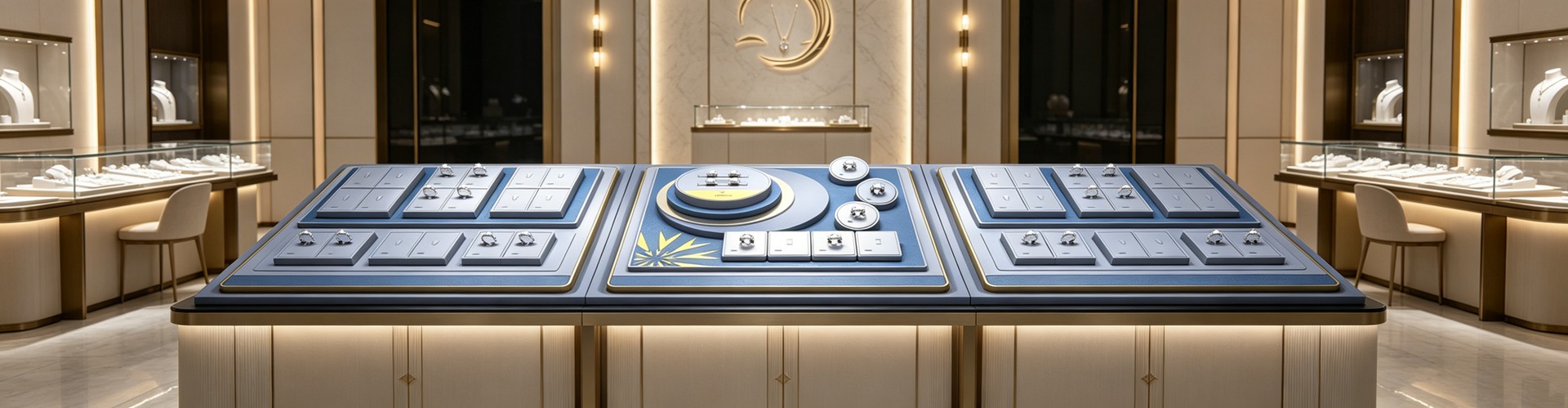
They are pickier than gift buyers, because the box stays in their daily life. CBNData lists "self-reward" as the core driver of women's gold-and-jewelry spending, with 70% attributing it to "rewarding and treating themselves"; on Tmall-Taobao, women are 76% of gold-jewelry consumers with a preference index of 175, and 73% wear jewelry almost every day. The packaging demands shift in four ways: first, keepability — the "packaging is the product" idea turns the box into a长期使用 jewelry case and desktop organizer, and the high-end jewelry packaging market has held a CAGR above 15% for three straight years; second, eco — over 70% of Gen Z and millennials say they will pay a premium for sustainable packaging; third, shareability by choice — multi-sensory packaging is shared to social media about 35% more often; fourth, quietness — Western "quiet luxury" and de-logo blind-embossing are gaining ground in China. Self-buyers ask one extra question: would I want this box on my dresser every day?
Q4: Does "minimalist wins" hold when buying for yourself?
Yes, and the reason has nothing to do with "looks" — call it the "no-audience" view. Gifting makes the box speak to society; self-buying leaves only you as the audience. Busy patterns and layered ribbons are essentially "a performance for others," wasting budget on the surface. A solid color with one clean logo leaves space for "a quiet moment that is only yours." Deeper still: with no audience watching, craftsmanship is exposed — ornate hides flaws, minimalism does not; a 0.2 mm fold error, loose lining or uneven magnet is visible to you every day. So in self-gifting, minimalism is never a cost-cutting plan; it moves budget from surface decoration to structure and tolerance: fold edges within 0.2 mm, lining fitted to the piece, magnets calibrated by gram. This is exactly how Shenzhen Junyimei builds boxes.
Q5: From one-time to every day
A gift box is often stored away after opening; a self-bought box is used daily. Packaging logic shifts from "one-time gift box" to "long-term companion." The case must survive frequent opening — hinges rated for ten thousand cycles, magnets that do not fade; lining that is durable and cleanable, protecting silver from tarnish. An opaque, reusable pouch becomes a mobile display in the commute bag, keeping jewelry visible yet safe. Jewelry box customization reserves a certificate slot and engraving space, turning a "reward yourself" milestone — a promotion, a birthday, a line to yourself — into something kept in the box. Shenzhen Junyimei's flexible small-batch sampling writes "opens daily, stores daily" into the acceptance standard, not just how it looks at first open.
Q6: Three things a brand can do
First, give an opaque, reusable pouch so jewelry is safe and presentable even outside the box. Second, reserve an engraving slot and serial card in the box, turning "rewarding yourself" into a kept memory rather than a one-off purchase. Third, complete the ritual with a handwritten card — many brands find "you deserve this" is remembered more than fancy ribbon. The budget order is clear: get the pouch and lining right first, then engraving, then foil stamping last. Shenzhen Junyimei (jewelry packaging, jewelry box, jewelry box customization, jewelry packaging design) advises self-gift scenarios simply: the box does not perform for you — it keeps you company through daily life.
This is original content. Copyright belongs to Shenzhen Junyimei.
Shenzhen Junyimei — your expert in high-end jewelry packaging & customization.
珠宝店里越来越多的成交,正发生在"没有别人在场"的时刻。没有求婚、没有纪念日、没有要送的人——只是你自己,想好好奖励一下自己。当珠宝不再等别人来赠,盒子也不再是给别人看的戏服,它变成了你奖励自己的一个小小证据。
问一:买珠宝给自己,这件事现在到底有多大?
比大多数人以为的都要大。尼尔森爱科(NIQ)委托戴比尔斯发布的《2026珠宝赠礼调研报告》显示,95%的人计划在未来12个月内购买珠宝;而在"送礼对象"里,"自己"占54%,已经和送伴侣(58%)并列为两大主力场景。更关键的是,在买给自己的理由中,"庆祝特别日子"占68%,"奖励自己"占48%。戴比尔斯《2025年中国钻石购买研究报告》给出更尖锐的数字:非婚嫁场景下的天然钻饰消费,已占中国天然钻饰市场总金额的81%;46%的消费者出于犒赏自己而自购,这一比例已高于为订婚婚礼选购的人群(36%)。女性珠宝自购率突破45%,52%的项链购买动机是"自用"、远高于33%的"礼品赠送",58%的购买由女性一个人说了算。一句话,"等别人送"正在被"自己买"悄悄取代。
问二:为什么"奖励自己"的珠宝,包装逻辑和送礼完全不同?
核心差别在一个词:观众。送礼时包装是"向社会表演"——它要替你向收礼人证明"我很用心""这礼物不便宜",所以盒面必须精致但不能夸张到制造落差。而自己买给自己时,观众消失了,盒子从柜台到你家梳妆台只经你一个人的手。包装于是从"社交表演"变成"私人仪式"。数据也支撑这种转变:非婚嫁场景占钻石市场81%;尼尔森2025年指出,68%的中国消费者愿意为有助于放松和缓解压力的商品支付更高费用;抖音生活服务三八节数据里,珠宝首饰团购同比增长189%、黄金品类暴涨652%,这股增量很大一部分就是"买给自己"。当没有观众,包装不必再向谁解释"我很贵",它只需要做好一件事:让这一刻真正属于你。
问三:悦己的消费者,到底在意包装的什么?
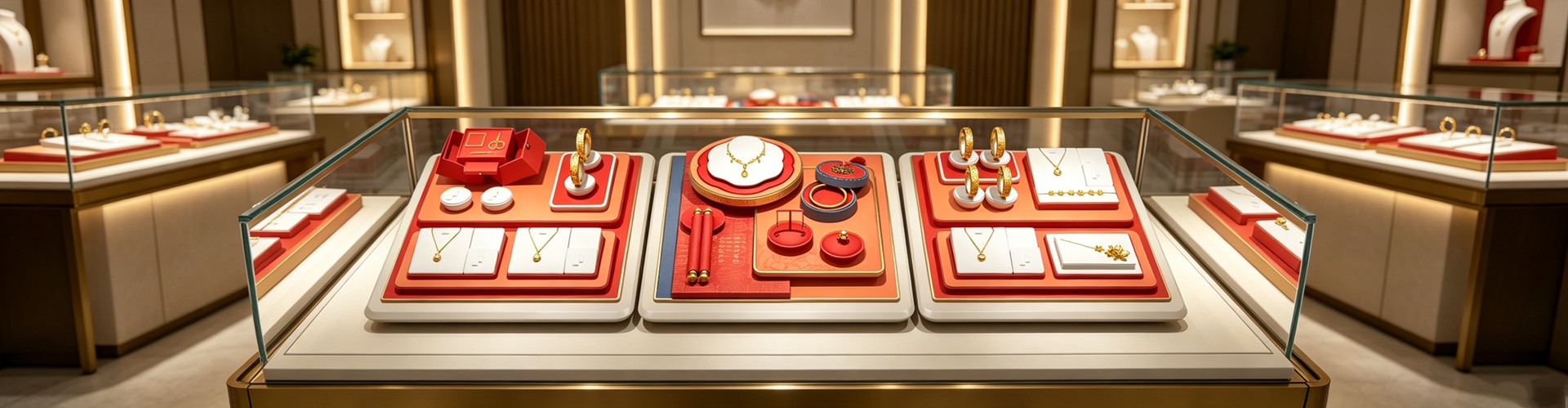
他们比送礼的人更挑剔,因为盒子要长期留在自己生活里。第一财经商业数据中心把"自我奖励"列为女性珠宝黄金消费的核心动因,70%的女性归结为"对自己的奖励与犒劳";淘天平台黄金珠宝消费者中女性占76%、偏好指数高达175,73%的女性几乎每天佩戴首饰。落到包装上,诉求明显转向四处:一是可留存——行业流行"包装即产品"理念,盒子被设计成能长期使用的首饰盒与桌面收纳,高端珠宝包装市场年复合增速已连续三年保持在15%以上;二是环保——70%以上的Z世代与千禧一代明确表示愿意为环保包装支付溢价;三是可分享但出于自愿——注重多感官设计的包装被顾客自发分享到社交媒体的比例平均高出35%;四是不张扬——西方"静奢"风与去logo化、盲压工艺正在国内被接受。买给自己的人,会多问一句:这个盒子,我愿不愿意天天摆在梳妆台上?
问四:常说高端简约的珠宝包装更容易被顾客青睐,从"买给自己"这个角度成立吗?
成立,而且理由和"好看"无关,叫做"无观众论"。送礼时盒面要向社会发言——精致解决信任、夸张却制造落差,满版烫金某种程度上是在替品牌向旁人解释价值。自己买给自己时,观众消失,盒面只剩你自己。那些繁复花纹、层层丝带,本质上是"给别人看的表演",把预算虚耗在表面。而纯色加一枚干净标识,是把空间留给"只属于你的安静时刻"。更深一层是:没有观众监督,反而更考验真功夫——繁复能遮丑,简约遮不住,折边歪了0.2毫米、内衬没贴紧、磁力不均,你自己天天开合一眼就看出来。所以悦己场景里,简约从来不是省钱方案,而是把预算从表面工艺挪到结构与公差:折边控制在0.2毫米以内、内衬与货贴合、磁力按克标定。这正是深圳骏依美做盒的思路。
问五:从一次性到天天陪你
送人的盒子拆完常被收进柜子,自己买的盒子却被天天使用。于是包装逻辑从"一次性礼盒"变成"长期陪伴的收纳"。盒体要经得起高频开合——铰链万次不松、磁吸标定不衰减;内衬要耐造、可清洁,护得住银饰不氧化。不透光、可复用的首饰袋顺势成为通勤包里的移动展位,让首饰天天露脸又不伤。珠宝盒定制时预留证书位与刻字位,把"买给自己"的里程碑(升职、生日、一句对自己说的话)写进盒子里,盒子就从容器变成纪念。深圳骏依美的小批量柔性打样,正是把"可长期开合、可日常收纳"写进验收标准,而不是只看拆开那一瞬好不好看。
问六:品牌可以做的三件事
第一,给一个不透光、可复用的首饰袋,让首饰离开盒子也安全、也体面;第二,在盒子里预留刻字位与编号卡,把"奖励自己"这个动作变成可留存的纪念,而不是一次性的消费;第三,用一张手写卡完成"奖励自己"的仪式感——很多品牌发现,一句"这是你应得的"比华丽缎带更被记住。预算倒排也很清楚:先把袋子和内衬做对,再做刻字,最后才考虑烫金。深圳骏依美(珠宝包装、首饰盒、珠宝盒定制、珠宝包装设计)给自购场景的建议始终是——盒子不替你表演,它只陪你过日子。
本文为原创内容,版权归深圳骏依美所有。如需转载请注明出处。
深圳骏依美——高端珠宝包装与定制专家,为品牌护航。