Pitfalls to Avoid When Customizing Watch Display Props定制手表陈列道具,这几个坑要避开
Once a watch brand reaches a certain scale, off-the-shelf shelving is no longer enough. A custom set of watch display props is both a display upgrade and an extension of brand identity. But customization is not "make it look good" — from prototyping to mass production there is a chain of easy-to-miss pitfalls.
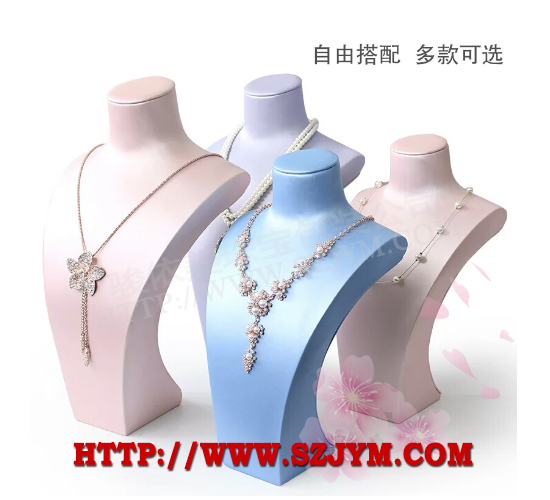
1. Define the use scenario first. Counter liners, window heroes, trade-show carry cases and e-commerce shoots demand completely different structures. Before any watch display stand customization, answer "where and by whom is it seen" — that decides size, opening method and protection level. Get the scenario wrong and everything downstream fails.
2. Material and lining must match the藏品. Steel scratches easily, so choose fine or flocked velvet; leather straps dislike dryness, needing a slightly humid not sealed environment; complicated movements fear magnetism, so keep magnetic hardware away. Wrong material turns the prop into a hazard. Liner hardness and rebound are the baseline metrics for jewelry display props.
3. Size and form must serve wear. The cushion must be stable, the strap must lie smooth, the base must not hide the pin. Always trial-fit with a real watch before mass production, not just renderings. A serious jewelry display prop customization validates shape with physical pieces, not imagination.
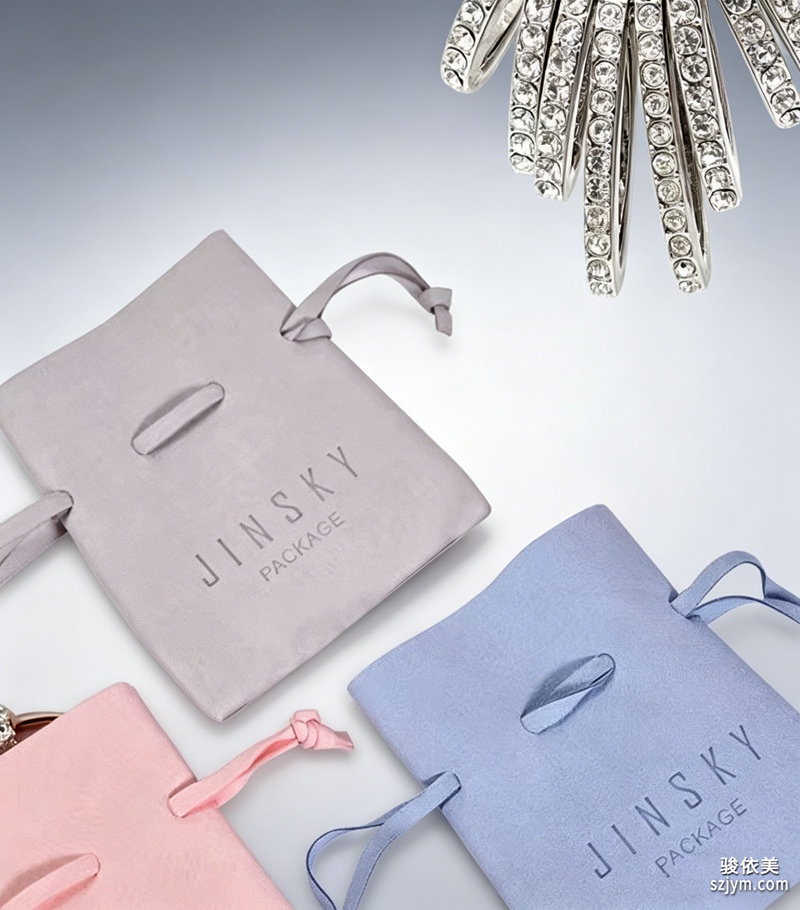
4. Brand elements belong at the front. Logo foil position, brand color, opening feel and leather texture — these "memory details" should be locked at the design stage, not patched mid-production. A consistent branded custom packaging language lets customers recognize you the instant they open the box. Premium lines also embed anti-counterfeit or traceability codes into the prop structure.
5. Craft and lead time belong in the contract. Foil stamping, debossing, magnetic closure, flocking, stitching — each has yield and MOQ thresholds. After prototype confirmation, agree on color tolerance, batch consistency and delivery penalties, so mass production never wears "two faces" versus the sample.
6. Cost means total cost. Low unit price is not low total cost: tooling, sampling, MOQ, shipping and storage all land on the piece. For display prop sampling, validate conversion with a small batch before scaling the order — don't pile inventory upfront.
7. Do not skip acceptance and after-sales. On arrival, sample-inspect: foil alignment, dust-free velvet, magnet strength, clean edges — keep a sealed reference sample. Props are long-life assets; whether the maker offers reorders, liner replacement and repair decides the three-year cost. Writing after-sales into the contract pays more than squeezing price.
Customization, at its core, builds the brand story into the object. Watch scenario, material, form, identity, craft, cost and after-sales, and the prop stops being a pretty ornament and becomes a silent partner that helps you sell.
This is original content. Copyright belongs to Junyimei.
Junyimei — present every jewel at its best.
腕表品牌做到一定规模,通用货架就不够用了。定制一套专属的手表道具,既是陈列升级,也是品牌识别的延伸。但定制不是"画得好看就行",从打样到量产有一串容易被忽略的坑。
一、先明确使用场景。柜台内衬、橱窗主展、展会携样、电商拍摄,用途不同结构完全不同。做腕表陈列架定制前,先回答"它在哪被看见、被谁看见"——这决定尺寸、开启方式与防护等级。场景没定,后面全错。
二、材质与内衬要匹配藏品。精钢怕刮,内衬选细绒或植绒;皮带表怕潮,环境要微湿而非密封;复杂功能表怕磁,底座避开磁性五金。材质选错,道具反而成了伤货的元凶。珠宝陈列道具的衬里硬度与回弹,是底线指标。
三、尺寸与器型要服务佩戴。表枕要稳、表带要顺、底托不藏针。量产前务必用真实腕表试摆,别只看效果图。专业的珠宝陈列道具定制打样,会用实物反复校形,而不是靠图纸想象。
四、品牌识别元素要前置。Logo 烫印位置、品牌色、开合手感、皮料质感,这些"细节记忆点"应在设计稿阶段锁定,而非生产中途补。统一的品牌定制包装语言,能让顾客在拆盒瞬间认出你。高端线还会把防伪码、溯源码嵌入道具结构。
五、工艺与交期写进合同。烫金、压凹、磁吸、植绒、车缝,每种工艺都有良率与起订量门槛。打样确认后,约定色差容限、批次一致性与交期罚则,避免大货与样版"两副面孔"。
六、成本核算算总账。单价低不等于总成本低:模具费、打样费、最小起订量、运输仓储都要摊进单件。对展示道具打样,建议先小批量验证转化再放大订单,别一上来压库存。
七、验收与售后别省。大货到仓先抽检验收:烫印对位、绒面无尘、磁吸力度、边角无毛刺,留样封样备查。道具是长期复用资产,厂家能否提供补单、换衬、维修,决定了三年后的使用成本。把售后条款写进合同,比压价更划算。
定制的本质,是把品牌故事"做"进器物。场景、材质、器型、识别、工艺、成本、售后这七点盯牢,道具才不会沦为好看的摆设,而会成为默默帮你卖货的搭档。
本文为原创内容,版权归骏依美所有,如需转载请注明出处。
骏依美——21年专做珠宝包装,让每一件珠宝都被更好地呈现、收纳与珍藏。