When the Jewelry Counter Starts Talking Back柜台上的数字陈列
By the end of 2024, more than 37 percent of China's mid-to-high-end jewelry brands had deployed smart interactive display systems in their flagship mall stores, and iResearch expected that share to jump to 58 percent by the end of 2025, covering over 80 percent of tier-one and tier-two city stores within five years. While rivals were still arguing over which counter shines brightest, jewelry brands quietly bolted screens and electronic tags onto their props. The display case stopped being a static object and became an interface that talks back.
Q1. Why are jewelry counters suddenly growing screens and tags?
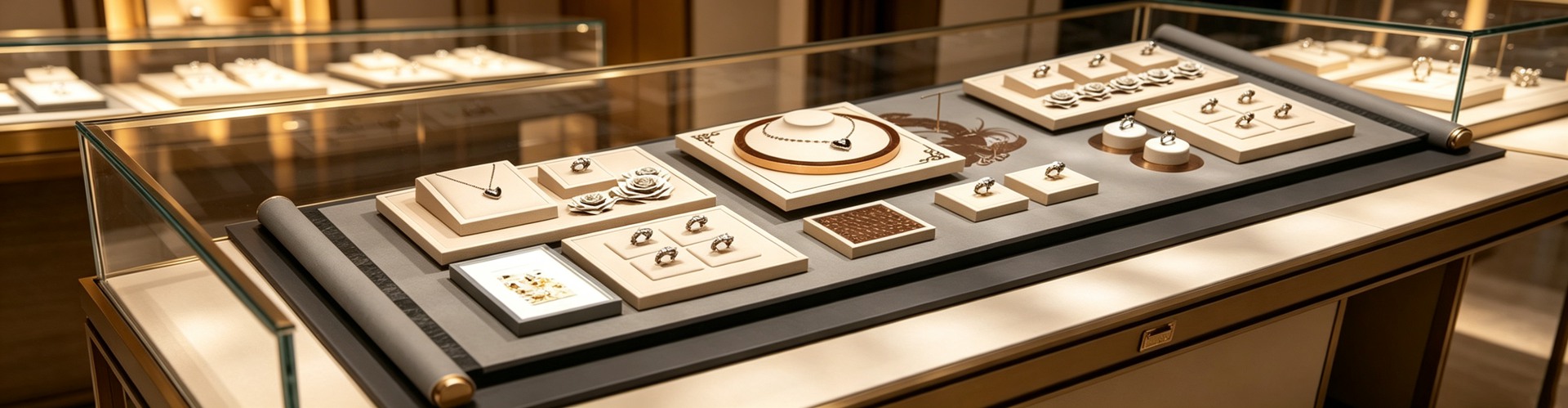
The pressure is in the numbers. A 2026 industry monitor found that traditional shelf-style jewelry stores had seen in-store conversion fall to 18.3 percent, down nearly 9 points from five years earlier, while next-generation flagships with smart try-on mirrors, interactive screens and holographic units pushed conversion to 42.6 percent and rang up an average ticket 2.4 times higher. The gap is not the product; it is how the product is presented. Electronic shelf labels and touchscreens turn a one-way showcase into a two-way conversation: the customer stands there, and the screen pushes the craft story, the certificate specs and the try-on effect to their eyes, removing the friction of hunting for a sales associate. Shenzhen Junyimei noticed from the sidelines that once props can talk, boxes and bags must be recast too - they shift from a quiet background to the supporting act for the piece the screen is naming, never the star that steals the scene.
Q2. Do electronic shelf labels do more than change prices faster?
Far more. In grocery and pharmacy rollouts, digital tags lifted repricing efficiency by about 90 percent, cut labor cost by roughly 60 percent and improved pricing accuracy by some 35 percent, all through one-tap store-wide updates in minutes instead of price mismatches at the register. Jewelry needs that layer even more: a single diamond ring's tag must carry the 4Cs, certificate number, gold weight and craft notes that a paper card cannot hold. Color e-labels use red and yellow highlights for promotion or low-stock alerts, lifting related conversion by about 19 percent in practice, and retail studies say shelf labels influence roughly 70 percent of purchase decisions while raising average ticket by 10 to 20 percent. The trap is clutter - too much on-screen text drowns the product. When Shenzhen Junyimei builds display stands with an embedded tag slot, it insists on one screen, one product: parameters live on a second page, and the counter front keeps only the piece and one clean mark.
Q3. Do interactive screens and AR mirrors actually sell more, or is it hype?
The data leans toward they sell more, if used well. Chow Tai Fook's future concept store smart mirror captures try-on movement and overlays virtual effects, lifting single-store ticket by 23 percent and conversion by 35 percent; Bain estimated that jewelry stores with smart display systems saw member repurchase 41 percent higher and customer lifetime value up about 57 percent versus traditional stores. Leysen's art-jewelry experience store used an AR mirror to lift conversion 70 percent over a traditional store and repurchase by 45 percent. But the reports are honest that not every store cashes in - tech is a tool, and the payoff sits in content and flow: the screen goes near the entrance without blocking it, tells a craft story instead of spamming promotions, and staff know how to guide. A quiet bonus: smart mirrors stretch dwell time from 8 to 15 minutes and ticket by about 20 percent, and those extra seven minutes are being-seen time that display props must fill with something worth looking at.
Q4. Why do premium, minimal packages and props win in a digital counter?
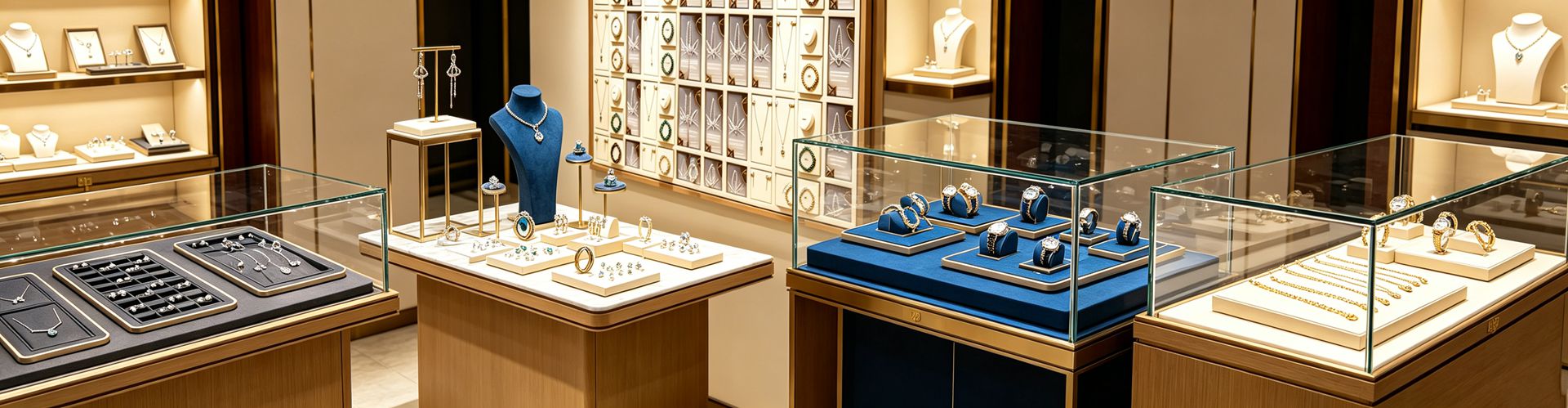
Because the screen is already loud. The interactive display is playing video, the tag is flashing red and yellow, the spotlight is hot - counter information density is high. A busy box, full foil stamping and dense patterns only fight the screen for the brightest point and leave the customer unsure where to look. Shenzhen Junyimei's long-standing logic fits best here: premium minimalism is not cost-cutting, it is moving the budget from surface pattern to structural tolerance - fold error under 0.2 millimeters, batch color deviation visible at a glance. A matte solid-color box and prop stay recognizable five meters away and clear as a thumbnail under mixed light and a phone screen, handing the brightest point to the product and the display. Daring to place a solid-color box in a digital counter is a public demo of quality control; custom jewelry boxes here are not a simple logo add-on but identity built into physical specs, so the box is still the one remembered amid all the blinking.
Q5. How do smart props link up with packaging and bags into one line?
The trick is keep talking after leaving the store. In-counter tags and screens hold the shopper and tell the product's story; what the customer carries home must continue it. The lightest move is an NFC touchpoint inside the box - one tap with a phone pulls up the certificate, craft story and care card, packing the on-screen content into a pocket. An opaque, reusable jewelry bag becomes a rented ad space on the move, needing only one clean mark, never a mini poster. The packaging box in the digital era should reserve a screen-link spot - a QR code, numbered card and certificate slot - turning a one-time gift box into a queryable archive. Shenzhen Junyimei runs small-batch flexible programs for such clients: one box mold, swap the insert, swap the mark, reserve the NFC slot, test feedback before scaling, avoiding a heavy system on day one.
Q6. For small brands on a tight budget, where does digital display start?
Three tiers are safest. The zero-cost tier moves price traces off the box, shifts paper promotions to on-screen content and trims in-store print waste. The tens-of-yuan tier adds one interactive screen with a basic AR try-on mirror plus a batch of marked reusable bags to build dwell and photo first. The hundred-yuan tier considers Shenzhen Junyimei's small-batch flexible smart display stand with chip-embedded packaging for traceability and after-sales. Hardware cost is falling fast - a smart display unit now costs about 45 percent less to deploy than in 2020, with payback inside 14 months. Small brands should not chase a full mirror suite at once; nail one screen tells one product clearly, one box keeps one person and half the digital-display dividend is already in hand.
This is original content. Copyright belongs to Shenzhen Junyimei.
Junyimei - present every jewel and timepiece at its best.
2024年底,全国已有超过37%的中高端珠宝品牌在核心商圈门店部署了智能互动陈列系统,艾瑞咨询预计这一比例到2025年末将跃升至58%,五年内覆盖超过80%的一二线城市主力门店。当同行还在比谁的柜台更亮,珠宝品牌已经悄悄给道具装上了屏幕和电子价签——陈列从「静物」变成了「会说话的界面」。

一问:珠宝柜台为什么突然长出屏幕和电子价签?
背后是被数据逼出来的。一份2026年行业监测显示,传统「货架式」珠宝门店的进店购买转化率已跌到18.3%,比五年前下滑近9个百分点;而引入智能试戴镜、互动屏与全息装置的新一代旗舰店,转化率逆势冲到42.6%,客单价达到传统门店的2.4倍。差距不在货,在「货被怎么呈现」。电子价签和互动屏把柜台从单向展示变成双向对话:顾客站着看,屏幕就把工艺故事、证书参数、佩戴效果推到眼前,省下反复找店员问的摩擦。深圳骏依美在旁观察到——道具一旦会说话,盒子和袋子也得重新定位,它们要从「安静的背景」变成「被屏幕点名的那件货」的陪衬,而不是抢戏的主角。
二问:电子价签对珠宝买卖,真的只是改价快一点吗?
远不止。连锁商超的数字价签把改价效率提升约90%、人工成本降约60%、定价准确率提高约35%,靠的是一键全店分钟级更新,不再有「货架价不等于收银价」的客诉。珠宝更讲究这一层:一枚钻戒的价签要同时承载4C、证书号、金重和工艺说明,纸质小卡根本写不下。彩色电子价签用红黄高亮做主推提示,实测能把相关商品的转化率再拉高约19%;零售研究还显示,电子价签影响约70%的购买决策,带动客单价提升10%到20%。但要注意,珠宝价签最忌喧宾夺主——屏上信息密度一高,货就被文字淹了。深圳骏依美给客户做可嵌价签位的珠宝展示架时,坚持「一屏只讲一件货」,把参数收进二级页面,柜台正面只留货和一行干净标识。
三问:互动屏和AR试戴镜,是真能多卖还是噱头?
数据偏向「真能多卖」,前提是用法对。周大福「未来概念店」的智能魔镜能实时捕捉试戴动作并叠加虚拟效果,单店客单价提升23%、转化率提高35%;贝恩同期测算,配备智能陈列系统的珠宝门店会员复购率比传统门店高41%、客户生命周期价值平均提升57%。莱绅通灵的「艺术珠宝体验店」用AR魔镜把转化率较传统门店拉高70%,复购提升45%。但报告也诚实写明:不是每家店都吃到红利,技术只是工具,落点还在内容和动线——屏放门口但不挡路、内容讲工匠故事而非促销刷屏、店员会引导会用。一个常被忽略的加分项:智能镜让顾客停留从8分钟延长到15分钟,客单约涨20%,多出来的7分钟是「被看见」的时间,珠宝陈列道具的任务就是让屏前有货可看、有故事可讲。
四问:高端简约的包装和陈列,在数字化柜台里为什么更吃香?
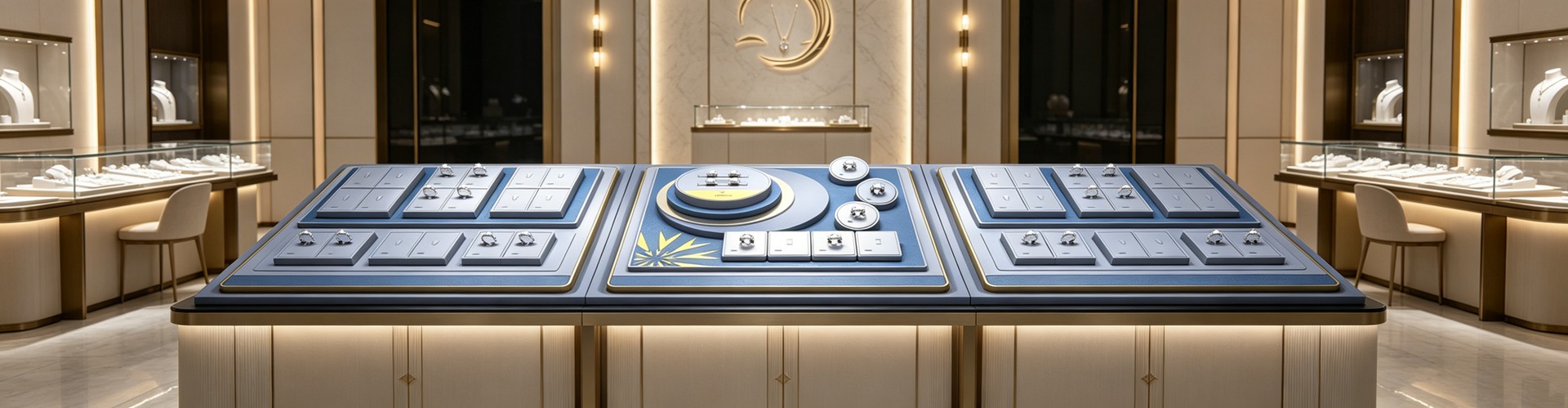
因为屏幕已经够热闹了。互动屏在放视频、价签在跳红黄、射灯在打亮,柜台信息密度本就高;这时候繁复的盒子、满版烫金和细密印花,只会和屏幕抢「画面最亮点」,让顾客眼睛不知道落哪。深圳骏依美一直坚持的思路在这里最成立:高端简约不是省成本,是把预算从表面花纹挪到结构公差——折边误差小于0.2毫米、批次色差一眼可查。纯色哑面的盒子和道具,在混光加手机小屏下仍五米外可辨、缩略图清楚,把最亮点让给货与屏。敢在数字化柜台放纯色盒,等于公开演示品控;珠宝盒定制在这里不是简单加个logo,而是把识别做进物理指标,让盒子在满屏闪烁里依然是被记住的那一个。
五问:智能道具怎么和包装、首饰袋串成一条线?
关键在「离店后还说话」。柜内的电子价签、互动屏负责把人留住、把货讲清;顾客带走的那部分,要由包装接着讲。最轻的做法是盒内嵌一枚NFC触点,手机一碰就跳出这件货的证书、工艺故事和保养卡,等于把屏幕上的内容装进口袋;不透光、可复用的首饰袋则成了移动端的「续租广告位」,印一枚干净标识就够,别把袋子也做成小海报。饰品包装盒在数字化时代要预留屏幕联动的位置——二维码、编号卡、证书位,让盒从「一次性礼盒」变成「可查询的档案」。深圳骏依美给这类客户做小批量柔性方案:同一盒型,换内衬、换标、留NFC位,先跑反馈再放量,避免一上来就重资产上系统。
六问:中小品牌预算有限,数字陈列从哪起步?
三档最稳。零成本档先把价签上的价格痕迹移出盒体、纸质促销物料转成屏上内容,门店同步减印刷浪费;几十元档上一块互动屏加基础AR试戴镜,再配一批印一枚标识的可复用首饰袋,先把「停留」和「拍照」做出来;百元级才考虑深圳骏依美的小批量柔性智能展柜,加可嵌芯片的包装做溯源售后。硬件成本其实在快速下探——智能展柜单套部署成本较2020年已降约45%,投资回收期缩短到14个月以内。中小品牌别一上来追全套魔镜,先把「一屏讲清一件货、一盒留住一个人」这两件小事做透,数字陈列的红利就先吃到一半。
本文为原创内容,版权归深圳骏依美所有,转载请注明出处。
骏依美——让每一件珠宝与腕表,都被更好地呈现。