Platinum Shows Its Two Faces铂金的两副面孔
In the jewelry trade of 2026, something quietly counter-intuitive is happening.
While gold swings at historic highs and silver gets repriced, a "white metal" the market spent nearly two decades underrating — platinum — is creeping back into the spotlight. But it is returning in a contradictory way: on one side, platinum pieces behind the glass counter are selling more slowly; on the other, platinum bars at bank branches are being allocated faster than ever. The same metal has been split by consumers into two entirely different faces.
Face one: the platinum you wear is ebbingStart with the jewelry end, and the data is sobering. The World Platinum Investment Council's Q1 2026 Platinum Quarterly shows global platinum jewellery demand contracted 13% year-on-year in the first quarter, to 14 tonnes; China was especially weak, down 42%. The full-year picture is no brighter: 2026 global platinum jewellery demand is forecast to fall 12%, to 61 tonnes, with China's decline stretching to 43%.
Stretch the timeline and the reversal is sharper. As recently as 2025, global platinum jewellery demand had grown roughly 9%, to 69 tonnes — its highest since 2018. China even saw a pulse of growth in the first half, with wholesalers rotating into platinum stock and demand up as much as 44% at one point. In other words, platinum's "jewellery fever" arrived fast and cooled fast, and the cooling tells us far more about the buyer than about the metal.
The immediate cause is practical: platinum prices rose, and from 1 November 2025 the Shanghai Gold Exchange removed the 13% VAT rebate on platinum, lifting retail prices and suppressing willingness to buy, while supply chains kept destocking. But the deeper reason is that many Chinese consumers had been buying platinum as a quasi-investment — heavy, value-preserving pieces. When platinum itself got expensive and lost its tax rebate, the crowd that "bought jewellery like gold" simply walked away. The metal did not change; the motive behind the purchase did.
Face two: the platinum you hold just hit a six-year highEven as jewellery demand ebbed, the other face burned bright. WPIC data shows 2026 bar-and-coin investment demand is forecast to jump 27%, to 22 tonnes — a six-year high — while exchange stocks and ETFs flipped to net outflows. Consumers did not stop wanting platinum; they swapped the platinum they wear for the platinum they hold. The bar in the safe replaced the ring on the hand, and the shift was almost textbook in its cleanliness.
Notice what kind of investment won. The bars and coins rose while the paper instruments — ETFs and exchange stocks — drained out. That is a telling detail: when people came back to platinum this time, many wanted the metal in their own hands, not a line on a brokerage statement. After a few years in which precious-metal demand was dominated by funds and algorithms, the retail buyer is reclaiming the asset as something physical. A platinum coin in a drawer reads differently from a ticker symbol; it is a hedge you can weigh. WPIC has even begun working with Chinese financial institutions and retailers to place investment bars through bank branches, which would widen the on-ramp precisely for that hands-on buyer.
This trade-off exposes platinum's awkward positioning over the past twenty years: long treated as a cheaper stand-in for white gold, its price tracked gold while its identity stayed模糊. Yet when gold turned into a macro asset and grew pricey enough to give buyers pause, platinum revealed its own character — rare, cool-white, hypoallergenic, tarnish-free, and tightening on the supply side. The same metal that felt like a substitute suddenly felt like an alternative with a point of view.
Scarcity is platinum's real complexionThat character rests on hard fundamentals. WPIC expects 2026 to be platinum's fourth consecutive year of supply deficit, around 9 tonnes; cumulative shortages from 2023 through end-2026 are projected to approach 93 tonnes. By the end of 2026, above-ground stocks are expected to fall to 54 tonnes — under three months of global demand, among the tightest readings since the data series began in 2014. Mine supply is broadly flat: South African gains are cancelled by declines elsewhere, and recycling, though up 9%, is held back because each spent catalyst now yields less platinum than before. You cannot mine your way out of a tight market when the ore itself is getting leaner.
What makes this starker is that jewellery is not platinum's only caller. Automotive catalysts, propped up by hybrids and heavy-duty trucks, keep demand resilient; restarting glass-manufacturing capacity adds weight; and even optical communications and data storage inside AI infrastructure are quietly consuming platinum. When a metal is rediscovered by consumers, fought over by industry and investors, and cannot be expanded at the mine, it stops being a "niche minority metal" and becomes a revalued scarce resource with a story to tell.
This also explains the geographic split: European platinum jewellery demand is set to reach another record high, India is returning to growth at +5%, while China pulls back hard. The difference is not the metal — it is what the buyer wants from it. Europeans buy design, brand, and that cool-white sophistication, so they stay even as prices rise. Chinese buyers had treated it more as an affordable store of value, and when the value logic broke on taxes, the exit was clean. The white metal behaved identically in both markets; the意图 behind the purchase did not.
The white-metal revival no one predictedThere is a quieter thread worth pulling. As gold prices pushed younger shoppers away from heavy investment pieces, platinum's cool, understated whiteness started reading as a kind of restraint — a counterpoint to both the glare of bright gold and the softness of silver. It does not tarnish like silver, it does not trigger the nickel allergies that some white-gold alloys do, and it wears its scarcity without shouting. Men's platinum bands, once the default for a certain generation's wedding ring, are being rediscovered by couples who want a plain, permanent circle with no ornament and no apology. The aesthetic is not loud; it is confident in its quiet. Independent designers, too, have found in platinum a metal that photographs cleanly and ages without drama — a welcome change from finishes that look dated within a season.
That revival is exactly why the European market holds while others wobble. Where platinum is bought for design and brand, price is a feature, not a dealbreaker. Where it was bought as a hedge, price is the whole argument — and when the hedge gets expensive, the argument collapses. Platinum's 2026 split is, in the end, a split between two kinds of buyer, wearing the same metal for two different reasons.
Platinum is not gold's substitute — it is finding itselfAt heart, platinum's 2026 story is not "can it replace gold" but a rebalancing of how precious metals are ranked. Gold's role has not faded; if anything it strengthened on safe-haven and central-bank demand. But precisely because gold behaves more like a macro asset, the everyday-wear market needs a white metal that carries premium feel, affordability, scarcity and non-tarnish all at once — and platinum lands exactly in that gap.
It does not shout, does not chase the rally, stays cool, restrained, durable. For younger buyers, platinum is shifting from "my parents' wedding band" to "my first white metal with character": a pair of plain couples' rings, a minimalist pendant, a more private expression of permanence than a heavy investment bar. The metal's scarcity gives the feeling weight; its subtlety gives it a place in daily life.
And as platinum is seen again, its whiteness asks something different of presentation. Warm velvet makes platinum's cool white look yellow; what truly flatters it is neutral, calm jewellery display props and display stands — letting the white glow where it should, rest where it should. As the habitual companion of engagement and couples' rings, its box must match the word "forever": a fixed slot for the certificate and engraving card, a hinge smooth enough to survive a decade on the dresser. That is the real craft jewellery-box customization and jewellery cases chase in structural tolerance. Scarcity even turns the original packaging into part of a piece's resale value — the box is no longer just a container but the next page of the white metal's story. Shenzhen Junyimei builds that whiteness and permanence into boxes and fixtures alike, between material and tolerance.
For two decades platinum waited for a chance to be understood again. In 2026 it finally showed both faces: one calm scarcity, one restrained beauty. Together, they are platinum's true homecoming.
This is original content. Copyright belongs to Shenzhen Junyimei.
Junyimei — present every jewel and timepiece at its best.
2026年的珠宝柜台,正在发生一件有点反常识的事。
当黄金在高位反复震荡、白银被重新定价,一个被市场低估了快二十年的"白色金属"——铂金,正悄悄回到聚光灯下。但它回来的方式很矛盾:一边是首饰柜台里的铂金件越卖越慢,另一边是银行网点里的铂金金条越配越火。同一块金属,被消费者切成了两张完全不同的脸。
第一张脸:戴在身上的铂金,正在退潮先看首饰端的数据,冷静得有点扎心。世界铂金投资协会(WPIC)2026年一季度《铂金季刊》显示,2026年第一季度全球铂金首饰需求同比萎缩13%,降至14吨;其中中国市场尤为疲软,同比骤降42%。全年预测同样不乐观:2026年全球铂金首饰需求预计下滑12%,降至61吨,而中国市场的降幅被拉大到43%。
把时间轴拉长,反差更明显。就在2025年,全球铂金首饰需求还同比增长约9%,达到69吨,创下2018年以来的最高水平;中国市场上半年甚至出现脉冲式增长,批发商转而增配铂金备货,同比一度攀升44%。也就是说,铂金的"首饰热"来得快,凉得也快。
凉下来的直接原因很现实:铂金价格走高,加上2025年11月1日起上海黄金交易所取消了铂金13%增值税即征即退政策,终端价格抬升,消费意愿被压制;同时供应链还在持续去库存。但更深层的原因,是许多中国消费者过去买铂金,买的其实是"准投资品"——克重大、偏保值的款式。当铂金本身变贵、又不再享受退税红利,这群"把首饰当黄金买"的人,自然转身走开了。
第二张脸:握在手里的铂金,创下六年新高就在首饰需求退潮的同时,另一张脸亮得发烫。WPIC数据显示,2026年铂金条币(bar and coin)投资需求预计大涨27%,达到22吨,创下六年新高;而交易所库存与ETF则转为净流出。换句话说,消费者不是不要铂金了,而是把"戴在身上"的铂金,换成了"握在手里"的铂金。
这种此消彼长,恰好暴露了铂金过去二十年的尴尬定位:它长期被当成"便宜版的白金替代品",价格跟着黄金走,身份却始终模糊。而当黄金越来越像宏观资产、价格高到让人犹豫时,铂金反而显出了自己的性格——稀有、冷白、不过敏、不褪色,而且供给端紧张得到处都是。
稀缺,才是铂金真正的底色支撑这份性格的,是实打实的供需结构。WPIC预计2026年将是铂金连续第四年出现供应短缺,缺口约9吨;自2023年至2026年底,市场累计短缺量预计接近93吨。到2026年末,全球地上存量预计降至54吨,仅够满足不到三个月的需求——这是2014年有数据序列以来最紧张的状态之一。
更妙的是,铂金的需求并不只靠首饰。汽车催化(混动与重卡支撑韧性)、玻璃制造产能重启、乃至AI基础设施里的光通信与数据存储,都在悄悄吃掉铂金。当一个金属既在消费端被重新看见、又在工业端与投资端被争抢,而矿端又扩不动,它就不再是一个"冷门小品类",而是一种被重新估值的稀缺资源。
这也解释了市场的分化:欧洲铂金首饰需求有望再创历史新高,印度恢复增长5%,而中国市场大幅回落。差别不在金属本身,而在"买它的人图什么"——欧洲人买的是设计、是品牌、是那抹冷白的高级感,所以价格涨也留得住;中国人过去更多把它当"平价保值选项",一旦性价比逻辑被税费打破,撤退就干脆。
铂金不是黄金的平替,它在找回自己说到底,2026年铂金的故事不是"能不能取代黄金",而是一场贵金属价值排序的再平衡。黄金的角色没有消失,甚至因避险与央行买盘更强了;但也正因为黄金越来越像宏观资产,日常佩戴的消费市场才更需要一个能同时承接"高端感、可负担、稀缺、不褪色"的白色金属——铂金,恰恰落在这个空当里。
它不喧哗,不追涨,冷白、克制、耐戴。对年轻消费者而言,铂金正从"爸妈的婚戒"变成"自己的第一件有性格的白金属":一对素圈对戒、一枚极简吊坠,比厚重的投资金条更像一个关于"恒久"的私人表达。
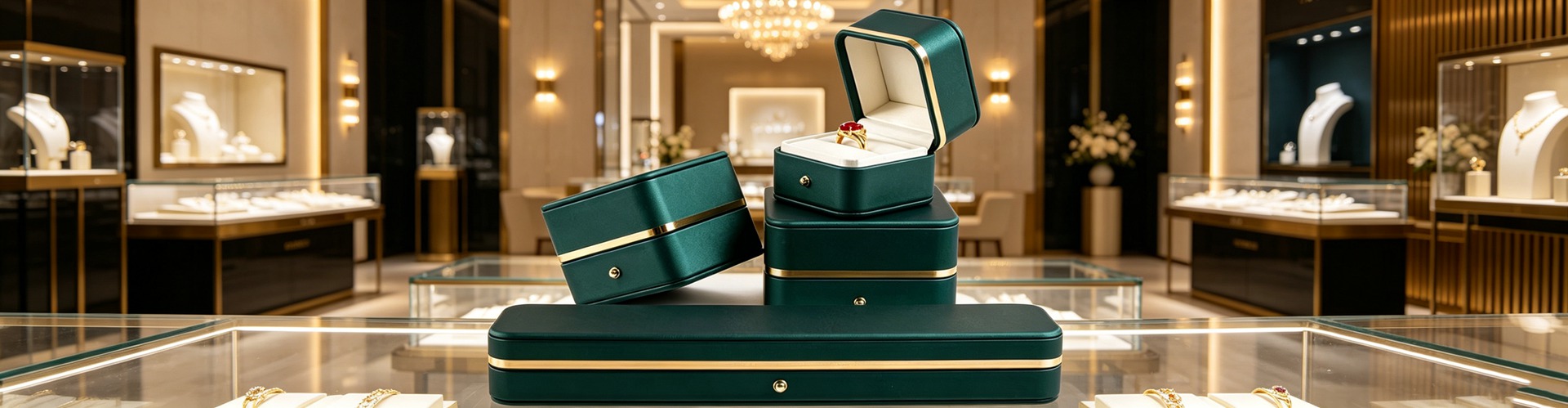
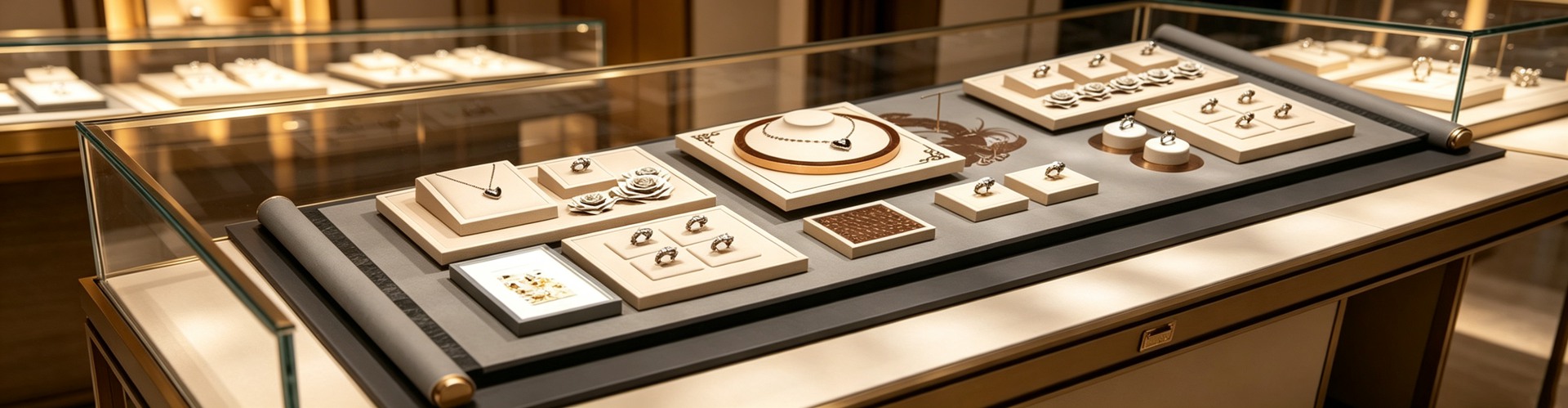
而当铂金重新被看见,它的"白"也对呈现提出了不一样的要求。暖色绒布会把铂金的冷白衬得发黄,真正衬得起它的,是中性、冷静的珠宝陈列道具与珠宝展示架——让那抹白在该亮的地方亮,在该静的地方静。作为婚戒与对戒的常客,它的盒子也得配得上"永恒"二字:证书与刻字卡有固定位、开合顺滑到经得起十年摆放,这正是珠宝盒定制与首饰盒在结构公差上较的真劲。稀缺性还顺带把原始包装变成了二手估值的一环——盒子不再只是容器,而是这件白金属故事的续页。深圳骏依美在材质与公差之间,把这份"白"与"恒"一并做进了盒子与展具里。
过去二十年,铂金一直在等一个重新被理解的机会。2026年,它终于把两张脸都亮了出来:一张是冷静的稀缺,一张是克制的美。两者加在一起,才是铂金真正的归位。
本文为原创内容,版权归深圳骏依美所有,转载请注明出处。
骏依美——让每一件珠宝与腕表,都被更好地呈现。