The First Sentence in the Window橱窗里的第一句话
1. The window is free advertising
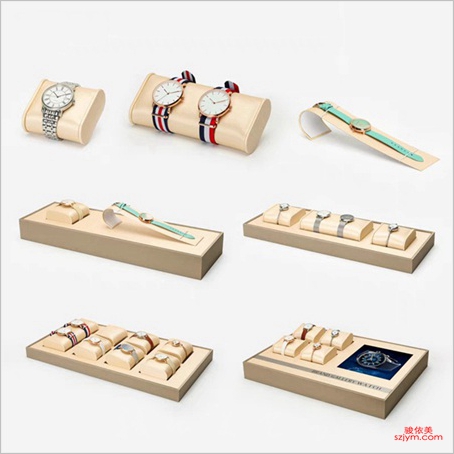 The window is the advertising space closest to the customer yet most often ignored; it speaks for you on the street every day without charging a cent. When LBOBO makes display packaging we always remind clients: a passerby decides whether to enter in only three seconds, and in those three seconds the box in the window is often more persuasive than the poster because it is visible, touchable, and imaginable. Many brands pour the entire budget into online traffic yet leave the window cluttered with messy samples, letting the chance slip at the door, spending flow but failing to catch it. We suggest treating the window as the product's "first sentence," using a decent display box to state the value clearly. A window that speaks clearly in three seconds is worth more than a billboard nobody believes, because the street already trusts what it can see and touch, and a presence on the pavement is the oldest media and still the most honest one a brand can buy.
2. Light is the chief salesperson
No matter how good the box, without light it cannot stand, because light is the prerequisite for value to be seen. When LBOBO designs displays we treat lighting as equally important as the box: a well-angled spotlight makes ordinary material look precious and brings the fire back to life, hooking the guest's eye firmly. Many shops use uniform ceiling light, leaving everything flat and burying the jewelry's brightest highlight, turning the window into a mere prop. We suggest using accent lighting to "spotlight" the product, guiding the eye naturally to where it should land instead of spreading attention evenly across the wall. Lighting is often the invisible hand behind a sale — it says nothing yet decides whether the guest stops, and a window lit with intent makes the ordinary look intentional, which is exactly what a hesitant shopper is searching for before they cross the threshold.
3. Negative space lets the hero speak
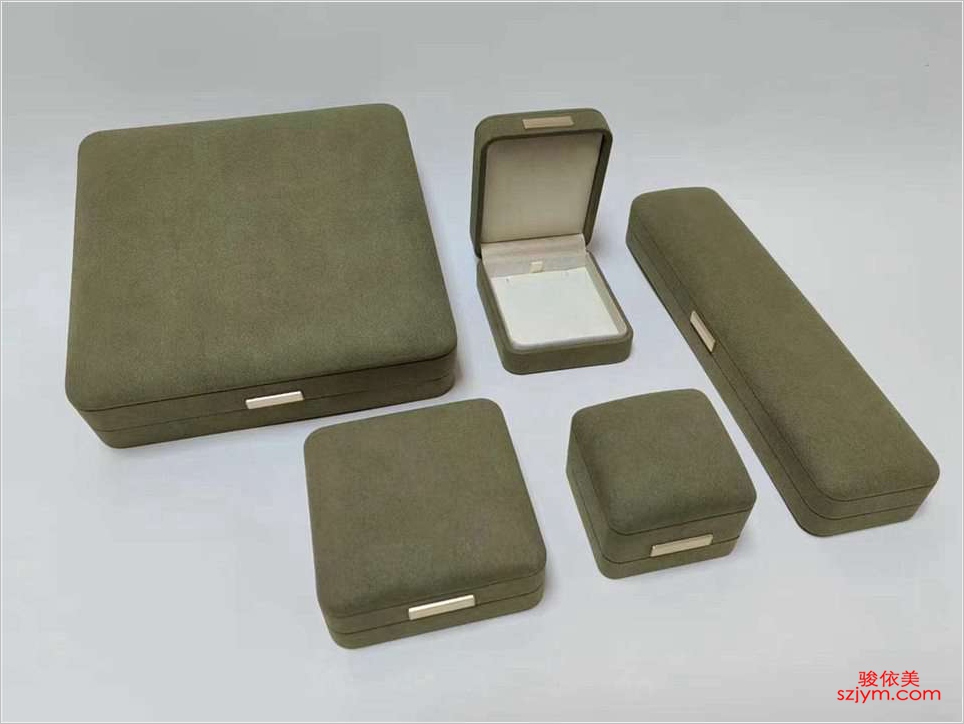 The worst sin of a window is crowding. LBOBO advocates "less is more" in display: one hero box, one beam, one stretch of emptiness catches more attention than filling it up, because the human eye is born to chase a focal point. Many shops fear emptiness and turn the window into a shelf, drowning the hero so the guest sees no focus and walks away within three seconds. We suggest leaving breathing room for the exhibit, making the most-wanted box the only focal point while everything else recedes into background. Emptiness is not wasted area but attention given to the product, letting the guest receive the brand's one line at a glance. A truly refined window knows when to stay empty, leaving the stage to the jewelry, and a passerby who stops is already halfway through the door while one who keeps walking has decided against you without a word, so the window's only job is to earn that single extra second.
4. Props that tell a story
Display props are not decoration but narrative tools that place the product inside a life scene. LBOBO likes using one small prop to tell the scene: a piece of velvet speaks warmth, a ribbon speaks courtesy, a mount speaks professionalism, giving the cold jewelry an imagined home. Many shops mismatch props and goods, leaving even expensive jewelry looking lonely, as if dropped on the counter rather than cherished. We suggest props follow the product's temperament, making each display demonstrate "what owning it feels like." With props right, the window becomes a tiny situational invitation instead of static showing; the guest is caught by the story before entering, and a story told by props costs almost nothing yet sells the feeling that the product already belongs in the guest's life, making emotion the shortest path from looking to buying.
5. Flow decides the stay
How the guest walks decides whether they see your box and whether they are willing to stop. When LBOBO plans a store we place the hero item at the natural eye-line and along the mandatory path, letting the window's pull lead smoothly inside rather than hiding it in a corner no one passes. Many shops put the best display in an off-path dead corner, letting traffic flow by uselessly while the most-wanted goods stay hardest to see. We suggest treating window and in-store flow as one continuous narrative line, attracting at the door, guiding along the path, closing at the counter, each step feeling natural. Flow, a small matter, often decides daily footfall and conversion; it says nothing yet daily turns passersby into guests and guests into buyers, and a confused path loses the guest before the product ever gets its chance while a clear one does the selling softly all day.
6. Renewal gives life
The window fears stagnation most; even the prettiest display becomes background after long exposure and is ignored by the passerby automatically. LBOBO advises brands to set a renewal rhythm: follow the season, the hero product, the topic, so the passerby always sees something new and keeps a fresh expectation. Many shops keep one display for half a year; the guest grows blind and the window loses all effect, wasting the most expensive street position for nothing. We advocate treating the window as a living content slot, periodically changing theme, hero box, and light, making it anticipated like a magazine cover. A renewed window keeps speaking on the street, retaining old customers' curiosity and catching new ones' eyes, and a living window turns a fixed location into a reason to return, which is the foundation of every lasting retail relationship built on being seen again and again.
7. The window as a daily habit
The most powerful thing about a window is not any single display but the fact that it speaks every single day, to the same people, on their commute, their walk, their routine — and routine is where memory is actually built. LBOBO designs window programs as habits rather than events, because a passerby does not fall in love with a brand in one glance but in the hundredth glance, when the familiar, well-kept window has become part of how they understand the street. This is why renewal matters and why stagnation silently kills value: a window left unchanged stops being seen, and what is not seen stops being a brand at all. We help clients set a sustainable cadence — a seasonal hero, a monthly tweak, a weekly check that the light still lands where it should — so the window stays alive without exhausting the team. The payoff is cumulative: the regular who glances today and ignores you may glance next month and pause, and the month after that step inside, and the brand that was once background becomes a destination through nothing more than consistent, caring presence. In a noisy retail world the window is the one channel a brand owns outright, costs almost nothing to maintain, and yet outperforms most paid media because it is encountered willingly, on the guest's own terms. Treat it as a daily hello rather than an occasional shout, and over a year the humble window becomes the most reliable salesperson on the payroll — the one who never calls in sick and never stops learning the street. The brands that underestimate this quiet worker usually discover the truth only when a competitor's window starts pulling their own foot traffic, and by then the habit has already formed around someone else. A window done with intention is also the cheapest training tool a store has, teaching new staff what good looks like every morning they unlock the door, and teaching regulars what to expect from a brand that clearly cares about the details they walk past. Consistency, more than any single brilliant idea, is what turns a pane of glass into a relationship, and relationships are the only thing left standing when the discount season ends and the slogans stop.
一、橱窗是免费的广告位
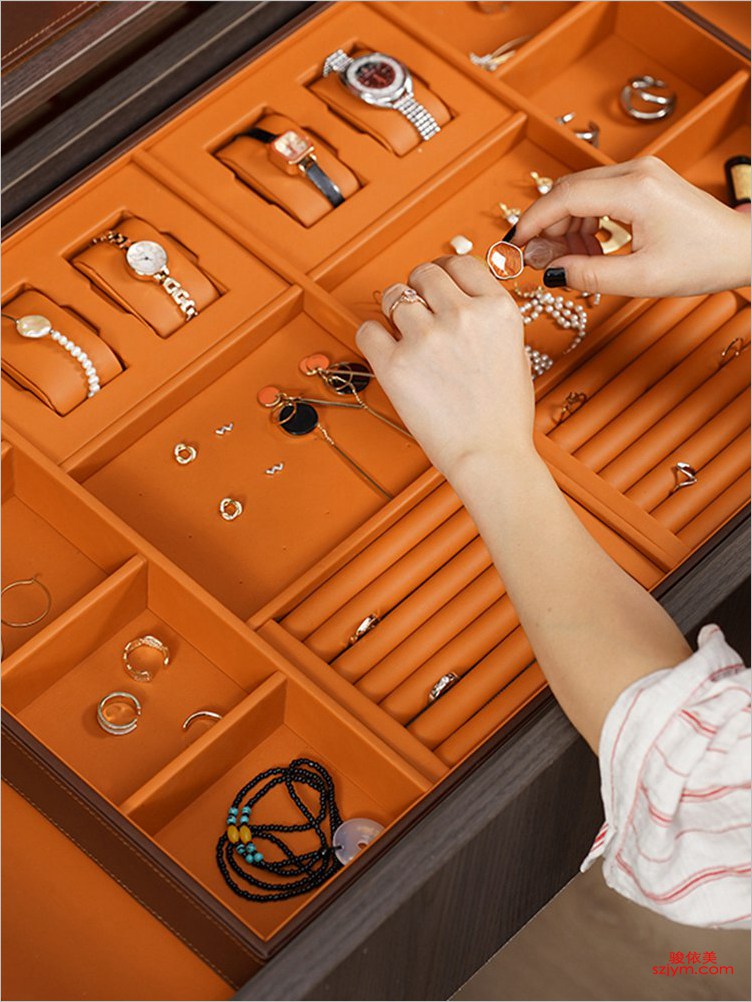 橱窗是品牌离客人最近、却最常被忽略的广告位,它天天在街头替你发声却不收一分钱。LBOBO 做陈列包装时,总提醒客户:路人走过只用三秒决定要不要进店,而这三秒里,橱窗里的那只盒子往往比海报更有说服力,因为它看得见、摸得着、能想象。很多品牌把预算全砸在线上投流,却让橱窗里堆着杂乱的样品,机会在门口就溜走了,流量花了却没接住。我们建议把橱窗当成产品的"第一句话",用一只体面的展盒把价值先讲明白。好的橱窗陈列不靠多,靠准——,一只被灯光托住的珠宝盒,胜过十张说不清的传单,它替品牌在街头完成了最便宜也最有效的一次自我介绍,让路过的人先记住你,愿意多望一眼。
二、灯光才是首席销售
再好的盒子,没有光也立不起来,光是让价值被看见的前提。LBOBO 设计展具时,把灯光当成和盒子同等重要的角色:一束角度对的射灯,能让普通材质显出贵气,也能让火彩活过来,把客人的眼睛稳稳勾住。很多店铺用均质顶光,结果所有东西都平平,珠宝最亮的亮点被自己埋了,橱窗成了摆设。我们建议用重点照明替产品"打追光",让客人的视线自然落在最该被看见的地方,而不是在整面墙上平均分配注意力。灯光这件小事,常常是成交的隐形推手——它不说话,却决定客人停不停得下来,也悄悄左右了那句"我进来看看"会不会说出口,值得被认真设计,而不是随手接个灯泡敷衍了事,把门面交给运气。
三、留白让主角发声
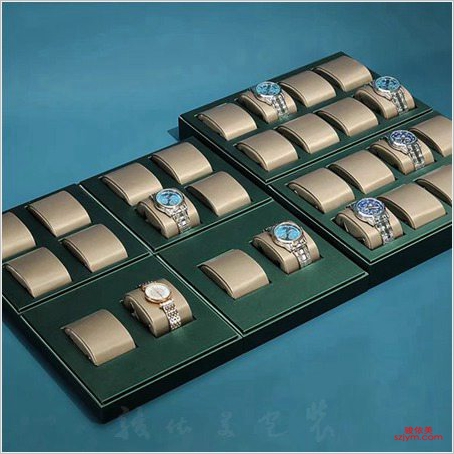 橱窗最忌满。LBOBO 做陈列主张"少即是多":一只主盒、一束光、一片留白,反而比塞满更抓人,因为人的眼睛天生追逐焦点。很多店铺怕空,把橱窗堆成货架,结果主角被淹没,客人一眼看不到重点,三秒之内就走开了。我们建议给展品留呼吸的空间,让那只最想卖的盒子成为唯一的焦点,其余的都退成背景。留白不是浪费面积,而是把注意力让给产品本身,让客人一眼接到品牌想说的那句话。真正讲究的橱窗,懂得在合适的地方空着,把舞台留给珠宝,这份克制远比堆满更显底气,也更容易被路人记住并停下脚步,多看你一眼往往就是进店的开始,是成交最便宜也最关键的一步,别轻易浪费。
四、道具要会讲故事
陈列道具不是装饰,而是叙事的工具,它替你把产品放进一个生活场景里。LBOBO 喜欢用一件小道具把场景讲出来:一块绒布讲温度,一根丝带讲礼遇,一个托座讲专业,让冰冷的珠宝有了可以去处的想象。很多店铺道具和货不对路,结果再贵的珠宝也显得孤零零,像被丢在台面上而不是被珍视。我们建议道具随产品调性走,让每一件陈列都像在替客人演示"拥有它会怎样"。道具用对了,橱窗就从静态展示变成一次微小的情境邀请,客人还没进门就被故事接住,成交的临门一脚往往就软在这一点温柔的铺垫里,比任何硬广都更自然,也更让人愿意为那份想象买单,心甘情愿。
五、动线决定停留
客人怎么走,决定了他看不看得见你的盒子,也决定了他愿不愿意停下来。LBOBO 做门店规划时,会把主推款放在视线自然落点和动线必经之处,让橱窗的引力顺理成章地接进店里,而不是藏在没人经过的角落。很多店铺把最好的陈列摆在不顺路的死角,结果流量白白流过,最想卖的货反而最难被看见。我们建议把橱窗和店内动线当成一条连续的叙事线,让客人在门口被吸引、在动线上被引导、在柜台前被促成,每一步都不突兀。动线这件小事,常常决定了一天的进店量与成交量,它不喧哗,却天天替品牌把路人变成客人、把客人变成买单的人,值得被认真画过再画,反复打磨到顺滑,让成交水到渠成。
六、常换常新才有生命力
橱窗最怕一成不变,再漂亮的陈列摆久了也会变成背景,被路人自动忽略。LBOBO 建议品牌给橱窗定一个更新节奏:跟着节令走、跟着主推走、跟着话题走,让路人每次经过都有新东西可看,保持一份新鲜的期待。很多店铺一只陈列摆半年,客人熟视无睹,橱窗彻底失了效,等于白白浪费了街头最贵的那块位置。我们主张把橱窗当成活的内容位,定期换主题、换主盒、换灯光,让它像杂志封面一样让人期待翻看。常换常新的橱窗会替品牌在街头持续发声,既留住老客的好奇,也接住新客的视线,这份生命力比一次漂亮的陈列更值钱,也更能让品牌在一条街上始终被看见、被记住,而不是默默无闻地站在最显眼的地方,白白浪费门面。