
Material Archaeology of Jewelry Packaging: Tracing the Evolutionary Code of Jewelry Boxes from Antiquity to the Future
在考古学的视野中,每一件出土的珠宝包装容器都是一部无声的物质文明史。从古埃及法老墓中的雪花石膏膏罐到唐代法门寺地宫的鎏金银函,从文艺复兴时期的天鹅绒首饰袋到维多利亚时代的玳瑁镶嵌盒,包装材料的每一次变迁都映射着人类文明的技术进步和审美迁徙。当我们以材料考古学的视角追溯首饰容器的演化谱系时,会发现这些看似普通的包装物实际上是文明基因的物质载体——它们记录着人类对珍贵事物的保护本能、对美的永恒追求,以及对物质与精神边界的不断探索。
In the lens of archaeology, every excavated jewelry packaging vessel is a silent history of material civilization. From Egyptian canopic jars in pharaohs' tombs to Tang Dynasty gilded silver reliquaries, from Renaissance velvet pouches to Victorian tortoiseshell inlaid boxes, each material transition mirrors humanity's technological progress and aesthetic migration. When we trace the evolutionary lineage of jewelry containers through the lens of material archaeology, we discover that these seemingly ordinary packaging objects are in fact material carriers of civilizational DNA—recording humanity's protective instinct toward precious things, eternal pursuit of beauty, and continuous exploration of the boundary between material and spiritual realms.
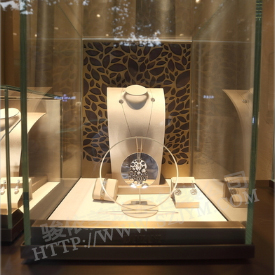
古代文明的材料选择逻辑
Material Selection Logic of Ancient Civilizations
古埃及人选择雪花石膏制作存放珠宝和香料的容器,并非偶然。雪花石膏的半透明特性使容器内部的物品若隐若现,这种"可见但不可触"的视觉效果恰好满足了宗教仪式中对神圣物品"展示与遮蔽并存"的需求。同时,雪花石膏的低温触感在埃及炎热的气候中提供了一种独特的感官舒适——手指触碰容器表面的冰凉感,强化了仪式的庄严氛围。这种材料选择逻辑远超纯粹的实用性,而是融合了宗教信仰、气候适应和感官设计的综合考量。
Ancient Egyptians' choice of alabaster for containers holding jewelry and spices was no accident. The translucent quality of alabaster made contents faintly visible, satisfying the dual ritual requirement of simultaneously displaying and concealing sacred objects. Meanwhile, alabaster's cool touch provided unique sensory comfort in Egypt's hot climate—the cold sensation of fingers against the vessel surface reinforced the solemnity of rituals. This material selection logic far exceeded pure utility, integrating religious belief, climate adaptation, and sensory design.
中国古代的首饰盒材料选择则呈现出截然不同的文明逻辑。唐代贵族偏爱漆木盒,因为大漆的深邃光泽与唐代审美的华丽基调高度吻合;宋代文人则倾向于素木盒,以材料的质朴回应理学的简约哲学。同一种功能需求——保护珍贵首饰——在不同文化语境中催生了完全不同的材料选择,这一现象在材料考古学中被称为"材料的文化编码"。理解这种编码机制,对于当代珠宝品牌在不同文化市场中的包装材料决策具有重要的参照价值。
Material selection for ancient Chinese jewelry boxes exhibited an entirely different civilizational logic. Tang Dynasty nobles favored lacquered wooden boxes because the deep luster of lacquer resonated with the ornate aesthetics of the era; Song Dynasty literati preferred plain wooden boxes, using material simplicity to echo the minimalist philosophy of Neo-Confucianism. The same functional need—protecting precious jewelry—gave rise to completely different material choices across cultural contexts, a phenomenon termed "cultural encoding of materials" in material archaeology. Understanding this encoding mechanism holds significant reference value for contemporary jewelry brands' packaging material decisions across different cultural markets.
工业革命与材料民主化
Industrial Revolution and Material Democratization
19世纪的工业革命彻底改变了珠宝包装的材料格局。此前,精美包装材料——象牙、玳、玳瑁、珐琅——是贵族阶层的专属特权,其稀缺性本身就是社会等级的物质标记。工业革命带来的电镀技术、压制玻璃工艺和后来的塑料发明,使原本稀缺的包装效果得以大规模复制。这种"材料民主化"过程一方面降低了精美包装的门槛,使中产阶级也能享受高品质的珠宝道具;另一方面也稀释了稀有材料原有的符号价值,迫使高端品牌寻找新的差异化材料路径。
The 19th-century Industrial Revolution fundamentally reshaped the material landscape of jewelry packaging. Previously, exquisite packaging materials—ivory, tortoiseshell, enamel—were exclusive privileges of the aristocracy, whose scarcity itself served as a material marker of social hierarchy. Industrial-era electroplating, pressed glass techniques, and later plastic inventions enabled mass replication of previously rare packaging effects. This "material democratization" simultaneously lowered the threshold for fine packaging, allowing the middle class to enjoy high-quality jewelry display props, while also diluting the symbolic value of rare materials, forcing premium brands to seek new paths of material differentiation.
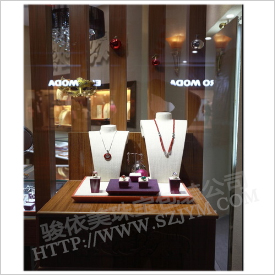
当代材料复兴与未来考古层
Contemporary Material Renaissance and Future Archaeological Layers
进入21世纪,珠宝包装材料选择出现了两个看似矛盾的趋势。一方面,可持续材料——再生纸板、生物降解塑料、植物鞣制皮革——正在迅速占领市场,回应着全球环保意识的崛起。另一方面,古老材料的复兴——手工大漆、天然丝绸、原矿石材——正在高端品牌中形成新的奢侈品话语。这两个趋势的共存揭示了当代消费心理的复杂性:消费者既希望品牌承担环境责任,又渴望触碰到具有历史质感的真实材料。
Entering the 21st century, two seemingly contradictory trends have emerged in jewelry packaging material selection. On one hand, sustainable materials—recycled cardboard, biodegradable plastics, vegetable-tanned leather—are rapidly capturing market share, responding to rising global environmental consciousness. On the other hand, a revival of ancient materials—handmade lacquer, natural silk, raw mineral stone—is forming a new luxury discourse among premium brands. The coexistence of these trends reveals the complexity of contemporary consumer psychology: consumers want brands to bear environmental responsibility while simultaneously desiring the tactile authenticity of historically textured materials.
从材料考古学的视角看,我们今天使用的每一款首饰袋和包装盒都将成为未来考古层的物质遗存。考古学家在千年之后挖掘出21世纪的珠宝包装时,他们会读到什么?是泛滥的塑料碎片,还是精心设计的可持续材料?这个问题的答案取决于当代设计与定制从业者的每一个材料选择。在这个意义上,材料考古学不仅是一门回溯过去的学科,更是一种面向未来的伦理思考——我们今天的材料决策,正在书写未来人类将要解读的物质文明档案。
From the perspective of material archaeology, every jewelry pouch and packaging box we use today will become material residue of future archaeological layers. What will archaeologists read when they excavate 21st-century jewelry packaging a millennium from now? Pervasive plastic fragments, or thoughtfully designed sustainable materials? The answer depends on every material choice made by contemporary design and customization practitioners. In this sense, material archaeology is not merely a retrospective discipline but a forward-looking ethical reflection—our material decisions today are writing the archive of material civilization that future humans will interpret.
材料记忆与品牌遗产
Material Memory and Brand Heritage
材料考古学的最后一个启示是关于"材料记忆"的概念。某些材料——如大漆、皮革、纯铜——具有随着时间推移而改变外观的特性,这种变化被材料科学家称为"老化美学"。在珠宝包装领域,老化美学可以成为品牌遗产的物质见证。一个随着岁月推移而产生包浆的铜质首饰盒,比一个永远不变的塑料盒更能承载时间的情感重量。当代珠宝品牌在包装材料选择中,如果能够有意地利用材料的老化特性,便可以在消费者使用过程中持续书写品牌故事,使包装从一次性消费品进化为具有收藏价值的文化器物。
A final insight from material archaeology concerns the concept of "material memory." Certain materials—such as lacquer, leather, pure copper—possess characteristics that change appearance over time, a phenomenon material scientists call "aesthetic aging." In jewelry packaging, aesthetic aging can serve as material witness to brand heritage. A copper jewelry box that develops patina over the years carries the emotional weight of time far more powerfully than an immutable plastic box. If contemporary jewelry brands can intentionally leverage material aging characteristics in packaging selection, they can continuously write brand narratives throughout the consumer's usage journey, transforming packaging from disposable consumables into collectible cultural artifacts.
— 本文为骏依美包装原创内容,转载请注明出处 / This article is original content by Junyimei Packaging, please indicate the source when reprinting —
- 上一篇:没有啦
- 下一篇:留白即奢华:负空间理论如何重构珠宝陈列架的视觉语法 2026/7/13


