Silver Rewrites the Jewelry Rulebook白银改写银饰规则
On 26 January 2026, a single line went viral on Chinese social media: a silver bangle weighing 71 grams had just sold for more than 3,000 yuan. The top comment underneath was a joke with teeth. Silver used to be what you bought to cheer yourself up. Now it is what you buy to hurt yourself.
Behind the joke sits a category being rewritten from the ground up.
Start with the numbers. On that same day the domestic spot price sat at 26 yuan per gram, counter retail was quoted around 40 yuan per gram, and leading brands pushed to 50. Internationally the metal trades near 45.30 dollars an ounce, up 140.9 per cent over twelve months. India has been wilder still: rupee silver prices rose roughly 170 per cent through 2025, then added almost 40 per cent in the first weeks of 2026, breaking through 300,000 rupees per kilogram.

The mirror image of that rally is collapsing fabrication demand. According to the Silver Institute, total global silver demand fell 2 per cent in 2025 to 1.1 billion ounces. Industrial offtake dropped 3 per cent to 20,446 tonnes. Jewellery fell 8 per cent to 5,889 tonnes, the lowest level since 2021. Investment went the other way entirely: coins and bars surged 14 per cent, with Indian physical investment up 33 per cent. For 2026 the forecast is more of the same, with industrial demand easing to 19,894 tonnes, jewellery sliding to a five-year low of 4,957 tonnes, and coin and bar demand climbing another 18 per cent. Metals Focus puts it plainly: silver jewellery offtake down 12 per cent this year, silverware down 15 per cent, physical investment up around 7 per cent to its highest level since 2022.
The supply side explains the underlying logic. Silver has run a structural deficit for years, with the 2026 shortfall estimated near 8,000 tonnes. Roughly seventy per cent of mine supply arrives as a by-product of copper, lead and zinc operations, where expansion cycles run five to ten years, so the metal simply cannot answer a price signal quickly. Mine production rose only 3 per cent in 2025 to 846.6 million ounces and is expected to stay flat this year. Demand, meanwhile, keeps being pulled by photovoltaics, electric vehicles and AI computing infrastructure. Add China's silver export controls introduced in January 2026, which are expected to remove 4,500 to 5,000 tonnes of annual exports from a country supplying sixty to seventy per cent of the world's refined silver, and London's deliverable inventory briefly falling to 233 tonnes, under 1.2 months of global consumption, and the picture is complete.
Counters in Shenzhen's Shuibei district have been the clearest developing fluid for this market. Visits in early January produced remarkably consistent accounts. Bars and ingots, the low-fabrication, investment-leaning end of the range, were cleaned out; 500-gram and 1,000-gram pieces sold through entirely. Wearable jewellery held flat or dipped slightly. One counter assistant framed the shift vividly: a bangle used to cost two or three hundred yuan and people bought without hesitating; at six, seven or eight hundred, they think about it. A store manager was blunter still. Raw material orders now carry a premium, fabrication charges carry a premium, and so the shop simply prices against the live silver quote, the way gold has always been sold.
The split runs through customer types as well as product types. Local shoppers skew toward wearable pieces, out-of-town buyers toward investment products. Younger customers are migrating to beaded bracelets and long chain pendants, light in weight and heavy in design. Ahead of Spring Festival, gifting demand for bangles for elders and children stayed steady. The motive for buying silver has fractured into three parallel lines: store of value, self-reward, and social expression.
Manufacturers have already begun responding, and pragmatically. The first route is light-weighting. Indian fabricators are aggressively cutting weight from traditionally heavy categories such as anklets and silverware, and some have adopted paper casting, which can reduce weight by 60 to 70 per cent while holding hardness and finish. The second route is purity. Consumer awareness of 925 sterling has risen quickly, squeezing low-grade alloys out of the market. The third is hybrid material, with gold-plated silver scaling fast because it carries the appearance of gold at the cost base of silver. None of it fully offsets the pressure. Fabrication accounts for 20 to 30 per cent of a finished silver piece and brand premium another 30 to 50 per cent, which means raw material is only part of the increase. The rest has to be justified by design and narrative.
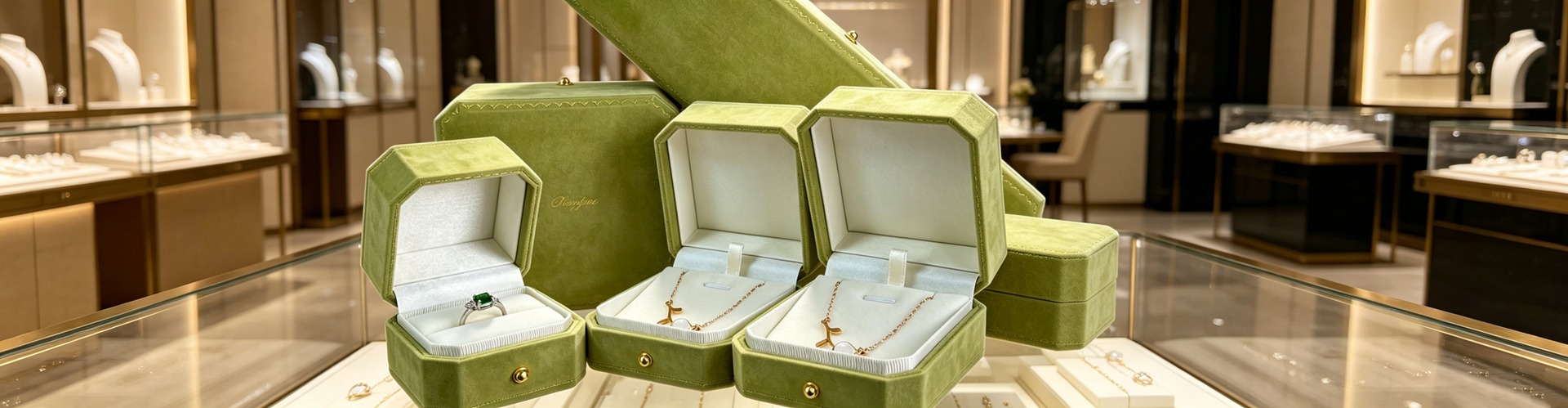
The genuinely interesting story is the revaluation happening on the design side. Sterling silver, dismissed for years as the budget alternative to gold, is now being treated as a primary canvas for high-concept work. The global silver jewellery market is projected to pass 60 billion dollars by 2028. There is also a counter-intuitive retail statistic worth sitting with: silver inventory turns roughly 4.5 times faster than diamond-set gold. In a volatile year, that velocity is itself a competitive advantage.
Aesthetically, 2026 belongs to sculpture. Thick, molten-textured cuffs and bold asymmetric rings have displaced the delicate chain look. Fully recycled silver has moved from selling point to entry requirement, and brands using certified circular material report conversion rates around 22 per cent higher among Gen Z buyers. Anti-tarnish nano-coatings and rhodium treatment have become the technical threshold for competing with white gold on perceived quality.
China has taken a different path. Heritage-craft silver, with matte surfaces, hammered texture and filigree inlay, holds the upper mid-market, reaching several thousand yuan per transaction in bridal and gifting contexts. Fashion-weight sterling at 50 to 500 yuan has become the default for commuters and students. Culture-led IP collaborations generate repeat hits on narrative premium alone, while regional ethnic silver remains irreplaceable in travel retail. The industry as a whole is moving out of an era of loose stalls and price wars into one defined by branding, culture and digital retail.
Assemble these threads and the turn is unmistakable. The silver bull market has not destroyed the jewellery category. It has retired the laziest playbook in it, namely pricing by the gram and winning on cheapness. When raw material alone can double a retail tag, cheap stops being the argument and worth it has to take over. For the first time, silver is being forced to answer a question that used to belong only to fine jewellery: beyond the metal, what else are you offering?
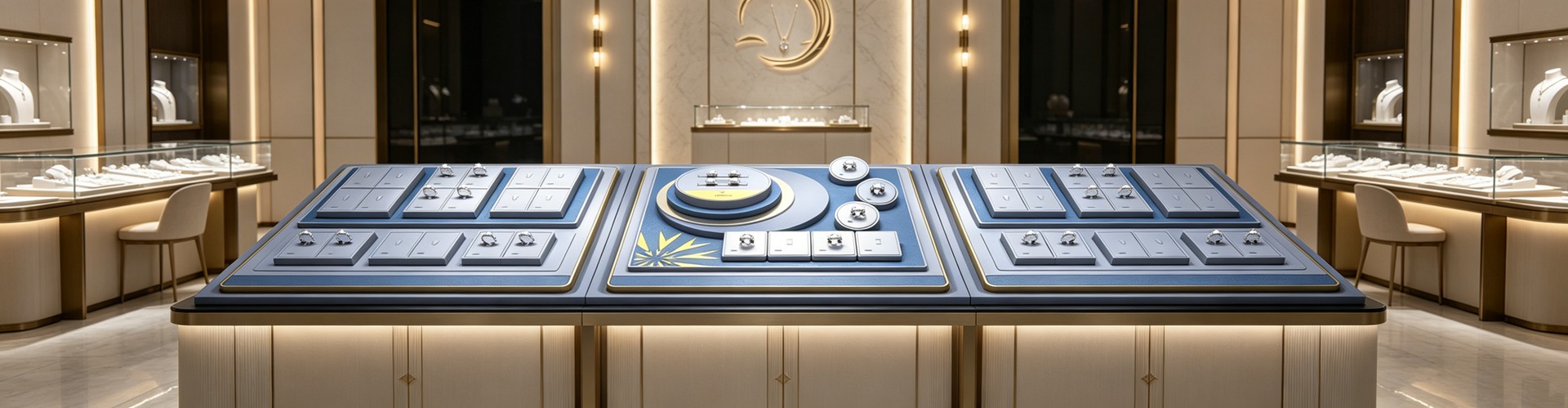
Part of the answer is written into the design, and part into the delivery. Handing over a 300-yuan bangle in a thin paper pouch is not an insult. Handing over an 800-yuan or 1,000-yuan piece the same way is, because the buyer's mental accounting has already moved into the accessible-luxury bracket and their expectations moved with it. There is a harder functional constraint too. Silver tarnishes. That gives presentation and storage a genuine engineering brief: whether the jewellery packaging box carries an anti-tarnish lining and a real seal, whether the jewellery box design serves both long-term storage and daily access, whether the jewellery display stand can tame the glare off a polished silver surface under strong counter lighting without flattening its character. Details once treated as garnish become real variables in repeat purchase and word of mouth once average selling prices move up. Shenzhen Junyimei has worked with a good number of silver and accessible-luxury brands, and one lesson keeps proving itself: every step up in average transaction value takes a step out of your margin for error in packaging and display.
Silver is unlikely to leave the trade much room to wait and see this year. Nobody can call the next move in the price with confidence, but the direction of travel is clear enough. Silver jewellery is leaving its identity as an inexpensive accessory behind and being pushed into a position that tests design, craft and brand far more severely. For makers and retailers that is not necessarily bad news. It means the category has finally started paying for work that is done well, rather than only for work that is done cheaply.
This is original content. Copyright belongs to Shenzhen Junyimei.
Junyimei — present every jewel and timepiece at its best.
2026年1月26日,一条"71克银镯卖到3000元"的消息在社交平台刷屏。评论区点赞最高的一句话是:以前银饰是买给自己开心的,现在是买给自己心疼的。
这句玩笑背后,是一个正在被彻底改写的品类。
先看价格。1月26日国内白银大盘价定格在26元/克,柜台零售普遍报到40元/克,头部品牌抬到50元/克。国际市场同样躁动,白银现价约45.3美元/盎司,过去十二个月涨幅140.9%。印度市场更极端:卢比银价2025年上涨约170%,2026年开年不到一个月又涨近40%,突破每公斤30万卢比。
价格的另一面是需求的塌缩。Silver Institute的统计显示,2025年全球白银总需求同比下滑2%至11亿盎司;工业用银下降3%至20446吨;银饰用银下滑8%至5889吨,跌回2021年以来最低水平。与之形成镜像的是投资端:银币银条需求暴涨14%,印度实物投资激增33%。对2026年,该机构预测工业用银继续降至19894吨,银饰用银跌到4957吨的五年低点,而币条需求还要再涨18%。Metals Focus给出的判断更直接:2026年银饰用量预计下滑12%,银器下滑15%,实物投资上涨约7%,将创2022年以来最高。
供给端解释了这场牛市的底层逻辑。全球白银已连续多年供不应求,2026年供需缺口预计约8000吨。白银约七成来自铜铅锌伴生矿,扩产周期五到十年,几乎无法对价格信号做出快速响应——2025年全球银矿产量仅增长3%至8.466亿盎司,2026年预计持平。需求侧则被光伏、新能源汽车与AI算力持续拉动。叠加中国自2026年1月起实施白银出口管制,年出口量预计减少4500至5000吨,而中国精炼银出口占全球六到七成;伦敦可交割库存一度只剩233吨,不足全球1.2个月的消费量。
深圳水贝的柜台,是这场行情最真实的显影液。1月上旬的走访里,多位商家的描述高度一致:银条、银元宝这类低工费、偏投资的品类被抢空,"500克的、1000克的基本卖光";而日常佩戴的银饰销量与平常持平,甚至略降。一位营业员的对比很有画面感:"以前一个手镯两三百,大家下手比较果断;现在五六百七八百,肯定要考虑一下。"另一位店长说得更实在:现在订料要加价、加工费也要加价,店里定价干脆跟着实时银价走,"就跟黄金一样"。
分化不只发生在品类之间,也发生在客群之间。本地客人买饰品偏多,外地客户买投资类偏多;年轻人转向手串、毛衣链这类克重轻、设计感强的时尚款;临近春节,长辈镯、童镯的礼赠需求依然稳定。银饰的消费动机,正从"便宜好看"裂变为保值、悦己、社交表达三条并行的线。
制造端的应对已经开始,而且相当务实。第一条路是轻量化,印度厂商在脚链、银器这类传统重克重品类上激进减重,部分工厂引入纸模铸造工艺,可在维持硬度与表面质感的前提下减重60%到70%。第二条路是提纯提质,925标准银的消费者认知度快速上升,倒逼低纯度杂银退场。第三条路是复合材质,镀金银快速走量,用银的成本承载金的观感。但这些手段都无法完全对冲成本压力——银饰售价中加工费占20%到30%、品牌溢价占30%到50%,原料只是涨价的一部分,剩下的必须靠设计与叙事去说服消费者。
真正值得关注的,是设计端正在发生的重估。过去几年被视为"黄金平替"的925银,正在被当作高概念设计的主材料来使用。全球银饰市场规模预计2028年突破600亿美元。零售端还有一个反直觉的数据:银饰的库存周转速度约为镶钻黄金首饰的4.5倍——在需求波动的年份,这种周转效率本身就是竞争力。审美上,2026年的关键词是雕塑感:厚重的液态金属质感手镯、非对称造型戒指取代了细链路线;100%回收银从卖点变成入场券,使用认证循环银的品牌在Z世代客群中的转化率高出约22%;抗氧化纳米镀层与铑处理,则成了对标白金质感的技术门槛。
中国市场走出了另一条路径。古法银凭借哑光、锤纹、花丝镶嵌等非遗工艺占据中高端,婚庆与礼赠场景客单价可达数千元;时尚轻银单价50到500元,成为通勤与学生群体的日常首选;国潮IP联名银靠文化溢价频出爆款;苗银、藏银、彝银在旅游消费中不可替代。整个行业正从地摊散卖加低价竞争的旧模式,进入品牌化、文化化、数字化并重的新阶段。
把这些线索拼起来,会看到一个清晰的转向:白银牛市并没有摧毁银饰行业,它只是废掉了这个行业最偷懒的那套玩法——按克重定价、靠低价走量。当原料成本自己就能把零售价翻倍,"便宜"不再是卖点,"值得"才是。银饰第一次被迫回答一个原本只属于高级珠宝的问题:除了材料,你还提供什么?
答案的一部分写在设计里,另一部分写在交付体验里。一只两三百元的银镯,用薄纸袋递出去不算失礼;一只七八百甚至上千元的银镯,消费者的心理账户已经切换到轻奢档位,随之而来的期待也会切换。更现实的是,白银天然会氧化发黑,这让银饰的呈现与收纳带有硬性的功能门槛:饰品包装盒是否配了抗氧化内衬与足够的密封性、首饰盒设计有没有同时照顾长期存放与日常取用、珠宝展示架能否在柜台强光下压住银面的刺眼反光而不损失质感——这些过去被视为锦上添花的细节,在银饰均价整体上移之后,变成了影响复购与口碑的实际变量。深圳骏依美服务过不少银饰与轻奢品牌,一条反复被验证的经验是:客单价每上一个台阶,包装与陈列的容错率就下降一档。
2026年的白银,大概率不会给行业留出观望的时间。银价的下一步走向无人能准确预测,但趋势的方向已经清楚:银饰正在告别平价配饰的身份,被推到一个更考验设计力、工艺力与品牌力的位置上。对制造端和零售端而言,这未必是坏消息——它意味着这条赛道终于开始为"做得好"付费,而不只是为"做得便宜"付费。
本文为原创内容,版权归深圳骏依美所有,转载请注明出处。
骏依美——让每一件珠宝与腕表,都被更好地呈现。