Filigree Inlay Revival: The Modern Rebirth of a Millennia-Old Craft花丝镶嵌工艺复兴:千年技艺的现代重生
I. Filigree Inlay: The Contemporary Revival of a Millennia-Old Craft
Filigree inlay, also known as "fine gold craftsmanship," is one of the most intricate and complex techniques in traditional Chinese handmade artistry. This craft traces back to the Spring and Autumn and Warring States periods, flourished through the Tang and Song dynasties, and reached its zenith during the Ming and Qing eras. Artisans draw precious metals such as gold and silver into wires as thin as human hair, then weave them into exquisite patterns through eight major processes: pinching, filling, assembling, welding, stacking, building, weaving, and braiding. In 2026, with the comprehensive penetration of national trend culture and consumers' renewed appreciation for artisanal spirit, filigree inlay is experiencing an unprecedented contemporary revival. Major jewelry brands are integrating this ancient craft into modern designs, with filigree elements appearing everywhere from bridal gold jewelry to high-end artistic pieces. According to the latest data from the China Jewelry and Jade Carving Association, sales of filigree inlay products grew by more than 35% year-on-year in the first half of 2026, making it the fastest-growing category in the jewelry consumption market.
II. From Imperial Exclusive to Popular Aesthetics: The Democratization of Filigree
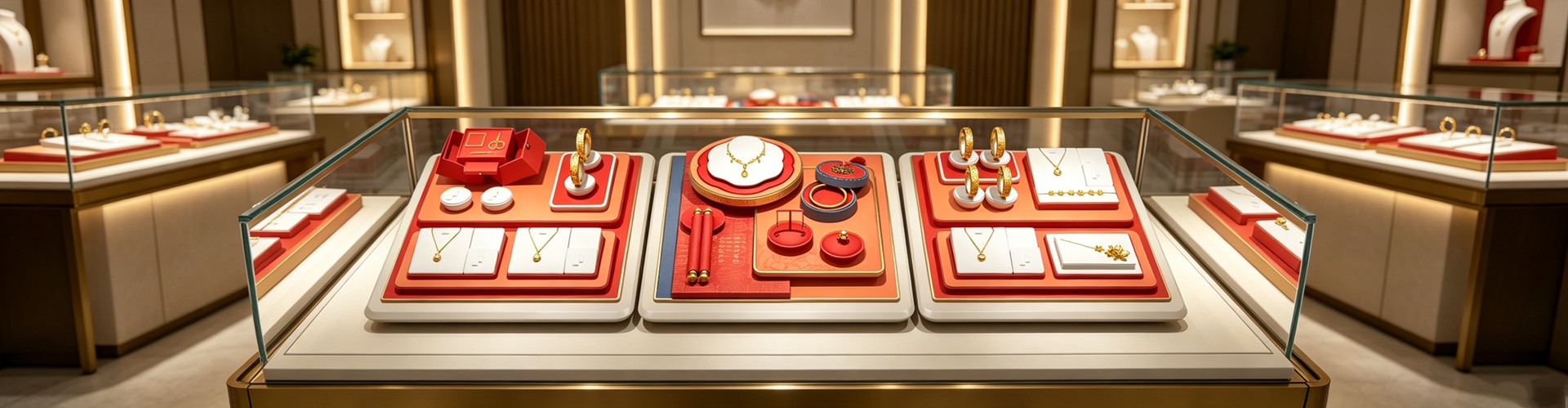
Historically, filigree inlay was an exclusive luxury of the royal court. A single filigree phoenix crown could require dozens of artisans working for months or even years. Today, with improvements in manufacturing techniques and the expansion of consumer demographics, filigree craftsmanship is moving from the lofty realm of imperial art to the mass market. A new generation of designers, while preserving the essence of traditional techniques, boldly simplifies pattern structures and introduces modern aesthetic language, making filigree products lighter, more wearable, and easier to style. Numerous independent jewelry brands have launched filigree earrings, brooches, and pendants in the thousand-yuan range, allowing ordinary consumers to own a piece of Eastern aesthetics that has been passed down for millennia. Simultaneously, the jewelry packaging industry is upgrading in parallel — jewelry boxes and display props customized for filigree products not only echo the delicacy of filigree patterns in appearance but also feature special structural designs addressing the deformation and compression sensitivity of filigree pieces, providing systematic solutions for brands through jewelry box wholesale.
III. Technique Decoded: The Fantastic Journey of a Single Gold Wire
The core of filigree craftsmanship lies in "wire drawing." Artisans melt pure gold or silver, then gradually draw the metal wire from an initial diameter of several millimeters down to 0.1 millimeters or even finer — thinner than a human hair — using drawing plates of progressively smaller sizes. This wire is then bent, cut, and joined with tweezers to form various pattern units. The most common patterns include auspicious cloud motifs, fret patterns, scrolling lotus vines, and ruyi patterns. Each unit must be made individually and then assembled into a complete piece through precision welding. Welding is the most skill-demanding step in filigree craftsmanship: temperatures too high will melt the fine wires, while temperatures too low will result in weak joints. Master artisans control the heat entirely through experience and keen observation, and a complex filigree piece may contain over a thousand weld points. In the design and customization process, designers must communicate deeply with filigree artisans to ensure that design patterns are both technically feasible and cost-controllable.
IV. Filigree and Brand Storytelling: The Commercial Monetization of Cultural IP
In 2026, filigree craftsmanship has become more than a manufacturing technique — it is now a vital vehicle for jewelry brands to construct cultural narratives. Chow Tai Fook's "Heritage" filigree series combines traditional filigree patterns with modern K-gold materials, becoming an instant hit upon launch. Lao Feng Xiang's filigree intangible cultural heritage collaboration series partners with national-level heritage bearers to create limited-edition collectibles, with individual pieces exceeding six-figure prices. Brands are drawn to filigree storytelling because it naturally carries the triple cultural labels of "craftsmanship," "heritage," and "Eastern aesthetics," effectively enhancing the emotional premium of products. At the retail display level, brands typically choose jewelry display stands and display platforms with Eastern elements to showcase filigree works, creating an immersive atmosphere through the overall spatial design that allows consumers to be enveloped in the cultural narrative before even touching the product. This integrated strategy — from product to display to packaging — is becoming the standard approach for high-end jewelry brands.
V. Outlook: The Digital Future of Filigree Craftsmanship
The greatest challenge facing traditional filigree craftsmanship is the talent gap — a mature filigree artisan requires at least ten years of practice, and fewer young people are willing to devote themselves to this painstaking profession. In 2026, several jewelry industry bases have begun experimenting with digital technologies to assist filigree production. 3D modeling software can simulate filigree pattern structures and weld points in advance, significantly reducing trial-and-error costs. Laser welding equipment achieves micron-level precision welding, reducing reliance on artisan experience. However, this does not mean handmade filigree will be eliminated — on the contrary, machine intervention frees artisans from repetitive labor, allowing them to focus on more artistic pattern creation. It is foreseeable that filigree craftsmanship will form a new paradigm of "machines laying the foundation, human hands adding the soul." And the display props and jewelry pouches that carry these precious works will continue to evolve in materials and design, jointly writing a new chapter in Chinese jewelry culture alongside filigree craftsmanship.
This article is original content, copyrighted by Shenzhen Junyimei. Please indicate the source when reprinting.
Junyimei — Making every piece of jewelry and watch presented better. Specializing in jewelry boxes, jewelry display stands, watch display props. Shenzhen-owned factory, custom design supported. Inquiries welcome!
一、花丝镶嵌:千年技艺的当代复兴
花丝镶嵌,又称"细金工艺",是中国传统手工技艺中最为精密繁复的门类之一。这项技艺可追溯至春秋战国时期,历经唐宋的繁荣发展,至明清达到鼎盛。工匠将金、银等贵金属拉成细如发丝的丝线,再通过掐、填、攒、焊、堆、垒、织、编等八大工序,编织成精妙绝伦的纹样图案。2026年,随着国潮文化的全面渗透和消费者对匠心精神的重新审视,花丝镶嵌正经历一场前所未有的当代复兴。各大珠宝品牌纷纷将这一古老工艺融入现代设计,从婚嫁金饰到高端艺术珠宝,花丝元素无处不在。据中国珠宝玉石首饰行业协会最新数据,2026年上半年花丝镶嵌类产品销售额同比增长超过35%,成为珠宝消费市场中增长最快的品类之一。
二、从宫廷御用到大众审美:花丝工艺的平民化转型
过去,花丝镶嵌是皇家专属的奢侈品,一件花丝凤冠往往需要数十位匠人耗时数月甚至数年才能完成。而如今,随着制造工艺的改良和消费群体的扩大,花丝工艺正从高高在上的宫廷艺术走向大众市场。年轻一代设计师在保留传统技艺精髓的基础上,大胆简化纹样结构、引入现代审美语言,使花丝产品更轻盈、更日常、更易于搭配。不少独立珠宝品牌推出了千元级的花丝耳坠、胸针和吊坠,让普通消费者也能拥有这件传承千年的东方美学。与此同时,珠宝包装行业也在同步升级——为花丝类精品量身定制的首饰盒与珠宝道具,不仅在外观上呼应花丝纹样的精致感,在内部结构上也针对花丝制品易变形、怕挤压的特性做了特殊设计,以珠宝盒批发的形式为品牌商提供系统化解决方案。
三、技艺解析:一根金丝的奇幻旅程
花丝工艺的核心在于"拔丝"。匠人将纯金或纯银原料熔炼后,通过由粗到细的拉丝板,将金属丝从最初的几毫米直径逐步拉至0.1毫米甚至更细——比人发还细。这根丝线随后被用镊子弯折、剪裁、拼接,形成各种纹样单元。最常见的纹样包括祥云纹、回纹、缠枝莲纹和如意纹。每一个单元都需要单独制作,再通过精密焊接组装成完整的作品。焊接是花丝工艺中最考验功力的环节:温度过高会熔化细丝,温度过低则焊不牢。老匠人全凭经验和眼力控制火候,一件复杂的花丝作品可能包含上千个焊接点。在设计与定制的流程中,设计师需要与花丝匠人深度沟通,确保设计图案在工艺上可行、在成本上可控。
四、花丝与品牌叙事:文化IP的商业变现
2026年,花丝工艺已不仅仅是制作工艺,更成为珠宝品牌构建文化叙事的重要载体。周大福推出的"传承"系列花丝产品,将传统花丝纹样与现代K金材质结合,上市即成爆款;老凤祥的花丝非遗联名系列,则携手国家级非遗传承人打造限量典藏款,单件售价突破六位数。品牌之所以热衷于花丝叙事,是因为它天然携带着"匠心""传承""东方美学"三重文化标签,能够有效提升产品的情感溢价。在终端陈列环节,品牌商通常会选择带有东方元素的珠宝陈列架和珠宝摆台来展示花丝作品,通过整体空间的氛围营造,让消费者在接触产品之前就已沉浸在文化叙事中。这种从产品到陈列再到包装的一体化策略,正在成为高端珠宝品牌的标准打法。
五、展望:花丝工艺的数字化未来
传统花丝工艺面临的最大挑战是人才断层——一位成熟的花丝匠人需要至少十年的练习,而愿意投身这一枯燥行业的年轻人越来越少。2026年,多个珠宝产业基地开始尝试用数字化技术辅助花丝制作。3D建模软件可以提前模拟花丝纹样的结构和焊接点位,大幅减少试错成本;激光焊接设备能够实现微米级精度的焊接,降低对匠人经验的依赖。但这并不意味着手工花丝将被淘汰——恰恰相反,机器的介入释放了匠人在重复劳动上的时间,让他们能够专注于更具艺术性的纹样创作。可以预见,未来花丝工艺将形成"机器筑底、人工点睛"的新格局。而承载这些珍贵作品的珠宝道具和首饰袋,也将在材料与设计上持续进化,与花丝工艺共同书写中国珠宝文化的新篇章。
本文为原创内容,版权归深圳骏依美所有,转载请注明出处。
骏依美——让每一件珠宝与腕表,都被更好地呈现。专注珠宝盒、首饰盒、珠宝陈列架、手表陈列道具等包装产品的设计与生产,深圳自有工厂,支持来图定制打样,欢迎咨询合作!