The End of the Watch Premium Era腕表溢价时代落幕
In the summer of 2022, a stainless-steel Patek Philippe Nautilus 5711/1A traded on the grey market for roughly RMB 1.2 million — nearly three times retail. Four years on, the same reference in near-mint, full-set condition changes hands between RMB 500,000 and 600,000. A Rolex Panda Daytona that once touched 400,000 now settles around 250,000. This is not the story of one overheated reference. It is the story of an entire secondary market rewriting its pricing logic.
1. The froth is gone, the foundation is not
Start with the primary market. Figures released by the Federation of the Swiss Watch Industry (FH) on 21 July show Swiss watch and clock exports reached CHF 12.8 billion in the first half of 2026, down just 0.7% year on year. Wristwatches accounted for CHF 12.2 billion, a marginal 0.6% decline — yet unit shipments exceeded seven million pieces, 162,000 more than a year earlier, up 2.3%. June alone rebounded 11.2% to CHF 2.391 billion.
Value down, volume up. Those four words capture the industry's real position. Almost all of the volume growth came from mechanical watches with an export price below CHF 500, a category that surged 23.8%. Meanwhile the CHF 500 to 3,000 band — the traditional backbone — fell 5.7% and dragged the total down. Both the top and the base of the pyramid still find buyers. It is the middle that is being hollowed out: watches neither cheap enough nor scarce enough to justify themselves.
Regional divergence is just as sharp. Exports to the United States fell 14.8% in the first half, largely a base effect from the pre-tariff rush of Q2 2025; measured over two years, US shipments are still up 2.6%. The genuinely worrying market is mainland China, down 16.5% year on year in June, with mainland China and Hong Kong, China combined shedding 30% over two years. Once the sector's second-largest market at the end of 2024, it has now slipped to sixth. The Middle East, roughly 10% of Swiss watch exports and until recently the strongest growth story in the industry, fell 2% after regional conflict erupted in late February.
2. Gold has rewritten the material hierarchy
The most counter-intuitive data of the year sits in the materials breakdown. Precious-metal watch exports fell 6.5% in value in the first half. Steel watches also fell 6.5%. Bi-metal — steel and gold — rose 20.0%, and in June alone jumped 42.1%. The “other metals” category gained 14.4%.
This is not a sudden shift in taste. It is cost and psychology working together. Gold hit record highs in the first half, pushing all-gold pieces past most buyers' mental ceiling. Two-tone keeps the visual weight of gold while holding the ticket price inside a tolerable band. Brands duly moved bi-metal to the front of the case, and buyers happily trade one row of gold links for visible value. When raw-material prices start dictating product architecture, influence quietly shifts from the design studio to the procurement desk. That is one of the least discussed but most consequential changes of 2026.
3. Nine in ten trade below retail
The WatchCharts and Morgan Stanley secondary-market data delivers a blunt verdict: roughly 90% of luxury watches now trade below retail on the pre-owned market. Only three brands, and essentially only their steel sports models, hold a positive premium.
The 2026 premium table reads: Patek Philippe Cubitus +79.9%, Aquanaut +67.7%, Nautilus +53.0%; Rolex GMT-Master II +36.2%, Daytona +36.1%, Oyster Perpetual +29.2%; Audemars Piguet Royal Oak +23.6%. At the 2022 peak the market's average premium ran at +150%. Today it has narrowed to under +30%. Four-fifths of the speculative premium has been squeezed out in three years.
The split inside each brand is more revealing than the gap between them. Patek's steel sports references still command a premium while dress pieces such as the Calatrava routinely resell at 70 to 80% of list. Rolex's hot steel models clear above retail, yet a 41mm steel Datejust fetches only 47 to 67% of list and two-tone ladies' models are close to half. The AP CODE 11.59 discounts by more than 40%. The rule is almost brutal in its clarity: supply-controlled classic steel sports watches are hard currency; everything else has reverted to being a consumer good.
The limited-edition myth is collapsing in parallel. Trade-in data from multiple dealers shows more than 90% of collaborations and seasonal editions lose 30 to 50% the moment they leave the counter, with hype typically lasting one to two years. The Swatch × Audemars Piguet collaboration in May generated queues worldwide and some 25 billion social impressions — but whether that kind of heat converts into long-term residual value is a question the market has already answered negatively too many times.
4. One watch, one price — and the box is now part of it
With speculation drained away, pricing power has moved into the details. Industry monitoring shows the same Daytona can be quoted 3 to 15% apart across different buyback channels — a spread driven not by market movement but by each house's valuation model and authentication standard. The market has entered a genuine one-watch-one-price era.
The most underrated variable is completeness. A pre-owned watch missing its warranty card typically loses 15% of its buyback value, and 20 to 30% on sought-after references. Conversely, a full set — card, original box, spare links, manuals — lifts the offer by 10 to 30%. Patek Philippe is the strictest of all: a missing box or card can knock more than 15% off a quote instantly.
The original box has quietly travelled from unboxing ritual to settlement document. It is the single deepest shift in luxury watch retail over the past five years, and it explains why more brands and dealers now write the structure, materials and durability of the watch box into their sourcing specifications. The same logic is spreading onto the sales floor. How a watch is presented in the vitrine now feeds directly into its condition grade when it eventually resells: the firmness of a cushion on a watch display prop, the tilt angle and lamp distance of a jewelry display stand. Details once filed under aesthetics now decide whether a case or clasp picks up try-on scratches. Supply-chain specialists serving jewelry and watch retail, such as Shenzhen Junyimei, report that client briefs have changed accordingly — from make it look good to make sure it protects the condition.
5. From speculative asset to slow asset
The 2026 watch market is not weak. It has simply stopped being feverish. Flat export value, marginal volume growth, entry-level mechanicals scaling up, two-tone in demand, and secondary premiums back inside a rational band — every signal points the same way. The wristwatch is moving from a tradeable speculation back to a dual identity: durable consumer good, and slow asset.
That need not be bad news. When premiums are no longer set by queues and flippers, real value returns to product substance, to a channel's authentication capability, and to how well retailers manage condition and completeness. FH forecasts full-year 2026 to be relatively stable versus 2025, while flagging high uncertainty from the Middle East and from possible new US tariffs. Stable but uncertain — that is likely the industry's honest baseline for some time. For those inside it, the better use of the next cycle is not waiting for another bubble, but getting condition, accessories and presentation right. In this market, those are the only things still appreciating.

This is original content. Copyright belongs to Shenzhen Junyimei.
Junyimei — present every jewel and timepiece at its best.
2022年夏天,一只钢壳百达翡丽鹦鹉螺5711/1A在二级市场被喊到120万元,比公价高出近三倍。四年后,同一型号95新全套的行情落在50万至60万元区间;劳力士熊猫迪通拿从40万跌回25万上下。这不是某一只表的失手,而是整个二级市场完成了一轮定价体系重写。
一、泡沫退去,但地基还在
先看一级市场底盘。瑞士钟表工业联合会(FH)7月21日数据显示,2026年上半年瑞士钟表出口额128亿瑞郎,同比仅降0.7%;其中腕表122亿瑞郎,微跌0.6%,但出口量超700万枚,同比多出16.2万枚、增长2.3%。6月单月更反弹11.2%至23.91亿瑞郎。
“额跌量增”四个字,把行业处境说透了。数量增长几乎全部由出口价低于500瑞郎的机械表贡献,该品类暴涨23.8%;而500至3000瑞郎的中坚价格带下跌5.7%,是拖累出口总额的主力。塔尖和塔基都有人买单,被掏空的是中间层。
区域分化同样剧烈。上半年对美出口下滑14.8%,但主因是2025年关税落地前抢运造成的高基数,两年维度看仍增长2.6%。真正令人不安的是中国内地:6月单月下滑16.5%,两年间中国内地与中国香港合计出口额累计下跌30%,已从2024年底的全球第二大市场滑落至第六位。
二、材质的排序,被金价重新改写
今年最反直觉的数据藏在材质分项里。上半年贵金属腕表出口额下降6.5%,精钢同样下跌6.5%,而双金属(金钢间镶)逆势增长20.0%,6月单月暴涨42.1%。
这不是审美转向,而是成本与心理的双重作用。金价上半年创历史新高,全金表被推出了多数人的心理阈值;金钢款既保留黄金的视觉存在感,又把总价压在可承受区间。当原材料价格开始决定产品结构,设计部门的话语权便让渡给采购部门——这是2026年钟表业安静却深远的变化。
三、二级市场:九成破发,硬通货只剩三家
WatchCharts 与摩根士丹利的报告给出一个冷峻数字:约90%的高端腕表在二手市场低于公价,能维持正溢价的几乎只有三个品牌的钢壳运动款。
2026年的溢价率榜单是这样的:百达翡丽Cubitus +79.9%、Aquanaut +67.7%、Nautilus +53.0%;劳力士GMT-Master II +36.2%、Daytona +36.1%、Oyster Perpetual +29.2%;爱彼皇家橡树 +23.6%。而2022年高点时平均溢价率曾达+150%,如今收窄至+30%以内——三年间投机溢价被压掉五分之四。
更值得玩味的是品牌内部的分裂。同为百达翡丽,钢壳运动款溢价,Calatrava这类正装金表普遍打七到八折;同为劳力士,热门钢款超公价成交,41mm钢款日志只有公价的47%至67%,间金女款几近腰斩。规律近乎残酷:产量受控的经典钢壳运动款是硬通货,其余一律回归消费品属性。
限量与联名的神话也在破灭。多家回收商数据显示,超过九成的联名款、季节限定款入手即贬值30%至50%,热度通常只维持一到两年——现象级曝光能否转化为长期残值,市场已给过太多否定答案。
四、“一表一价”时代:附件正在变成价格本身
投机退潮后,定价权回到细节手里。同一只迪通拿在不同回收渠道的报价差可达3%至15%,差额并非来自行情波动,而是各家计价体系与鉴定标准的差异。市场彻底进入“一表一价”的精细化阶段。
最被低估的变量是附件完整性。缺保卡(出世纸)的二手腕表回收价平均低15%,热门款甚至低20%至30%;反之,保卡、原装盒、表节与说明书齐全的“全套”可让回收价提升10%至30%;百达翡丽要求最苛刻,缺盒缺卡可能令报价骤降15%以上。
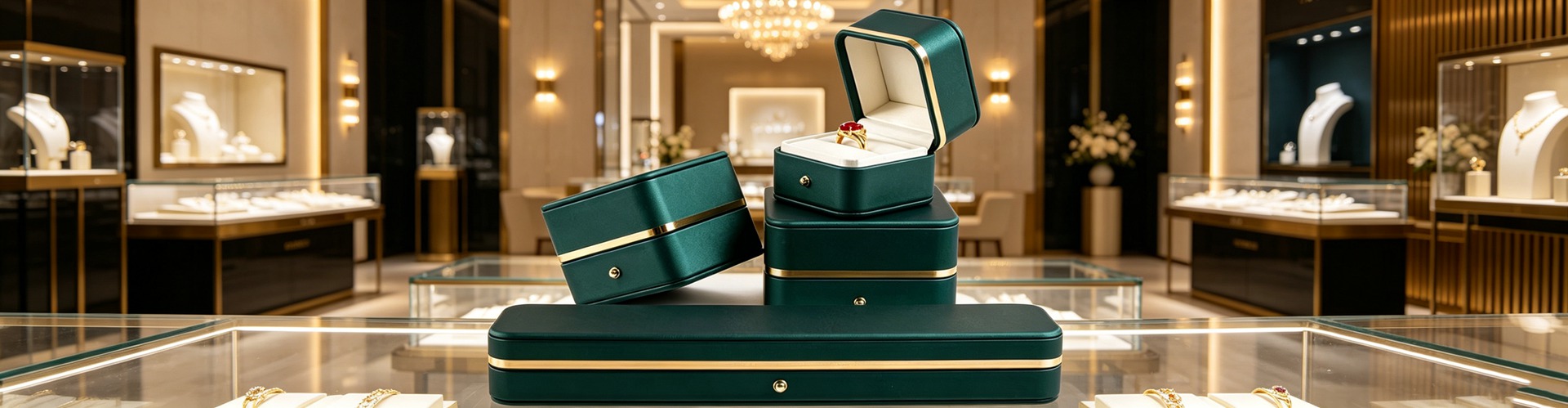
一只表的原装盒,就这样从“开箱的仪式感”变成“退出时的清算凭证”。这也解释了为什么越来越多品牌与经销商,开始把手表盒的结构、材质与耐久性写进采购标准——它不再只是包装,而是资产凭证的一部分。同样的逻辑在向门店延伸:手表陈列道具的托枕软硬、珠宝展示架的倾角与灯距,过去归为美学细节,如今直接关系到表壳会不会留下试戴划痕。像深圳骏依美这类服务珠宝钟表零售端的供应链企业,收到的需求描述也在改变:从“好看”,变成“能不能护住成色”。
五、结语:从炒作资产,回到慢资产
2026年的腕表市场并不差,只是不再狂热。出口额持平、量增价减、溢价中枢回归理性——所有信号指向同一结论:腕表正从“可快进快出的投机标的”,回到“耐用消费品加慢资产”的双重身份。
这未必是坏消息。当溢价不再由排队和黄牛决定,品牌产品力、渠道鉴定能力、零售端对成色与附件的管理水平,才真正成为价值来源。FH对全年的预测是“与2025年相对稳定”,同时提示中东局势与美国关税的不确定性。稳定但不确定,大概就是钟表业接下来很长一段时间的常态:与其等待下一轮泡沫,不如把每一只表的成色、附件与呈现做扎实。
本文为原创内容,版权归深圳骏依美所有,转载请注明出处。
骏依美——让每一件珠宝与腕表,都被更好地呈现。