Gen Z Jewelry Consumption Portrait: The Triple Play of Rationality, Individuality and ValuesZ世代珠宝消费画像:理性、个性与价值观的三重奏
The "Self-Pleasure" Logic Under Rational Consumption
As the first wave of Gen Z enters the workforce and accumulates disposable income, their attitude toward jewelry consumption differs fundamentally from previous generations. Unlike the older model of "big carats, high budgets, one-stop purchase," Gen Z tends to deconstruct purchasing decisions through a "self-pleasure" logic—first asking whether they genuinely like it, then weighing cost-performance, and only last considering brand premium. Multiple consumer surveys show that over 60% of Gen Z consumers compare prices online before buying jewelry, while also having clear requirements for materials, craftsmanship, and sustainability attributes. This rationality does not mean stinginess; it means spending every penny on things they truly identify with. For the jewelry packaging industry, this means brands must convey quality through details like jewelry boxes and display props, because Gen Z reads brand attitude from the tactile feel and design language of packaging.
Individuality: From "Others Have It" to "I Have It"
The most distinctive label in Gen Z's jewelry consumption portrait is "individuality." They are no longer satisfied with standardized mass-produced designs, but seek pieces that reflect their unique aesthetics. Engraving services, stacked styling, vintage hunting, niche designer brands—all these behaviors stem from the same desire: jewelry should not be a cookie-cutter status symbol, but a carrier of personal stories. Under this trend, customization demand is growing rapidly, from engraved rings to personalized jewelry display stands, with consumers willing to pay a premium for "one-of-a-kind." Notably, Gen Z's acceptance of second-hand and antique jewelry far exceeds that of previous generations. They value not only cost-performance but also the stories and cultural traces behind objects, reflecting a broader reconsideration of consumerism.
Value-Driven: Sustainability and Ethics as Hard Criteria
If rationality is the "operating system" of Gen Z consumption and individuality is the "application layer," then values are the underlying "chip." Climate change, labor rights, supply chain transparency—topics once only discussed by industry insiders—are now decision factors for Gen Z when purchasing jewelry. Surveys indicate that nearly half of Gen Z consumers are willing to pay more for traceable gemstones and eco-friendly metals. The rise of lab-grown diamonds, the use of recycled metals, and the de-plasticization of packaging materials are all brand responses to this trend. In jewelry box design and customization, biodegradable materials, FSC-certified paper, and non-toxic inks are becoming new standard features. Gen Z votes with their wallets, pushing the entire supply chain toward greater transparency and responsibility.
Social Currency: The Online Dissemination Chain of Jewelry Content
Gen Z's jewelry consumption extends beyond purchase to sharing. Unboxing videos, stacking tutorials, daily outfit pairings—jewelry has become important social currency on platforms like Xiaohongshu, Douyin, and Instagram. A beautifully crafted unboxing video can ignite a designer brand, and the right jewelry pairing can earn tens of thousands of likes. This dissemination chain forces jewelry brands to reconsider the logic of "packaging as content": jewelry boxes are not merely protective containers but visual assets on social media. The performance of exquisite jewelry display stands and props on camera directly influences whether users willingly share. Therefore, more brands are investing as much effort in packaging design as in products, striving to make every unboxing moment a shareable highlight.
Future Outlook: Consumption Experience Revolution Empowered by Technology
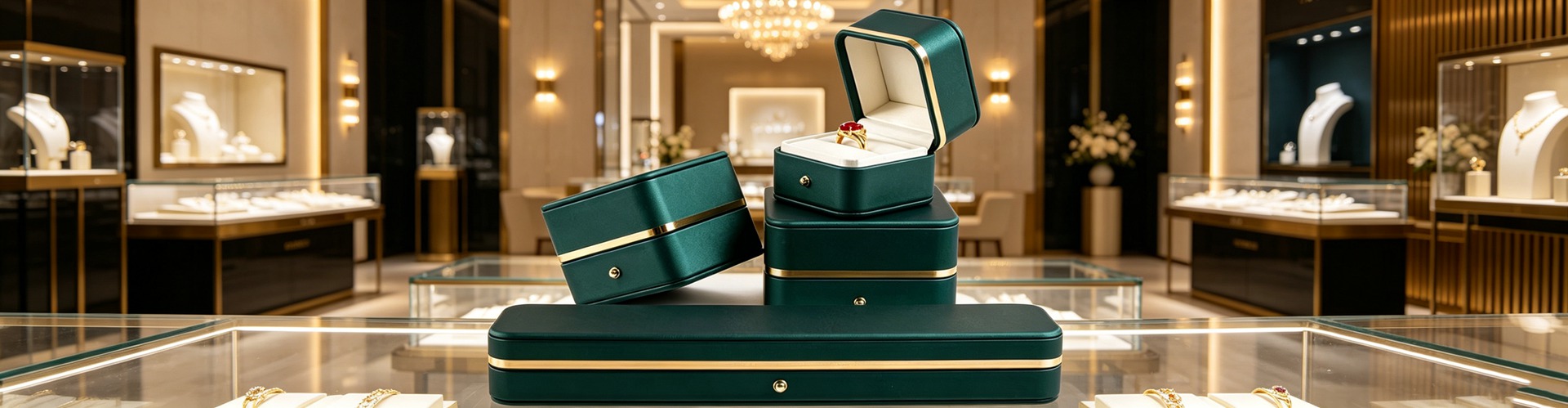
Looking ahead, Gen Z's jewelry consumption experience is being profoundly reshaped by technology. AR virtual try-ons let consumers preview effects before purchase, blockchain traceability makes every gemstone's origin verifiable, and AI design tools make personalization more accessible. Meanwhile, offline experiences have not disappeared but evolved into "immersive narrative spaces"—brands transform shopping into experiences through scenario-based jewelry display stands and interactive installations. The integrated customization of watch display props and jewelry box wholesale is also providing retailers with more flexible display options. It is foreseeable that technology will not replace the emotional value of jewelry, but will make the path "from heartbeat to purchase" shorter, more transparent, and more personalized. Gen Z is writing the new rules of jewelry consumption, and the winning hand for brands lies in finding their own balance among rationality, individuality, and values.
This article is original content, copyrighted by Shenzhen Junyimei. Please indicate the source when reprinting.
Junyimei — Making every piece of jewelry and watch presented better. Specializing in jewelry boxes, jewelry display stands, watch display props. Shenzhen-owned factory, custom design supported. Inquiries welcome!
理性消费下的"悦己"逻辑
当第一批Z世代步入职场并逐渐积累可支配收入,他们对珠宝首饰的消费态度正与父辈截然不同。不同于以往"大克拉、高预算、一步到位"的购买模式,Z世代更倾向于用"悦己"的逻辑拆解消费决策——先问自己喜不喜欢,再考量性价比,最后才看品牌溢价。据多项消费调查显示,超过六成的Z世代消费者表示会在购买珠宝前进行线上比价,同时对材质、工艺和可持续属性有明确要求。这种理性并非意味着吝啬,而是把每一分钱花在真正认同的事物上。对珠宝包装行业而言,这也意味着品牌需要在首饰盒、珠宝道具等细节上传递品质感,因为Z世代会从包装的触感、设计语言中读取品牌的态度。
个性表达:从"别人有"到"我有"
Z世代的珠宝消费画像中最鲜明的标签是"个性"。他们不再满足于标准化款式的批量复制,而是追求能体现独特审美的单品。刻字服务、混搭叠戴、中古淘货、设计师小众品牌……这些行为背后是同一诉求:珠宝不应是千篇一律的身份符号,而应是个人故事的载体。在这一趋势下,定制化需求快速增长,从刻字戒指到个性化珠宝陈列架,消费者愿意为"独一无二"支付溢价。值得注意的是,Z世代对二手珠宝和古董首饰的接受度远高于前代,他们不仅看重性价比,更看重物件背后的故事与文化痕迹,这种"旧物新用"的态度也折射出对消费主义的反思。
价值观驱动:可持续与伦理成为硬指标
如果说理性是Z世代消费的"操作系统",个性是"应用层",那么价值观就是底层"芯片"。气候变化、劳工权益、供应链透明——这些曾经只有行业从业者关注的话题,正成为Z世代购买珠宝时的决策因素。调查显示,近半数Z世代消费者表示愿意为可追溯来源的宝石和环保金属支付更高价格。培育钻石的崛起、再生金属的应用、包装材料的减塑化,都是品牌对这一趋势的回应。在珠宝盒设计与定制领域,可降解材料、FSC认证纸品和无毒油墨正成为新的标准配置。Z世代用钱包投票,推动整个产业链向更透明、更负责任的方向演进。
社交货币:珠宝内容的线上传播链路
Z世代的珠宝消费不止于购买,更延伸到分享。开箱视频、叠戴教程、日常穿搭搭配——珠宝在小红书、抖音、Instagram等平台上已成为重要的社交货币。一条精美的开箱视频可能带火一个设计师品牌,一次恰到好处的首饰搭配可能获得数万点赞。这种传播链路让珠宝品牌不得不重新审视"包装即内容"的逻辑:首饰盒不仅是保护产品的容器,更是社交媒体上的视觉资产。精美的珠宝摆台和陈列道具在镜头前的表现力,直接影响用户是否愿意主动分享。因此,越来越多的品牌开始在包装设计上投入与产品同等的精力,力求让每一个拆箱瞬间都成为可传播的"高光时刻"。
未来展望:技术赋能下的消费体验革新
面向未来,Z世代的珠宝消费体验正在被技术深刻重塑。AR虚拟试戴让消费者在购买前就能预览效果,区块链溯源让每一颗宝石的来源可查可证,AI设计工具让个性化定制从昂贵走向普惠。与此同时,线下体验并未消失,而是演变为"沉浸式叙事空间"——品牌通过场景化的珠宝陈列架和互动装置,将购物转化为一种体验。手表陈列道具与珠宝盒批发的融合定制方案,也正在为 retailers 提供更灵活的陈列选择。可以预见的是,技术不会取代珠宝的情感价值,但会让"从心动到购买"的路径更短、更透明、更个性化。Z世代正在书写珠宝消费的新规则,而品牌的胜负手在于:能否在理性、个性与价值观之间找到属于自己的平衡点。
本文为原创内容,版权归深圳骏依美所有,转载请注明出处。
骏依美——让每一件珠宝与腕表,都被更好地呈现。专注珠宝盒、首饰盒、珠宝陈列架、手表陈列道具等包装产品的设计与生产,深圳自有工厂,支持来图定制打样,欢迎咨询合作!